
 admin
admin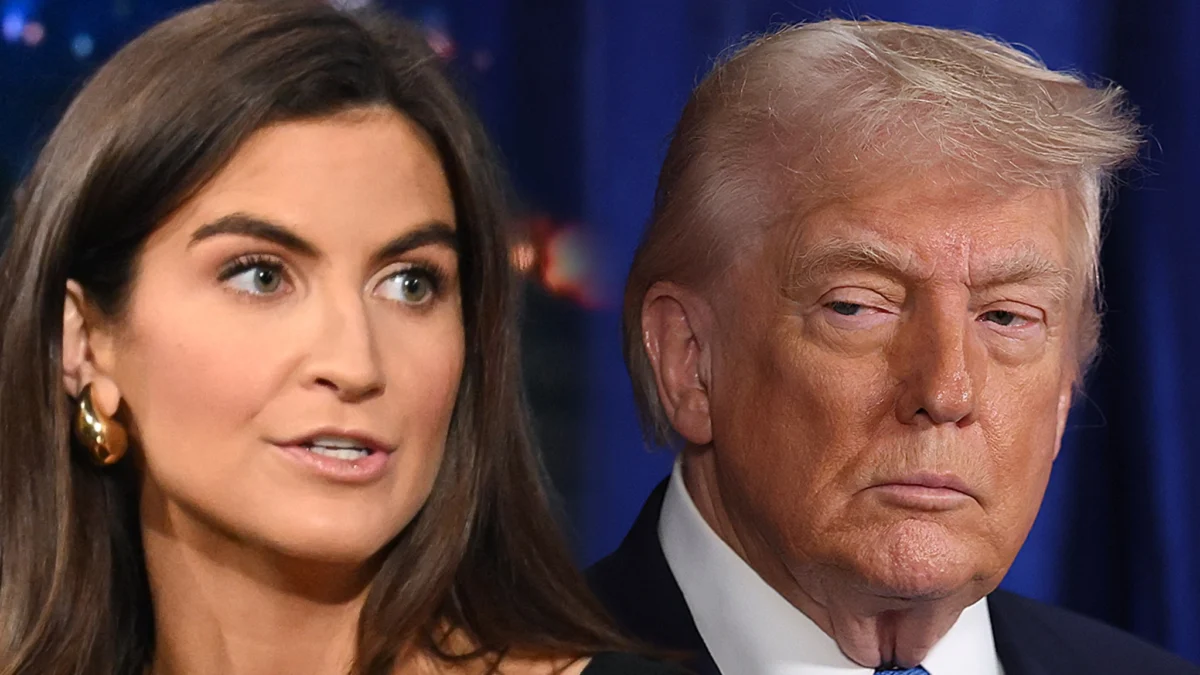
The Incident at the White House Correspondents’ Dinner
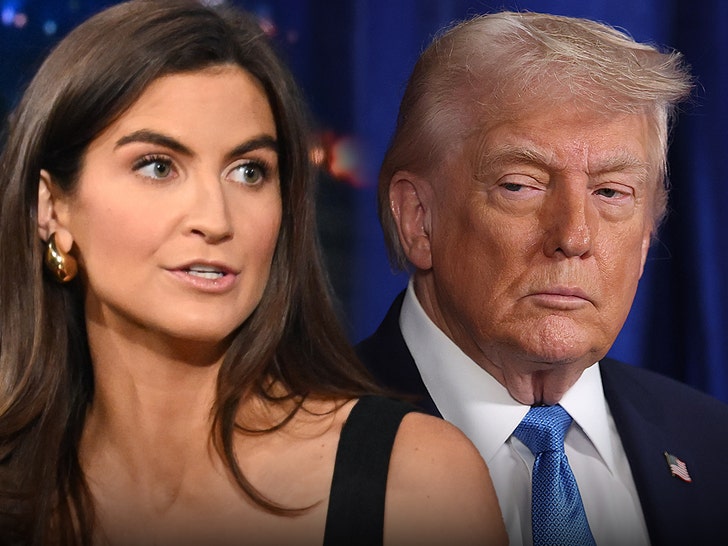
The annual White House Correspondents’ Dinner (WHCD), held on Friday, July 25, 2026, is traditionally a night where journalists, politicians, and celebrities gather to celebrate press freedom and often engage in lighthearted self-deprecating humor. However, the 2026 event took a more confrontational turn when former President Trump, making an appearance, singled out Collins during his speech. According to reports and Collins’ own recounting, Trump not only referred to her as "Kaitlan Collins," but also sarcastically questioned why she "never smiles despite being young and attractive" and dismissed her employer as "CNN fake news." The most notable and widely reported insult was his comparison of Collins to Dylan Mulvaney, a prominent transgender influencer whose brand partnerships have sparked significant public debate and criticism from conservative circles. This comparison, delivered on such a public stage, immediately drew attention and condemnation from various quarters, highlighting the former president’s characteristic use of divisive rhetoric.
Kaitlan Collins’ Award and Trump’s Alleged Motivation
A key element contributing to Trump’s ire, as suggested by Collins herself, was her recent accolade. At the very same WHCD, Collins was honored with the prestigious White House Correspondents’ Award for Excellence in Presidential News Coverage Under Deadline Pressure in broadcast journalism. This award recognized her rigorous reporting on Trump’s 2025 Oval Office meetings with Ukrainian President Volodymyr Zelenskyy. Her coverage delved into the intricacies and potential implications of these high-stakes diplomatic encounters, often requiring her to ask pointed questions and seek clarification on sensitive matters.
Collins indicated that Trump’s comparison to Mulvaney and his other personal insults were a direct reaction to her winning this award, perceiving it as a rebuke of his administration and his conduct. She elaborated on "The Daily Show" that the former president was "clearly bothered" by her recognition for "tough-as-nails reporting" and the "uncomfortable questions she often asks," frequently yielding "non-answers." This perspective paints a picture of a former president who views critical journalism, especially when recognized for its tenacity, as a personal affront.
A Pattern of Confrontation: Trump and the Media
The dynamic between Donald Trump and Kaitlan Collins is not an isolated incident but rather a microcosm of a broader, long-standing adversarial relationship between the former president and significant portions of the mainstream media. Throughout his political career, Trump has consistently labeled news organizations he deems critical of him as "fake news" or "enemies of the people." CNN, in particular, has been a frequent target of his attacks, which have often escalated beyond policy disagreements into personal critiques of its journalists.

Collins herself has been at the receiving end of Trump’s public and private criticism on numerous occasions. She gained significant prominence for her persistent questioning during White House press briefings and her subsequent role as a prime-time anchor. Her career trajectory, marked by a commitment to direct and probing inquiries, often placed her in direct opposition to Trump’s preferred narrative control. Her revelation that Trump "pretty regularly" insults her inside the Oval Office underscores the persistent tension that characterized interactions between the Trump administration and journalists deemed critical. This consistent pattern suggests that the WHCD incident was less an anomaly and more an amplification of existing hostilities onto a larger, more public platform.
The Significance of the Dylan Mulvaney Comparison
Trump’s decision to compare Kaitlan Collins to Dylan Mulvaney carries multiple layers of political and social significance. Dylan Mulvaney rose to prominence on TikTok, documenting her gender transition journey through a series titled "Days of Girlhood." Her online presence and subsequent partnerships with major brands, such as Bud Light, ignited a fierce cultural debate. These partnerships drew boycotts and intense backlash from conservative groups, who accused Mulvaney and the brands of promoting "woke" ideologies and undermining traditional gender norms.
By invoking Mulvaney’s name in connection with Collins, Trump employed a rhetorical strategy designed to:
- Weaponize Cultural Divides: He tapped into a highly contentious cultural issue that resonates strongly with his base, associating Collins with a figure often demonized by conservative media.
- Dehumanize and Dismiss: The comparison was intended to delegitimize Collins’ professional credibility by associating her with a figure perceived negatively by his supporters, rather than engaging with the substance of her reporting.
- Reinforce Gendered Criticism: Coupled with remarks about Collins’ appearance and lack of a smile, the Mulvaney comparison subtly reinforced a misogynistic trope that judges female journalists on factors other than their professional competence. It suggests that her "tough" reporting is somehow unnatural or unfeminine.
- Signal Disapproval of "Woke" Media: For Trump and his followers, the comparison serves as a shorthand to label Collins and CNN as part of a liberal media establishment that embraces progressive social agendas, further cementing his narrative of media bias.
This specific comparison, therefore, was not merely an insult but a calculated political maneuver designed to achieve multiple objectives within his broader media strategy.
The Role and History of the White House Correspondents’ Dinner
The White House Correspondents’ Dinner, organized by the White House Correspondents’ Association (WHCA), has a rich history dating back to 1921. Its primary purpose is to raise money for journalism scholarships and to recognize excellence in the profession. It is also an occasion for the President of the United States to deliver a humorous speech, often poking fun at themselves, their administration, and the journalists covering them. Historically, it has served as a symbol of the often-tense but ultimately vital relationship between the executive branch and the free press.
However, the dinner has not been without controversy, especially in recent years. Donald Trump, during his presidency, famously boycotted the dinner for three consecutive years (2017-2019), sending surrogates or holding rival rallies instead. He eventually attended in 2020, though his relationship with the press remained deeply contentious. His 2026 appearance, while not as a sitting president, still commanded significant attention, and his remarks reignited debates about the appropriateness of such a forum for partisan attacks. Critics argue that using the dinner as a platform for personal insults undermines its stated purpose of celebrating journalism and fostering a healthy, if sometimes adversarial, dialogue between government and the press.
Reactions and Industry Perspectives
Following Trump’s remarks, reactions from various stakeholders were swift. On social media, Collins’ initial Instagram post garnered significant support from colleagues and viewers who praised her professionalism and resilience. CNN, while not issuing a direct statement condemning Trump’s specific words, has consistently stood by its journalists and their commitment to factual reporting. The White House Correspondents’ Association, an organization dedicated to upholding press freedom, typically advocates for respectful engagement between the press and public figures, even in disagreement. While the WHCA might not directly intervene in political commentary, the spirit of their mission implicitly pushes back against attempts to discredit or intimidate journalists through personal attacks.
Journalistic ethics broadly condemn personal attacks designed to silence or delegitimize reporters, emphasizing that the focus should always remain on the content and accuracy of reporting, not the reporter’s appearance, identity, or perceived political leanings. Many in the media industry viewed Trump’s comments as an attempt to distract from the substance of Collins’ award-winning work and to continue his broader campaign to undermine trust in established news organizations.
Broader Implications for Press Freedom and Political Discourse
The incident at the WHCD, while seemingly a singular event, carries significant implications for the landscape of press freedom and the nature of political discourse.
- Erosion of Norms: The casual deployment of deeply personal and culturally charged insults by a former president on a public stage, particularly against a journalist recognized for excellence, contributes to the erosion of traditional norms of civility and professional conduct.
- Chilling Effect vs. Resilience: While such attacks are often intended to create a chilling effect on journalists, the public response and Collins’ own steadfastness demonstrate a continued resilience within the media to push back against attempts at intimidation. However, the cumulative effect of sustained attacks can make the profession more challenging and potentially deter new talent.
- Polarization of Information: By framing journalists as "enemies" or aligning them with controversial cultural figures, Trump further entrenches the polarization of information consumption, where trust in media becomes primarily aligned with political affiliation rather than journalistic standards.
- Accountability of Power: Collins’ award for "tough-as-nails reporting" on Oval Office meetings highlights the critical role of the press in holding powerful figures accountable. Trump’s reaction, in turn, underscores the discomfort that powerful figures can feel when subjected to rigorous scrutiny. This ongoing tension is fundamental to a functioning democracy.
In conclusion, Kaitlan Collins’ measured response to Donald Trump’s WHCD remarks — her admission of "not surprised one bit" — speaks volumes about the enduring and often acrimonious relationship between the former president and the media. Far from an isolated outburst, the incident is symptomatic of a calculated strategy to discredit critical reporting and reinforce a narrative of media bias. As Collins continues her work on "The Source With Kaitlan Collins" and other platforms, the exchange serves as a potent reminder of the challenges faced by journalists in an era of heightened political polarization and weaponized rhetoric, especially when confronting figures who routinely bypass traditional journalistic scrutiny with personal attacks.


 Yuyun Lusiyani
 Joko Widodo
 Eva Lovia
 Pevita Pearce
 Lina Irawan