
 Eva Lovia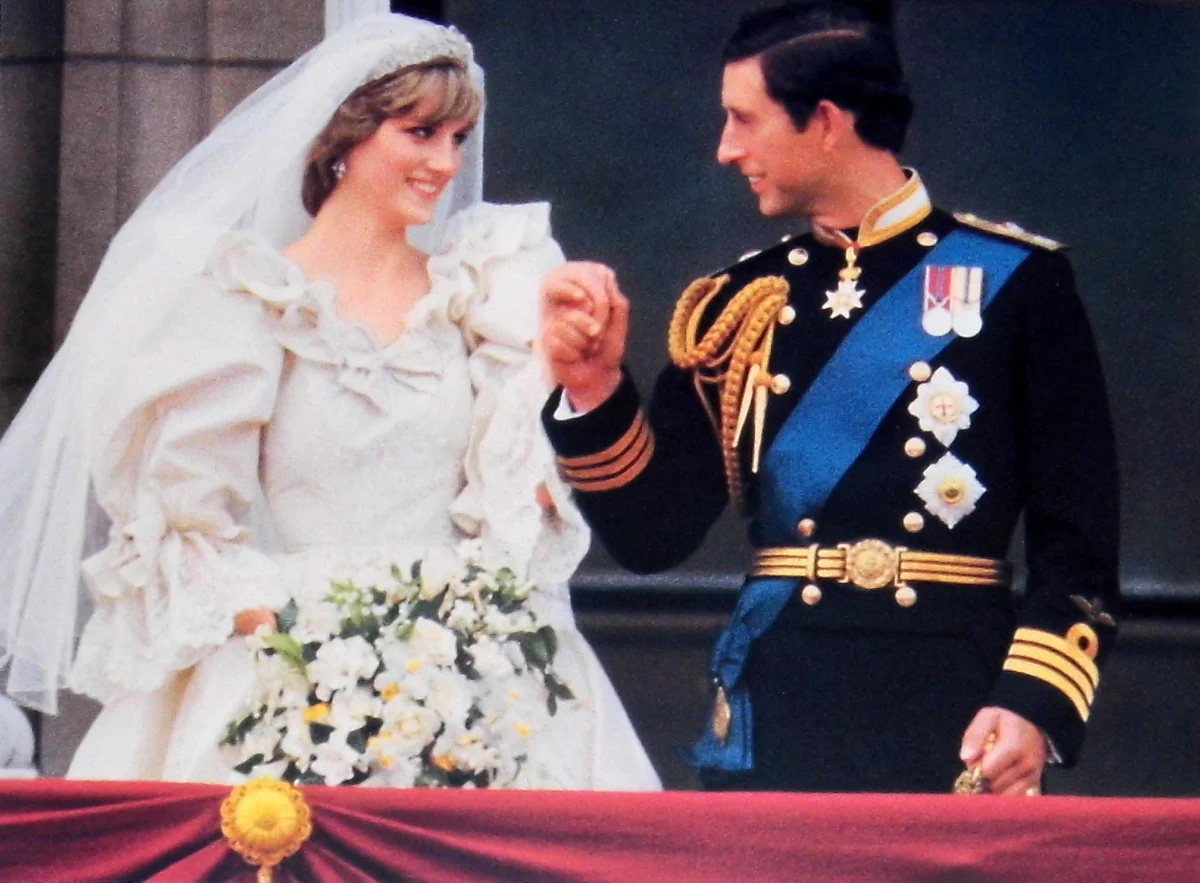
The floral arrangements accompanying a royal bride have long been steeped in tradition and symbolism, offering a visual narrative of the occasion and the individuals involved. Among the most iconic and enduring of these is the bouquet carried by Diana, Princess of Wales, on her wedding day to Charles, Prince of Wales, on July 29, 1981. This voluminous cascade of cream, green, and yellow blooms, presented as she entered St. Paul’s Cathedral, remains etched in public memory, a testament to its striking beauty and the profound significance it held, even four decades later. The bouquet was not merely an accessory; it was a statement, a carefully curated ensemble that broke with convention and set a new benchmark for royal wedding floristry, while simultaneously weaving a tapestry of personal sentiment and dynastic continuity.
A Bouquet of Unprecedented Grandeur
The sheer scale of Diana’s wedding bouquet was, by contemporary standards, extraordinary. Buckingham Palace itself acknowledged its significant size in official communications concerning the bride’s attire, describing it with a characteristic royal understatement as "well balanced." The statement further noted, "although heavier than most carried nowadays, the distribution should not be too tiresome for the bride." This description, while understated, hints at the deliberate choice to embrace a grander aesthetic, a stark departure from the more restrained, often smaller, posies or shaped bouquets favoured by brides at the time. Diana’s choice was a bold move, designed to complement the magnificent proportions of her wedding dress, a voluminous creation by David and Elizabeth Emanuel that itself captured global attention. The decision to opt for such a substantial and trailing bouquet was not only a personal preference but also a deliberate fashion statement that would influence wedding floral trends for years to come, ushering in an era where elaborate and cascading arrangements became increasingly popular.
A Deliberate Blend of Tradition and Personal Meaning
The composition of Diana’s bouquet was a thoughtful fusion of traditional bridal flowers, blooms with historical royal significance, and poignant personal tributes. This intricate selection revealed layers of meaning, connecting the bride to her new family, her lineage, and the hopes for her future.
-
Classic Bridal Favourites: As is customary for many brides, Diana incorporated beloved wedding blooms known for their delicate beauty and romantic associations. These included:
- Stephanotis: Often referred to as "Madagascar Jasmine," these star-shaped white flowers carry a strong symbolism of "happiness in marriage."
- Freesias: Valued for their sweet fragrance and delicate appearance, freesias represent "innocence" and are often associated with purity.
- Gardenias: These creamy white blossoms, with their rich, intoxicating scent, are said to symbolize "you’re lovely" or "secret love," adding an element of subtle admiration.
- Lily of the Valley: These tiny, bell-shaped white flowers are a symbol of "a return to happiness" and are often associated with sweetness and humility. Their inclusion suggests a hopeful outlook for the future.
-
Nods to Royal Heritage: Two key floral elements in the bouquet directly referenced royal traditions and connections:
- Odontoglossum Orchids: These exotic blooms were a significant inclusion, having featured prominently in the wedding bouquet of Queen Elizabeth II in 1947. This choice created a direct link between Diana and her new mother-in-law, signifying her integration into the royal family and the continuation of dynastic traditions. The orchid itself often symbolizes "love, beauty, and strength," attributes that would be tested and demonstrated throughout Diana’s public life.
- Myrtle: A sprig of myrtle, taken from a bush grown at Osborne House on the Isle of Wight, a favourite residence of Queen Victoria, was a particularly poignant addition. Myrtle has been a staple in royal wedding bouquets since the Victorian era, symbolizing "love" and "marriage." Queen Victoria herself was a proponent of the "language of flowers," and her inclusion of myrtle in her own wedding bouquet in 1840 set a precedent that has been followed by many royal brides since. This inclusion underscored Diana’s connection to a long line of royal women and the enduring institution of marriage within the monarchy.
-
A Tribute to a Cherished Relative: The bouquet also contained a deeply personal element:
- ‘Earl Mountbatten’ Rose: A variety of golden yellow rose, specifically named ‘Earl Mountbatten,’ was included. This bloom was a touching tribute to Louis Mountbatten, 1st Earl Mountbatten of Burma, Prince Charles’s beloved great-uncle. Earl Mountbatten, a significant figure in British history and a close confidant to Prince Charles, had tragically been killed in an IRA bomb attack just two years prior to the wedding. The inclusion of this rose served as a memorial to him and a symbol of Prince Charles’s deep affection for his family and its history. While some interpretations of yellow roses can signify friendship or even jealousy, in this context, it is more likely to have represented remembrance and familial love, perhaps with a nod to the warmth and vibrancy of the man it commemorated.
The Language of Flowers: A Prophetic Bloom?
The choice of flowers was not arbitrary; each bloom carried a specific meaning within the Victorian-era "language of flowers," a practice that invested floral arrangements with symbolic messages. This ancient code, which Diana’s mother-in-law, Queen Victoria, had embraced, added another layer of depth to the bouquet.
- Love and Happiness: The traditional bridal flowers – stephanotis, lily of the valley, gardenias, and freesias – all carried meanings associated with love, happiness, and the virtues of marriage. Lily of the valley’s "return to happiness" and stephanotis’s "happiness in marriage" spoke of optimistic aspirations for the union.
- Enduring Commitment: The greenery played a crucial role in conveying messages of steadfastness and commitment. Ivy, with its tenacious growth, symbolized "marriage" and "fidelity." Veronica (Hebe) also stood for fidelity, reinforcing the theme of loyalty within the marital bond. The inclusion of tradescantia added texture and visual interest, contributing to the overall aesthetic.
- A Complex Symbolism: The inclusion of orchids, representing "love, beauty, and strength," and roses, traditionally associated with "love and happiness," further embellished the bouquet’s romantic narrative. The yellow rose, in particular, while sometimes interpreted differently, likely carried a personal resonance within the context of the Mountbatten tribute.
Taken together, the floral choices painted a picture of a deeply hopeful and loving union, a sentiment that perfectly mirrored the fairy-tale narrative that surrounded the wedding of "the People’s Princess" and the future King of the United Kingdom.
Setting a New Standard in Royal Floristry
Diana’s wedding bouquet transcended mere floral decoration; it became a trendsetter. Its dramatic size, cascading style, and rich symbolic content challenged the prevailing norms of bridal floristry. Prior to 1981, royal bouquets tended to be more compact and traditional. Diana’s choice, however, popularized a more elaborate and expressive approach. Florists and brides alike were inspired by the romantic, almost ethereal quality of her bouquet, which seemed to capture the essence of a modern fairy tale. This shift was not just aesthetic; it reflected a broader cultural evolution, where personal expression and grand gestures were increasingly embraced.
The Wedding Day: A Moment in History
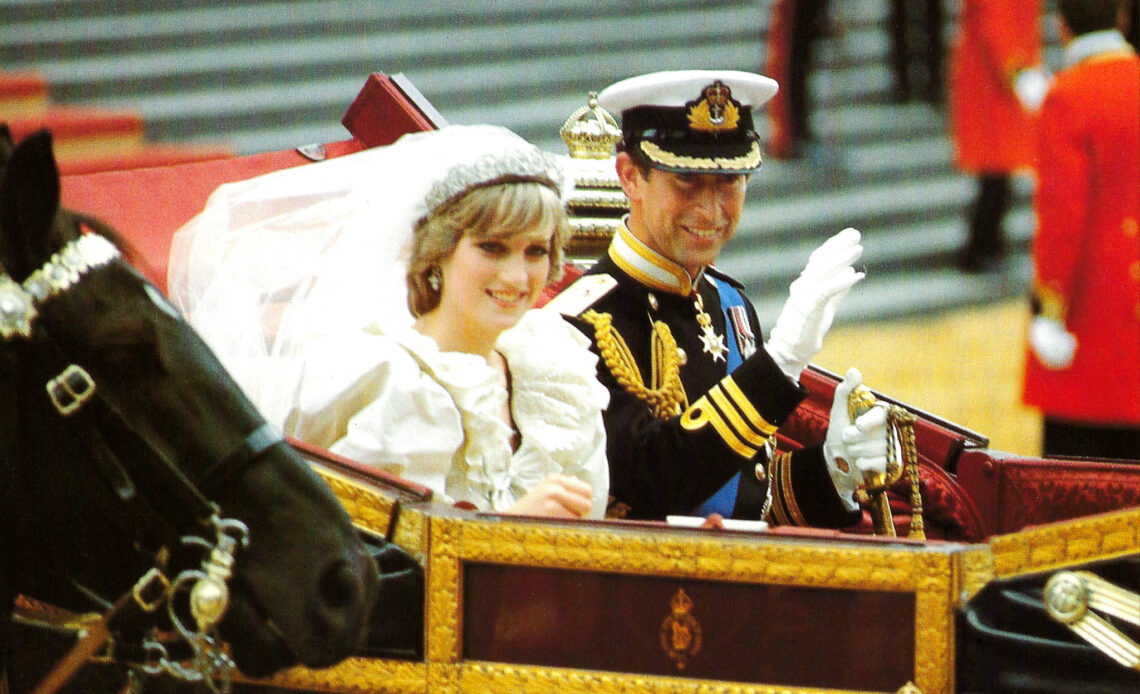
The wedding of Charles, Prince of Wales, and Lady Diana Spencer on July 29, 1981, was a global spectacle, watched by an estimated 750 million people worldwide. The procession from Buckingham Palace to St. Paul’s Cathedral was a procession of unprecedented pomp and ceremony. Diana, in her iconic ivory taffeta gown, stepped out of the carriage, her magnificent bouquet held aloft, instantly becoming the focal point of countless photographs and a symbol of the day. The sheer volume and trailing nature of the bouquet were immediately apparent, a striking visual counterpoint to her voluminous dress and the historical grandeur of the setting. The weight and distribution, as noted by Buckingham Palace, were carefully considered, ensuring she could carry it gracefully throughout the ceremony. The bouquet, therefore, was not just a collection of flowers but an integral part of her bridal ensemble and her presentation to the world on this momentous occasion.
A Legacy Beyond the Day
While the marriage of Charles and Diana ultimately faced significant challenges and ended in divorce, the symbolism embedded in her wedding bouquet endures. It represents not only a specific moment in time but also the initial hopes and dreams associated with the union. The carefully chosen flowers spoke of love, happiness, fidelity, and the continuation of royal traditions. Even as the personal narrative of the couple evolved, the visual impact and symbolic resonance of the bouquet remained. It continues to be studied and admired by florists, royal enthusiasts, and those interested in fashion history, serving as a potent reminder of a wedding that captivated the world and the bride who, through her style and persona, redefined the role of a royal consort.
The book "Royal Weddings: A Collection," available on Amazon, delves further into the intricacies and histories of such significant royal events, offering deeper insights into the traditions, fashion, and symbolism that define these landmark occasions. The floral choices made by Diana, Princess of Wales, on her wedding day remain a powerful testament to the enduring allure of royal ceremonies and the profound messages that can be conveyed through the art of floristry.



 Yuyun Lusiyani
 Joko Widodo
 Pevita Pearce
 admin
admin
 Lina Irawan