
 Yuyun Lusiyani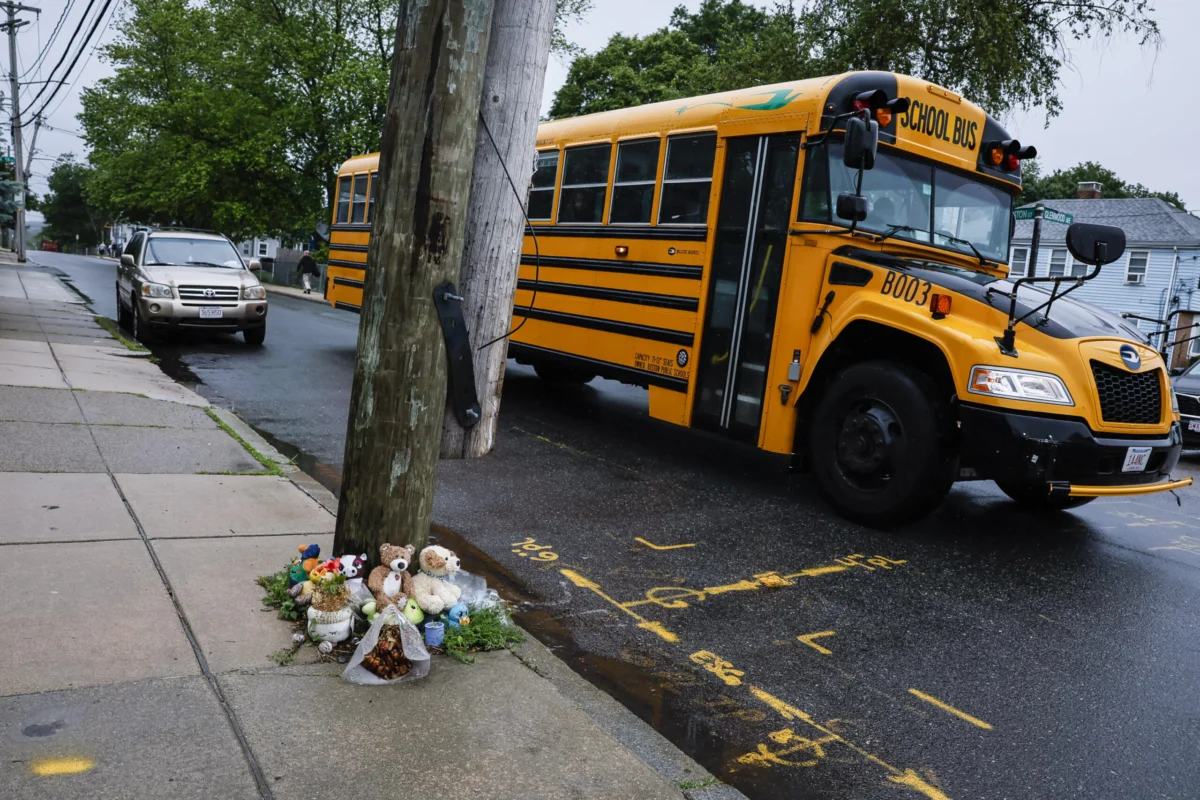
Two prominent Democrats on the U.S. Senate committee responsible for overseeing transportation safety have intensified their scrutiny of the nation’s bus regulator, pressing for irrefutable evidence of its capacity to identify and address issues within private transportation companies serving schools and municipalities. This concerted effort follows a groundbreaking investigative report that unearthed dozens of deadly collisions missing from the official safety record of one of the nation’s largest public transit operators, Transdev. The inquiry underscores escalating concerns among elected officials regarding the efficacy of federal regulations and the integrity of vital safety data.
The Senate Inquiry: A Call for Accountability
Senators Maria Cantwell (D-Wash.), Chair of the Senate Committee on Commerce, Science, and Transportation, and Ed Markey (D-Mass.), a senior member of the committee, dispatched a pointed letter to the head of the Federal Motor Carrier Safety Administration (FMCSA). The letter, dated Wednesday, outlines a series of urgent demands for transparency and accountability, setting an August 12 deadline for a comprehensive response. The lawmakers specifically requested documents detailing the agency’s methodology for ensuring the accuracy of school bus safety data, the guidance provided to law enforcement on reporting organizational involvement in crashes, and an explanation for the dramatic decline in "enforcement actions" against companies under the previous presidential administration, as indicated by FMCSA’s own data.
Central to their demands are records pertaining directly to Transdev, the French-owned company at the epicenter of the WBUR and ProPublica investigation. The senators are seeking a comprehensive list of all inspections and crashes linked to Transdev over the past decade, alongside an explanation for why federal records failed to include at least 42 fatal crashes associated with the company during this period. "Without accurate and complete data, it is impossible for FMCSA to properly target enforcement on unsafe companies, because the agency lacks the critical data needed to conclude they are unsafe," the senators articulated in their letter, emphasizing the foundational role of data in effective regulation. Senator Markey further decried the situation, stating, "It’s clear U.S. DOT failed in its responsibility to hold unsafe truck and bus companies accountable. That’s why Senator Cantwell and I are demanding answers from Trump’s DOT about its lack of oversight of truck and bus companies with dangerous, alarming, and unknown track records."
Unveiling a Pattern of Unreported Fatalities
The catalyst for this high-level congressional inquiry was a meticulous investigation by WBUR and ProPublica, published in June. Their reporting began in the tragic aftermath of the April 2025 death of Lens Joseph, a five-year-old Boston kindergartner who was run over by his own school bus. Shockingly, the initial review of federal safety records revealed no indication that Transdev, the operator of the bus involved, was associated with the incident. This alarming omission prompted a deeper dive, which subsequently uncovered a systemic failure in reporting: dozens of other deadly collisions connected to Transdev were similarly absent from federal safety databases.
Transdev, a global leader in mobility services, operates a vast network of public transit, paratransit, and school bus services across the United States. Its extensive reach into municipal and educational transportation contracts makes the integrity of its safety record, and the federal oversight thereof, critically important. The investigation painted a disturbing picture, suggesting that the official data significantly understated the company’s involvement in fatal incidents. The implications are profound, as the FMCSA relies on such data to assess carrier safety, conduct targeted inspections, and implement enforcement actions aimed at preventing future tragedies.
Tragic Incidents Highlight the Data Deficit
The human cost of these alleged data gaps is starkly evident in the cases brought to light by the investigation. Lens Joseph’s death, which led to felony involuntary manslaughter charges against the bus driver who has pleaded not guilty, remains a poignant example. Beyond this heartbreaking incident, the WBUR/ProPublica report detailed at least two other fatal crashes involving Transdev drivers that resulted in criminal charges, yet were not properly reflected in federal records.
In a 2017 incident in Taunton, Massachusetts, a Transdev bus driver pleaded guilty to misdemeanor negligent operation of a motor vehicle after a collision that resulted in a woman’s death. More recently, in 2023, another Transdev bus driver in Las Vegas pleaded guilty to misdemeanor vehicular manslaughter after striking and killing a pedestrian. These cases, each with their own tragic narratives and legal consequences for the drivers involved, collectively underscore the critical disconnect between on-the-ground incidents and their representation in federal safety databases. The absence of such crucial information from the FMCSA’s records raises serious questions about the agency’s ability to accurately evaluate the safety performance of large carriers like Transdev and, by extension, to protect the public.
Federal Oversight Under Scrutiny: A Decline in Enforcement
The senators’ letter also specifically questioned the reported decline in FMCSA "enforcement actions" against companies during the Trump administration. This trend, if confirmed and unexplained, suggests a potential weakening of regulatory vigilance at a time when robust oversight is paramount. The FMCSA, an agency within the Department of Transportation (DOT), is tasked with reducing crashes, injuries, and fatalities involving large trucks and buses. Its mission hinges on effective monitoring, enforcement, and data collection. A drop in enforcement actions could signal either a remarkable, sudden improvement in carrier safety – a highly improbable scenario given the consistent challenges of road safety – or, more concerningly, a deliberate or inadvertent scaling back of regulatory activity.
This context is crucial for understanding the senators’ urgency. If the FMCSA’s enforcement capabilities were indeed hampered or deprioritized, it could create an environment where unsafe practices are allowed to persist unchecked, leading to preventable accidents. The lack of accurate data on fatal crashes further compounds this issue, making it impossible for the agency to even identify which companies warrant increased scrutiny. The implication is that a weakened regulatory framework, combined with incomplete data, creates a significant blind spot that endangers public safety, particularly for vulnerable populations like schoolchildren who rely on these services daily.
Official Responses and Corporate Stance
In response to the WBUR and ProPublica reporting and the subsequent congressional pressure, the Department of Transportation issued a statement. While not directly answering specific questions about the letter or the reporting, a spokesperson affirmed the agency "shares the Senators’ commitment to the safe transportation of America’s children." The statement further acknowledged receipt of the senators’ letter, emphasizing that the DOT takes the safety concerns "very seriously" and is "currently investigating the matter to provide a comprehensive response." This initial reaction signals an awareness of the gravity of the situation and a commitment to address the congressional demands.
Transdev, for its part, also released a statement in response to the senators’ letter. The company reiterated its commitment to safety, asserting that "all incidents are thoroughly investigated." The statement emphasized Transdev’s adherence to legal and regulatory requirements: "Transdev complies with all applicable laws and regulatory requirements in every jurisdiction in which we operate, including federally mandated reporting standards. It is important to emphasize that we have always followed federal regulations, as prescribed, and will continue to adhere to all requirements for reporting incidents." While these statements affirm a commitment to safety and compliance, they do not directly address the discrepancies identified by the WBUR/ProPublica investigation regarding the absence of numerous fatal crashes from federal records. The onus remains on both Transdev to reconcile its internal records with federal databases, and on the FMCSA to explain the gaps.
Wider Calls for Accountability and Policy Implications
The concerns raised by Senators Cantwell and Markey are not isolated. The WBUR and ProPublica investigation has reverberated through various levels of government, prompting broader calls for accountability and policy reforms. U.S. Rep. Rick Larsen, the leading Democrat on the U.S. House Transportation and Infrastructure Committee, underscored the fundamental importance of accurate data for effective policymaking. "We can’t save lives if we don’t have accurate data – which is why the recent reporting from ProPublica and WBUR about the gaps in our database was so disturbing," Larsen stated, echoing the sentiment of his Senate colleagues.
Closer to the site of Lens Joseph’s tragic death, Boston City Councilor Erin Murphy formally requested an independent review of Boston Public Schools’ transportation safety on July 17. Murphy expressed significant apprehension that Boston Public Schools might not have fully disclosed the extent of Transdev’s crash history, suggesting that the problem could be localized as well as systemic. Furthermore, U.S. Rep. Ayanna Pressley (D-Mass.), whose district includes the neighborhood where five-year-old Lens was killed, has also publicly called for the FMCSA to launch its own investigation into Transdev. "We should not have any company or contractor operating without a full accounting of their safety record," Pressley declared, emphasizing that "The safety of our children must be the top priority." These diverse calls for action from across the political spectrum highlight the broad consensus that accurate data is non-negotiable for public safety.
Notably, the Republican leadership of both the House and Senate committees responsible for transportation safety did not respond to WBUR and ProPublica’s requests for comment after the June story was published, a detail that further accentuates the bipartisan nature of the public safety concerns, even if official responses have been partisan.
Implications for Public Safety and Future Policy
The ongoing Senate inquiry and the investigative reporting that precipitated it carry significant implications for public safety and the future of transportation policy in the United States. If the FMCSA’s records are indeed incomplete to the extent alleged, it suggests a profound vulnerability in the nation’s transportation safety net. The ability of the agency to identify and sanction unsafe carriers is predicated on having comprehensive and accurate data. Without it, companies with a history of serious incidents could potentially continue to operate, securing contracts for vital services like school bus routes, without their full safety profile being known or adequately scrutinized.
This situation could erode public trust in both the regulatory bodies responsible for safety and the private companies contracted to provide essential services. Parents, in particular, rely on the assurance that their children are transported safely to and from school, an assurance undermined by revelations of unreported fatal crashes. The outcome of the Senate’s demands for documents and explanations will likely influence future legislative efforts aimed at strengthening data collection mandates, enhancing enforcement powers for the FMCSA, and ensuring greater transparency from private transportation providers. It could also lead to a reassessment of existing contracts between municipalities and companies like Transdev, prompting more rigorous vetting processes based on thoroughly verified safety records. The August 12 deadline for FMCSA’s response looms as a critical juncture, setting the stage for potential further congressional action and a broader re-evaluation of how America safeguards its roads and its most vulnerable passengers.



 Joko Widodo
 Eva Lovia
 Pevita Pearce
 admin
admin
 Lina Irawan