
 Lina Irawan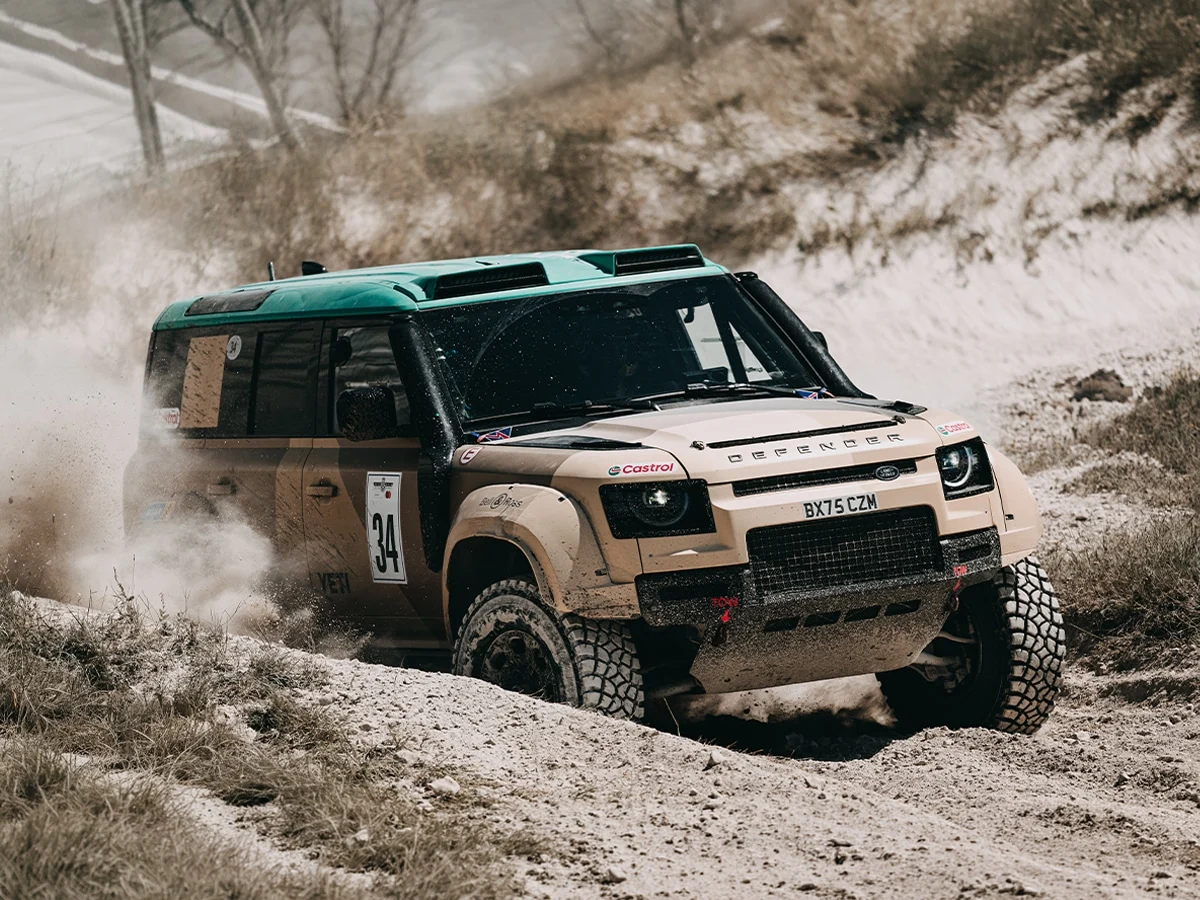
The Defender Dakar D7X-R represents a significant milestone in the evolution of production-derived motorsport, serving as a high-performance bridge between consumer-facing engineering and the extreme requirements of world-class rally-raid competition. Manufactured on the same assembly line in Nitra, Slovakia, as the road-going Defender OCTA, the D7X-R utilizes the factory-standard D7x aluminum monocoque, a testament to the inherent structural integrity of the modern Land Rover architecture. This vehicle recently secured its place in history by achieving a commanding 1-2 finish in the Stock class at the 2026 Dakar Rally, a feat that underscores the durability of the platform under the most grueling conditions on the planet.
A New Benchmark in Production-Derived Rally Performance
The emergence of the D7X-R follows a strategic shift within the Defender Rally program to demonstrate that high-volume production components can withstand the rigors of professional racing. Unlike the bespoke, space-frame prototypes often found in the T1+ category of the Dakar Rally, the D7X-R competes in the FIA World Rally-Raid Championship (W2RC) Stock class. Regulations for this category are strictly enforced, requiring that the core bodyshell, driveline architecture, and engine block remain unmodified from the original production vehicle.
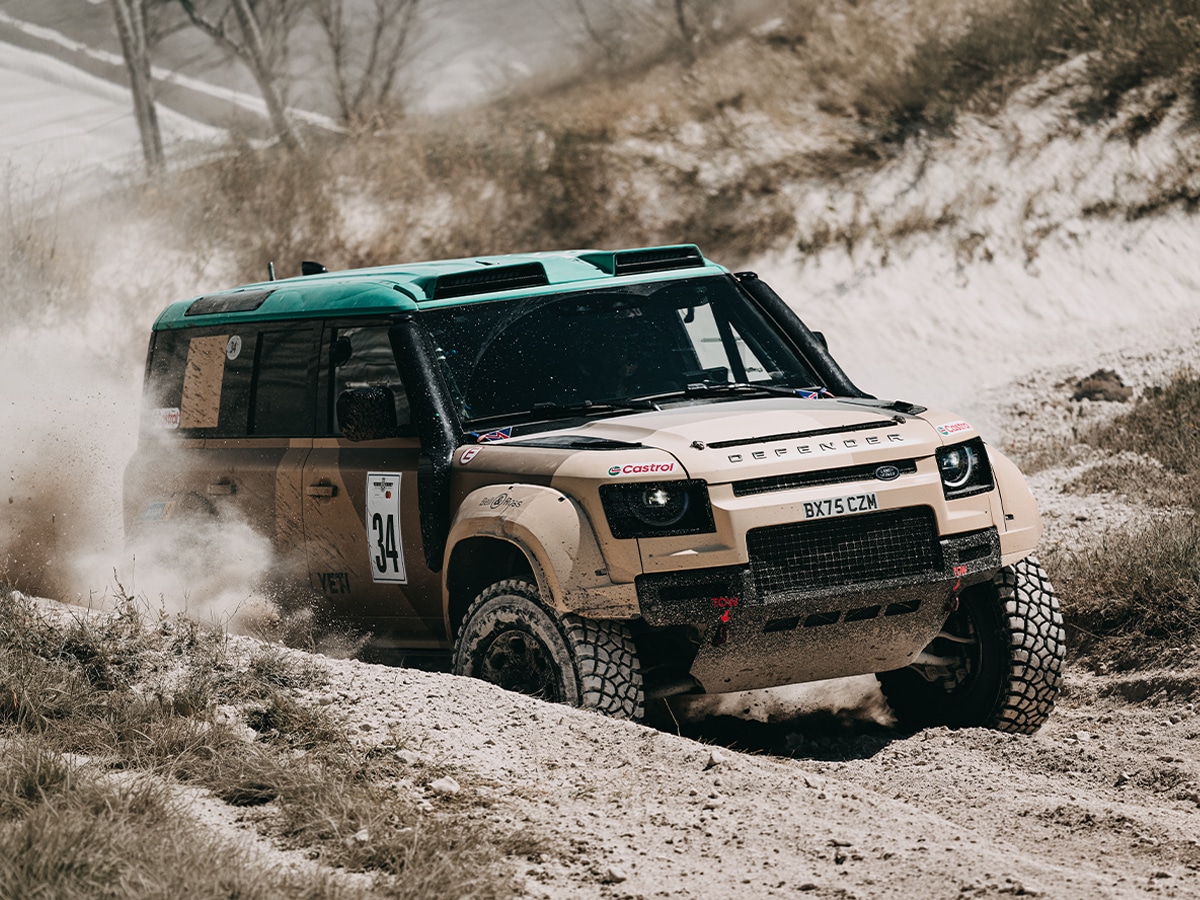
By adhering to these constraints, the D7X-R serves as a rolling laboratory for Land Rover’s engineering team. The vehicle’s success in Saudi Arabia, where it covered more than 5,000 kilometers of competitive stages, provides empirical data on the performance of the 4.4-liter twin-turbo V8 engine and the aluminum monocoque chassis. The platform’s transition from a luxury SUV to a desert specialist involves targeted reinforcements rather than a fundamental redesign, highlighting the "over-engineered" nature of the standard Defender.
The Technical Architecture of the D7X-R
The D7X-R’s performance is rooted in a blend of factory hardware and specialized motorsport components. While the heart of the machine is the production-spec 4.4-liter V8, the peripheral systems are heavily modified to manage the thermal and physical stresses of rally-raid environments.
Powertrain and Cooling Enhancements
The twin-turbo V8 is tuned to operate on advanced sustainable fuels, aligning with the FIA’s move toward carbon-neutral motorsport. To combat the extreme temperatures of the Saudi Arabian desert, the standard triple-radiator configuration is replaced with a single, high-capacity radiator. This unit is supported by four 12V high-flow cooling fans and specialized bonnet extraction vents designed to pull heat away from the engine bay even at low speeds or during high-torque climbs through sand dunes.

Suspension and Specialized Terrain Software
The suspension system represents a collaborative effort with BILSTEIN. The D7X-R features a bespoke damper package consisting of single coil-overs at the front and a parallel twin-damper setup at the rear. This configuration allows for significant travel and heat dissipation during high-speed sections over undulating terrain.
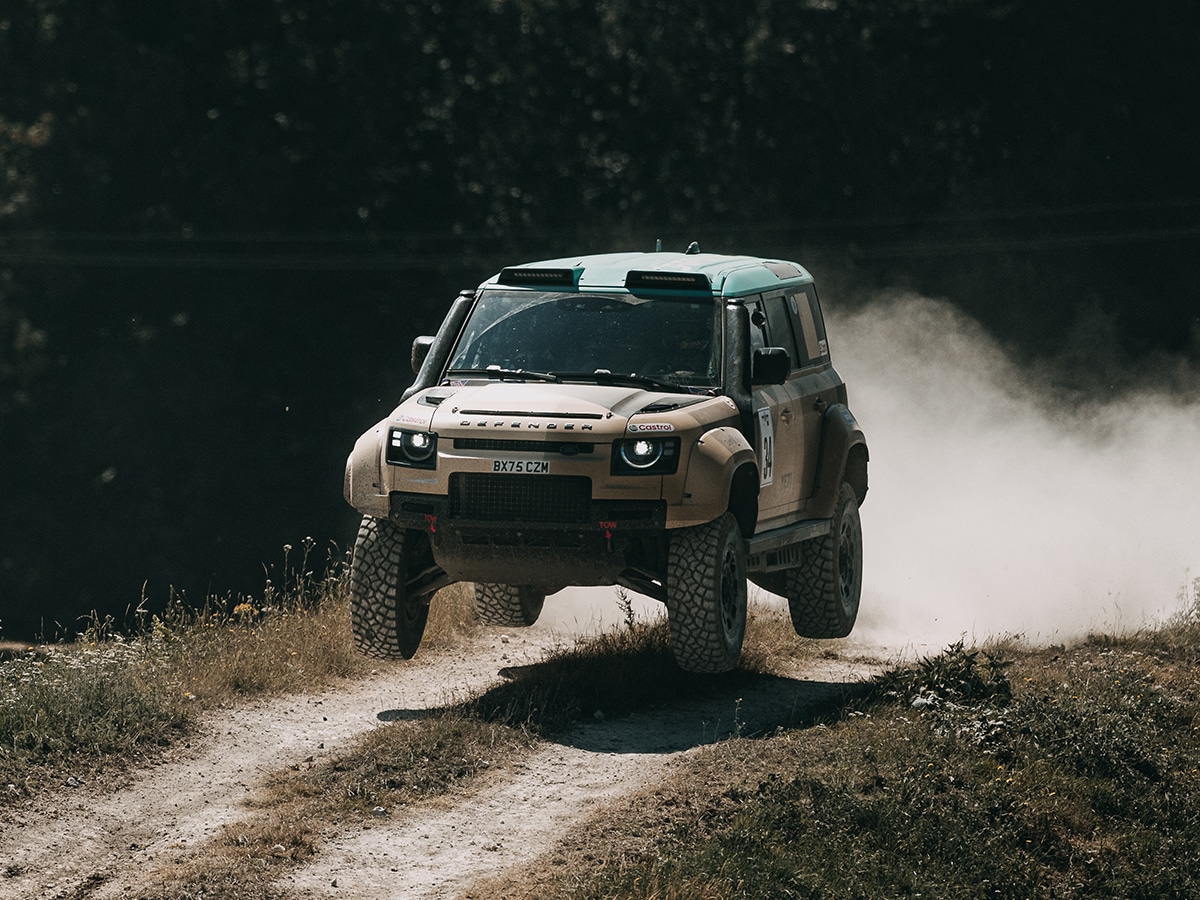
A critical innovation in the D7X-R is the "Flight Mode" software. Developed specifically for rally applications, this system utilizes motorsport-grade sensors to detect when the vehicle has left the ground. Upon detecting a zero-load state on all four wheels, the Engine Control Unit (ECU) recalibrates torque delivery in mid-air. This ensures that when the vehicle lands, the drivetrain does not suffer from the sudden shock of wheel speed synchronization with the ground, thereby preventing axle snaps and transmission failures—a common cause of retirement in off-road racing.
Chassis and Protection
To accommodate the 35-inch all-terrain tire package, the D7X-R features a track width that is 60mm wider than the standard OCTA. The exterior bodywork includes reshaped front and rear bumpers to maximize approach and departure angles, while the underbody is shielded by reinforced skid plates and trimmed sills. These modifications allow the vehicle to traverse deep ruts and rocky outcrops that would disable a standard SUV.
The 2026 Dakar Rally: A Chronology of Success
The ultimate validation of the D7X-R project occurred in January 2026 during the Dakar Rally in Saudi Arabia. The event is widely regarded as the most difficult endurance race in the world, and the Defender Rally team’s debut performance was statistically unprecedented for a production-based entry.
Stage 1-5: Establishing Dominance
From the opening stages, the trio of D7X-R vehicles demonstrated a pace that challenged even some of the modified prototype entries. Rokas Baciuška and Sara Price consistently traded stage wins, establishing an early lead in the Stock category.
Stage 6-10: Reliability Under Pressure
During the marathon stages, where crews are denied external mechanical support, the D7X-R’s production-based driveline proved its worth. While competitors suffered from cooling issues and suspension failures, the Defender fleet maintained a "1-2-3" stage result on 10 separate occasions. Stéphane Peterhansel, a 14-time Dakar winner, utilized his experience to manage the pace of the fleet, ensuring that the vehicles remained within their mechanical limits while maintaining a strategic advantage.
The Final Standings
At the conclusion of the 13-stage event, the Defender Rally team secured a 1-2 finish. Rokas Baciuška took the overall victory in the Stock class, followed closely by Sara Price. Peterhansel finished in fourth position, having played a vital role in the team’s tactical success. Collectively, the three vehicles accumulated over 24,000 kilometers of competitive driving with zero reported mechanical failures, a figure that has set a new benchmark for reliability in the class.
The Goodwood Festival of Speed: Real-World Stress Testing
Following its success in the desert, the D7X-R was showcased at the 2026 Goodwood Festival of Speed. While the event is famous for its hillclimb, the Off-Road Arena provided a specialized environment to demonstrate the D7X-R’s agility and suspension tuning.
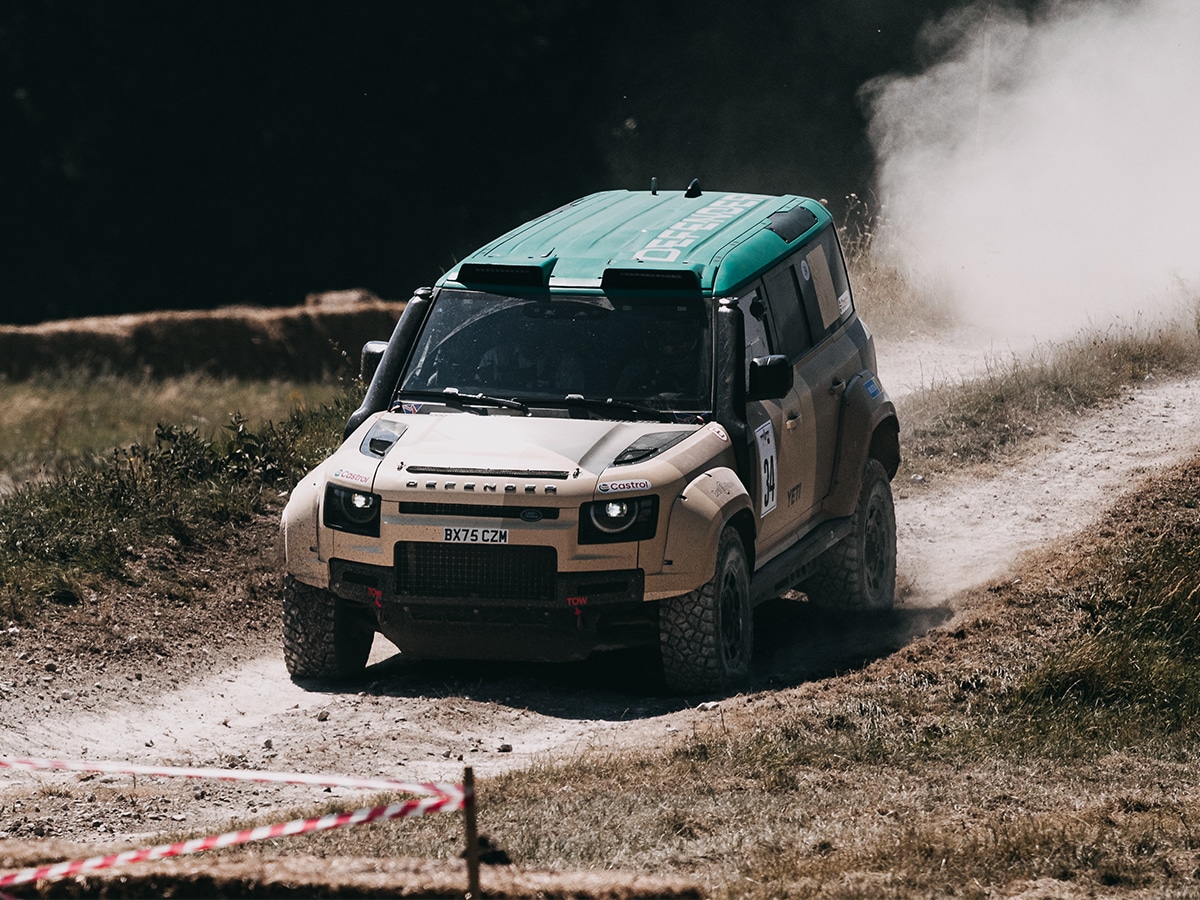
The Goodwood off-road course is characterized by compact, high-intensity obstacles, including artificial jumps, deep chalk ruts, and mud-slicked hairpins. During technical demonstrations, the D7X-R was piloted by Stéphane Peterhansel, providing observers with a clear view of the vehicle’s "Flight Mode" software and BILSTEIN suspension in action. Observers noted the vehicle’s ability to maintain forward momentum immediately upon landing from high-speed crests, a direct result of the mid-air torque recalibration. The 6-piston front and 4-piston rear rally brakes were also highlighted, showing the vehicle’s capacity to scrub speed rapidly on loose surfaces to set up for tight cornering.
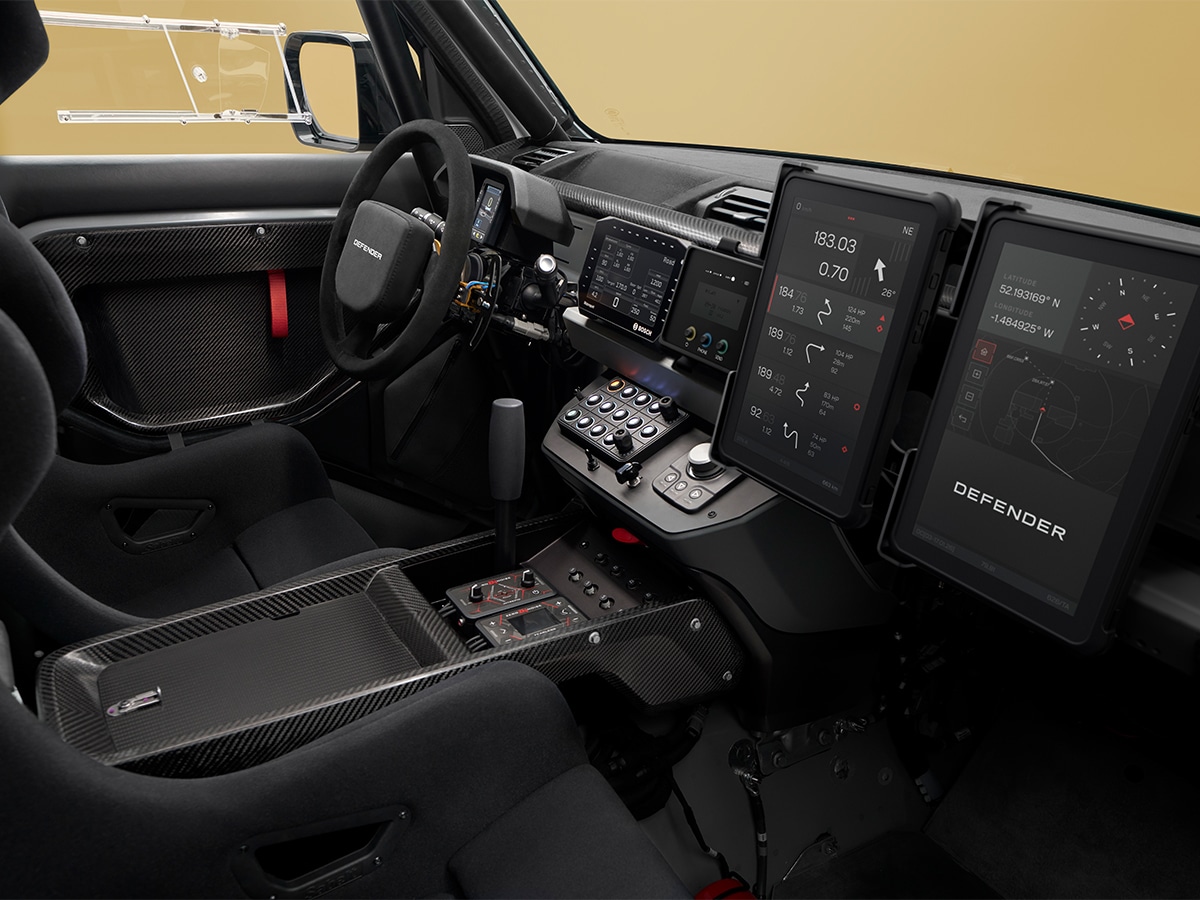
Interior Ergonomics and Safety Infrastructure
The cabin of the D7X-R is a stark departure from the luxury-oriented interior of the consumer Defender. It is a functional environment designed for survival and precision navigation.
- Safety Cell: The interior is dominated by a full FIA-specification roll cage, which provides structural reinforcement and crew protection in the event of a high-speed rollover.
- Seating: Custom-molded bucket seats with six-point harnesses secure the driver and navigator.
- Instrumentation: The dashboard is replaced with a motorsport control display and an FIA-regulated GPS unit. A specialized head-up display (HUD) projects vital data such as compass headings and speed directly onto the windshield, allowing the driver to maintain focus on the terrain.
- Endurance Hardware: Mounted behind the seats is a 550-liter fuel cell, necessary for stages that can exceed 800 kilometers without refueling. The rear cargo area is repurposed to hold three 35-inch spare wheels, an 8-liter water supply for the crew, and integrated hydraulic jacks capable of lifting the vehicle instantly for rapid tire changes.
Despite the focus on weight reduction and utility, the D7X-R retains a high-output air conditioning system. This is not merely a comfort feature but a safety requirement, as cockpit temperatures in the Saudi Arabian desert can reach dangerous levels, leading to driver fatigue and cognitive decline.
Strategic Significance and Industry Impact
The success of the Defender Dakar D7X-R has broader implications for the automotive industry and the future of the Defender brand. By proving that a production-based aluminum monocoque can outperform traditional frame-based racers, Land Rover has challenged long-standing assumptions about SUV architecture.
Industry analysts suggest that the data gathered from the D7X-R’s campaign will likely influence the development of future "hardcore" consumer variants. The "Flight Mode" software, for instance, represents a leap in traction control technology that could eventually be adapted for high-end production off-roaders to improve safety during spirited driving on uneven surfaces.
Furthermore, the D7X-R’s reliance on sustainable fuels during the Dakar Rally serves as a high-profile proof of concept for the viability of internal combustion engines in a de-carbonizing world. As the FIA continues to push for greener motorsport, the D7X-R stands as a model for how traditional high-performance engines can meet modern environmental standards.
The D7X-R is more than just a racing vehicle; it is a testament to the engineering philosophy of the modern Defender. By taking a vehicle from the assembly line in Slovakia and placing it on the podium in Saudi Arabia, Land Rover has demonstrated a level of "out-of-the-box" capability that few other manufacturers can claim. As the program continues, the D7X-R will likely remain the gold standard for what a production-derived SUV can achieve in the world’s most unforgiving environments.



 Yuyun Lusiyani
 Joko Widodo
 Eva Lovia
 Pevita Pearce
 admin
admin