
 Lina Irawan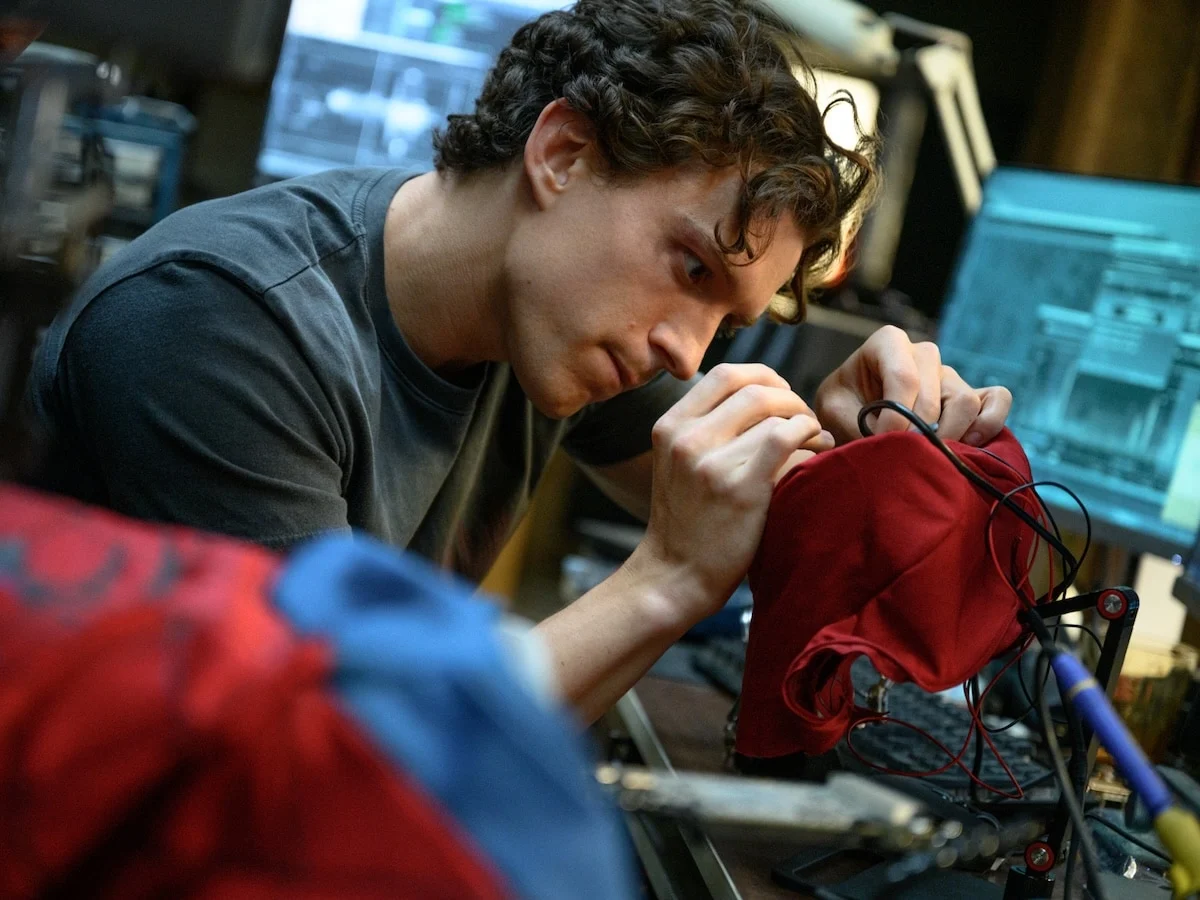
Spider-Man: Brand New Day marks a significant pivot for the Marvel Cinematic Universe as it transitions away from the multiversal stakes of the previous decade toward a more intimate, street-level narrative. Following the monumental commercial success of 2021’s Spider-Man: No Way Home, which earned USD$1.92 billion at the global box office and unified three generations of cinematic web-slingers, the pressure on director Destin Daniel Cretton to deliver a worthy successor was immense. Cretton, known for his work on Shang-Chi and the Legend of the Ten Rings and the Disney+ series Wonder Man, succeeds by resisting the urge to escalate the scale of the conflict. Instead, he delivers a film that explores the psychological and social ramifications of Peter Parker’s total isolation following the memory-wiping spell cast by Doctor Strange.
The film arrives four years after the events of No Way Home, both in the narrative timeline and in the real-world release schedule. This gap serves to emphasize the evolution of Tom Holland’s portrayal of Peter Parker. Now ten years into his tenure as the MCU’s Spider-Man—having debuted in 2016’s Captain America: Civil War—Holland has moved beyond the "junior Avenger" archetype. For the first time in the franchise’s history, the lead actor was heavily involved in the creative development of the project before a script was even finalized, ensuring that the character’s growth aligned with a more mature, independent vision.
A Narrative of Isolation and Responsibility
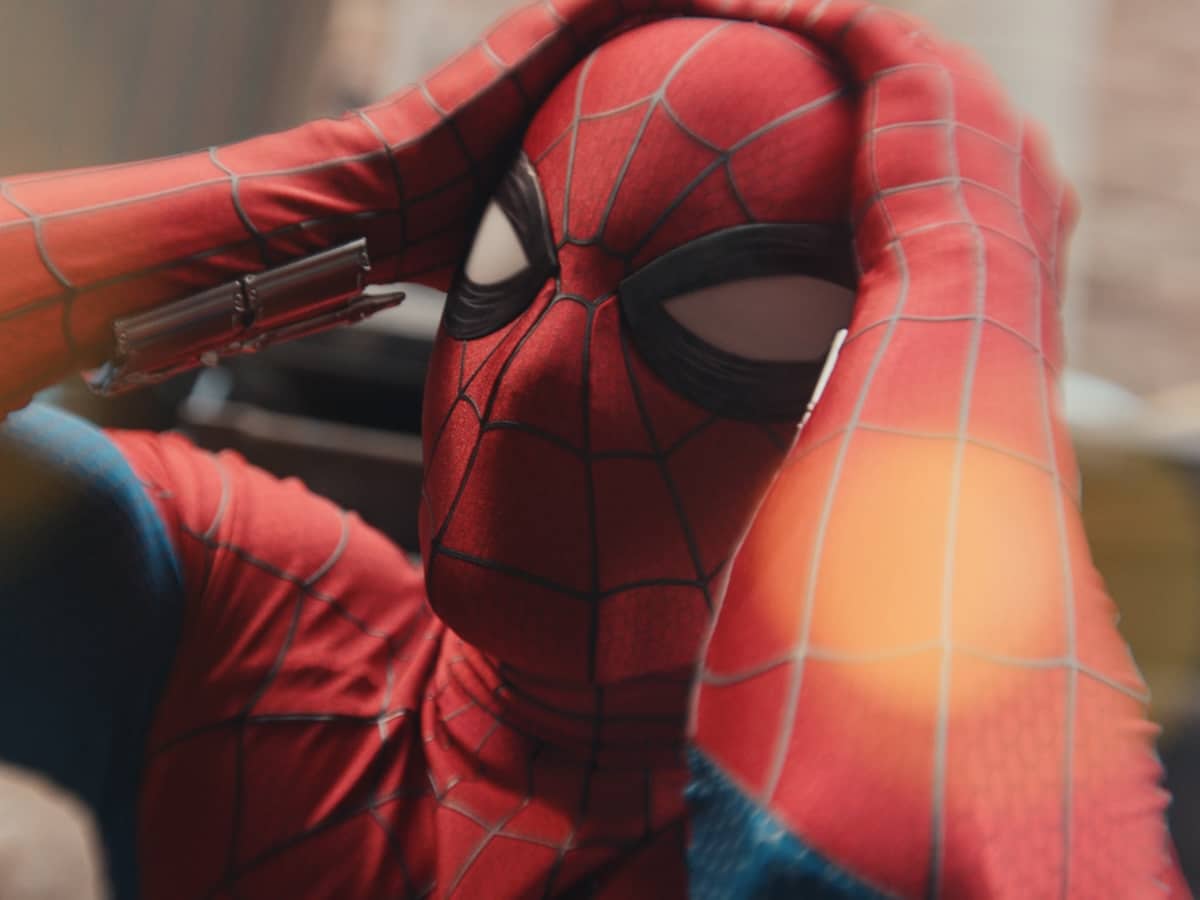
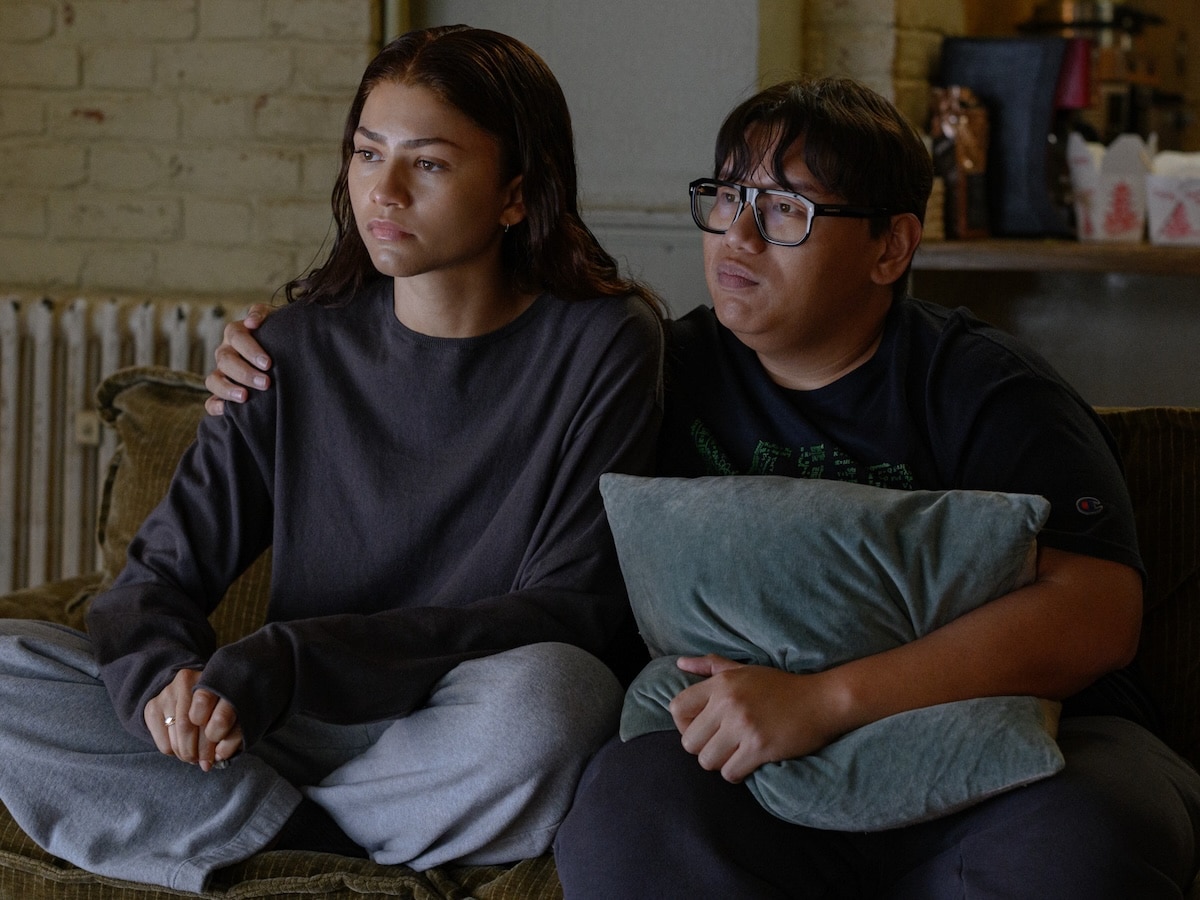
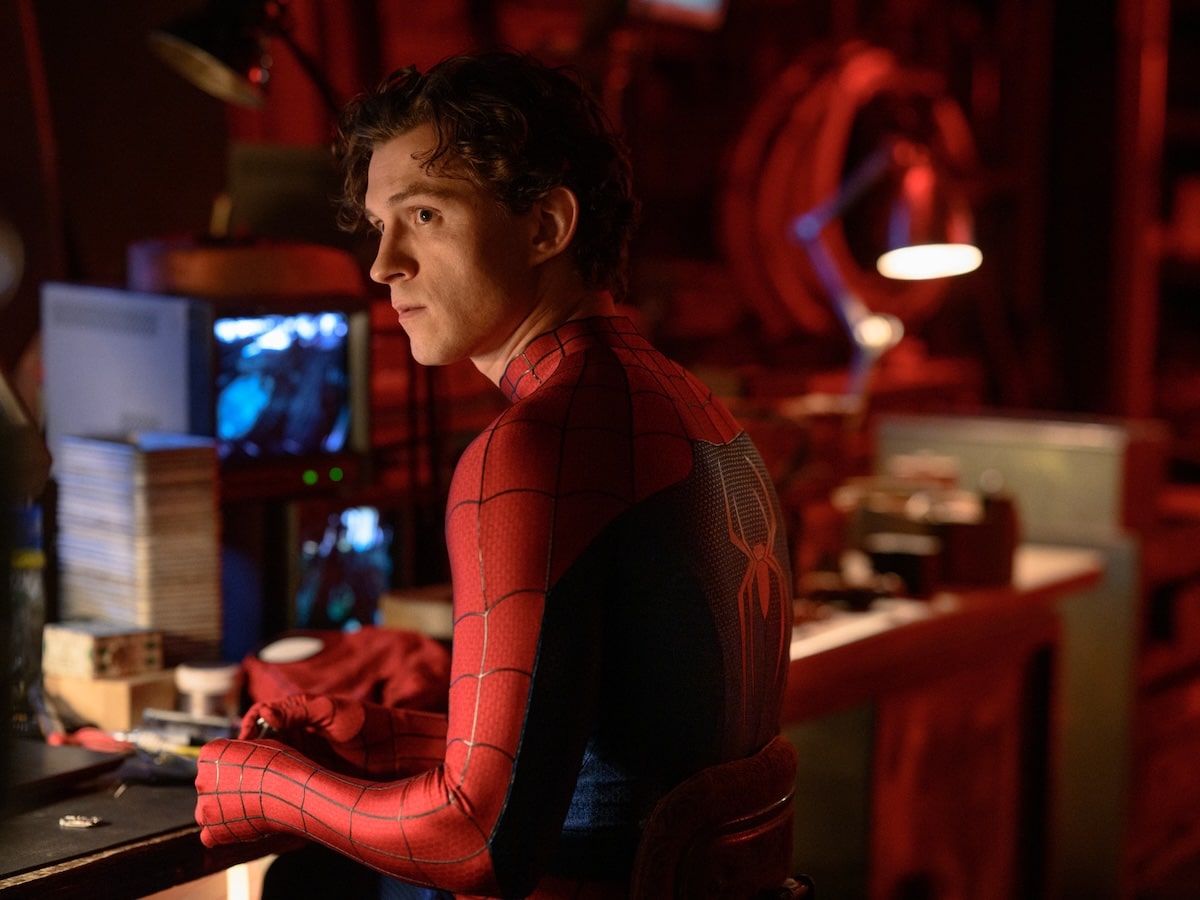
The plot of Spider-Man: Brand New Day finds Peter Parker living in a cramped New York City apartment, surviving on the fringes of a society that has no memory of his existence. The emotional core of the film rests on the tragic irony of Peter’s success: he saved the multiverse, but in doing so, he lost his support system. The film frequently depicts Peter observing his former best friend, Ned Leeds (Jacob Batalon), and the love of his life, MJ (Zendaya), through the detached lens of social media. This creative choice highlights a modern form of loneliness, where the protagonist is a ghost in his own life, watching his friends thrive at MIT while he struggles to navigate the burdens of adulthood alone.
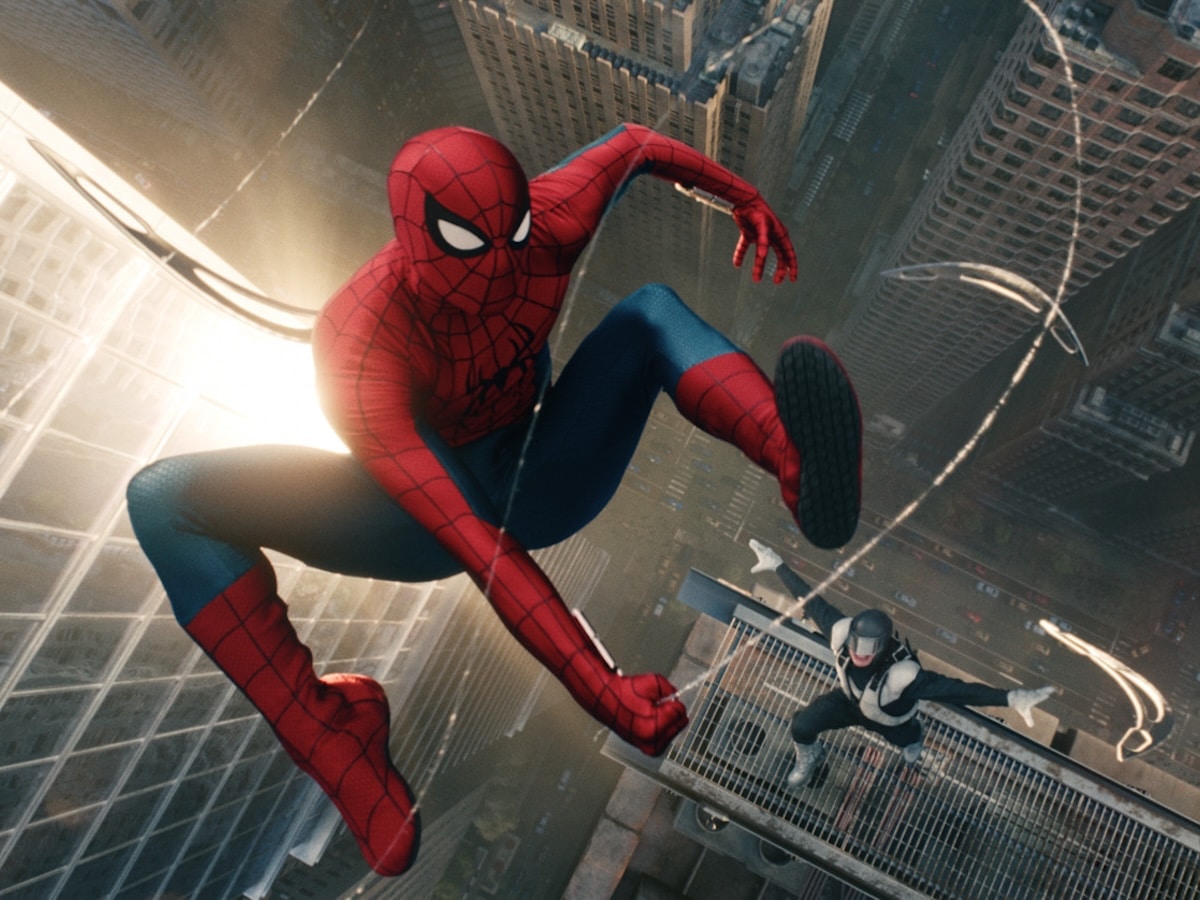
Narratively, the film eschews world-ending threats for a series of localized conflicts. Peter faces off against a rotation of classic comic book antagonists, including Scorpion, Tombstone, Boomerang, and Tarantula. These villains represent the "friendly neighborhood" aspect of the character that was often overshadowed by the intergalactic threats of the Infinity Saga. By focusing on organized crime and street-level vigilantism, Cretton grounds the film in a gritty reality that mirrors the early 2000s era of Marvel storytelling while maintaining the visual polish of the modern MCU.
Chronology of the MCU Spider-Man Franchise
To understand the weight of Brand New Day, it is essential to review the decade-long journey that led to this installment:

- 2016: Captain America: Civil War – Peter Parker is recruited by Tony Stark, introducing a high-tech, mentored version of the character.
- 2017: Spider-Man: Homecoming – The "Home" trilogy begins, focusing on Peter’s desire to prove himself to the Avengers while battling the Vulture.
- 2018-2019: Avengers: Infinity War and Endgame – Peter faces cosmic stakes, dies in "The Snap," and is resurrected five years later, losing his mentor, Tony Stark.
- 2019: Spider-Man: Far From Home – Peter deals with the legacy of Iron Man and the exposure of his secret identity by Mysterio.
- 2021: Spider-Man: No Way Home – The multiverse collapses, leading to a team-up with Tobey Maguire and Andrew Garfield. The film ends with Peter requesting a spell to make the world forget him to save reality.
- 2026: Spider-Man: Brand New Day – Peter begins a new chapter as a completely independent hero, lacking Stark technology and familial ties.
This chronology illustrates a "deconstruction" of the character. While most superhero arcs involve the acquisition of resources and allies, Peter Parker’s MCU journey has been one of systematic loss, stripping away his mentors, his technology, his family, and finally his identity. Brand New Day serves as the first step in his reconstruction.
The Punisher and the Expansion of the Street-Level MCU
One of the most significant developments in Brand New Day is the big-screen debut of Jon Bernthal’s Frank Castle, also known as The Punisher. Bernthal previously portrayed the character to critical acclaim in the Marvel-Netflix series Daredevil and The Punisher. His inclusion in this film signals a broader strategy by Marvel Studios to integrate the more "mature" elements of the Defenders-era stories into the primary cinematic continuity.
The dynamic between Spider-Man and The Punisher provides a philosophical foil for Peter Parker. While Peter is grappling with his "no-kill" rule and the moral weight of his powers, Castle represents a dark mirror of vigilante justice. This interaction allows the film to explore the ethics of heroism in a way that previous MCU Spider-Man films, which often leaned into lighthearted coming-of-age tropes, did not. Industry analysts suggest that this pairing is a precursor to a more interconnected street-level universe that will include upcoming projects featuring Daredevil and Kingpin.
Production Analysis and the "Parker Problem"
Despite the film’s narrative strengths, it has faced minor critiques regarding its portrayal of Peter’s daily life—often referred to by fans as the "Parker Problem." In the source material, Peter’s financial instability is a defining trait. While Brand New Day attempts to address this by showing his isolation, some critics have pointed out inconsistencies in his lifestyle. For instance, the film depicts Peter using high-end technology and living in Manhattan, yet fails to clearly establish how he generates income without the support of Stark Industries or a traditional job.
Furthermore, the film’s product placement has drawn some attention, including a cameo of Bero, Tom Holland’s actual non-alcoholic beer brand. While a savvy marketing move, some viewers noted it felt slightly at odds with the film’s attempt to portray Peter as a struggling Everyman. Additionally, local New York audiences pointed out a humorous geographical lapse: Peter is seen ordering Little Caesars pizza, a choice rarely made by New Yorkers who have access to the city’s iconic independent pizzerias.
Market Context and Financial Implications
The release of Brand New Day is a critical litmus test for the viability of the MCU’s Phase 6. Following a period of "superhero fatigue" and mixed critical receptions for several Phase 5 projects, Marvel Studios has pivoted toward quality over quantity. The success of Thunderbolts* earlier in the year provided a blueprint for more grounded, character-driven films, and Brand New Day follows that trajectory.
From a business perspective, the Spider-Man franchise remains the "crown jewel" of the Sony-Disney partnership. With a production budget estimated at USD$200 million, the film is projected to be one of the highest-grossing titles of 2026. Sony Pictures, which holds the film rights to the character, continues to benefit from the MCU integration, while Disney benefits from the merchandising and the character’s role in larger crossover events.
Official Responses and Creative Vision
In promotional interviews, director Destin Daniel Cretton emphasized his desire to return to the character’s roots. "We wanted to see what happens when Peter Parker has nothing left but his suit and his conscience," Cretton stated during the film’s press junket. "This isn’t a story about saving the world; it’s a story about Peter saving himself from disappearing entirely."
Tom Holland has echoed these sentiments, noting that this film feels like a "graduation." Having played the character for a decade, Holland’s performance in Brand New Day is noted for its restrained melancholy. Sources close to the production indicate that Holland’s contract for this new trilogy includes significant creative input, reflecting his status as one of the most bankable stars in Hollywood.
Broader Impact and Future Outlook
The conclusion of Brand New Day leaves Peter Parker in a position of quiet resilience. While the film’s post-credit scene offers a brief, tantalizing nod toward Avengers: Secret Wars, the movie largely stands on its own as a character study. By lowering the stakes, the filmmakers have paradoxically raised the emotional investment for the audience.
The film’s four-star reception suggests that audiences are still hungry for superhero stories, provided they are rooted in human experience rather than just spectacle. As the MCU moves toward its next major crossover event, Brand New Day serves as a reminder that the most powerful stories in the genre are often the ones that happen in the shadows of the skyscrapers, rather than above them. The "Brand New Day" for Spider-Man is not just a title; it is a recalibration of the world’s most famous wall-crawler for a new, more cynical, but ultimately more hopeful era of cinema.




 Yuyun Lusiyani
 Joko Widodo
 Eva Lovia
 Pevita Pearce
 admin
admin