
 admin
admin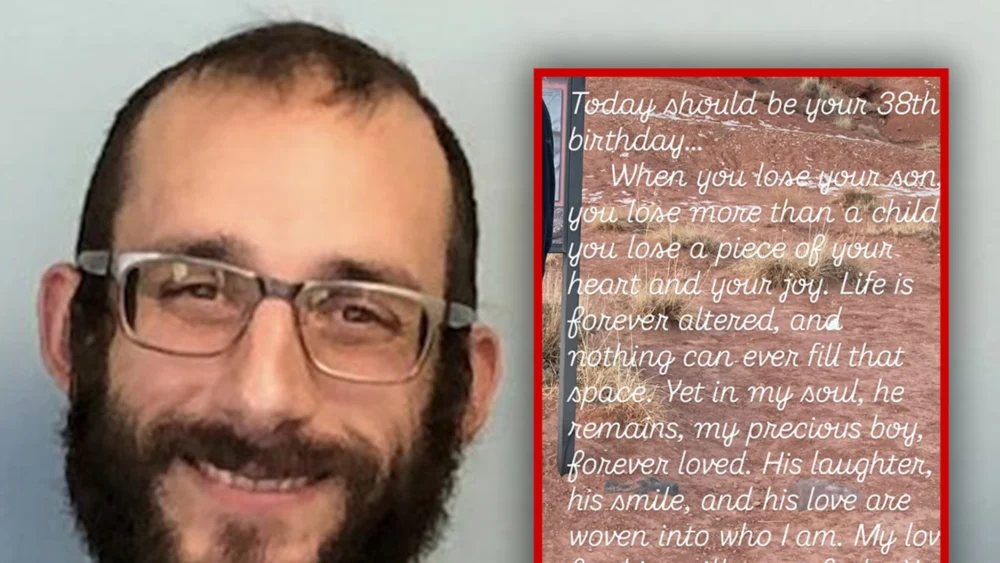
The profound sorrow of a mother’s grief echoed across social media platforms on Sunday, March 1, 2026, as the mother of Alex Pretti, a Minneapolis ICU nurse, shared a poignant tribute on what would have been his 38th birthday. Her heartbreaking message came just over a month after Pretti was tragically shot and killed during a chaotic immigration enforcement operation in Minneapolis, an incident that has since sparked widespread outrage, calls for transparency, and an ongoing federal investigation. The digital eulogy served as a stark reminder of the deeply personal toll taken by an event that has ignited a broader national conversation on federal law enforcement tactics and accountability.
A Mother’s Enduring Grief: The Instagram Tribute
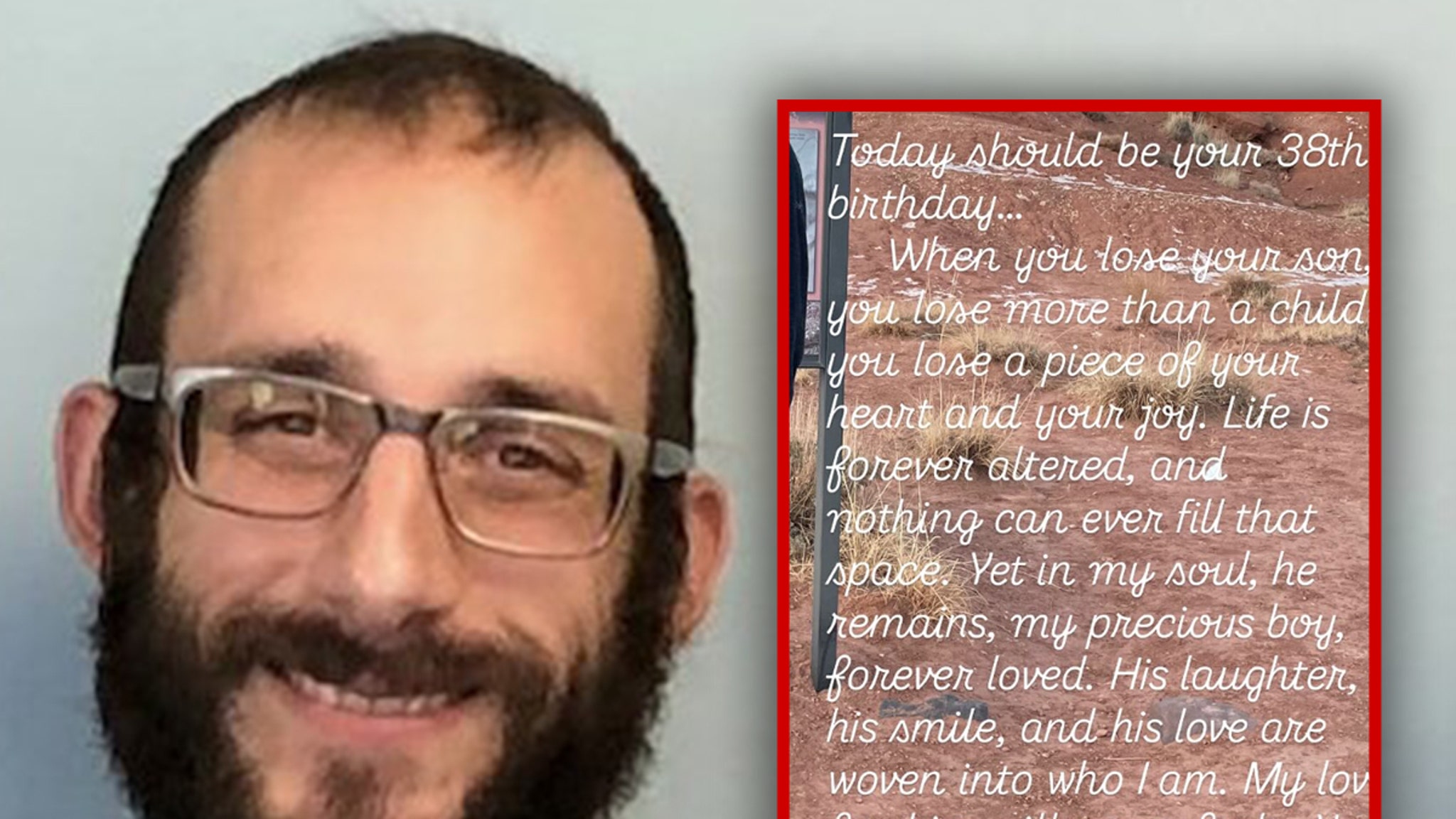
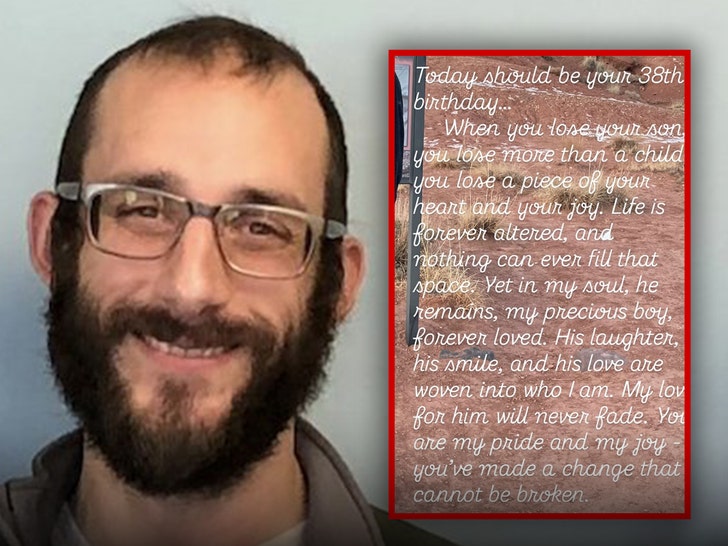
Pretti’s mother, whose identity has been withheld for privacy, posted a touching photograph of her son to Instagram. The image depicted a smiling Alex Pretti, radiating warmth and vitality, set against a backdrop of a rugged, rocky desert landscape, a testament to his adventurous spirit and love for the outdoors. The accompanying caption was an outpouring of raw, unvarnished grief, capturing the universal pain of parental loss. "When you lose a child, you lose more than just a child," she wrote, her words heavy with the weight of unimaginable sorrow. "You lose a piece of your heart and part of your future." This sentiment resonated deeply with countless followers, many of whom offered condolences and shared their own experiences of loss, highlighting the unifying power of shared human suffering.
She further articulated the indelible mark her son had left on her life, affirming that his laughter, his radiant smile, and his boundless love would remain with her forever. She affectionately referred to him as her "precious boy," a beloved child whose memory, she vowed, would never fade from her soul. The tribute was not merely a private expression of sorrow; it was a public declaration of enduring love and a poignant testament to a life cut short, drawing collective empathy and refocusing attention on the controversial circumstances surrounding his untimely death. In an era where social media often serves as a primary avenue for expressing grief and seeking communal support, her post became a powerful symbol of remembrance and a silent plea for justice.
The Fatal Encounter: A Recapitulation of Events
The incident that claimed Alex Pretti’s life occurred in late January 2026, roughly five weeks prior to his birthday tribute. Details released by authorities described a "chaotic immigration enforcement operation" in Minneapolis, during which federal agents were conducting what officials termed a "targeted action." However, the precise nature of this "targeted action" and Pretti’s alleged involvement or proximity to it remains a central point of contention and the focus of the ongoing investigation.
The January Incident in Minneapolis
Initial reports from the scene painted a picture of a rapidly escalating situation. Gunfire erupted during the operation, leading to the fatal shooting of Pretti. The involvement of federal agents, though not explicitly identified by agency at the outset, immediately raised questions about jurisdiction, protocols for engagement, and the use of lethal force. The fact that Pretti was a dedicated Intensive Care Unit (ICU) nurse at a local Minneapolis hospital added a layer of tragic irony to the event. In a profession dedicated to saving lives and providing compassionate care, Pretti’s own life was abruptly ended under circumstances that many found bewildering and unacceptable. His role as a healthcare professional underscored his value to the community, making his loss even more keenly felt.
Conflicting Narratives and Early Reactions
From the moment the news broke, conflicting narratives began to emerge. Authorities, while providing limited details due to the ongoing investigation, maintained that the shooting occurred during a "tense confrontation." This phrasing suggested a scenario where agents felt threatened or were forced to respond to an perceived danger. However, Pretti’s family and a growing chorus of supporters vehemently disputed this characterization. They insisted, from the earliest stages, that Alex Pretti was not brandishing a weapon, nor did he pose any threat to the federal agents involved. This stark contradiction immediately fueled public skepticism and calls for a thorough and impartial investigation, leading to protests and vigils in Minneapolis and beyond. Community leaders expressed deep concern over the perceived lack of transparency and the potential for federal overreach in local communities, particularly when it resulted in the death of an unarmed civilian.
Official Investigations and Legal Developments
The aftermath of Alex Pretti’s death saw immediate action from both local and federal investigative bodies, grappling with the complexities of the incident and the intense public scrutiny.
Hennepin County Medical Examiner’s Ruling
In early February 2026, the Hennepin County Medical Examiner delivered a significant legal development, officially ruling Alex Pretti’s death a homicide. This determination, based on forensic examination, confirmed that Pretti died from multiple gunshot wounds. It is crucial to understand that a "homicide" ruling by a medical examiner designates the manner of death as having been caused by another person, but it does not, in itself, imply criminal intent or guilt. Instead, it provides a factual classification of how the death occurred, setting the stage for potential criminal or civil proceedings depending on the findings of subsequent investigations. The confirmation of multiple gunshot wounds further intensified questions about the extent of force used and whether it was proportionate to any perceived threat.
Federal Review and Calls for Transparency
Following the incident, federal investigators were immediately dispatched to review the circumstances surrounding the shooting. While the specific federal agency conducting the primary investigation was not publicly identified in the initial reports, such cases typically involve internal affairs units of the agencies involved (e.g., Homeland Security Investigations if ICE agents were present, or other federal law enforcement agencies) and potentially the FBI if civil rights violations are suspected. These investigations are often complex, involving witness interviews, forensic analysis of the scene, ballistics reports, and a review of agent protocols and training.
The federal review, however, has been met with persistent demands for transparency from Pretti’s family, local officials, and various civil rights and immigrant advocacy groups. These groups have called for the release of all available evidence, including body camera footage (if any agents were equipped), operational plans, and internal reports. They have also advocated for an independent oversight mechanism, arguing that internal investigations, while necessary, may not always satisfy the public’s demand for unbiased accountability. The lack of immediate, comprehensive public information has contributed to a climate of distrust and fueled speculation, underscoring the critical need for clear and consistent communication from authorities during such sensitive inquiries.
The Broader Context: Immigration Enforcement and Community Relations
Alex Pretti’s death did not occur in a vacuum; it is situated within a contentious national debate about the scope, methods, and oversight of federal immigration enforcement. The incident in Minneapolis brought into sharp focus long-standing concerns about these operations, particularly when conducted in urban environments.
Scrutiny of Federal Operations
Federal immigration enforcement agencies, primarily U.S. Immigration and Customs Enforcement (ICE) and its investigative arm, Homeland Security Investigations (HSI), operate under a mandate to enforce immigration laws. However, their tactics, particularly in recent years, have come under increasing scrutiny from civil liberties advocates, human rights organizations, and a segment of the public. Concerns frequently raised include the potential for collateral arrests, the use of aggressive tactics in residential areas, and instances where non-targets are inadvertently caught in operations. The perceived lack of accountability when incidents involving force or civilian casualties occur has further exacerbated these tensions. Data on such incidents, while often difficult to consolidate across various federal agencies, suggests a persistent pattern of confrontations that can escalate unpredictably, leading to tragic outcomes. Critics argue that a more community-centric approach, with greater transparency and collaboration with local law enforcement, could mitigate risks and build trust, rather than erode it.
Minneapolis and Community Dynamics
Minneapolis, like many diverse American cities, has a significant immigrant population and a vibrant community of advocates for immigrant rights. The city has often been at the forefront of discussions regarding local cooperation with federal immigration authorities. While not officially a "sanctuary city" in the strictest legal sense, Minneapolis has policies designed to limit local law enforcement’s involvement in federal immigration matters, fostering a sense of relative safety for immigrant communities. This local context makes the fatal shooting during a federal immigration enforcement operation particularly sensitive. The incident not only traumatized Pretti’s family but also sent ripples of fear and concern through the broader community, particularly among immigrant residents who may already harbor anxieties about interactions with federal agents. The incident threatened to unravel years of efforts to build trust between law enforcement and diverse communities, raising questions about how federal operations respect or disregard local community values and policies.
Voices of Advocacy and Demands for Accountability
The tragic death of Alex Pretti quickly galvanized local and national advocacy groups, transforming a personal tragedy into a rallying cry for systemic change and justice. Protests and vigils, some organized spontaneously in the immediate aftermath of the shooting, others meticulously planned, became regular occurrences in Minneapolis. Participants carried signs demanding "Justice for Alex Pretti," "Transparency Now," and "Stop Federal Overreach." These gatherings served as powerful demonstrations of community solidarity and collective outrage.
Civil rights organizations, including prominent national groups and local chapters, issued strong statements condemning the circumstances of Pretti’s death and calling for a comprehensive, independent investigation. They highlighted the recurring pattern of incidents involving federal agents and civilians, often with disproportionate impacts on communities of color and immigrant populations. Immigrant advocacy groups specifically underscored the need for revised protocols for federal enforcement operations, emphasizing de-escalation tactics, clear identification of agents, and strict limitations on the use of lethal force, especially when targeting individuals who are not deemed an immediate threat to public safety. They argued that the existing framework often prioritizes enforcement over the safety and well-being of community members, leading to avoidable tragedies like Pretti’s. These groups have also committed to supporting Pretti’s family in their pursuit of answers and accountability, offering legal counsel and public relations support.
The Unanswered Questions and Future Implications

Despite the ongoing investigations and public outcry, numerous critical questions surrounding Alex Pretti’s death remain unanswered, casting a long shadow over the incident and its potential long-term ramifications.
Lingering Questions
The precise sequence of events leading up to the fatal shots is still shrouded in conflicting accounts. What specific actions, if any, did Alex Pretti take? What was the immediate threat perceived by the federal agents? Were warnings issued, and if so, were they clear and sufficient? What were the roles of each agent involved in the operation? Were body cameras activated, and will the footage, if it exists, be made public? The answers to these questions are crucial for determining the justification for the use of lethal force and for understanding whether established protocols were followed. The identity of the shooter or shooters also remains officially undisclosed, a detail that is often withheld during active investigations but contributes to public frustration and a sense of impunity.
Potential Long-Term Impacts
The death of Alex Pretti carries significant implications that extend far beyond the immediate grief of his family. It has the potential to profoundly impact federal-local cooperation, particularly in jurisdictions that are already wary of federal immigration enforcement. The incident could lead to a further deterioration of trust between federal agencies and local communities, complicating future efforts at collaboration on issues of public safety.
From a policy perspective, Pretti’s case may reignite debates in Congress and within the Department of Homeland Security about the rules of engagement for federal agents, the necessity of militarized tactics in civilian areas, and the extent of oversight and accountability for federal operations. There could be renewed calls for legislative reforms to establish clearer guidelines and independent review mechanisms for such incidents.
Legally, the Hennepin County Medical Examiner’s homicide ruling paves the way for potential legal recourse for the family. Depending on the outcome of the federal investigation, civil lawsuits for wrongful death against the involved agencies or individual agents could be pursued. Criminal charges, though less common in cases involving federal agents, cannot be entirely ruled out if evidence suggests a violation of law or excessive force.
Most importantly, the ongoing emotional toll on Pretti’s family and the Minneapolis community cannot be overstated. His memory will likely serve as a powerful catalyst for continued dialogue on the balance between national security interests and individual civil liberties, and the imperative for transparency and justice in all interactions between government and its citizens.
Alex Pretti’s 38th birthday, marked by his mother’s profound tribute, serves not only as a day of remembrance for a life tragically lost but also as a stark reminder of the urgent need for answers, accountability, and meaningful reform in the realm of federal law enforcement. The pursuit of justice for Alex Pretti is inextricably linked to the broader quest for a more equitable and transparent system for all.



 Yuyun Lusiyani
 Joko Widodo
 Eva Lovia
 Pevita Pearce

 Lina Irawan