
 Lina Irawan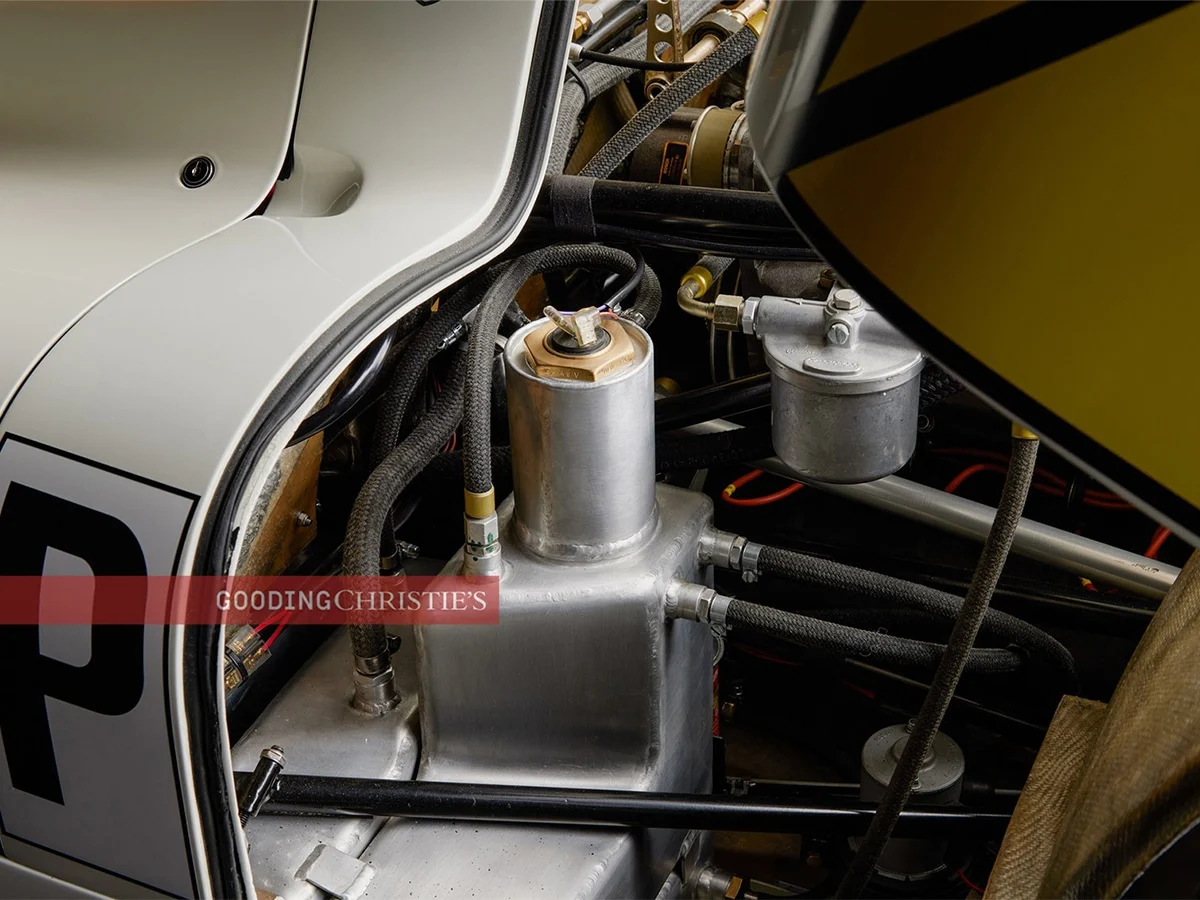
The automotive world is preparing for a landmark event this August as Gooding & Company announces the offering of one of the most significant competition cars in Porsche’s history. The 1968 Porsche 907 Langheck, identified as chassis 907-005, is scheduled to cross the auction block during the Pebble Beach Auctions. Sourced from the private collection of comedian and renowned Porsche connoisseur Jerry Seinfeld, the vehicle carries a pre-sale estimate of $4,500,000 to $5,500,000. This particular chassis holds the distinction of being the first factory-entered race car from Stuttgart to achieve an overall victory in a 24-hour endurance race, a feat that fundamentally altered the trajectory of Porsche’s motorsport ambitions.
As one of only two surviving examples of the long-tail "Langheck" configuration, chassis 907-005 represents a pinnacle of the Ferdinand Piëch era of engineering. Following an exhaustive 10-year restoration process aimed at returning the vehicle to its exact 1968 Daytona-winning specification, the car stands as a museum-quality testament to the period when Porsche transitioned from a manufacturer of class-winning small-displacement cars to a dominant force in overall international endurance racing.
The Genesis of the 907: Ferdinand Piëch’s Vision
To understand the significance of chassis 907-005, one must examine the internal shift at Porsche during the late 1960s. Under the technical leadership of Ferdinand Piëch, the grandson of Ferdinand Porsche, the racing department moved away from the "Index of Performance" philosophy—which favored efficiency and class wins—toward a single-minded pursuit of outright victories at the world’s most prestigious tracks.
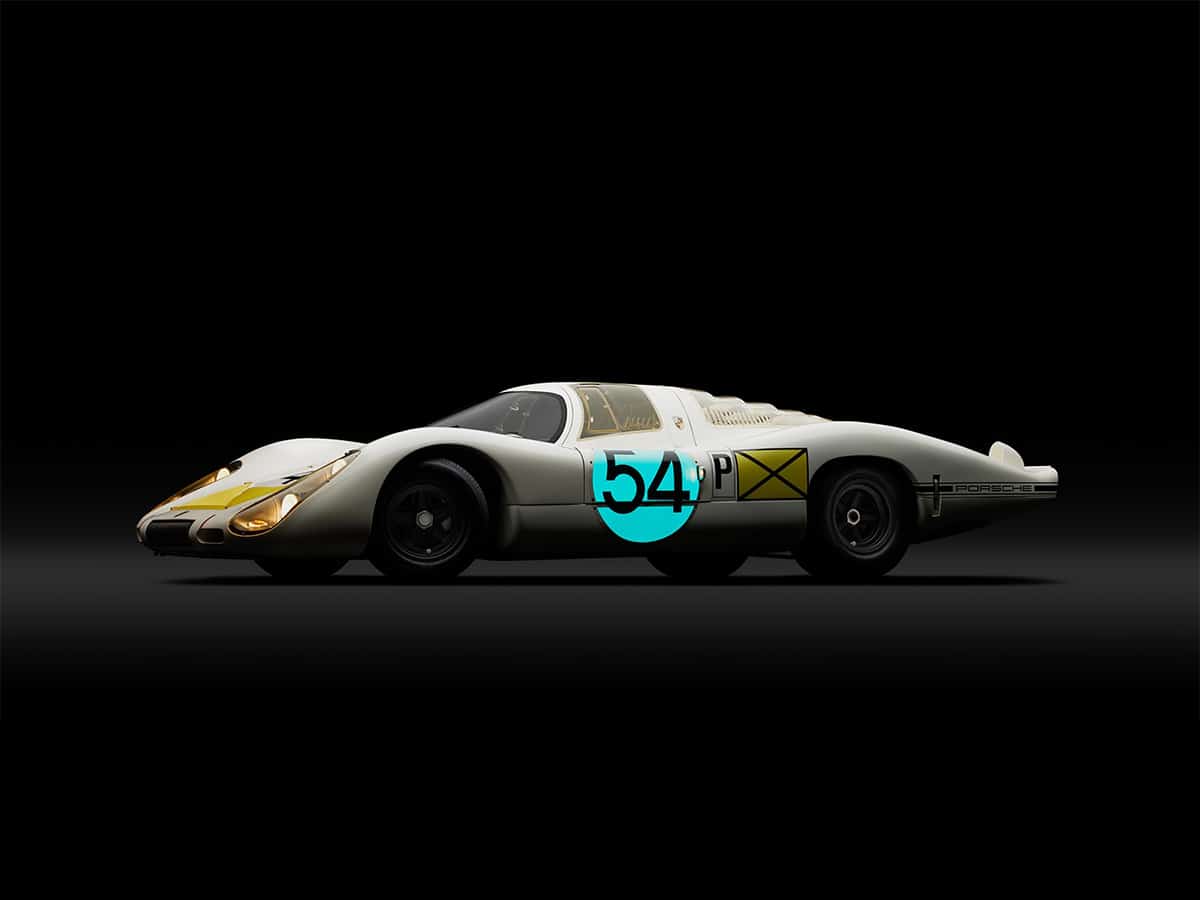
The Type 907 was the direct result of this shift. It was developed as an evolution of the 910, but with a radical focus on aerodynamic efficiency. The "Langheck" or "Longtail" bodywork was designed specifically for high-speed circuits like Daytona and Le Mans. Utilizing primitive but effective wind tunnel testing, Porsche engineers achieved a drag coefficient of just 0.27 Cd. This represented a 25 percent reduction in drag compared to its predecessor, allowing the car to reach speeds exceeding 190 mph despite its relatively modest engine displacement.
The 907 was also the first Porsche race car to utilize a right-hand-drive layout. This was not a nod to British markets but a calculated engineering decision; most international race circuits run clockwise, and placing the driver on the right offered better weight distribution and a superior line of sight through right-hand corners.
Technical Specifications and Engineering Excellence
At the heart of chassis 907-005 lies the Type 771 engine, a 2.2-liter, four-cam, air-cooled flat-eight. This powerplant was a derivative of Porsche’s Formula 1 program, engineered by legendary figures Hans Mezger and Hans Hönick. The engine was designed to be both lightweight and incredibly durable, capable of sustained high-RPM operation for 24 consecutive hours.
The technical data for the vehicle illustrates the extreme measures taken to ensure performance:

- Engine: 2.2-liter Type 771 Flat-8
- Power Output: Approximately 270 hp at 9,000 rpm
- Weight: A mere 1,320 lbs (approx. 599 kg)
- Chassis: Tubular spaceframe with a fiberglass body
- Aerodynamics: 0.27 Cd drag coefficient
- Suspension: Independent front and rear with coil springs and shock absorbers
The vehicle’s featherweight status was achieved through the extensive use of exotic materials, including titanium and magnesium, which were revolutionary for the era. Every component was scrutinized for weight savings, a hallmark of Piëch’s obsessive engineering style.
The 1968 24 Hours of Daytona: A Historic Triumph
The competitive peak of chassis 907-005 occurred in February 1968 at the 24 Hours of Daytona. Entering the race, Porsche was an underdog compared to the larger-displacement American and Italian entries. However, the 907’s reliability and aerodynamic stability proved decisive.
Driven by a rotating roster of legendary drivers—Vic Elford, Jochen Neerpasch, and Rolf Stommelen, with late-race support from Jo Siffert and Hans Herrmann—the car completed 673 laps. When the checkered flag fell, Porsche did not just win; they secured a historic 1-2-3 sweep. This victory was a watershed moment for the brand, proving that a 2.2-liter Porsche could outlast and outpace the four-liter Ferraris and seven-liter Fords of the era.
The win was so significant that it birthed the tradition of the Rolex Daytona. Vic Elford was the first overall winner to be awarded a Rolex Cosmograph Daytona watch, a tradition that continues to this day. Notably, Jerry Seinfeld acquired that very watch alongside the car, further cementing the vehicle’s provenance.
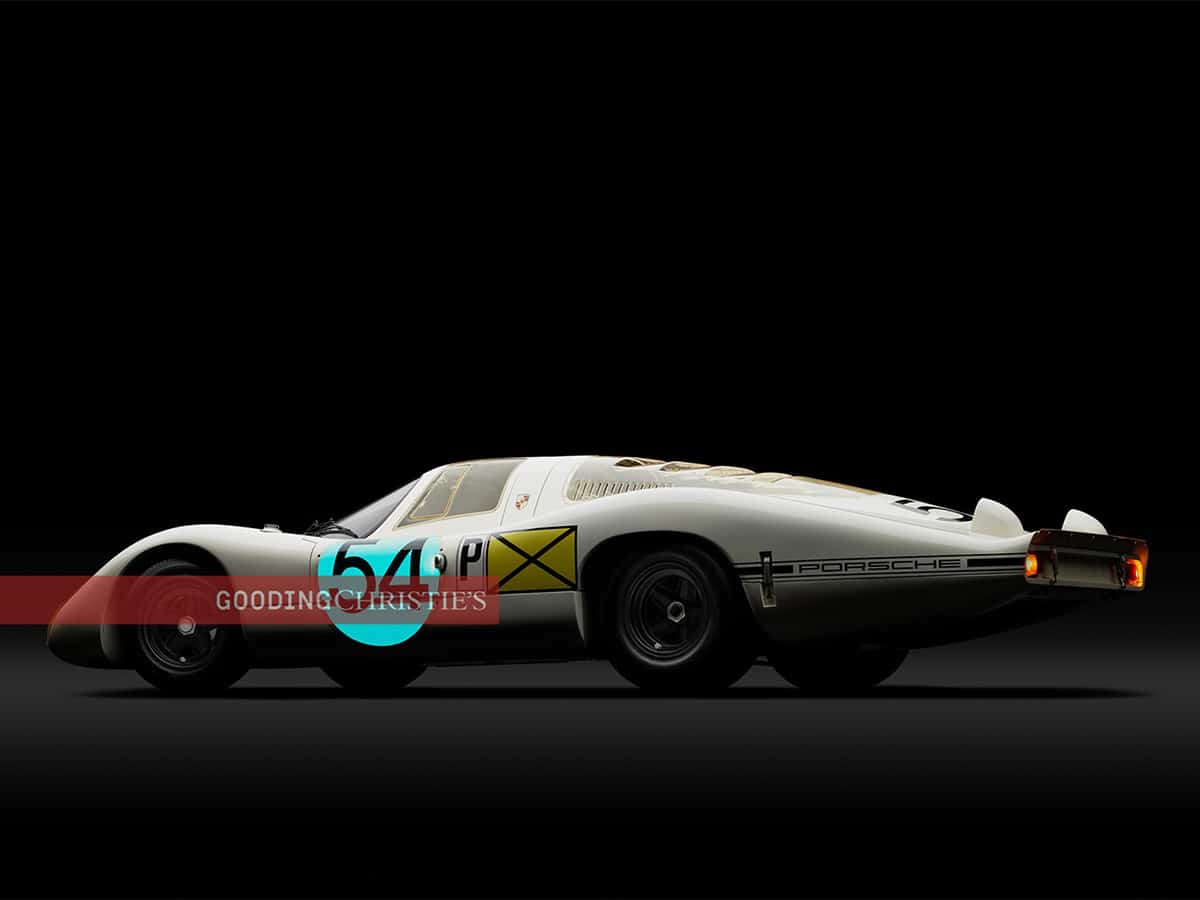
A Chronology of Ownership and Racing Pedigree
The history of chassis 907-005 is exceptionally well-documented, a rarity for race cars of this vintage which were often crashed, modified, or scrapped.
- 1968: Factory entry at Daytona (1st Overall), Monza (2nd Overall, 1st in Class), and Le Mans Test Weekend.
- 1969-1971: Continued participation in the 24 Hours of Le Mans under various entries, totaling four consecutive starts at the French classic.
- 1972: Released by Porsche to German privateer Herr Weinzierl.
- Mid-1970s: Owned by hill-climb racer Sepp Greger and later Swedish collector Sten Hillgard.
- 1980s-2000s: Acquired by SVRA founder Henry E. Payne III, who campaigned the car in American vintage racing events.
- 2010: Reunited with a period-correct Type 771 engine and transaxle in a London-based collection.
- 2014: Acquired by Jerry Seinfeld, marking the beginning of its most comprehensive restoration.
The Decade-Long Restoration: An Obsession with Accuracy
Upon acquiring the car, Seinfeld commissioned a restoration that would span a decade. The project was overseen by Joe Cavaglieri, a world-renowned authority on Porsche prototype restoration. The goal was not merely to make the car "new," but to return it to its exact configuration as it sat on the grid at Daytona in 1968.
The restoration involved correcting decades of "upgrades" and modifications. During its vintage racing years, the car had been fitted with six-cylinder engines and short-tail bodywork for better handling on tighter tracks. Cavaglieri and his team reversed these changes, sourcing or recreating components using original factory molds.
Seinfeld highlighted several period-correct quirks that were meticulously preserved:
- The Cooling System: A rear-deck "ice box" was recreated, designed to pump chilled water into the driver’s suit—a primitive but necessary form of climate control for endurance racers.
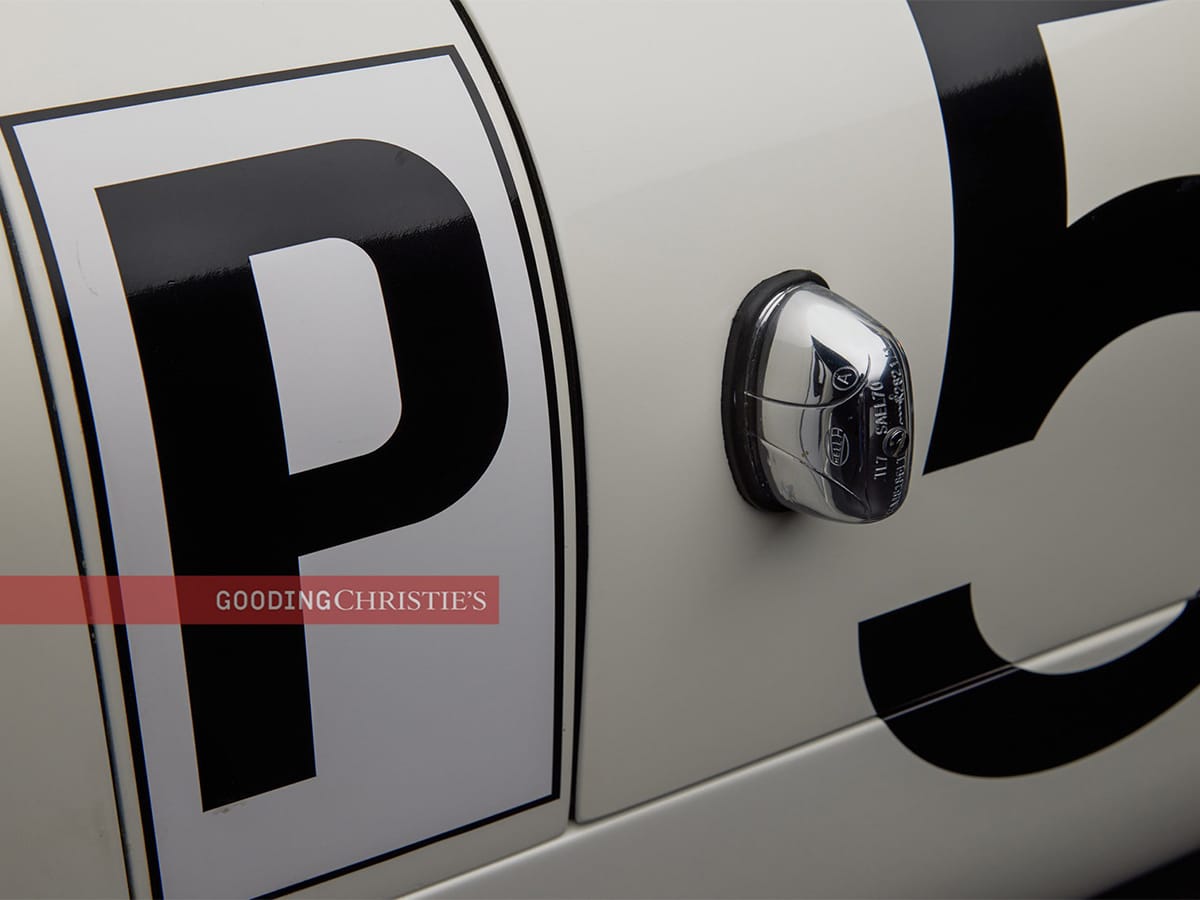
- Night Visibility: The illuminated door number panels, powered by transistor voltage circuits, were restored to ensure the car would be identifiable during the night stages of a 24-hour race.
- The "Little Hole": During the restoration, a small air intake hole in the lower bodywork was discovered in vintage photos. It was a field modification made by factory engineers in 1968 to provide a sliver of fresh air to the cramped cockpit. This was faithfully replicated.
- The Driver’s Seat: The original bucket seat remains, still bearing the hand-stenciled name of Vic Elford on the rear padding.
Mechanical work was handled by Ed Pink Racing Engines, who performed a full rebuild of the complex flat-eight engine, ensuring that the 270-horsepower unit could once again scream to its 9,000-rpm redline.
Seinfeld’s Analysis: 907 vs. 917
While the Porsche 917 is often cited as the greatest race car of all time, Seinfeld has expressed a unique preference for the 907. In discussions regarding the car’s sale, he noted that the 907 reflects a higher level of development detail. Because the 917 had to be produced in a quantity of 25 units to meet homologation rules, some aspects of its construction were rushed. In contrast, the 907 was a pure factory prototype, where every square inch was scrutinized by Piëch’s team without the pressure of mass production.
"The 907 is actually a little more interesting to me," Seinfeld remarked during an interview on Spike’s Car Radio. "They spent a lot more time developing it… I got in the car, I make my first turn, and I go, I think that was the greatest moment of my life."
Market Implications and Auction Outlook
The appearance of chassis 907-005 at auction is a significant indicator of the current state of the high-end collector market. Blue-chip Porsches with "works" (factory) racing history and undisputed provenance remain the most sought-after assets in the automotive world.
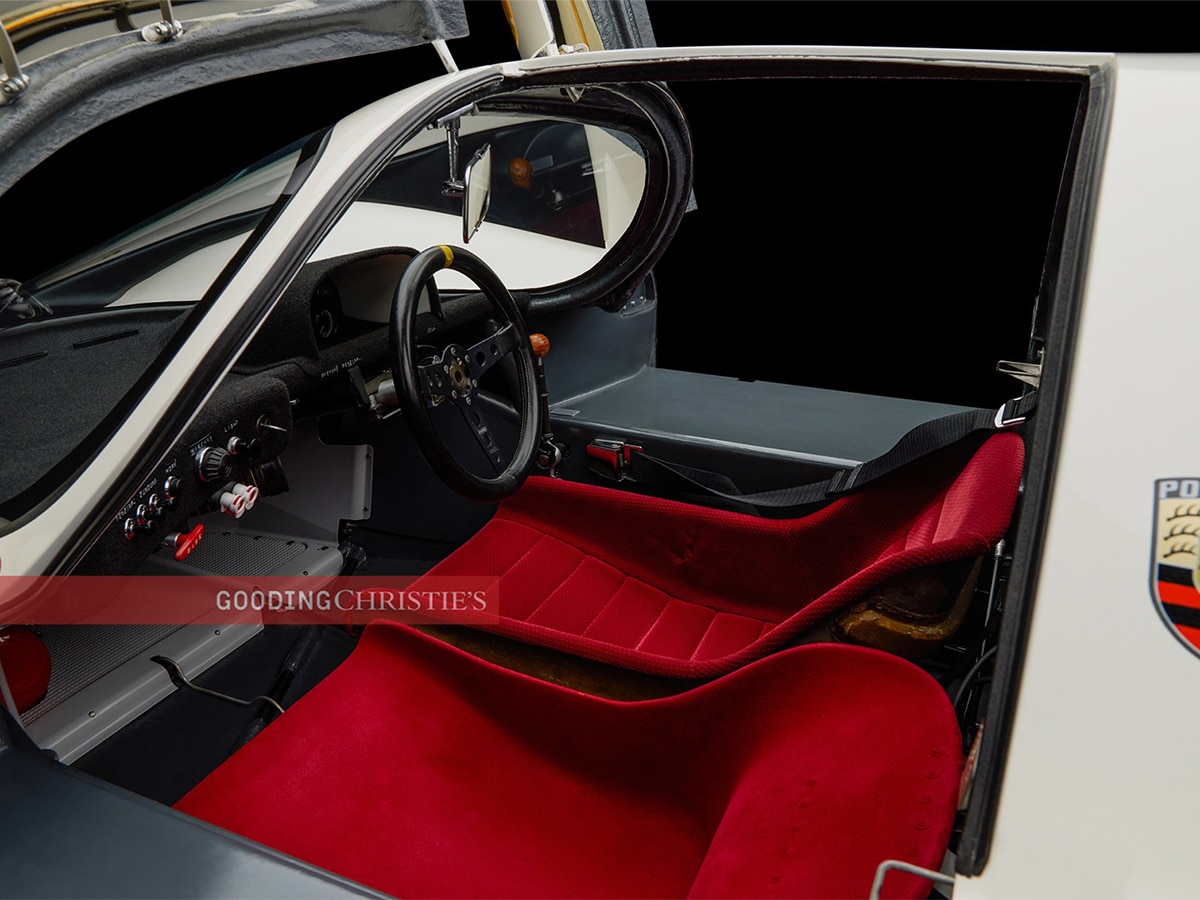
The estimate of $4.5M to $5.5M is considered conservative by some analysts, given the car’s role as the "first" 24-hour winner for the brand. In recent years, factory-campaigned Porsches from the Piëch era have consistently outperformed the broader market. The "Seinfeld factor"—the comedian’s reputation for maintaining cars to the highest possible standard—also adds a premium to the valuation.
The sale of this 907 Langheck is more than just a transaction; it is the passing of a torch for a vehicle that defined the golden age of sports-prototype racing. As the machine that paved the way for the 908, 917, 956, and 962, chassis 907-005 is a cornerstone of the Porsche legend. When it crosses the block at Pebble Beach, it will not just be selling as a car, but as a primary document of 20th-century engineering triumph.



 Yuyun Lusiyani
 Joko Widodo
 Eva Lovia
 Pevita Pearce
 admin
admin