
 Lina Irawan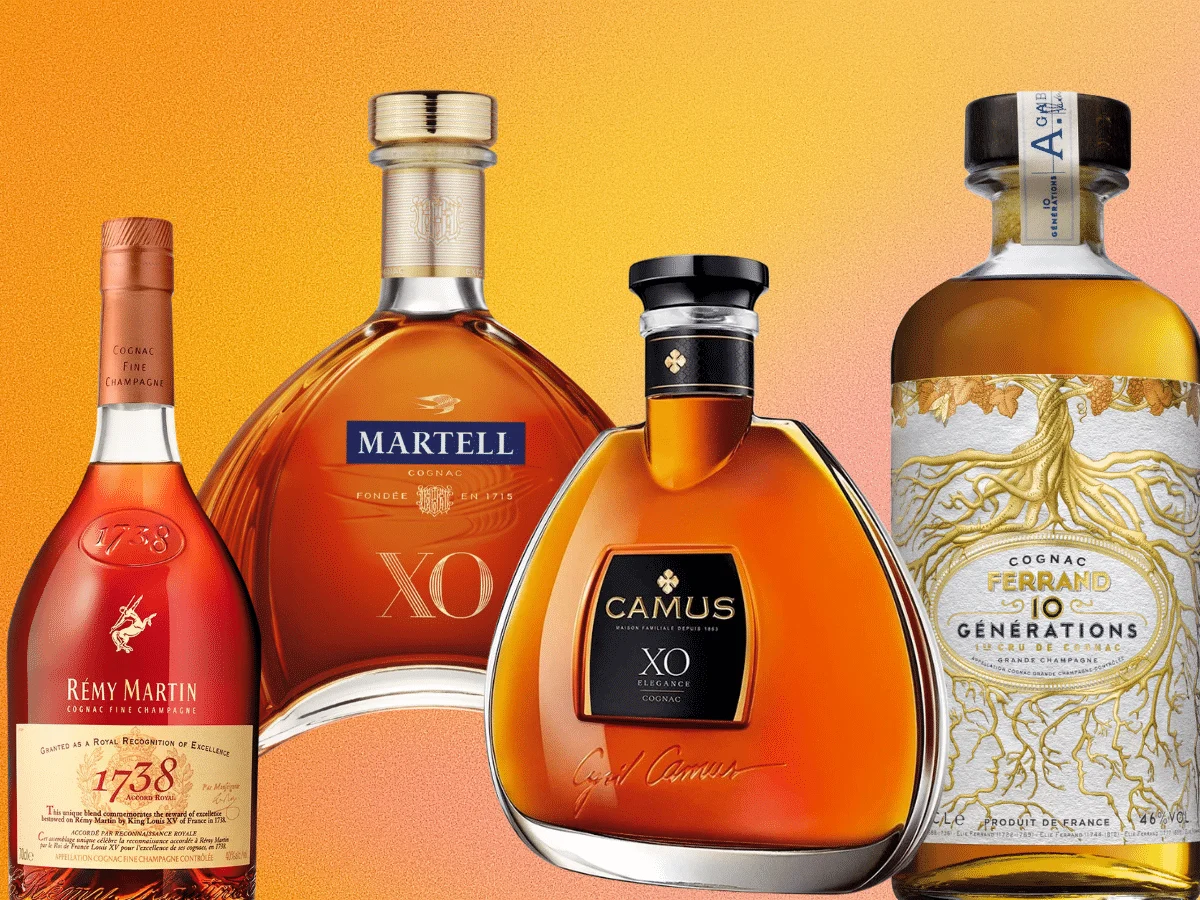
The global spirits market is currently witnessing a significant shift in consumer behavior as enthusiasts of aged grain spirits, particularly Scotch and bourbon, increasingly diversify their palates by exploring the world of Cognac. While whisky has long dominated the conversation surrounding premium aged liquors, the French grape-based brandy is gaining traction among connoisseurs who recognize the shared complexities between the two categories. Despite their different raw materials—grains for whisky and grapes for Cognac—the production methods, maturation requirements, and flavor profiles of these spirits share a common DNA that makes the transition from one to the other remarkably intuitive for the modern drinker.
Defining the Spirit: The Technical Foundations of Cognac
To understand why whisky drinkers are finding common ground with Cognac, one must first establish what the spirit is from a regulatory and geographical standpoint. Cognac is a specific type of brandy produced in the Cognac region of France, primarily within the departments of Charente and Charente-Maritime. Much like Scotch whisky or Kentucky bourbon, Cognac is protected by strict legal frameworks. In France, this is governed by the Appellation d’Origine Contrôlée (AOC), which dictates every aspect of production from the soil to the bottle.
Unlike whisky, which relies on a variety of grains such as malted barley, corn, rye, and wheat, Cognac is a product of the vine. The primary grape used is Ugni Blanc, valued for its high acidity and low alcohol content, which makes it ideal for distillation. Other permitted varieties include Folle Blanche and Colombard. The region is divided into six distinct growing areas, known as "crus," which determine the character of the spirit. The most prestigious of these are Grande Champagne and Petite Champagne, characterized by chalky soils that produce elegant, floral, and long-aging eaux-de-vie.

The distillation process also mirrors the traditional methods used in the Scotch industry. Cognac must be double-distilled in Charentais copper pot stills. This labor-intensive process results in a highly concentrated spirit that retains the essential aromatics of the fruit while preparing it for a lengthy slumber in oak.
A Chronology of Regulation and Global Expansion
The history of Cognac is marked by several pivotal moments that have shaped its current status as a luxury global commodity.
- 16th Century: Dutch traders began distilling French wine to make it easier to transport. This "burnt wine" (brandewijn) was the precursor to modern brandy.
- 17th Century: The introduction of double distillation in the Cognac region allowed for a more refined and stable spirit.
- 19th Century (The Phylloxera Crisis): A devastating aphid infestation destroyed the majority of French vineyards. This event significantly hampered Cognac production and allowed Scotch whisky to rise in global popularity as an alternative aged spirit.
- 1909 Decree: The French government officially delimited the production area for Cognac, establishing the geographical boundaries that remain in place today.
- 1936: Cognac was officially recognized as an AOC, codifying the strict production rules that ensure quality and consistency.
- 21st Century: The "Whisky Boom" has led to a renewed interest in all aged spirits, prompting Cognac houses to market more aggressively toward traditional whisky demographics.
The Science of Maturation: VS, VSOP, and XO
One of the most striking parallels between whisky and Cognac is the reliance on oak maturation to develop flavor, color, and texture. However, the nomenclature used to describe the age of Cognac can often be confusing for those accustomed to the clear age statements found on Scotch bottles.
While a bottle of Scotch might proudly display a "12-year-old" or "18-year-old" label, Cognac traditionally utilizes a grading system that signifies the age of the youngest eau-de-vie in the blend:
- VS (Very Special): The youngest spirit in the blend must be aged for at least two years in French oak. These expressions are often vibrant, fruit-forward, and suitable for cocktails.
- VSOP (Very Special Old Pale): The youngest component must be at least four years old. These spirits begin to show more wood influence, with notes of vanilla and spice.
- XO (Extra Old): As of 2018, the minimum age for the youngest eau-de-vie in an XO blend is 10 years. These are complex, sipping spirits that often contain components aged for several decades.
- XXO (Extra Extra Old): A relatively new category for spirits aged for a minimum of 14 years, representing the pinnacle of the producer’s cellar.
For the whisky drinker, an XO Cognac provides a similar sensory experience to a well-aged single malt, offering layers of "rancio"—a specific aromatic profile characterized by notes of mushroom, forest floor, and dried fruit that only develops after long-term oxidative aging.
Comparative Flavor Analysis: Grains vs. Grapes
The fundamental difference between whisky and Cognac lies in the base ingredient, which dictates the "spirituous" core of the drink. Whisky is inherently cereal-forward, often exhibiting notes of toasted bread, roasted nuts, and malted sweets. In contrast, Cognac is fundamentally fruit-driven. Even after years in wood, the essence of the grape remains, providing a vinous, floral, and orchard-fruit foundation.
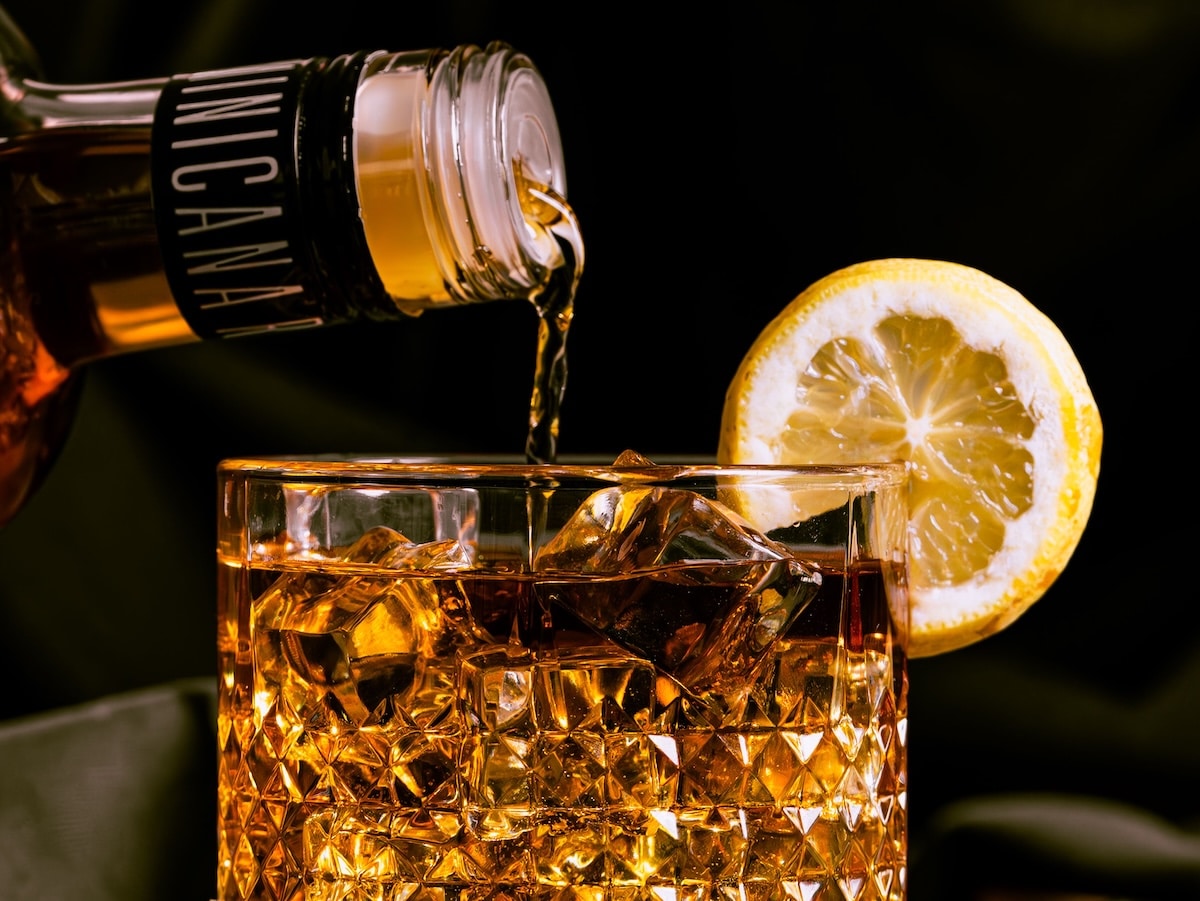
However, the commonality is found in the barrel. Both spirits rely on the extraction of lignins and tannins from the wood. Whisky drinkers who enjoy the vanilla, caramel, and baking spice notes of bourbon will find them in abundance in younger Cognacs (VS and VSOP). Conversely, fans of Sherry-casked Scotch will find the dark fruit, leather, and chocolate notes of older Cognacs (XO) to be highly familiar.
Supporting Data: The Economic Rise of Cognac
Data from the Bureau National Interprofessionnel du Cognac (BNIC) highlights the spirit’s growing dominance in the global market. In recent years, Cognac exports have reached record highs, with over 200 million bottles shipped annually to nearly 160 countries.
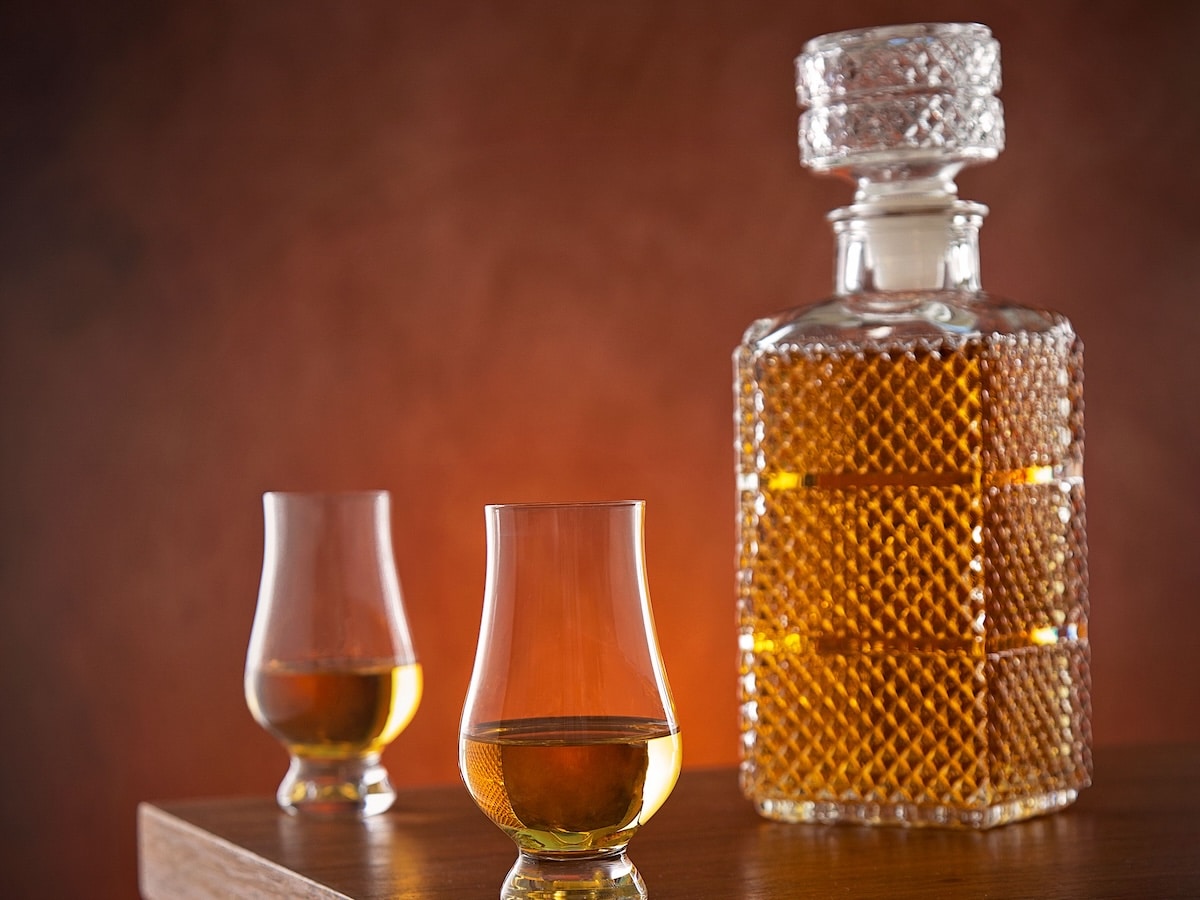
The United States remains the largest market for Cognac, driven by a deep-seated cultural connection and an increasing appetite for premium "brown spirits." Market analysis indicates that a significant portion of this growth is coming from consumers who identify as "spirits explorers"—individuals who regularly purchase high-end bourbon and Scotch. This crossover is further evidenced by the rise in "cask-finished" spirits, where Scotch is aged in Cognac barrels and vice versa, blurring the lines between the two categories.
The Role of Glassware in the Tasting Experience
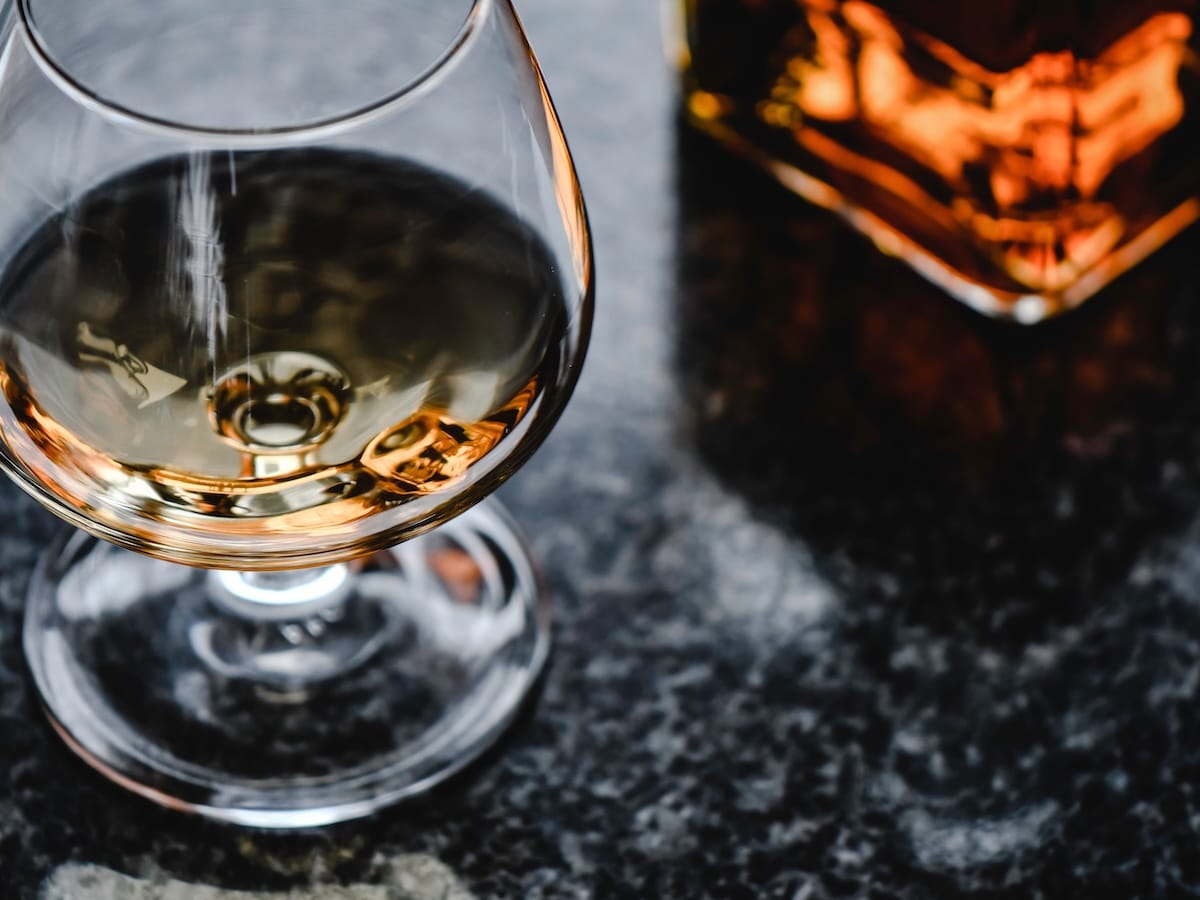
The adoption of whisky-centric rituals by Cognac drinkers is perhaps most evident in the choice of glassware. While the traditional "balloon" or "snifter" glass was once the standard for brandy, many experts now advocate for the use of the Glencairn glass or a tulip-shaped tasting glass.
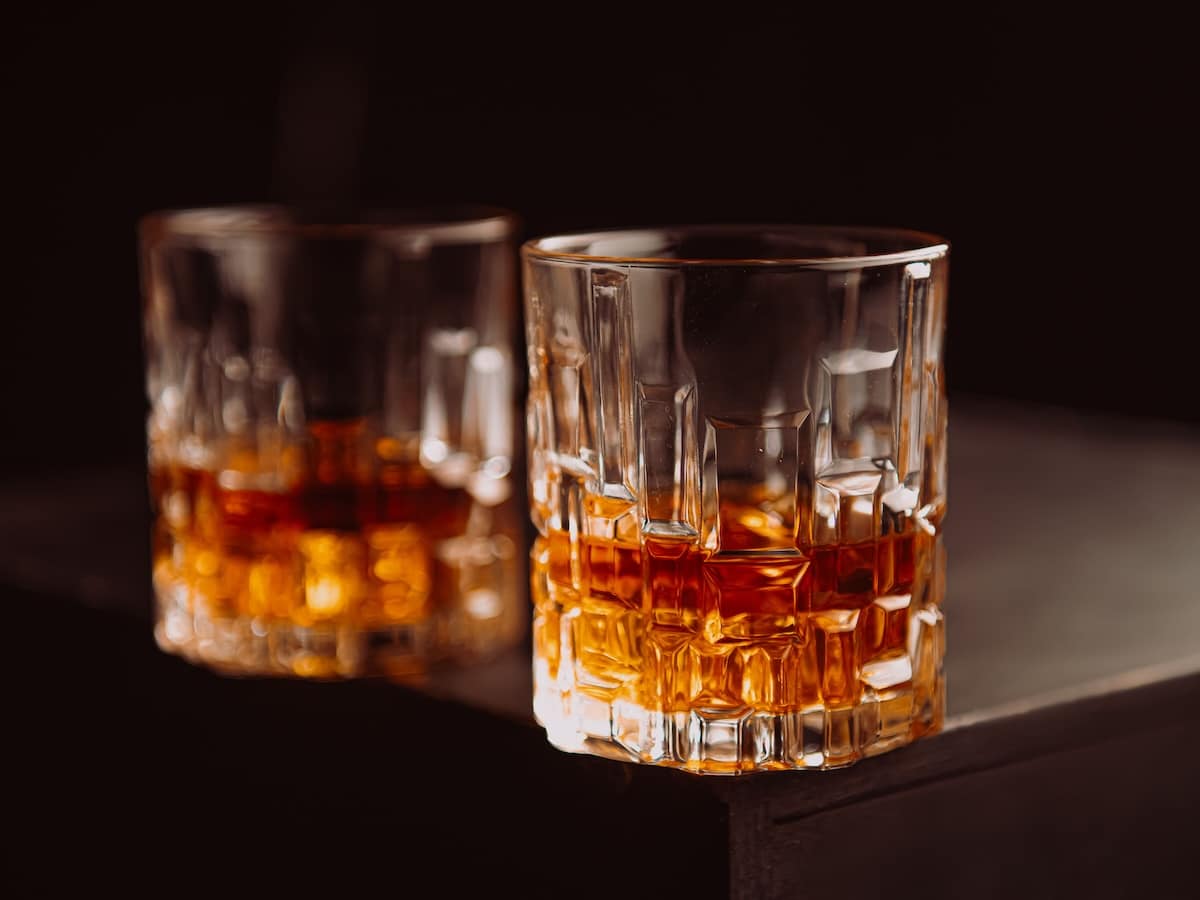
The technical reasoning for this shift is sound. The wide bowl of a snifter can cause the alcohol vapors to overwhelm the delicate floral notes of a fine Cognac. In contrast, the tapered mouth of a Glencairn concentrates the aromas, allowing the drinker to detect the subtle nuances of the spirit. This convergence in glassware further emphasizes the shared appreciation for aromatic complexity that unites whisky and Cognac enthusiasts.
Strategic Recommendations for the Whisky Palate
For those looking to transition from grain to grape, certain producers and expressions offer a more familiar entry point.
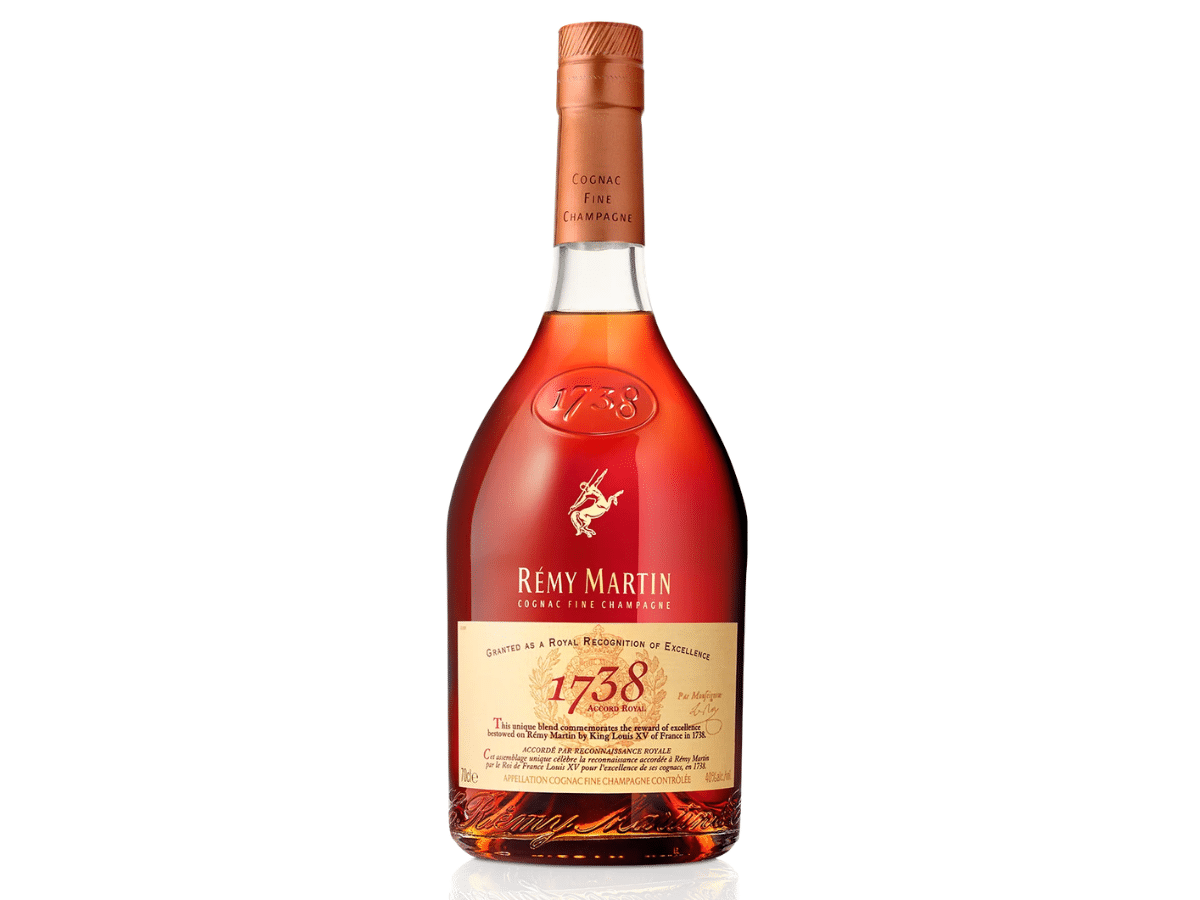
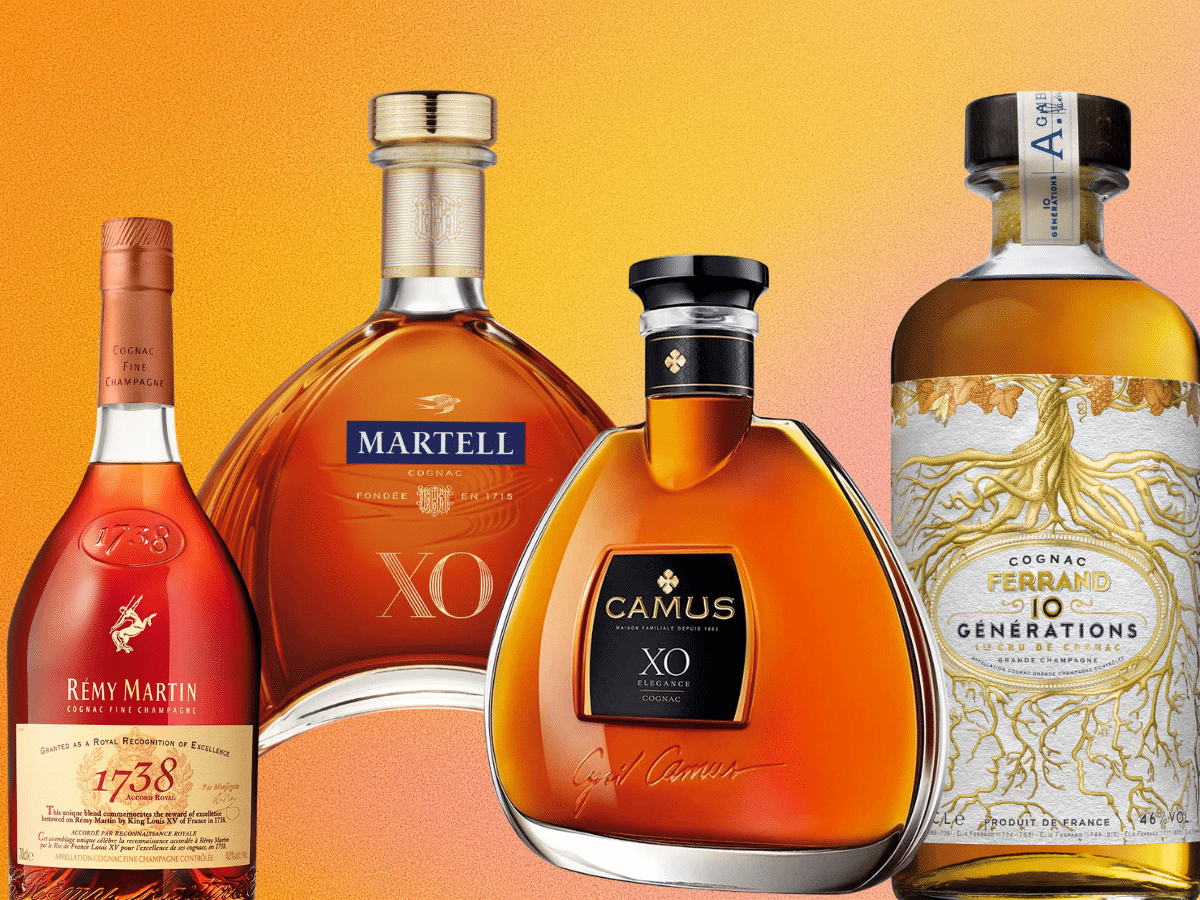
1. Rémy Martin 1738 Accord Royal
This expression is particularly noted for its high proportion of Fine Champagne eaux-de-vie. With an average age of 12 years, it offers a level of oak integration and "toastiness" that appeals directly to fans of well-aged bourbon. The flavor profile is dominated by plum, fig, and creamy toffee.
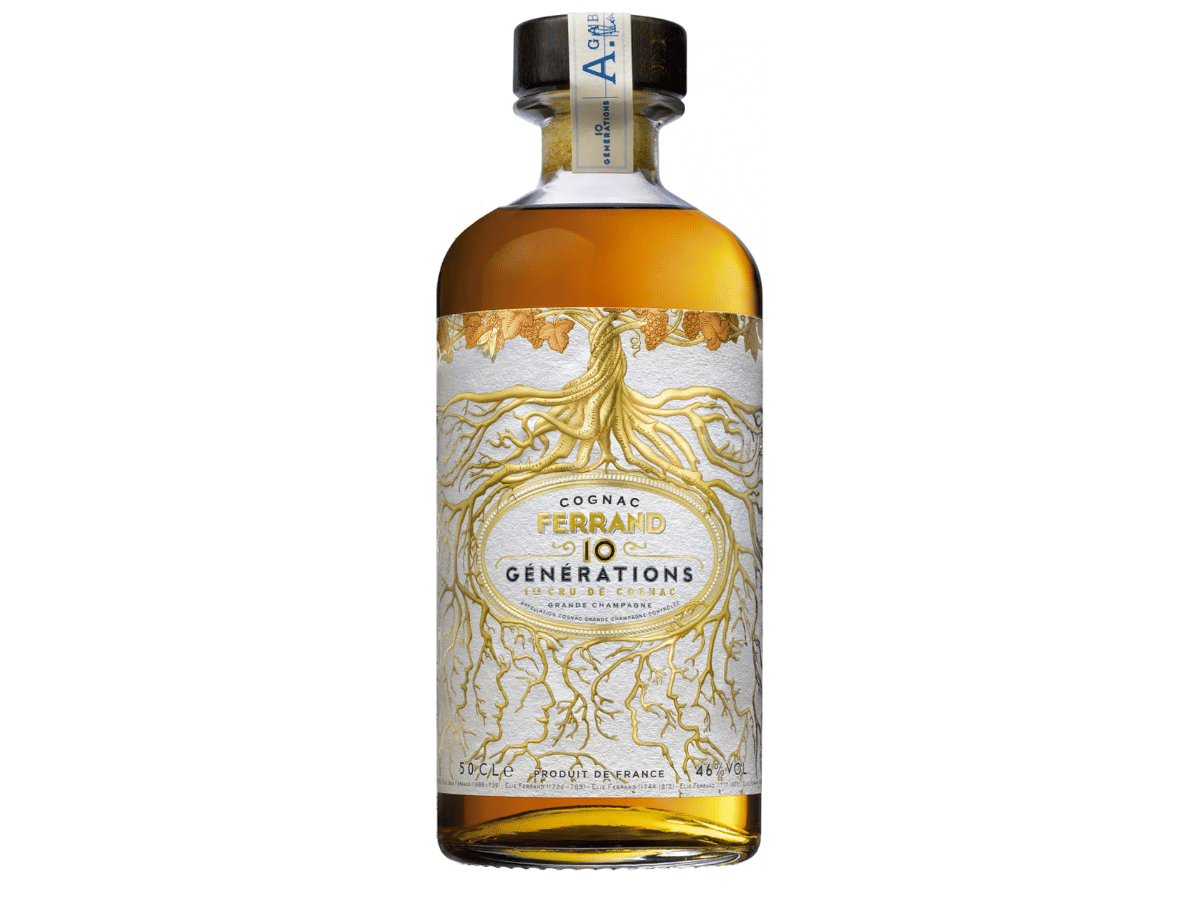
2. Ferrand Cognac 10 Generations
Produced by Maison Ferrand, this Cognac is unique for its use of 100% Ugni Blanc grapes from the Grande Champagne district. It is bottled at a slightly higher proof (46% ABV) than many standard Cognacs, catering to the whisky drinker’s preference for a more robust mouthfeel and "kick."
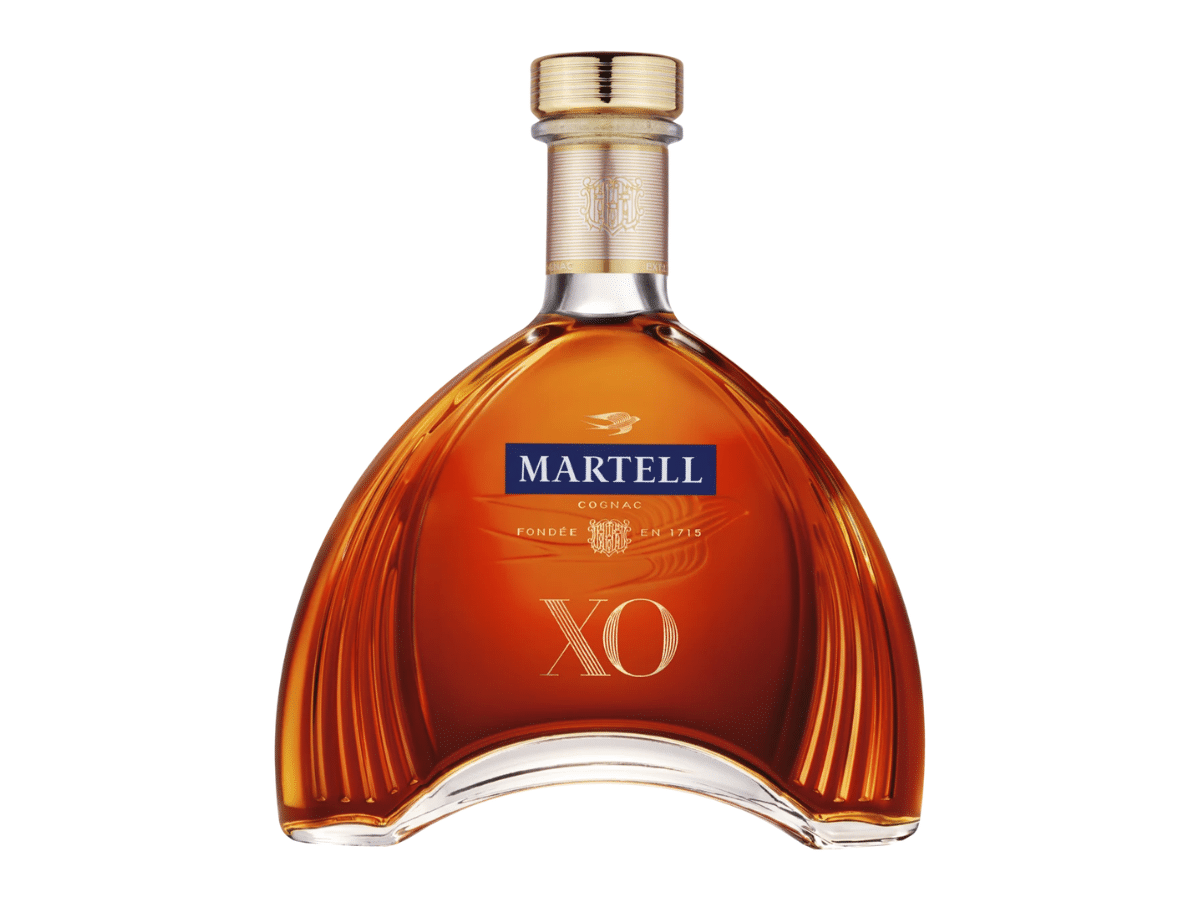
3. Martell XO
Martell is known for its specific distillation style—removing all lees (sediment) before distillation—resulting in an exceptionally elegant spirit. The XO expression, with components aged up to 35 years, offers the complexity and long finish that Scotch drinkers associate with premium 18-to-25-year-old malts.
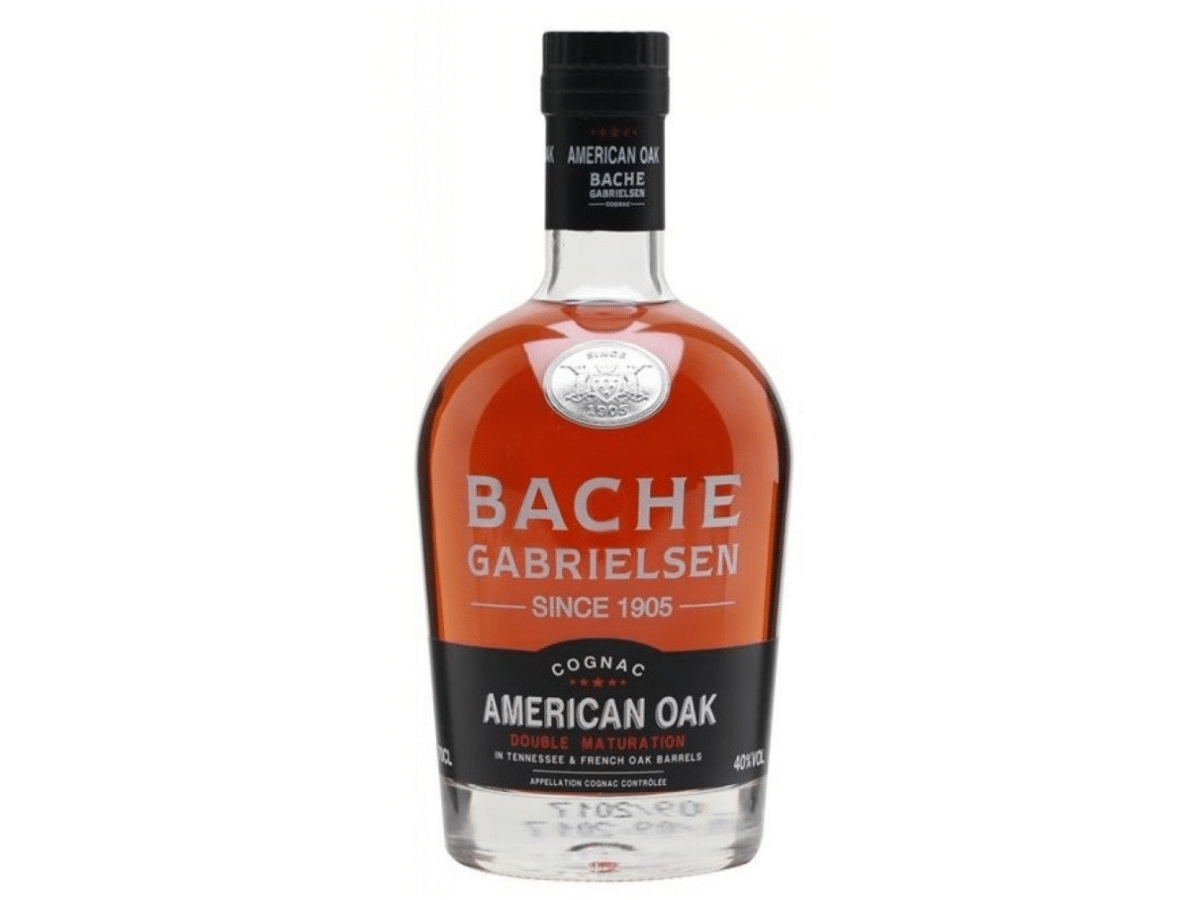
4. Bache-Gabrielsen American Oak
This is perhaps the most direct bridge between the two worlds. Bache-Gabrielsen matures this Cognac in French oak before finishing it in brand-new American Tennessee oak barrels. The result is a spirit that retains the fruitiness of Cognac but gains the distinct coconut and heavy vanilla notes characteristic of American whiskey.
5. Camus XO Elegance
Camus utilizes eaux-de-vie from all six crus, including the rare Borderies region. The result is a multi-dimensional spirit that offers a "floral" complexity similar to Highland or Speyside Scotch whiskies.
Official Responses and Industry Outlook
Industry leaders within the Cognac region have openly acknowledged the importance of the whisky-drinking demographic. In various statements, representatives from the BNIC have emphasized that Cognac is no longer just a "digestif" to be consumed after dinner in a library setting. Instead, they are promoting Cognac as a versatile spirit that can be enjoyed neat, on the rocks, or in high-end cocktails, much like premium whisky.
The broader implications of this trend suggest a more integrated future for the global spirits industry. As consumers become more educated, the rigid boundaries between categories are dissolving. The "whiskyfication" of Cognac—characterized by a focus on terroir, transparency in aging, and higher-proof bottlings—is likely to continue, ensuring that this historic French spirit remains relevant to a new generation of discerning drinkers.
In conclusion, the journey from whisky to Cognac is not a departure from quality, but rather an expansion of the sensory landscape. By understanding the technical rigors and historical prestige of Cognac, the whisky enthusiast can unlock a new world of flavor that is at once entirely different and comfortingly familiar.




 Yuyun Lusiyani
 Joko Widodo
 Eva Lovia
 Pevita Pearce
 admin
admin