
 Lina Irawan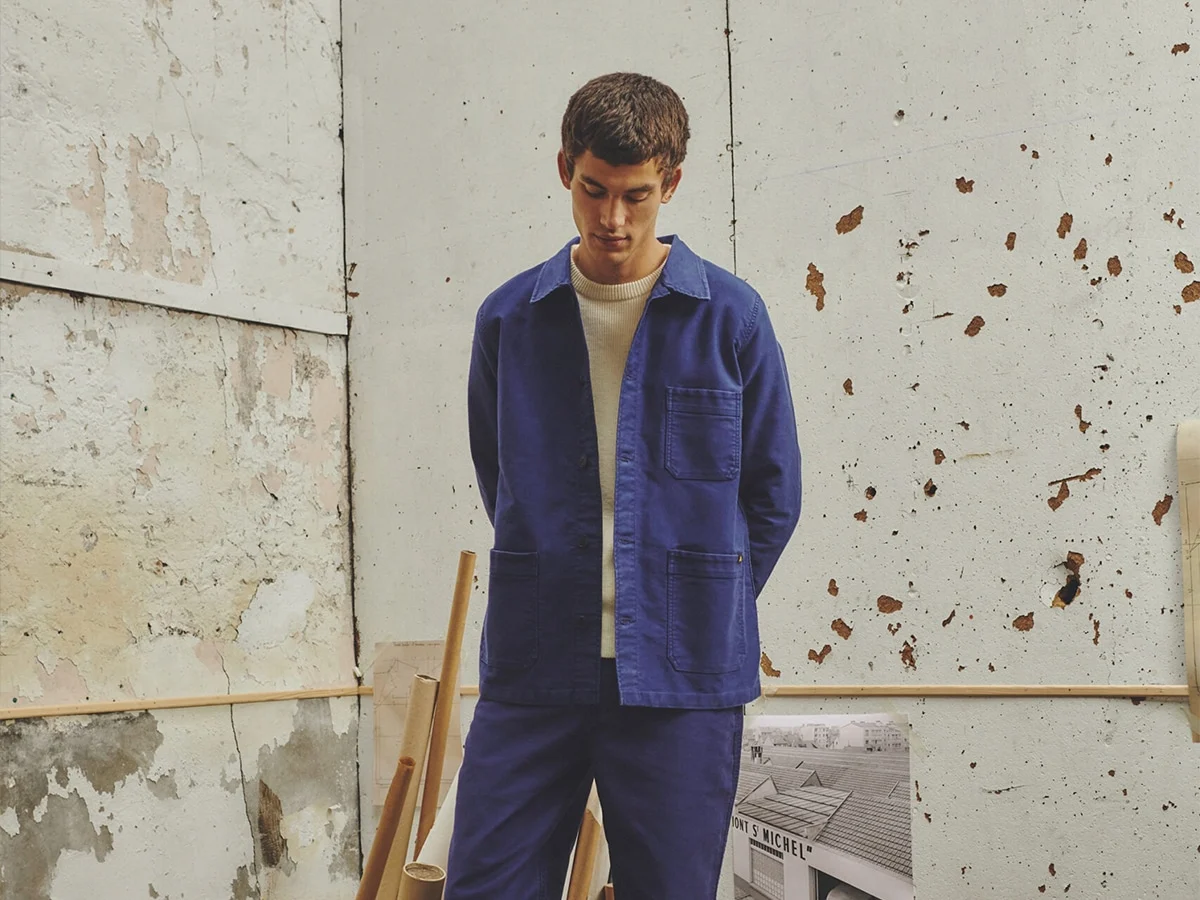
The evolution of menswear has increasingly moved toward a synthesis of historical utility and contemporary refinement, a trend exemplified by the enduring popularity of the French bleu de travail, or work jacket. Central to this movement is Le Mont Saint Michel, a heritage brand that has produced the definitive version of this garment for over a century. In an era characterized by the rapid turnover of "fast fashion" and the seasonal churn of trend-based retail, the market for garments with genuine provenance and structural integrity has seen a significant resurgence. Consumers are increasingly seeking out items that offer a "functional soul"—clothing that not only serves a utilitarian purpose but also carries a historical narrative and the capacity to age with character. This shift represents a broader movement toward "slow fashion," where the value of a garment is measured by its cost-per-wear and its ability to remain relevant in a wardrobe for decades rather than months.
The Historical Foundations of Le Mont Saint Michel
The origins of the Le Mont Saint Michel brand date back to 1913 in Brittany, France. Founded as a family-owned label, the company initially specialized in outfitting the agrarian and industrial workforce of Western France. During the early 20th century, the bleu de travail served as a literal tool for survival; it was the standard-issue uniform for carpenters, masons, and factory laborers who required clothing that could withstand the rigors of manual toil. The name itself, "blue of work," refers to the deep indigo dye used in the fabric, which was both affordable and effective at masking the grease and dust of the workshop.
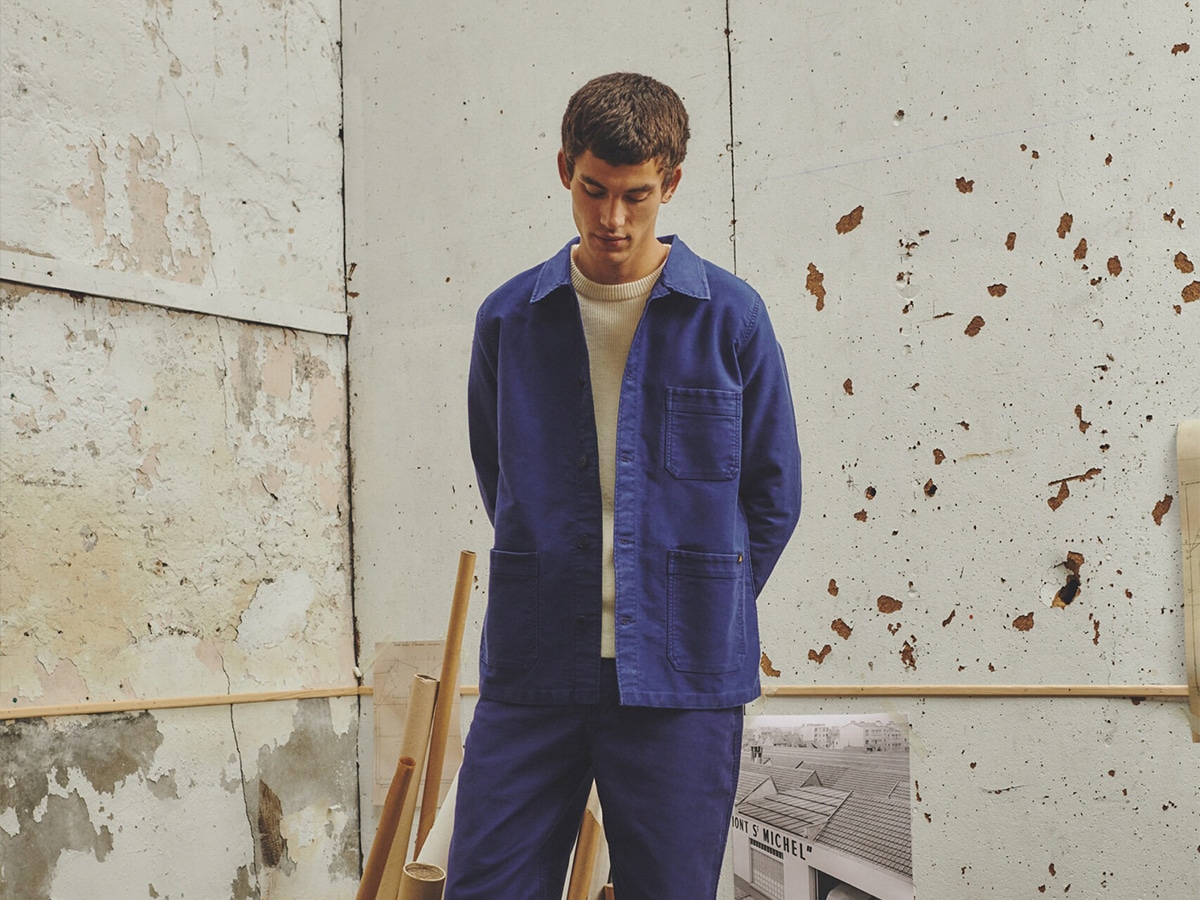
For decades, the brand remained a regional staple, known for its uncompromising commitment to durability. The trajectory of the company shifted significantly in 1998 when Alexandre Milan, a textile heir with deep roots in the French manufacturing industry, took stewardship of the label. Milan’s vision was to preserve the brand’s functional heritage while updating its silhouettes for a modern, global audience. Under his leadership, Le Mont Saint Michel successfully transitioned from a specialized workwear manufacturer to a high-end heritage brand, all while maintaining the specific production techniques that established its reputation a century ago.
Technical Specifications and Materiality
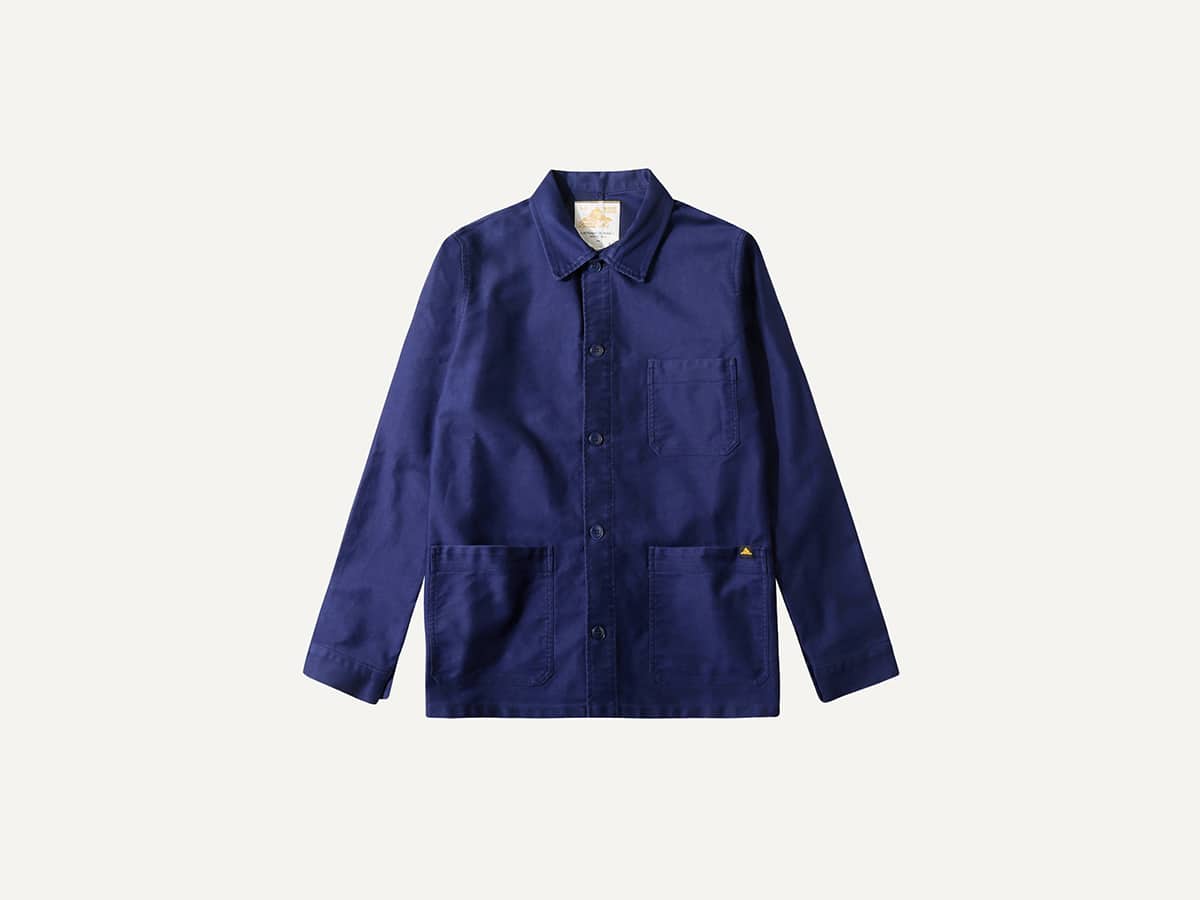
The hallmark of the Le Mont Saint Michel Genuine Work Jacket is its use of heavyweight cotton moleskin. Unlike the standard twill or canvas used in many contemporary "chore coats," moleskin is a densely woven cotton fabric that undergoes a specific shearing process to create a short, soft pile on one side. The result is a material that is remarkably tough yet possesses a subtle, suede-like luster.
A critical factor in the jacket’s authenticity is its sourcing. Le Mont Saint Michel continues to weave its moleskin at the same French textile mill it has utilized for over 100 years. This continuity ensures a level of density that provides natural water-repellent qualities without the need for synthetic chemical coatings. The tightness of the weave prevents wind penetration and offers protection against debris, qualities that were essential for 19th-century artisans and remain practical for modern urban environments.

The technical details of the jacket reflect its utilitarian roots:
- Fabric: 100% Heavyweight Cotton Moleskin.
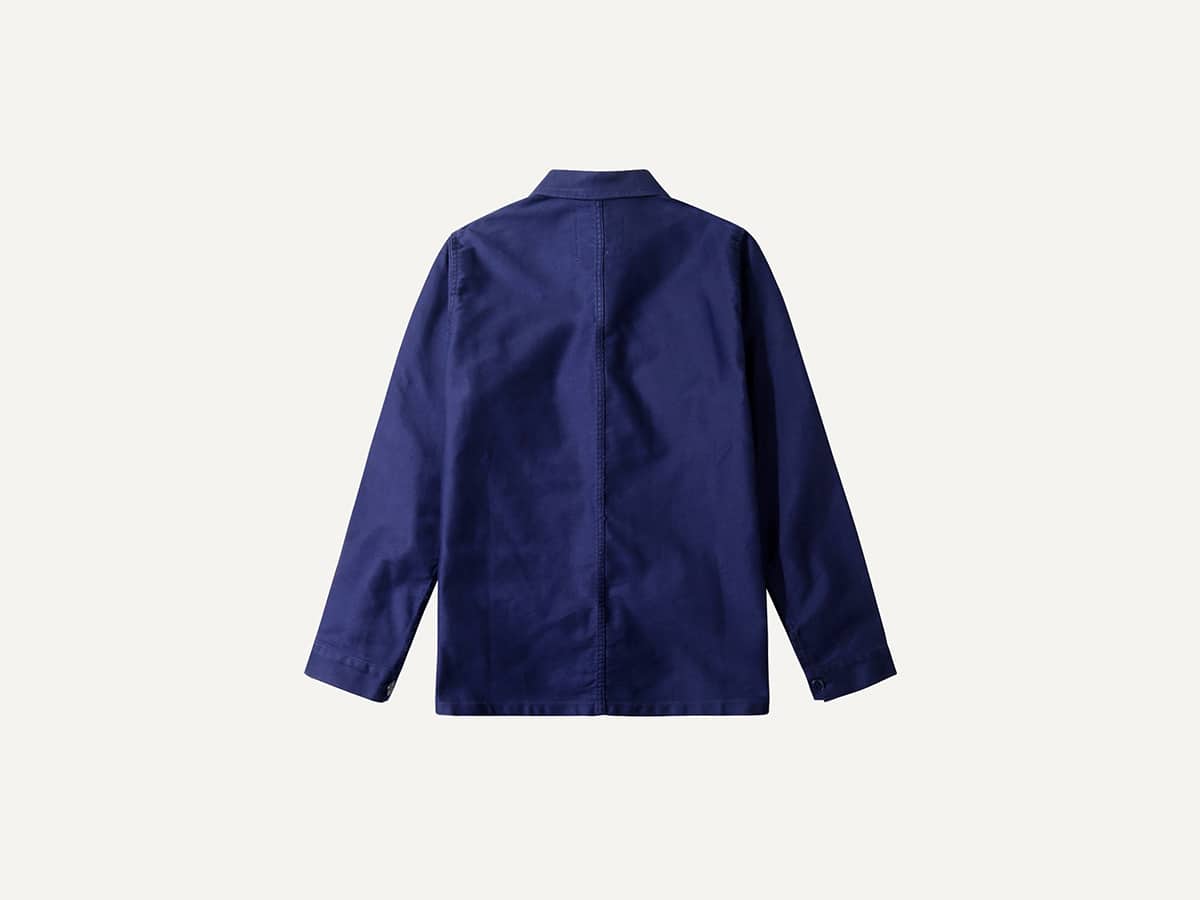
- Construction: Unlined structure with clean-finished interior seams, highlighting the precision of French craftsmanship.
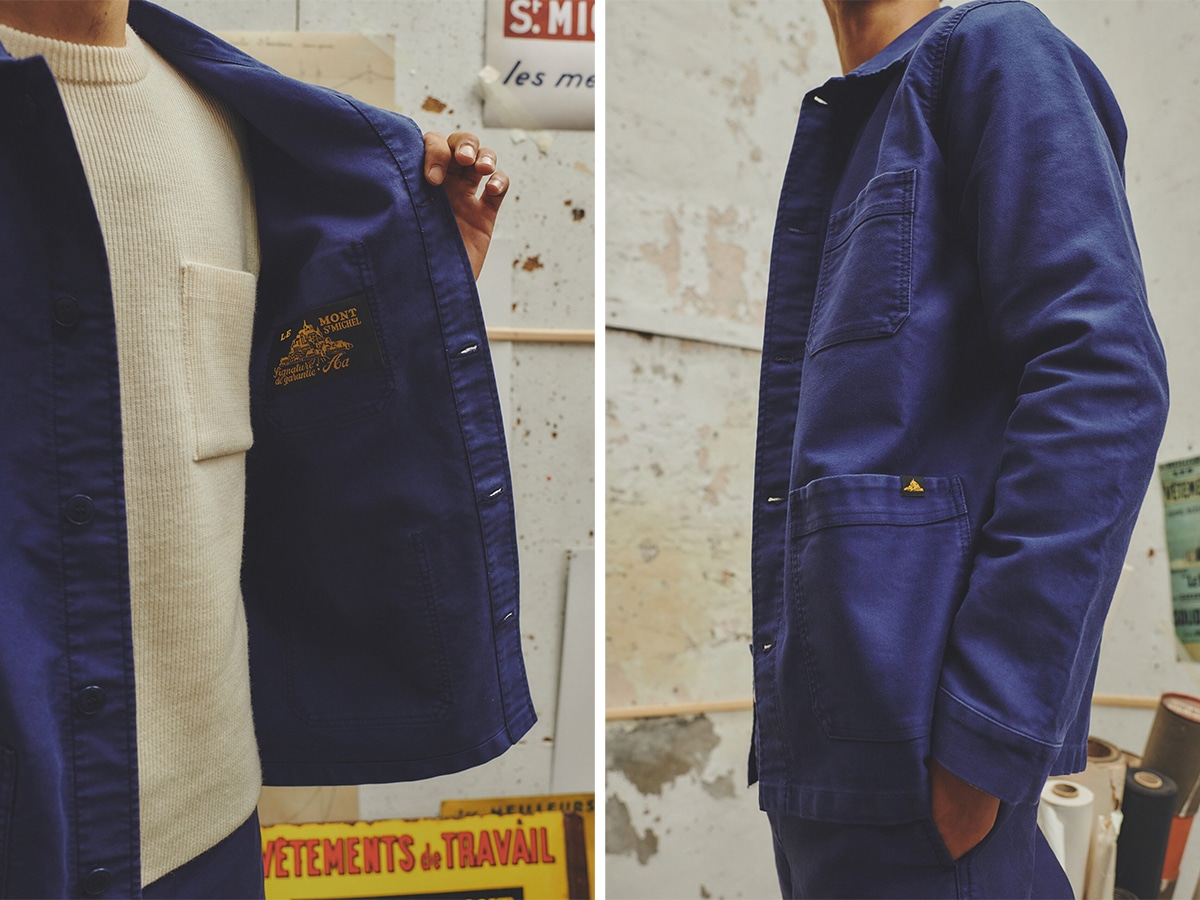
- Hardware: Genuine natural horn buttons, chosen for their durability and organic aesthetic.
- Pocket Configuration: Three exterior patch pockets with signature rounded corners—designed historically to prevent snagging on machinery—and one interior chest pocket for secure storage.
- Silhouette: A classic boxy cut that allows for ease of movement and layering, a necessity for laborers who transitioned between different environments and levels of physical exertion.
The Chronology of the Chore Jacket in Popular Culture
The transition of the bleu de travail from the factory floor to the fashion runway is a multi-decade phenomenon. In the mid-20th century, the jacket began to be adopted by French intellectuals and artists, most notably the photographer Bill Cunningham, who made the blue chore coat his signature uniform for decades. Cunningham valued the jacket for its abundance of pockets—perfect for carrying film and notebooks—and its inconspicuous, egalitarian nature.
By the 2010s, the "workcore" aesthetic began to dominate the menswear landscape. This trend saw urban professionals adopting the garments of the working class, seeking a sense of authenticity in a digital world. Brands like UNIQLO and J.Crew introduced their own versions of the chore jacket, bringing the silhouette to the mass market. However, as the market became saturated with thin, synthetic-blend iterations, discerning consumers began to look back toward the original makers. This has led to a "flight to quality," where heritage brands like Le Mont Saint Michel, Vetra, and Arpenteur have seen increased demand for their original, domestically produced garments.
Economic and Market Implications
The pricing of the Le Mont Saint Michel Genuine Work Jacket—typically retailing for approximately €245 (roughly AUD$350 to $400 depending on tax and exchange rates)—positions it within the premium heritage segment. While significantly more expensive than mass-market alternatives, the value proposition lies in the garment’s lifespan. In an economic analysis of "cost-per-wear," a high-quality moleskin jacket that lasts twenty years represents a more sustainable and cost-effective investment than a lower-quality garment that requires replacement every two seasons.
Furthermore, the brand’s commitment to localized production in France contributes to its market standing. In an era where global supply chains are increasingly scrutinized for ethical and environmental reasons, Le Mont Saint Michel’s reliance on a century-old French mill and regional labor offers a transparent and ethical alternative. This "made-in-France" pedigree is a powerful marketing tool in North American and Asia-Pacific markets, where European heritage is often equated with superior quality and timeless style.
The Breaking-In Process and the Art of Patina
One of the defining characteristics of high-quality heritage menswear is the "breaking-in" period. Much like raw Japanese selvedge denim or Goodyear-welted leather boots, a genuine moleskin jacket is notoriously stiff when new. This rigidity is a testament to the density of the fabric. Over months and years of wear, the cotton fibers begin to relax, molding to the specific movements and shape of the wearer’s body.
The development of "patina"—the unique wear patterns, fading, and softening that occur over time—is highly prized among enthusiasts. In the case of the bleu de travail, the indigo or black dye will slowly fade at high-friction points such as the elbows and pocket edges. This process transforms the jacket from a mass-produced item into a personalized artifact. For many, this aging process is the primary appeal of the garment, representing a rejection of the "disposable" nature of modern consumerism.
Global Reception and Modern Styling
The versatility of the French work jacket has allowed it to transcend its blue-collar origins. In contemporary styling, it serves as a "bridge" garment. It is more structured than a cardigan or a hoodie, yet less formal than a traditional blazer. This makes it an ideal choice for the "business casual" or "smart casual" dress codes that have become standard in modern office environments.
Industry experts suggest that the jacket’s neutrality is its greatest strength. It can be paired with a simple white t-shirt and denim for a classic weekend look, or layered over an Oxford button-down and tailored trousers for a more professional appearance. This adaptability ensures that the garment remains functional across various social and professional contexts, further cementing its status as a wardrobe essential.
Broader Impact on the Fashion Industry
The continued success of Le Mont Saint Michel serves as a case study for the survival of heritage brands in a globalized economy. By refusing to compromise on material quality or outsource production to lower-cost regions, the brand has maintained a level of scarcity and prestige that mass-market competitors cannot replicate. This model has influenced a new generation of "micro-brands" that focus on specialized, high-quality production rather than scale.
Moreover, the popularity of the bleu de travail reflects a growing consumer awareness regarding sustainability. By producing a garment that is designed to last a lifetime, Le Mont Saint Michel aligns with the principles of the circular economy—encouraging consumers to buy less but buy better. As environmental regulations in the textile industry become more stringent, the heritage model of production may provide a blueprint for a more sustainable future in fashion.
The Le Mont Saint Michel Genuine Work Jacket is more than a piece of outerwear; it is a historical document that has been adapted for the 21st century. Its journey from the workshops of Brittany to the boutiques of Le Marais and beyond illustrates the enduring power of functional design and the human desire for clothing that carries a sense of permanence. In the context of a rapidly changing style landscape, the original French chore coat remains a benchmark of quality, offering a tangible link to a tradition of craftsmanship that shows no signs of fading.



 Yuyun Lusiyani
 Joko Widodo
 Eva Lovia
 Pevita Pearce
 admin
admin