
 Eva Lovia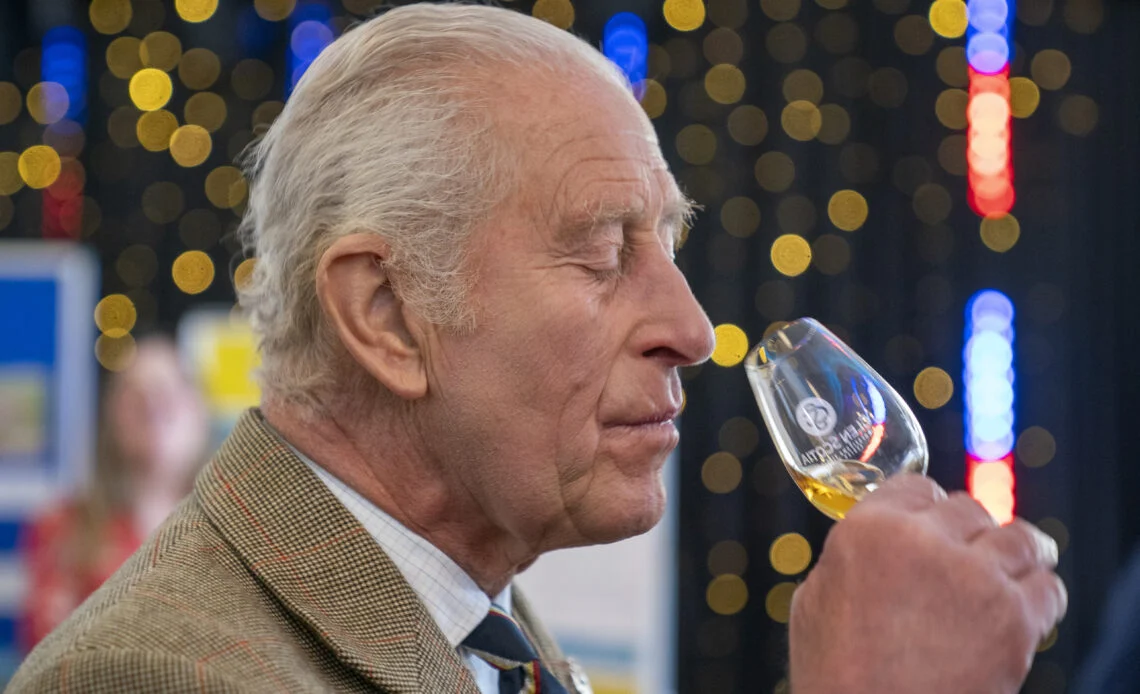
A significant new poll released by YouGov reveals that King Charles III has attained his highest public approval rating since assuming the throne in September 2022. The findings, published just weeks before the fourth anniversary of his accession following the passing of Queen Elizabeth II, indicate a robust and growing confidence in His Majesty’s reign. According to the latest figures, an impressive 68% of Britons now believe the King is performing his duties as monarch effectively, marking a new peak for YouGov’s regular tracker. Conversely, only 16% of the surveyed population expressed a negative view of his performance, underscoring a largely positive public sentiment.
This surge in approval for King Charles comes at a pivotal moment, as the nation prepares to mark another milestone in his reign. The period since his accession has been one of transition and adaptation for the monarchy, with King Charles stepping into a role of immense historical significance. The YouGov data suggests that the public is increasingly recognizing and appreciating his dedication to his constitutional duties and his efforts to connect with the nation.
Royal Family Favourability Tracker: A Detailed Look
The YouGov poll offers a comprehensive overview of public opinion towards various members of the Royal Family, painting a nuanced picture of their individual standing with the British public. While King Charles’s approval rating has reached new heights, other senior royals also continue to command significant public favour.
The Prince and Princess of Wales: Prince William, the Prince of Wales, retains his position as the most popular member of the Royal Family, with a substantial 76% of Britons holding a favourable view of him. His wife, Catherine, the Princess of Wales, closely follows, enjoying a 74% approval rating. Their consistent popularity highlights their successful engagement with the public and their perceived dedication to their royal roles.
Princess Anne’s Enduring Appeal: Princess Anne, the Princess Royal, continues to demonstrate remarkable and enduring public support. With 70% of Britons viewing her positively, she remains a highly respected figure, often lauded for her tireless work ethic and no-nonsense approach to royal duties.
King Charles’s Overall Favourability: Beyond his performance as monarch, King Charles himself is viewed favourably by 62% of Britons overall. This figure, when compared to the 31% who hold an unfavourable opinion, suggests a generally positive perception of his character and his position within the nation. These figures have demonstrated a notable degree of stability over the past two years, indicating a consistent public regard.
The Duke and Duchess of Edinburgh: Prince Edward and his wife, Sophie, the Duke and Duchess of Edinburgh, also continue to garner positive public sentiment. Approximately half of Britons express favourable views of the couple, reflecting their consistent and dedicated service to the Crown.
Queen Camilla’s Divided Opinion: Opinion regarding Queen Camilla remains more evenly divided. The poll indicates that 43% of Britons hold a positive view of the Queen, while 44% express an unfavourable opinion. This suggests that while she has a significant base of support, her public perception is still in a state of flux for a portion of the population.
The Younger Generation of Royals: Public sentiment towards the younger generation of royals presents a more varied landscape. Prince Harry, the Duke of Sussex, has seen a slight improvement in his ratings over the past year. Approximately 33% of Britons now view him positively, an increase of six percentage points since May 2025. Concurrently, negative views of the Duke of Sussex have seen a decrease, falling to 58%.
In contrast, Meghan, the Duchess of Sussex, continues to be one of the more divisive figures within the Royal Family. The survey reveals that only 22% of Britons hold a favourable opinion of her, while a significant 65% view her negatively.
Prince Andrew’s Low Approval: At the other end of the spectrum, Prince Andrew, the former Duke of York, continues to record the lowest approval ratings among all members of the Royal Family. A mere 2% of Britons stated they hold a positive opinion of him, while an overwhelming 92% view him unfavourably.
Context and Chronology of King Charles’s Reign
King Charles III ascended to the throne on September 8, 2022, following the passing of his mother, Queen Elizabeth II, the longest-reigning monarch in British history. His accession marked the beginning of a new era for the United Kingdom and the Commonwealth realms. The period immediately following his mother’s death was characterized by national mourning and a period of intense public scrutiny as the nation adjusted to a new sovereign.
Early Reign (September 2022 – Early 2023): The initial months of King Charles’s reign were dominated by the funeral of Queen Elizabeth II and the subsequent coronation preparations. Public sentiment was largely one of respect and solemnity. Early YouGov polls at this time indicated a mixed but generally positive reception to his ascension, with a considerable portion of the public reserving judgment as he settled into his new role.
Coronation Year (2023): The coronation of King Charles III in May 2023 was a significant national event, watched by millions worldwide. This event aimed to formally cement his position as monarch and was accompanied by a concerted effort to showcase the continuity and tradition of the British monarchy. Following the coronation, there was a noticeable uptick in positive sentiment towards the King, with many commentators attributing this to the pageantry and the symbolic weight of the occasion.
Continued Engagements and Public Service (2023 – Present): Throughout his reign, King Charles has undertaken numerous engagements, focusing on themes close to his heart, such as environmental conservation, interfaith dialogue, and support for the arts and heritage. His travels within the UK and abroad have provided opportunities for public interaction and have contributed to shaping his public image. The recent YouGov poll reflects the culmination of these efforts and the public’s growing appreciation for his consistent dedication.
Supporting Data and Analysis
The YouGov data provides crucial insights into the dynamics of public opinion concerning the monarchy. The consistently high approval ratings for Prince William and Catherine, Princess of Wales, suggest that they are effectively preparing to inherit the mantle of leadership within the Royal Family, embodying a sense of modern relevance and public service. Princess Anne’s strong showing, year after year, underscores the value the public places on duty, experience, and unwavering commitment.
King Charles’s achievement of his highest approval rating is particularly noteworthy. It suggests that the initial period of adjustment has passed, and the public is now more comfortable and perhaps more appreciative of his leadership style and his vision for the monarchy. His focus on specific charitable causes and his engagement with contemporary issues likely resonate with a significant portion of the population, contributing to this positive shift.
The more divided opinions on Queen Camilla highlight the ongoing process of public acceptance. While she has undertaken her royal duties with grace and dedication, her position as Queen Consort to a new monarch inherently invites more diverse reactions compared to those who have been prominent figures for decades.
The nuanced ratings for Prince Harry and Meghan, Duchess of Sussex, reflect their complex relationship with the British public and the media. The slight improvement in Prince Harry’s favourability, coupled with a decrease in negative sentiment, could be indicative of a gradual shift in public perception, perhaps influenced by his continued public appearances and interviews. However, the substantial majority who view Meghan negatively points to ongoing challenges in her public image within the UK.
The stark contrast in Prince Andrew’s ratings serves as a clear indicator of the lasting impact of past controversies on public opinion. His exceptionally low approval figures underscore the challenges faced by the monarchy in navigating public trust and maintaining its reputation in the face of significant personal scandals.
Broader Impact and Implications
The findings of the YouGov poll have significant implications for the future of the monarchy. The continued strong support for the institution itself, with 64% of Britons believing the UK should remain a monarchy, is a critical piece of data. This indicates that, despite evolving societal attitudes and ongoing debates about the role of the monarchy, there remains a substantial majority in favour of maintaining the constitutional system. The 23% who would prefer an elected head of state, while a significant minority, still represent a smaller proportion than those who favour the monarchy.
This sustained public backing provides a stable foundation for King Charles’s reign. It suggests that the Royal Family, as an institution, continues to hold a valued place in the national identity for a majority of the population. The high approval ratings for the King and other senior royals demonstrate their effectiveness in fulfilling their symbolic and constitutional roles, contributing to this overall support.
However, the differing levels of popularity among individual royals also highlight the importance of strategic engagement and public relations for the monarchy. The success of the Prince and Princess of Wales in connecting with the public, and Princess Anne’s consistent appeal, offer potential models for maintaining relevance and public trust. Conversely, the divisive opinions surrounding other members of the family underscore the challenges of managing public perception in the digital age, where information and opinion spread rapidly.
In conclusion, the latest YouGov poll offers a predominantly positive outlook for King Charles III and the British monarchy. The King’s record-high approval rating signals a public that is increasingly confident in his leadership. While individual members of the Royal Family experience varied levels of public favour, the overarching support for the institution remains strong, providing a solid platform for the King as he continues to navigate his reign and shape the future of the Crown. The ongoing public discourse and the Royal Family’s ability to adapt to changing societal expectations will undoubtedly continue to influence these approval ratings in the years to come.



 Yuyun Lusiyani
 Joko Widodo
 Pevita Pearce
 admin
admin
 Lina Irawan