
 admin
admin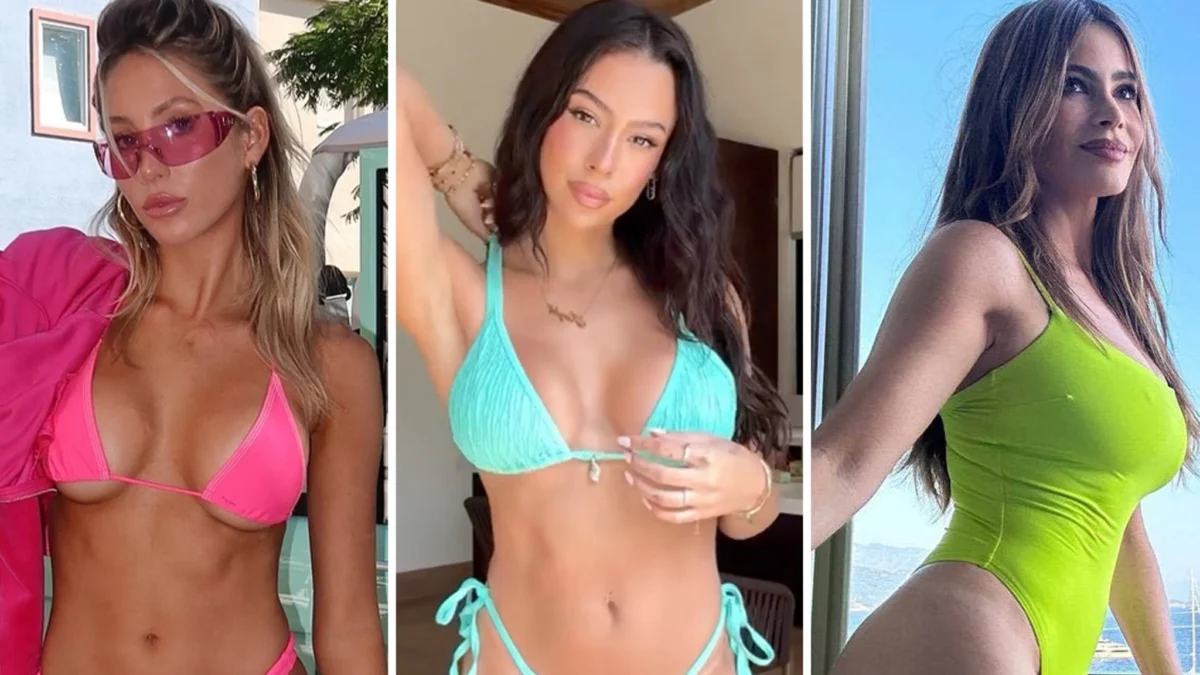
The summer of 2026 has officially commenced, marked by a vivid resurgence of neon swimwear championed by an array of prominent public figures. As of August 1, 2026, 1:00 AM PDT, images circulating across digital platforms and news outlets highlight a definitive trend: celebrities are embracing boldly colored bikinis, transforming beach and poolside locales into vibrant fashion statements. This phenomenon, far from being a mere seasonal whim, represents a complex interplay of historical fashion cycles, the pervasive influence of social media, and strategic branding within the global apparel industry. The visual impact of these brightly hued garments is undeniable, drawing significant attention and sparking widespread discussion among fashion enthusiasts and the general public alike.
The Resurgence of Neon: A Historical Perspective
Neon colors, characterized by their intense saturation and high visibility, first burst onto the mainstream fashion scene in the 1980s. Fueled by the rise of MTV culture, aerobics, and a general ethos of exuberance and individualism, fluorescent hues like electric pink, lime green, and shocking yellow became synonymous with an era of bold self-expression. Designers incorporated these colors into activewear, streetwear, and even formal attire, challenging traditional sartorial norms. The trend saw a significant revival in the late 1990s and early 2000s, often linked to rave culture and electronic music scenes, where the colors took on a symbolic meaning of energy and counter-cultural identity.
Following a period of more subdued palettes and minimalist aesthetics in the early to mid-2010s, neon began its slow but steady return to the runways around 2018-2019. Initially appearing in subtle accents or as statement pieces in haute couture collections, the trend gradually permeated ready-to-wear and fast fashion markets. The summer of 2026, however, marks a zenith for neon in swimwear, signaling its full integration into contemporary summer wardrobes. This cyclical nature of fashion trends is a well-documented phenomenon, with styles often re-emerging every 20-30 years, reinterpreted through a modern lens. The current iteration emphasizes sleek silhouettes and minimalist designs, allowing the powerful colors to speak for themselves, a departure from the often maximalist pairings of the 1980s.
The Amplifying Power of Celebrity Influence
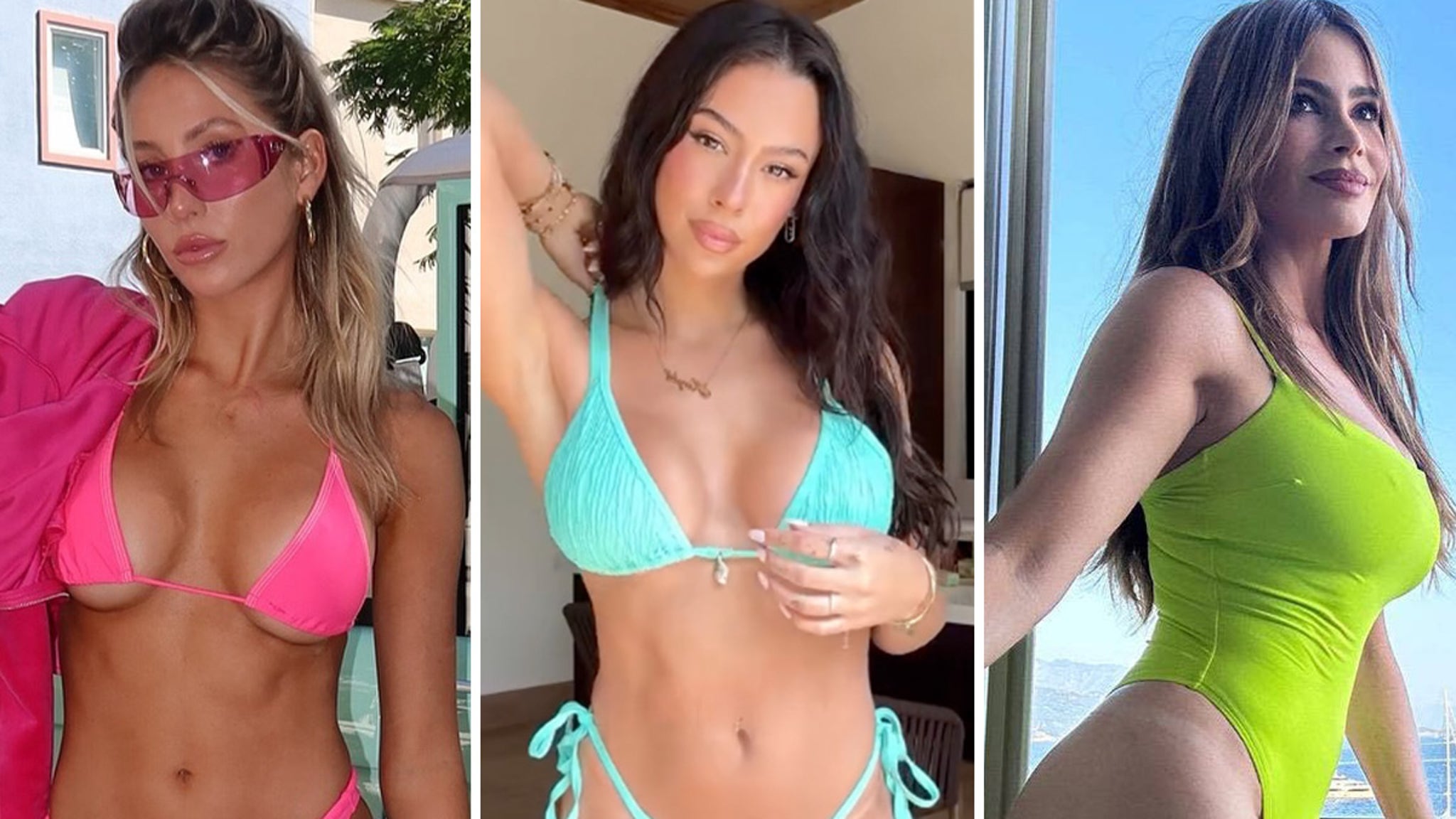
The prominent display of neon bikinis by figures such as social media personality Alix Earle, reality television star Kayla Richart, and acclaimed actress Sofia Vergara, among many others, underscores the unparalleled power of celebrity endorsement in shaping consumer trends. In the digital age, a single photograph shared on Instagram, TikTok, or a major news portal can instantly catapult a specific style or product into viral status. These individuals, with their massive followings and carefully cultivated public images, serve as de facto trendsetters whose choices are closely observed and emulated by millions.
Alix Earle, known for her candid social media presence and relatable content, has become a significant influencer in the Gen Z demographic. Her adoption of vibrant swimwear aligns with her brand of youthful energy and confident style, resonating strongly with her audience. Kayla Richart, emerging from reality television, leverages her platform to showcase aspirational lifestyle choices, where bold fashion plays a crucial role. Sofia Vergara, a long-established icon, consistently demonstrates timeless elegance infused with contemporary flair, and her choice of neon swimwear signals its acceptance across broader age demographics, proving that the trend transcends specific youth-oriented niches. Their collective visibility in these eye-catching pieces generates substantial media coverage, driving public interest and subsequently influencing purchasing decisions.
Economic Impact on the Swimwear Industry
The celebrity-driven neon swimwear trend has tangible economic implications for the global fashion industry, particularly within the competitive swimwear market. Brands, both established and emerging, keenly observe these high-profile endorsements, often adapting their collections to capitalize on burgeoning trends. The immediate aftermath of such celebrity sightings typically sees a surge in demand for similar items, leading to increased sales for retailers. According to market analysts, the global swimwear market, valued at approximately $20 billion in 2023, is projected to grow significantly, with celebrity influence being a key accelerator.
Specialized swimwear brands, alongside major fashion retailers, strategically launch collections featuring a wide spectrum of neon shades, anticipating consumer appetite. The "fast fashion" segment, in particular, is adept at rapidly reproducing celebrity-inspired looks, making the trend accessible to a wider audience at various price points. This rapid cycle of trend adoption and production, while economically beneficial for brands, also raises discussions about sustainability within the fashion industry, as consumers are encouraged to frequently update their wardrobes to keep pace with evolving styles. Moreover, the demand extends beyond just the bikinis themselves, encompassing related accessories like neon-accented cover-ups, sunglasses, and beach bags, creating a ripple effect across the broader summer fashion ecosystem.
Social Media’s Role in Trend Dissemination and Public Engagement
Social media platforms are not merely passive conduits for celebrity images; they are active participants in the trend cycle, accelerating dissemination and fostering public engagement. When a celebrity posts a picture in a neon bikini, the image rapidly propagates across Instagram feeds, TikTok "For You" pages, and Twitter discussions. This organic spread is further amplified by fashion bloggers, style accounts, and fan pages, which dissect and celebrate these sartorial choices. Hashtags related to "neon swimwear," "summer fashion 2026," and individual celebrity names quickly trend, creating a continuous feedback loop that reinforces the popularity of the style.
Beyond simple observation, social media facilitates direct interaction. Consumers can tag brands, inquire about specific pieces, and share their own interpretations of the trend. This democratized fashion dialogue allows for rapid feedback to brands and designers, influencing future collections. Furthermore, the visual nature of platforms like Instagram makes them ideal for showcasing vibrant colors, where the high contrast and energy of neon swimwear naturally stand out against beach and pool backdrops, maximizing visual appeal and shareability. This immediate, global reach ensures that a trend can move from niche to mainstream within days, a pace unimaginable in pre-digital eras.
Broader Cultural and Societal Implications
The widespread embrace of neon swimwear also carries broader cultural and societal implications. On one hand, it can be viewed as an expression of confidence and body positivity. Celebrities, regardless of their individual body types, are presenting themselves in bold, attention-grabbing attire, which can inspire others to embrace their own bodies and fashion choices without reservation. This aligns with ongoing movements promoting self-acceptance and diverse representations of beauty in media.
Conversely, the emphasis on "bodies to die for" in the original article’s context, even if implicitly, highlights persistent pressures within celebrity culture and broader society regarding physical appearance. While the trend promotes vibrant self-expression, it also inadvertently reinforces a focus on the idealized physique often associated with swimwear, potentially contributing to body image insecurities for some. A balanced perspective acknowledges both the liberating aspects of fashion trends and the underlying societal pressures that can accompany them.
Moreover, the phenomenon reflects a desire for escapism and joy, particularly in a world often fraught with complexities. Bright colors are psychologically linked to happiness, energy, and optimism. Donning neon swimwear can be a simple, yet powerful, act of embracing the carefree spirit of summer and momentarily shedding the weight of daily concerns. It’s a visual celebration of leisure, warmth, and vibrancy that resonates deeply with the collective desire for positivity.
Looking Ahead: The Future of Summer Fashion
As the summer of 2026 progresses, the neon swimwear trend shows no signs of abating. Its current momentum suggests that these vibrant hues will continue to dominate beachwear and resort collections for the foreseeable future. Fashion forecasters predict that while specific shades may evolve, the overall embrace of high-saturation colors in summer apparel will persist, potentially extending into other categories like accessories, activewear, and even evening wear.
The continuous interplay between celebrity influence, social media dynamics, and consumer demand will remain a defining characteristic of modern fashion cycles. Brands that can effectively leverage these channels to identify and capitalize on emerging trends will continue to thrive. The neon bikini, therefore, is more than just a piece of clothing; it is a cultural artifact of its time, reflecting current aesthetic sensibilities, the mechanics of digital influence, and the enduring human desire for expression and escapism. Its journey from historical revival to contemporary dominance offers a compelling case study in the ever-evolving landscape of global fashion.


 Yuyun Lusiyani
 Joko Widodo
 Eva Lovia
 Pevita Pearce

 Lina Irawan