
 Lina Irawan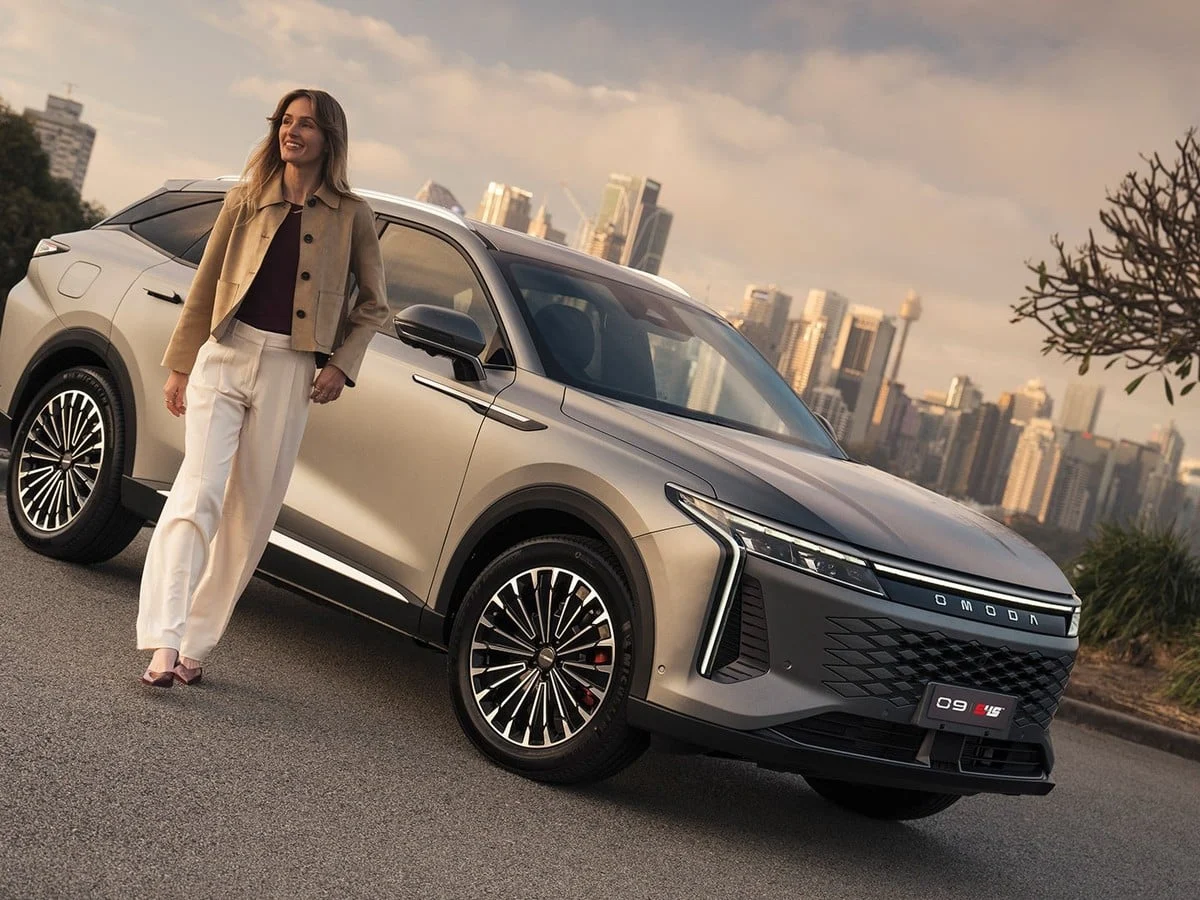
The Strategic Expansion of Omoda Jaecoo in Australia
The Australian automotive landscape is currently undergoing a period of rapid transition. While battery electric vehicle (BEV) sales have seen a stabilization after initial surges, the demand for hybrid technology—particularly those offering significant electric-only range—continues to grow. Omoda and Jaecoo, sub-brands of the global automotive giant Chery, have recognized this shift by deploying a four-tier SUV strategy that targets distinct consumer segments, from budget-conscious urban commuters to luxury-seeking families and performance enthusiasts.
The introduction of the Super Hybrid range follows Chery’s re-entry into the Australian market, where it has quickly become one of the fastest-growing brands. By leveraging a multi-brand strategy—Omoda focusing on "lifestyle and fashion" and Jaecoo emphasizing "urban off-road and premium utility"—the group aims to capture market share from established Japanese and Korean competitors, as well as fellow Chinese manufacturers like BYD and MG.
Understanding the Super Hybrid Engineering Philosophy
At the core of the Omoda Jaecoo offering is the Super Hybrid system. This technology is characterized by the integration of a 1.5-litre turbocharged petrol engine specifically optimized for hybrid cycles, paired with high-torque electric motors and a Dedicated Hybrid Transmission (DHT).
The DHT is the mechanical heart of the system. Unlike traditional transmissions that simply transfer power from an engine to the wheels, the DHT acts as an intelligent power-management hub. It allows the vehicle to operate in multiple modes: pure electric for low-speed urban driving, series hybrid where the engine acts as a generator, and parallel hybrid where both the engine and motor drive the wheels simultaneously for maximum performance.
A critical differentiator highlighted by Omoda Jaecoo engineers is the "reserve" strategy. Historically, many plug-in hybrids have been criticized for poor performance and high fuel consumption once the battery reaches a low state of charge—a scenario often referred to as "limp mode." The Super Hybrid system is engineered to prevent the battery from ever fully depleting. By maintaining a buffer, the electric motor can always provide torque assistance, ensuring that the driving experience remains consistent regardless of the charge level. This addressing of the "PHEV failure mode" is central to the brand’s marketing in the Australian region.

Detailed Analysis of the Super Hybrid Model Lineup
1. Jaecoo J5 SHS-H: The Entry-Point Hybrid
The Jaecoo J5 SHS-H serves as the foundational model of the range. Priced at $34,990 driveaway, it is positioned to compete directly with popular small SUVs and traditional hybrids like the Toyota Corolla Cross.
Unlike its stablemates, the J5 SHS-H is a self-charging hybrid (HEV). This means it does not require an external plug; the battery is replenished through regenerative braking and the onboard engine. This model is specifically targeted at buyers who want the efficiency of an electrified powertrain without changing their refueling habits.
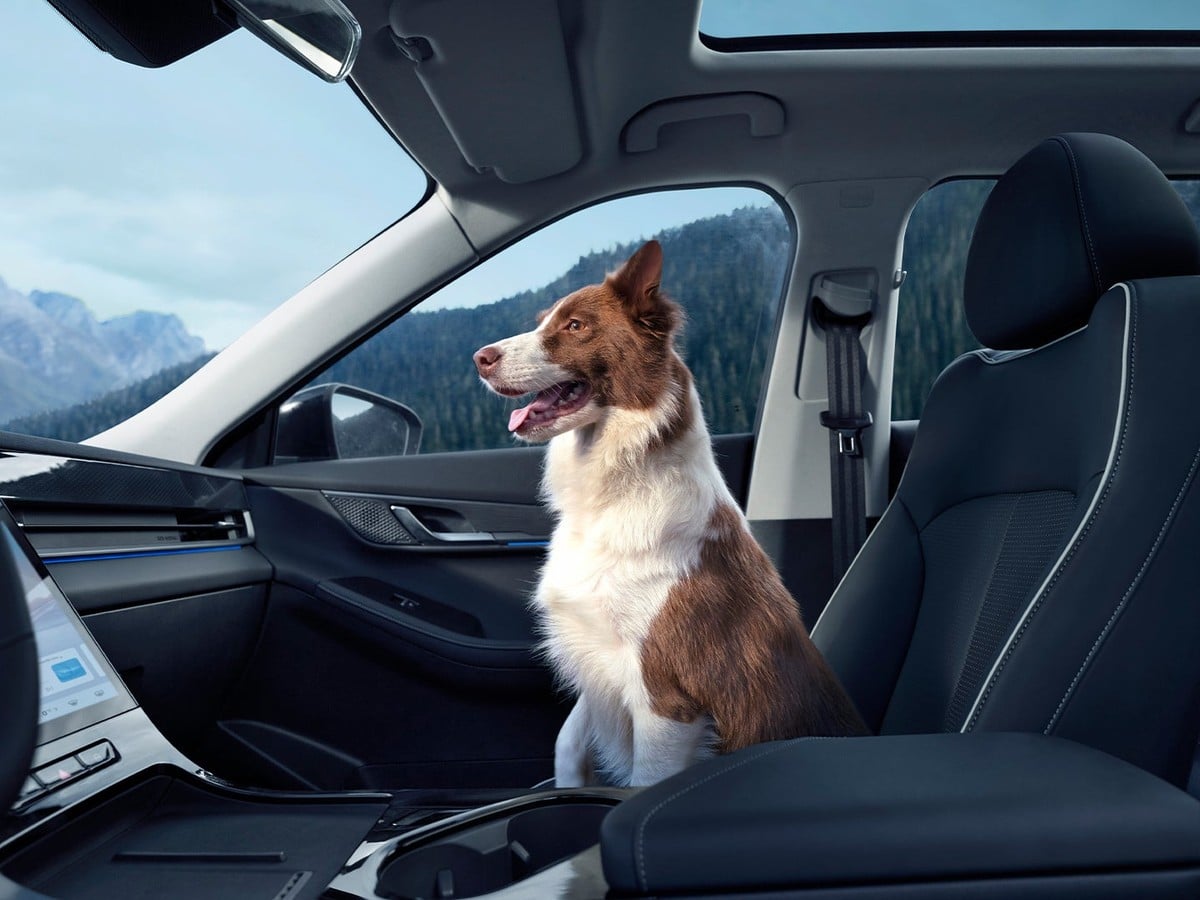
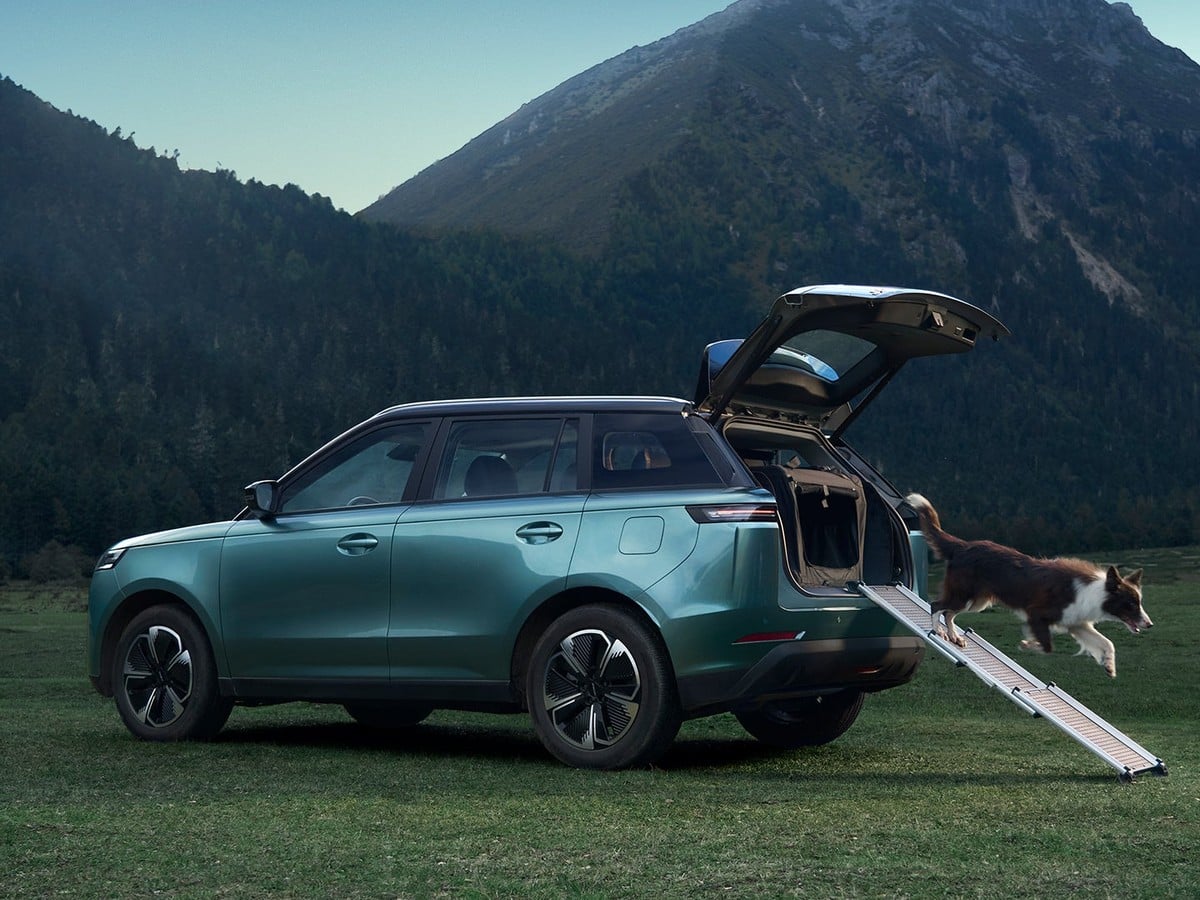
Unique to the J5 is its "pet-friendly" branding. The vehicle features scratch-resistant interior materials designed to withstand paws and claws, alongside an accessory list that includes specialized boot ramps. With a combined output of 165kW and 295Nm, it offers a balance of urban agility and a total range of approximately 900km.
2. Jaecoo J7 SHS-P: The Efficiency Leader
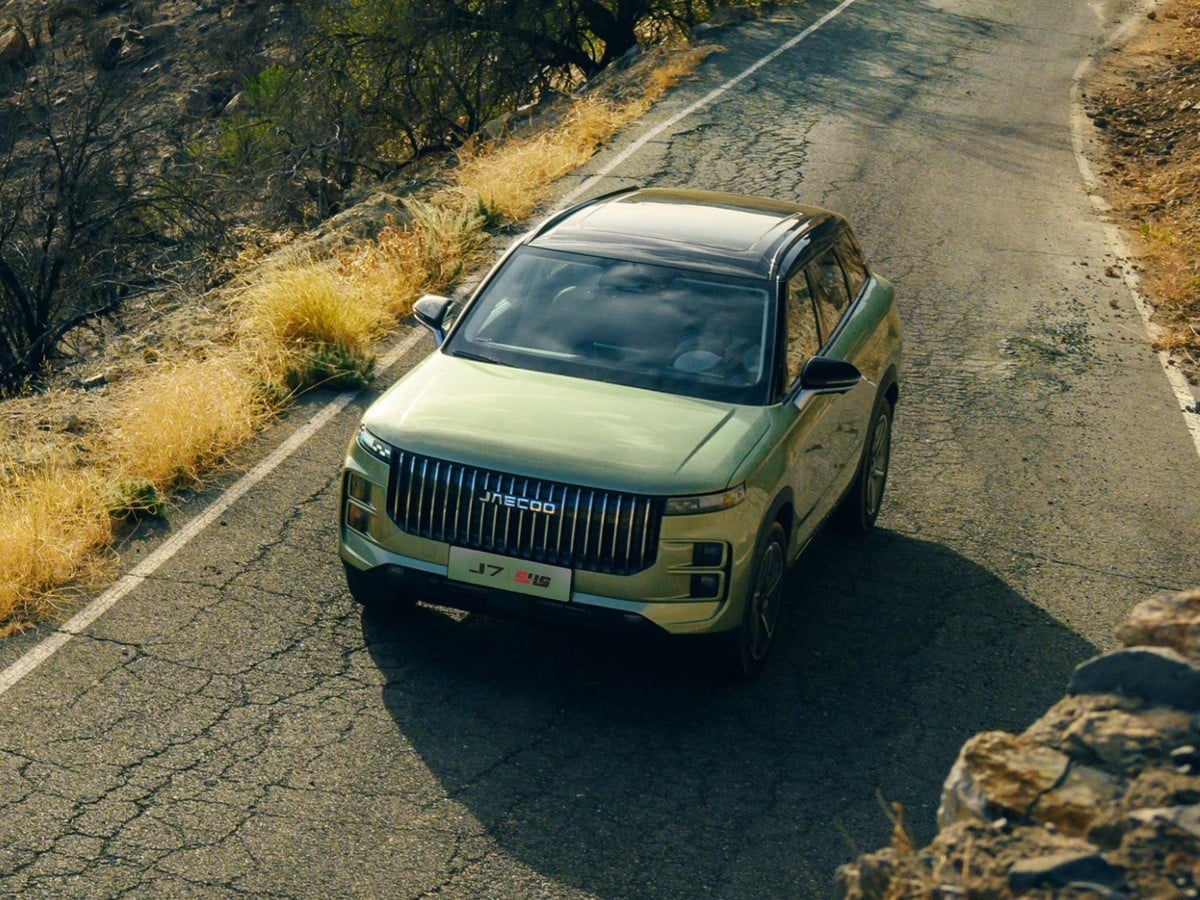
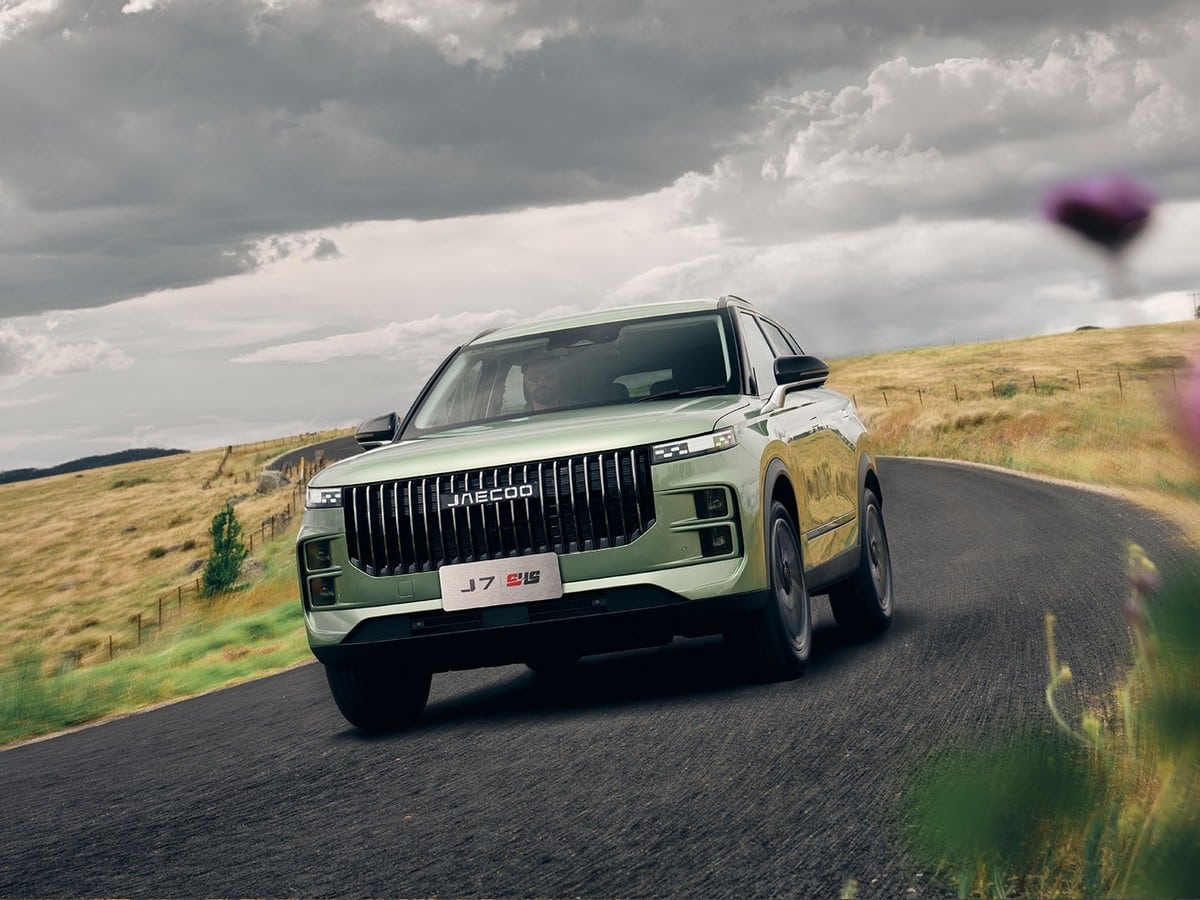
The Jaecoo J7 SHS-P is the most efficiency-focused model in the lineup. As a plug-in hybrid (PHEV), it features an 18.3kWh floor-mounted battery. This allows for a claimed 106km of pure electric driving range, which is sufficient for the majority of Australian daily commutes to be completed without using a drop of petrol.
When the 1.5-litre turbo engine and electric motor work in tandem, the J7 achieves a combined range of 1,200km and a headline fuel consumption figure of just 1.0L/100km. The J7 also introduces DC fast-charging capabilities to the range, allowing the battery to charge from 30% to 80% in 20 minutes. At $43,990 driveaway, it undercuts several key competitors in the mid-size PHEV segment.
3. Jaecoo J8 SHS-P: The Seven-Seat Family Solution
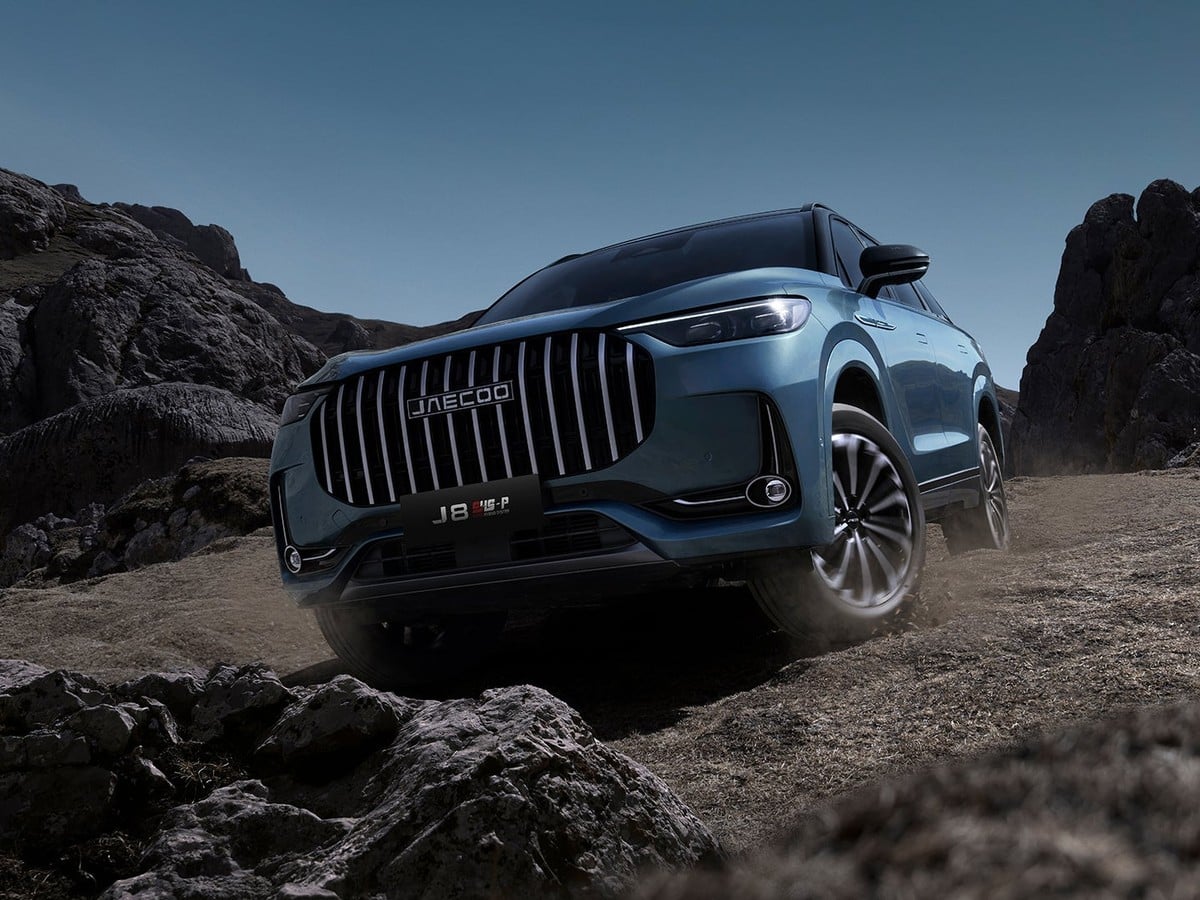
Recognizing the Australian preference for larger family haulers, the Jaecoo J8 SHS-P enters the market as a three-row, seven-seat SUV. The J8 significantly ramps up the power delivery, producing a combined 315kW and 580Nm of torque sent to all four wheels.
The J8 is designed for longer journeys and heavier loads. Despite its size, it offers a pure electric range of up to 169km, thanks to a larger battery capacity. While its combined range is slightly lower than the J7 at 1,000km due to the added kerb weight, it remains a competitive option for families transitioning away from diesel-powered large SUVs. It is currently available with a manufacturer’s suggested retail price (MSRP) of $59,990 plus on-road costs.
4. Omoda 9 SHS-P: The Performance Flagship
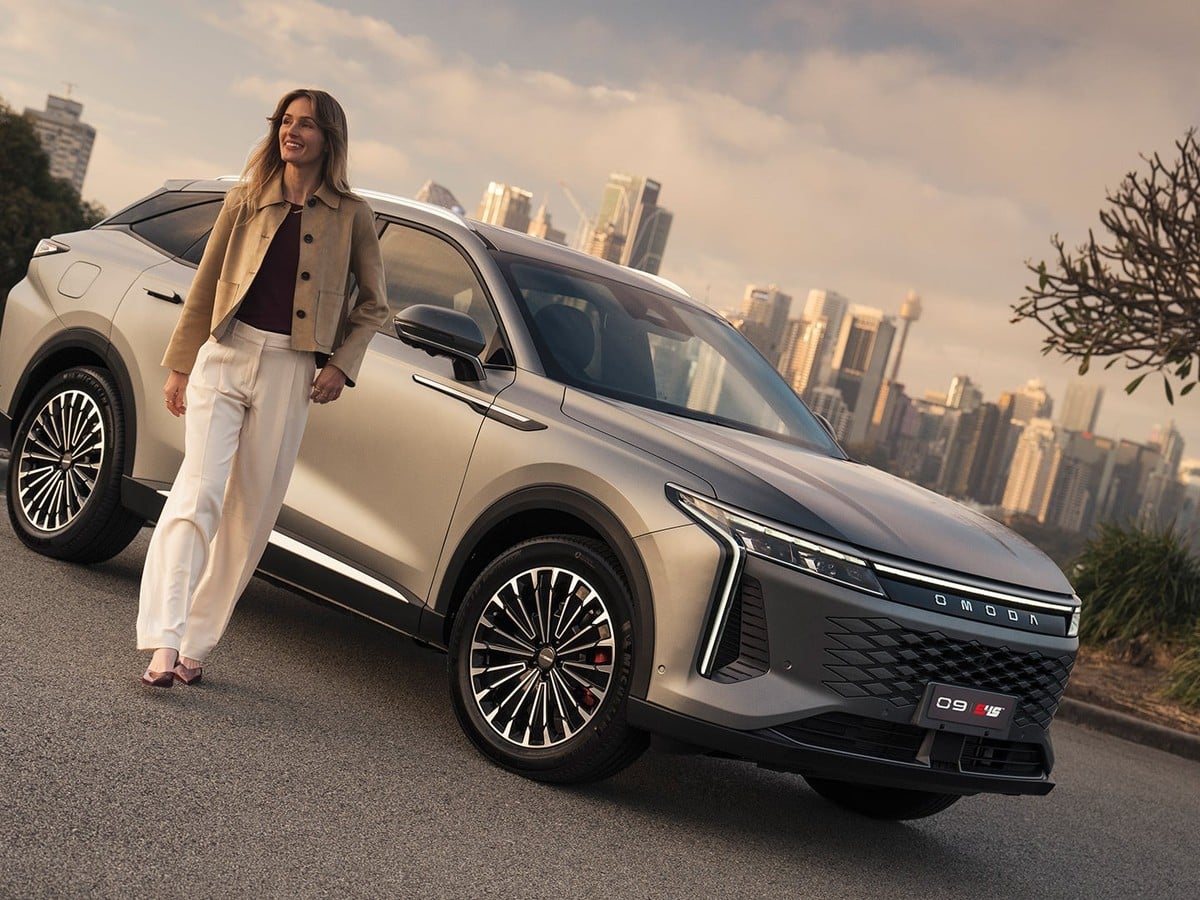
The Omoda 9 SHS-P is the pinnacle of the current range, blending luxury aesthetics with performance-car specifications. The flagship model produces a staggering 395kW, enabling a 0-100km/h sprint in just 4.9 seconds. This performance profile places it in direct competition with premium European SUVs that often cost twice as much.
The Omoda 9 utilizes a 34kWh battery, providing the same 169km electric-only range as the J8 but with a more aerodynamic body (boasting a drag coefficient of 0.308). It also features a 1,500kg braked towing capacity, making it a viable option for those with light caravans or boat trailers. To incentivize early adoption, the brand has offered a $5,000 bonus off the driveaway price for the Virtue AWD grade.
Market Context and Competitive Landscape
The launch of the Omoda Jaecoo Super Hybrid range comes at a pivotal moment for the Australian automotive industry. The federal government’s New Vehicle Efficiency Standard (NVES), which aims to reduce the carbon intensity of the national fleet, is putting pressure on manufacturers to lower their average emissions.
By offering PHEVs with electric ranges exceeding 100km, Omoda Jaecoo is positioning itself as a leader in "ultra-low emission" vehicles that do not require the immediate sacrifice of long-distance convenience. This strategy places them in a direct "specification war" with BYD, whose Sealion 6 has seen significant success, and Mitsubishi, the long-time incumbent in the PHEV space with the Outlander.
Industry analysts note that the success of these Chinese brands in Australia is largely driven by their ability to offer high-tech features—such as large infotainment screens, advanced driver assistance systems (ADAS), and vehicle-to-load (V2L) capabilities—at price points that legacy manufacturers struggle to match.
Warranty, Reliability, and Consumer Confidence
One of the primary hurdles for newer brands in the Australian market is establishing long-term trust. To combat this, Omoda Jaecoo has implemented an industry-leading warranty program. Every vehicle in the Super Hybrid range is backed by an 8-year, unlimited-kilometre warranty on the high-voltage battery system.
Furthermore, the brand’s connection to Chery provides a robust supply chain and a growing dealership network across Australia. By ensuring that parts and servicing are readily available, the group aims to mitigate the "orphan brand" syndrome that has affected some previous automotive entries into the country.
Technical Specifications Summary
| Feature | Jaecoo J5 SHS-H | Jaecoo J7 SHS-P | Jaecoo J8 SHS-P | Omoda 9 SHS-P |
|---|---|---|---|---|
| Powertrain | Self-Charging Hybrid | Plug-in Hybrid | Plug-in Hybrid | Plug-in Hybrid |
| Max Power/Torque | 165kW / 295Nm | 1.0L/100km (Claimed) | 315kW / 580Nm | 395kW |
| EV Range | N/A | 106km | 169km | 169km |
| Combined Range | ~900km | 1,200km | 1,000km | 1,100km |
| Charging | Engine/Regen Only | DC Fast Charge (20m) | DC Fast Charge | DC Fast Charge (25m) |
| Seating | 5 | 5 | 7 | 5 |
| Price (AUD) | $34,990 Driveaway | $43,990 Driveaway | $59,990 + ORC | $5,000 Bonus Applied |
Implications for the Australian Consumer
The arrival of the Super Hybrid range signifies that the "hybrid" label is no longer a monolithic category. Consumers now have the choice between self-charging systems that prioritize ease of use and plug-in systems that offer genuine electric-only commuting capabilities.
For the Australian driver, the 1,200km range of the J7 SHS-P is a particularly potent selling point, as it effectively eliminates "range anxiety" during the classic Australian road trip while providing the environmental benefits of an EV during the working week. As infrastructure continues to catch up with vehicle technology, the Super Hybrid range stands as a versatile solution for a market that demands both innovation and reliability.
The expansion of Omoda Jaecoo suggests that the competitive pressure on traditional "Big Auto" brands will only intensify. With aggressive pricing, high-performance benchmarks, and a clear understanding of local consumer needs—such as the J5’s pet-friendly features or the Omoda 9’s towing capacity—the Super Hybrid range is poised to become a common sight on Australian roads.



 Yuyun Lusiyani
 Joko Widodo
 Eva Lovia
 Pevita Pearce
 admin
admin