
 Lina Irawan
The global spirits industry has observed a significant shift in consumer behavior during the winter months, characterized by a transition from high-acid, ice-diluted beverages to complex, temperature-driven serves. As the Southern Hemisphere navigates its peak winter season and the Northern Hemisphere prepares for its own seasonal transition, the demand for sophisticated warming cocktails has surged. This evolution in mixology is not merely a matter of comfort but is rooted in the complex science of temperature, flavor perception, and a historical lineage that dates back over four centuries. Modern bartenders and home enthusiasts are increasingly moving beyond traditional staples like the basic Hot Toddy, embracing advanced techniques such as fat-washing and unique spirit pairings to redefine the "winter warmer" category.
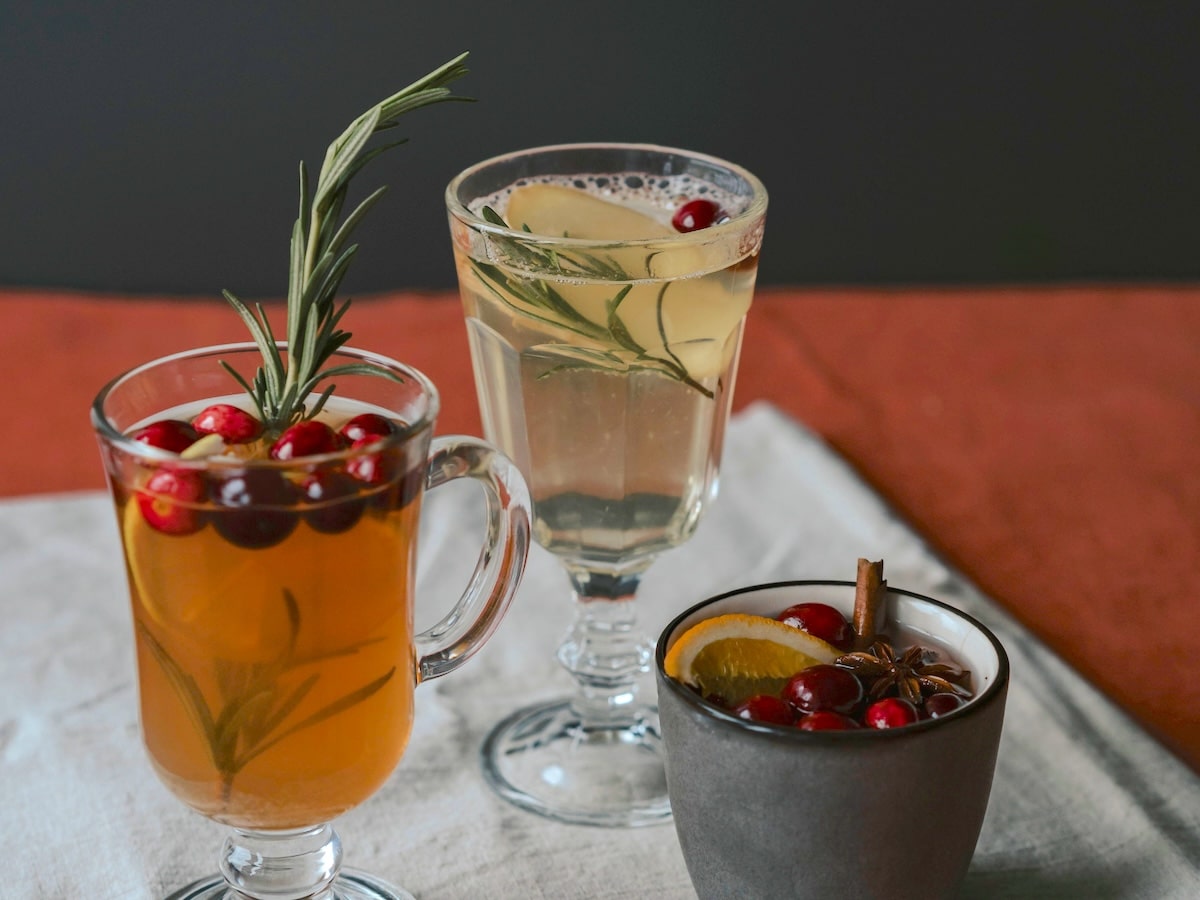
The Science of Temperature and Flavor Perception
The distinction between hot and cold cocktails is governed by the physiological response of the human palate. Culinary science indicates that temperature serves as a primary modulator of flavor. Colder temperatures are known to suppress the sensitivity of taste buds, particularly in the perception of sweetness and bitterness. Consequently, cold cocktails—such as the Margarita or the Negroni—rely on high concentrations of citrus, sugar, or bitter agents to ensure a balanced profile when served over ice.
Conversely, heat serves as a catalyst for aromatic compounds. When a cocktail is served warm, the volatility of the alcohol and the accompanying spices increases, allowing the olfactory system to engage more deeply with the beverage. This intensification means that hot cocktails require a delicate balance; excessive heat can make the ethanol burn too sharp, while insufficient heat fails to bloom the spices. Professional mixologists note that the ideal temperature for a hot serve typically ranges between 120°F and 140°F (49°C to 60°C). This range provides the "mug-hugging" comfort consumers seek while preserving the integrity of the spirit’s base notes—such as the vanilla in bourbon or the botanical complexity of gin.

Historical Chronology of Winter Spirits
The lineage of the warming cocktail is a tapestry of colonial trade, medicinal folk remedies, and the evolution of the modern bar.
- The 1600s: Colonial Beginnings: In the mid-to-late 17th century, the American colonies became a crucible for the Hot Buttered Rum. Utilizing the abundance of molasses-based spirits from the Caribbean, early settlers added spices and fats (butter) to create a high-calorie, warming beverage designed to combat harsh Atlantic winters. Simultaneously, in colonial India, the "taddy"—a drink made from fermented palm sap—began its transformation into the British "Toddy" as soldiers added hot water, sugar, and spices to their rations of Scotch whisky.
- The Medieval Influence: Mulled beverages, specifically ciders and wines, trace their origins further back to medieval England and Europe. Originally a method to make low-quality or oxidizing wine palatable, the practice of "mulling" with cinnamon, cloves, and star anise became a festive staple that has persisted for nearly a millennium.
- The 1800s: The Golden Age of Mixology: The 19th century saw the formalization of these recipes. In 1862, Jerry Thomas, often cited as the father of American mixology, included the Brandy Milk Punch in his seminal work, The Bartender’s Guide. During this same period, the Old Fashioned emerged in Kentucky, establishing the template for spirit-forward, "warming" drinks that did not necessarily require external heat to provide a thermal sensation.
- The 21st Century: Technical Innovation: Modern mixology has introduced chemical processes like "fat-washing"—the infusion of spirits with fatty substances like butter or bacon grease—to add texture and savory depth to winter menus, representing the current frontier of seasonal drinking.
Technical Analysis of Modern Winter Repertoires
To understand the current state of winter mixology, one must examine the specific technical requirements of contemporary serves. The following five categories represent the pinnacle of current seasonal trends.
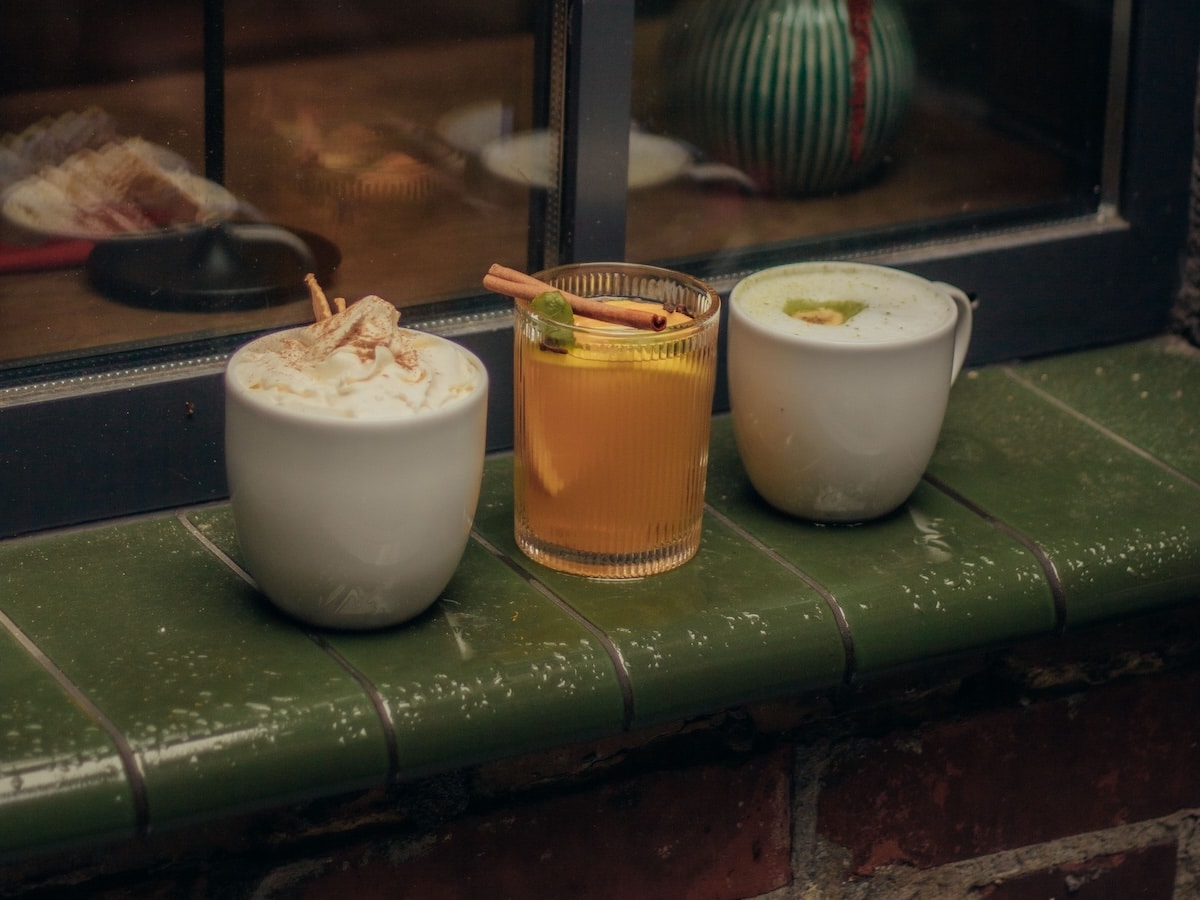
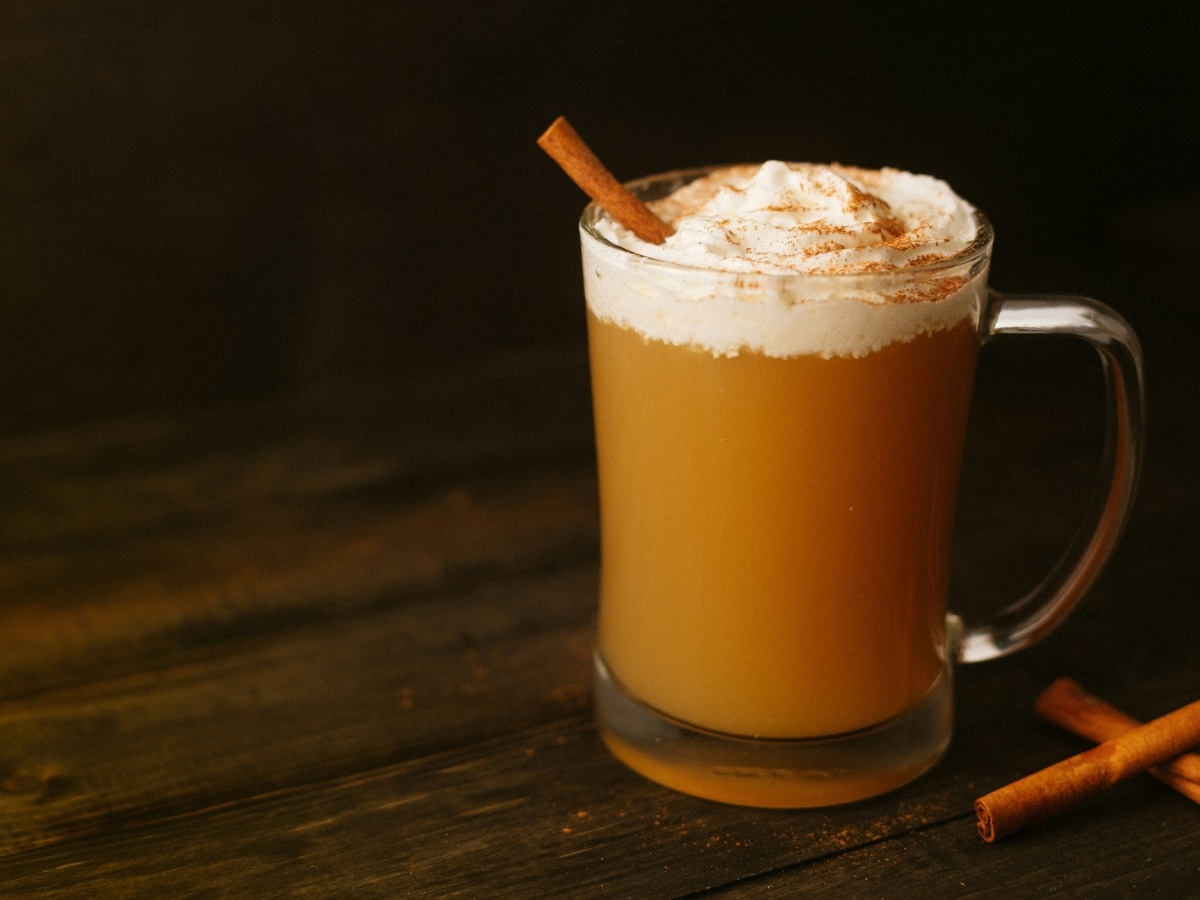
1. The Brown Butter Fat-Washed Hot Buttered Rum
The modern iteration of the Hot Buttered Rum utilizes fat-washing to achieve a silky mouthfeel without the oiliness often associated with the 17th-century version. This process involves melting unsalted butter until it browns (developing nutty, toasted notes), mixing it with a dark, aged rum, and allowing the mixture to freeze. The fat solidifies and is then strained off, leaving the rum with the flavor and texture of the butter but none of the solids. When combined with a batter of brown sugar, cinnamon, and nutmeg, the result is a sophisticated, structurally sound beverage that bridges the gap between culinary technique and liquid refreshment.
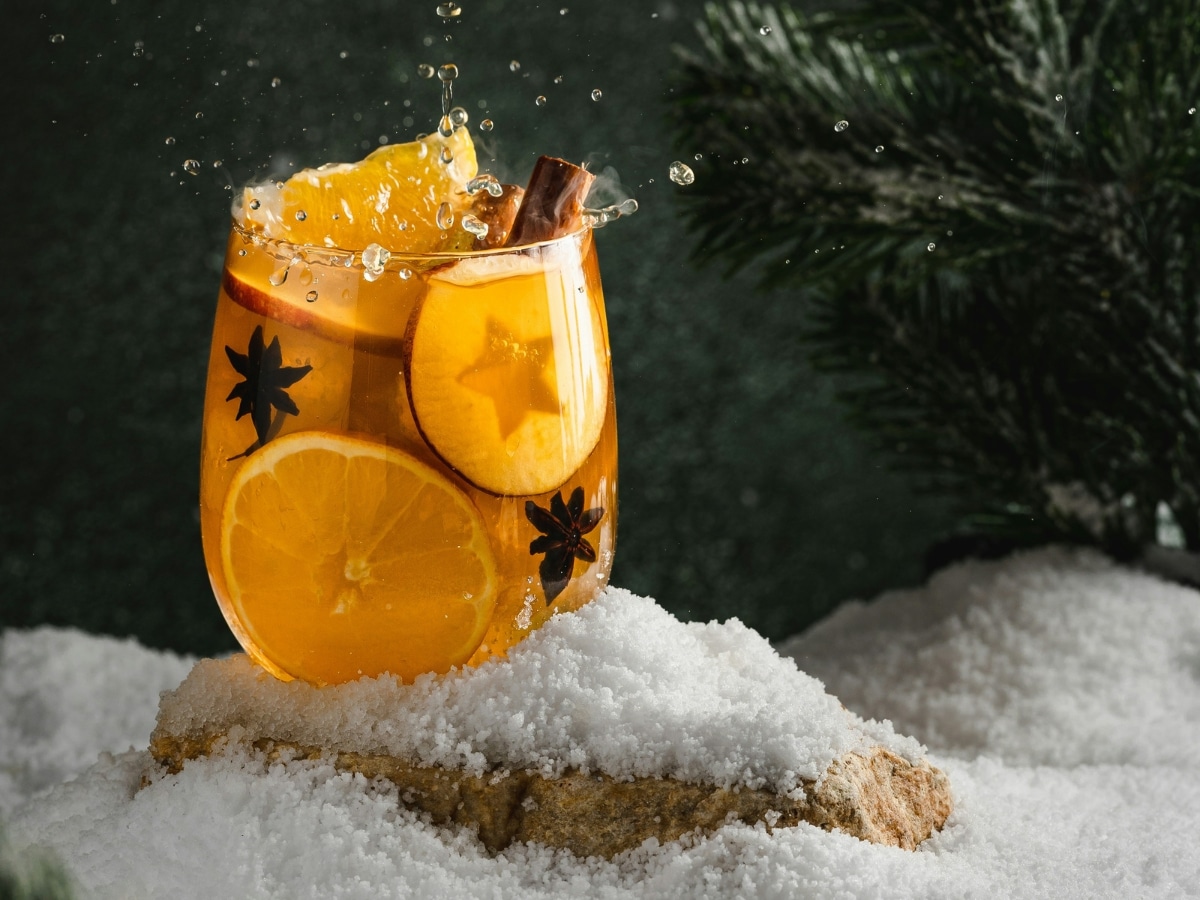
2. Spiced Mulled Cider with Calvados
The elevation of traditional cider involves the introduction of Calvados, a French apple brandy from the Normandy region. Unlike standard brandy, Calvados offers a double-distilled complexity that mirrors the base cider. Technical preparation requires simmering apple cider with star anise, cloves, and cinnamon sticks for at least 20 minutes to extract essential oils. The Calvados is added at the final stage to prevent the evaporation of its delicate aromatic esters.
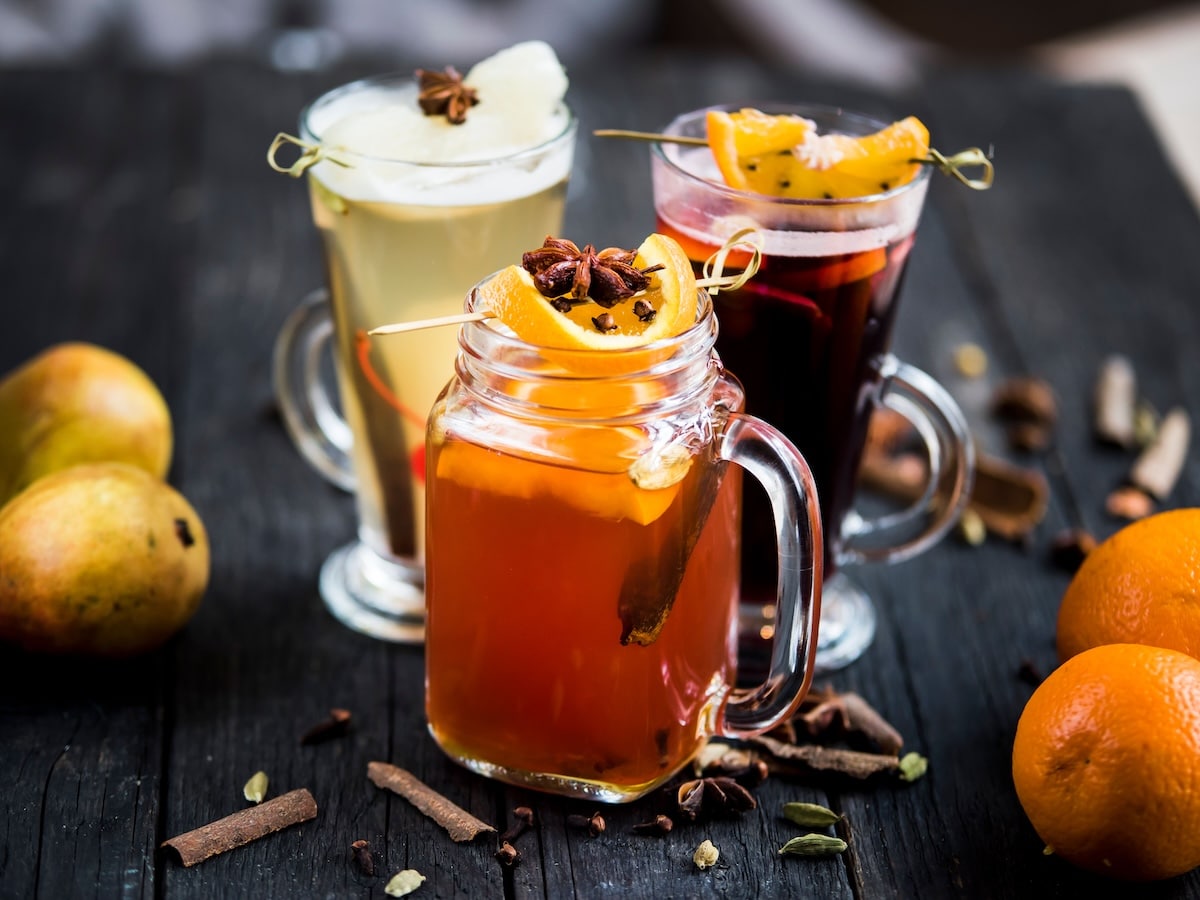
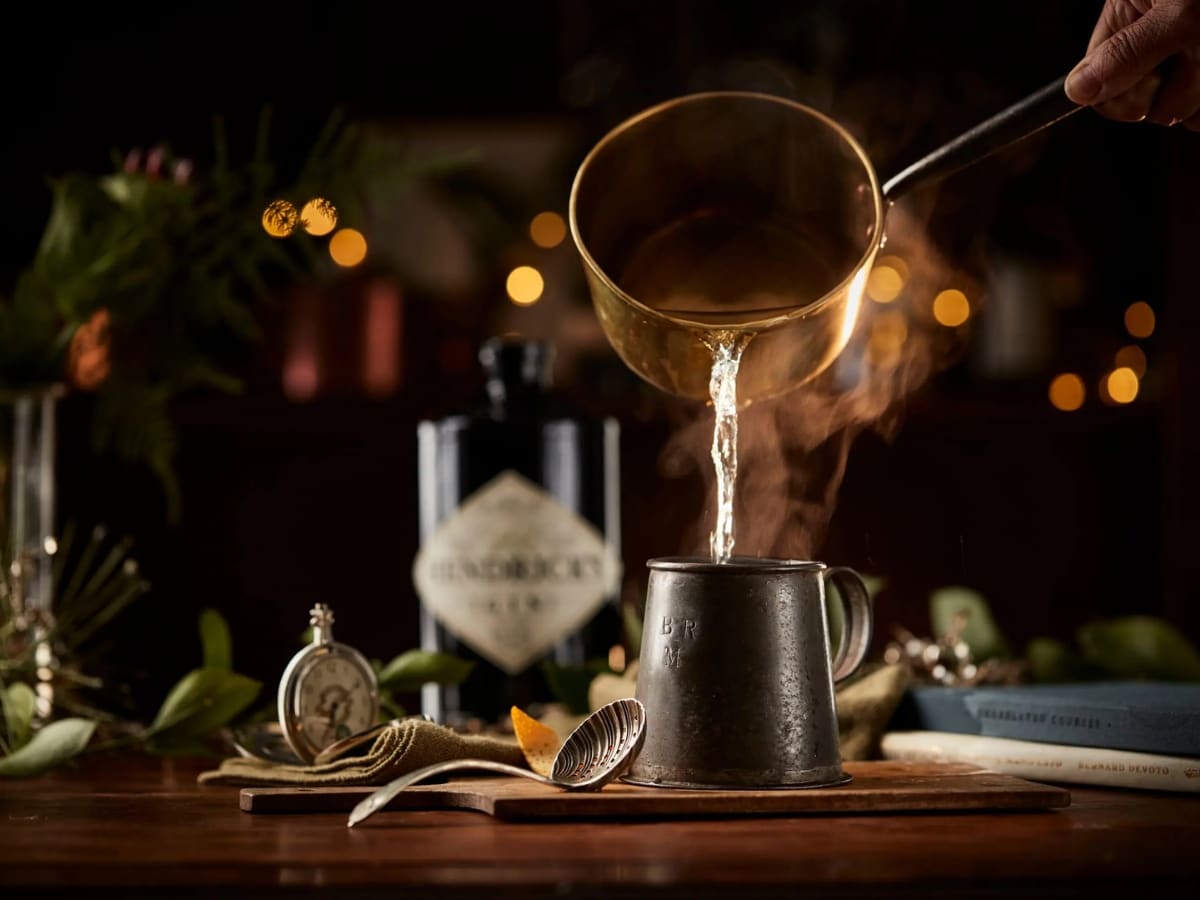
3. The Hot Gin Old Fashioned
A departure from the whiskey-centric tradition, the Hot Gin Old Fashioned leverages the botanical profile of gin—specifically those with citrus or floral forward notes like Hendrick’s. By combining gin with simple syrup and orange bitters, and topping it with hot water, the heat allows the juniper and coriander notes to expand in a way that is impossible in a chilled Gin and Tonic. This serve highlights the versatility of clear spirits in winter applications when balanced correctly with heat and sugar.
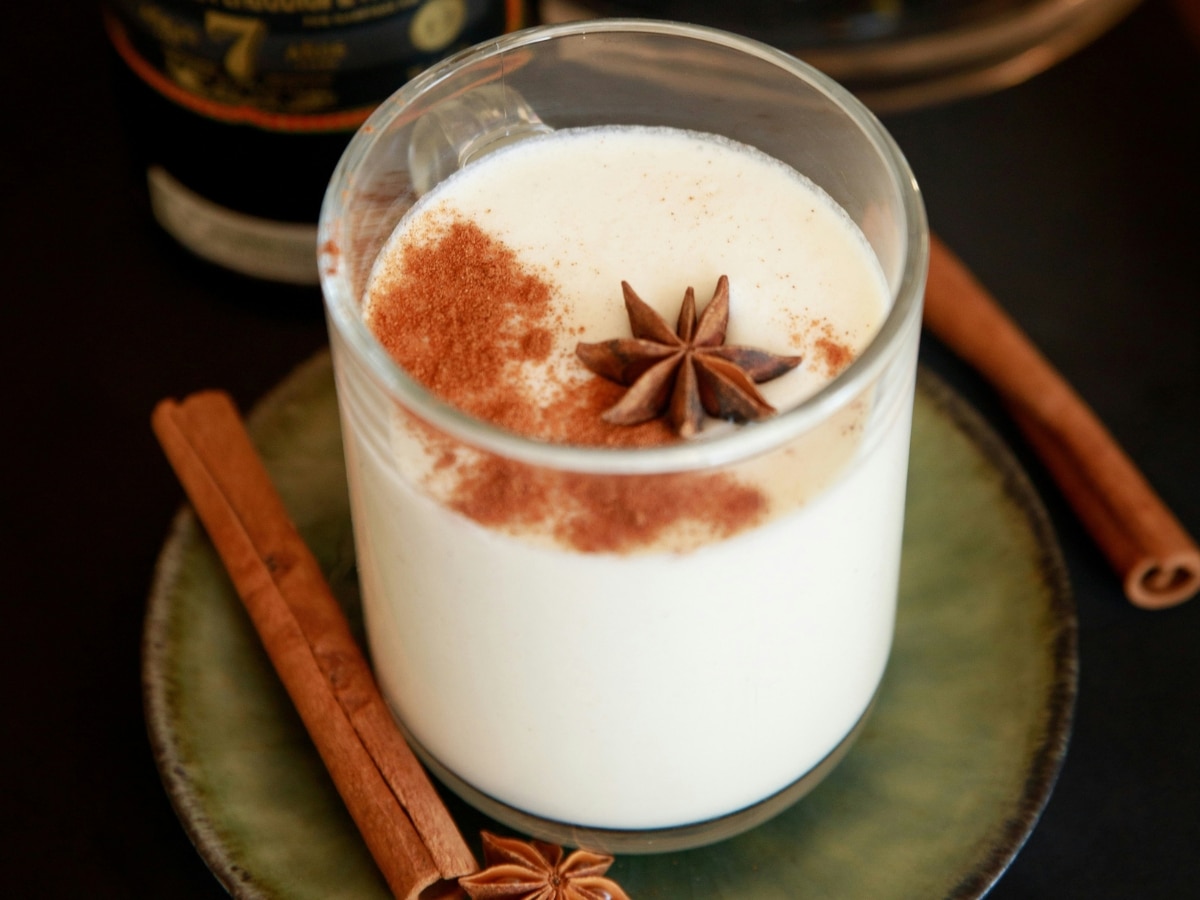
4. Brandy Milk Punch
Unique in the winter category, the Brandy Milk Punch is served cold but is classified as a "warmer" due to its high proof and rich, dairy-based texture. Originating in New Orleans, the drink utilizes brandy or bourbon, whole milk, and vanilla extract. The inclusion of nutmeg as a garnish is not merely aesthetic; the spice provides a sensory bridge to the warmth associated with baked goods, creating a psychological warming effect even when the beverage is chilled.
5. Mezcal Hot Toddy
The Mezcal Hot Toddy represents the "smoky" trend in modern spirits. By substituting traditional Scotch with Mezcal, bartenders introduce an earthy, campfire-like aroma that complements the honey and lemon of a standard Toddy. The smoke from the roasted agave hearts in the Mezcal provides a deeper, more resonant "warmth" than the sharp bite of grain-based whiskies.
Supporting Data and Market Trends
Market analysis from the past three fiscal years indicates a robust growth in "premiumization" within the winter cocktail sector. According to industry reports, consumer spending on aged spirits—specifically dark rum, bourbon, and mezcal—increases by approximately 22% during the winter months. Furthermore, the "At-Home Mixology" segment has seen a 35% rise in the purchase of specialized bar tools, such as thermal carafes and spice infusion kits, suggesting that the complexity of winter drinks is no longer confined to high-end cocktail bars.
The rise of the "sober-curious" movement has also impacted winter menus. Data shows a 40% increase in the development of "Hot Not-Todies," utilizing non-alcoholic botanical spirits that mimic the warming sensation of alcohol through the use of ginger, capsaicin, and concentrated tannins.
Industry Responses and Expert Perspectives
Leading industry figures suggest that the "science of the serve" is now as important as the recipe itself. "We are seeing a move away from the ‘sugar-bomb’ winter drinks of the past," says one senior beverage consultant. "Today’s consumer is looking for transparency in ingredients and a story behind the spirit. Using a specific AOC-protected Calvados or a small-batch Mezcal changes the conversation from a simple warm drink to a curated experience."
Health and wellness trends have also forced a re-evaluation of the "medicinal" claims of winter cocktails. While doctors in the 18th century frequently prescribed Hot Toddies for the common cold, modern health experts clarify that while the steam may ease congestion and the alcohol may provide temporary sedation, hydration remains the priority. This has led to the "Hydrated Cocktail" trend, where hot drinks are increasingly built on bases of herbal teas and infusions rather than just water and spirits.
Broader Impact and Implications for the Hospitality Sector
The shift toward complex winter cocktails has significant implications for the global hospitality industry. For bars and restaurants, a seasonal menu shift is essential for maintaining margins during months when foot traffic may decrease due to inclement weather. The "experience economy" thrives on these seasonal transitions; a well-executed winter cocktail menu provides a "destination" draw for consumers.
Moreover, the technical requirements of drinks like fat-washed rums or house-mulled ciders require higher levels of staff training and prep time, leading to a professionalization of the "back-of-bar" operations. As the Southern Hemisphere concludes its winter season and the Northern Hemisphere enters its own, the global exchange of these recipes and techniques ensures that the art of the winter cocktail remains a dynamic and ever-evolving field of study. The intersection of history, chemistry, and culinary craft continues to turn the simple act of "grabbing a drink" into a sophisticated defense against the seasonal chill.



 Yuyun Lusiyani
 Joko Widodo
 Eva Lovia
 Pevita Pearce
 admin
admin