
 Pevita Pearce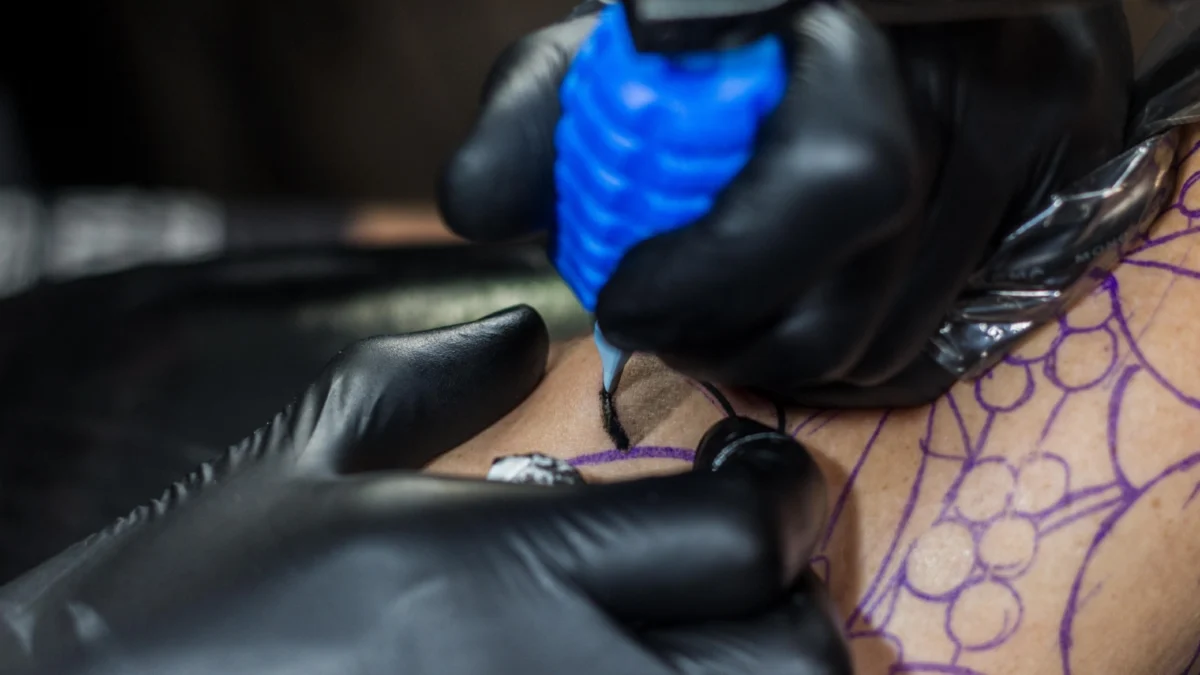
The chief executive officer of LemonLime, an artificial intelligence startup based in San Francisco, has issued a formal apology following a wave of public criticism regarding an unconventional recruitment stunt. Jordan Zietz, the founder of the nascent firm, drew international attention and significant backlash after proposing that job seekers receive a permanent tattoo of the company’s logo—a stylized lemon wedge—in exchange for a guaranteed job interview. The incident has ignited a broader conversation regarding the ethical boundaries of startup culture, the power dynamics between employers and desperate job seekers in a competitive tech market, and the lengths to which founders will go to generate "viral" brand awareness.
LemonLime is currently a member of the Summer 2026 cohort of Y Combinator, the prestigious Silicon Valley accelerator known for launching industry giants such as Airbnb, Dropbox, and Stripe. As part of the program, the five-person team at LemonLime received a standard $500,000 investment and access to an elite network of mentors and investors. However, the prestige of the Y Combinator brand was quickly overshadowed by the controversy surrounding Zietz’s recruitment tactics, which many observers characterized as exploitative and reckless.
The Genesis of the "Tattoo for an Interview" Strategy
The controversy began when Zietz took to LinkedIn to share highlights from a "YC Startup School" afterparty hosted at the LemonLime office in San Francisco. In the now-deleted post, Zietz described the event as an opportunity to identify "exceptional people" who possessed a level of dedication and risk-taking congruent with the company’s internal culture.
"We hosted a YC Startup School afterparty at the LemonLime office to meet exceptional people, and find out which of them are just as crazy as we are," Zietz wrote in the original announcement. He further explained that the company had hired a professional tattoo artist to be present at the party, offering "an instant interview to anyone who got a LemonLime tattoo." Zietz defended the move at the time by stating, "We are bold, we take risks, and we do things that haven’t been done before."
The logo in question, a minimalist representation of a lemon wedge, was intended to serve as a permanent badge of loyalty. For Zietz, the act of tattooing one’s body with a corporate logo represented the ultimate "proof of work" and a signifier of a candidate’s willingness to commit fully to the startup’s mission. However, the professional community on LinkedIn and other social media platforms quickly pushed back, arguing that the stunt crossed a line from "scrappy startup marketing" into the realm of ethical misconduct.
Public Backlash and the Move to X
The reaction to the LinkedIn post was swift and overwhelmingly negative. Critics pointed out the inherent power imbalance involved in the offer, noting that in an era of tech layoffs and a tightening job market, offering a career opportunity in exchange for permanent bodily alteration could be seen as coercive. Labor advocates and HR professionals took to social media to label the move "unprofessional," "dystopian," and "a new low for Silicon Valley."
Recognizing the escalating PR crisis, Zietz deleted the original LinkedIn post and pivoted to X (formerly Twitter) to issue a lengthy apology. In his statement, Zietz admitted that he had "messed up" and acknowledged that his attempt at a "fun, memorable way to meet people" was, in reality, "reckless."
"I messed up," Zietz wrote on X. "At our YC afterparty, we offered free tattoos and said we’d be happy to interview anyone who got one. What I thought would be a fun, memorable way to meet people was, in reality, reckless, and instead came across as tying a permanent tattoo to job opportunity."
The apology, while intended to mitigate the damage, only led to further scrutiny as details emerged regarding the number of individuals who had actually undergone the procedure.
Conflicting Reports and the "Seven" Candidates
One of the most contentious aspects of the story involves the actual number of people who received the LemonLime tattoo. According to initial reports and Zietz’s own social media claims, seven individuals took the deal. These candidates were reportedly granted immediate interviews and remained in the company’s hiring pipeline following the event.
Inc. Magazine reported that these seven individuals were not only still being considered for roles within the five-person startup but that three of them had also participated in a subsequent team-building exercise: skydiving. This further emphasized the "extreme" culture Zietz was attempting to cultivate at LemonLime.
However, a significant contradiction emerged when Zietz communicated with the San Francisco Standard. In a statement to the local news outlet, Zietz denied that anyone had actually been tattooed with the company logo. This denial directly contradicted his previous public claims and the photographic evidence suggested by the original LinkedIn post. The discrepancy has led to speculation as to whether the "seven candidates" were a fabrication intended to bolster the startup’s "edgy" image, or if the denial was a desperate attempt at damage control to avoid potential legal or regulatory scrutiny regarding workplace safety and hiring practices.
The Context of Y Combinator and Startup "Hustle" Culture
The incident at LemonLime does not exist in a vacuum. It is a product of a specific Silicon Valley subculture that prizes "disruption" and "unconventional thinking" above traditional corporate norms. Y Combinator, while providing essential capital and guidance, also fosters a high-pressure environment where startups must compete for the attention of investors during "Demo Day."
Historically, startups have used shock marketing to stand out. In the early 2000s and 2010s, it was not uncommon for founders to engage in public stunts or aggressive growth hacking. However, as the tech industry has matured and faced increased scrutiny over its social impact, the appetite for such behavior has diminished. The LemonLime incident serves as a stark reminder that the "move fast and break things" mentality can have literal, physical consequences when applied to human resources and recruitment.
Furthermore, the Summer 2026 cohort is operating in a landscape dominated by the AI gold rush. With thousands of new AI startups competing for a limited pool of talent and venture capital, the pressure to appear unique is immense. This environment often rewards founders who can generate "buzz," but as LemonLime discovered, there is a fine line between being "bold" and being perceived as predatory.
Ethical and Legal Implications of the Recruitment Stunt
Legal experts have noted that while it may not be explicitly illegal to offer an interview in exchange for a tattoo, the practice enters a legal gray area regarding employment discrimination and workplace safety. If the "tattoo requirement" were to disproportionately exclude certain protected groups, it could be grounds for a disparate impact claim under employment law.
From an ethical standpoint, the move has been widely condemned by the tech community. "Recruitment should be based on skill, merit, and cultural alignment—not on a candidate’s willingness to mutilate their body for a chance at a paycheck," said one San Francisco-based HR consultant who requested anonymity. "This sets a dangerous precedent where the ‘loyalty’ of an employee is measured by physical markers rather than professional output."
The incident also raises questions about the responsibility of startup accelerators like Y Combinator. While YC provides the funding, the degree to which they oversee the day-to-day cultural decisions of their portfolio companies is limited. However, the association with a "tattoo-for-jobs" scheme is a branding challenge for the accelerator itself, which prides itself on professional excellence.
Broader Impact on the AI Startup Ecosystem
The LemonLime controversy occurs at a time when the AI sector is under intense observation. From AI-powered pet translators to "AI Jesus" chatbots, the market is flooded with applications that range from the revolutionary to the absurd. This "Wild West" atmosphere often encourages founders to prioritize notoriety over substance.
For LemonLime, the long-term impact of this stunt remains to be seen. While the company succeeded in getting its name into major publications like Inc. and the San Francisco Standard, it did so for reasons unrelated to its technology or business model. In the competitive world of venture capital, a "toxic" or "reckless" reputation can be a significant hurdle when seeking Series A funding or trying to attract senior talent from established firms like Google or Meta.
The seven (or zero) candidates who participated in the event are now part of a cautionary tale about the intersection of personal identity and corporate branding. As the startup world continues to evolve, the LemonLime incident will likely be cited as a definitive example of "founder overreach" and the potential pitfalls of treating recruitment as a performance art.
Conclusion and Future Outlook
Jordan Zietz’s apology on X suggests a realization that the "growth at all costs" mentality has its limits. By acknowledging the recklessness of the tattoo offer, the CEO is attempting to steer the company back toward professional legitimacy. However, the conflicting reports regarding the actual tattoos and the subsequent skydiving activities suggest that LemonLime is still grappling with its identity as a "bold" disruptor.
As the Summer 2026 cohort progresses, the tech industry will be watching to see if LemonLime can transition from a headline-grabbing curiosity into a viable AI enterprise. For now, the "lemon wedge" remains a symbol not just of a startup’s brand, but of the ongoing tension between Silicon Valley’s desire for eccentricity and the fundamental requirements of ethical business conduct. The lesson for the next generation of founders is clear: while being "crazy" might get you noticed, it is professional integrity and respect for the workforce that ultimately builds a lasting legacy.



 Yuyun Lusiyani
 Joko Widodo
 Jia Lissa
 admin
admin
