
 Pevita Pearce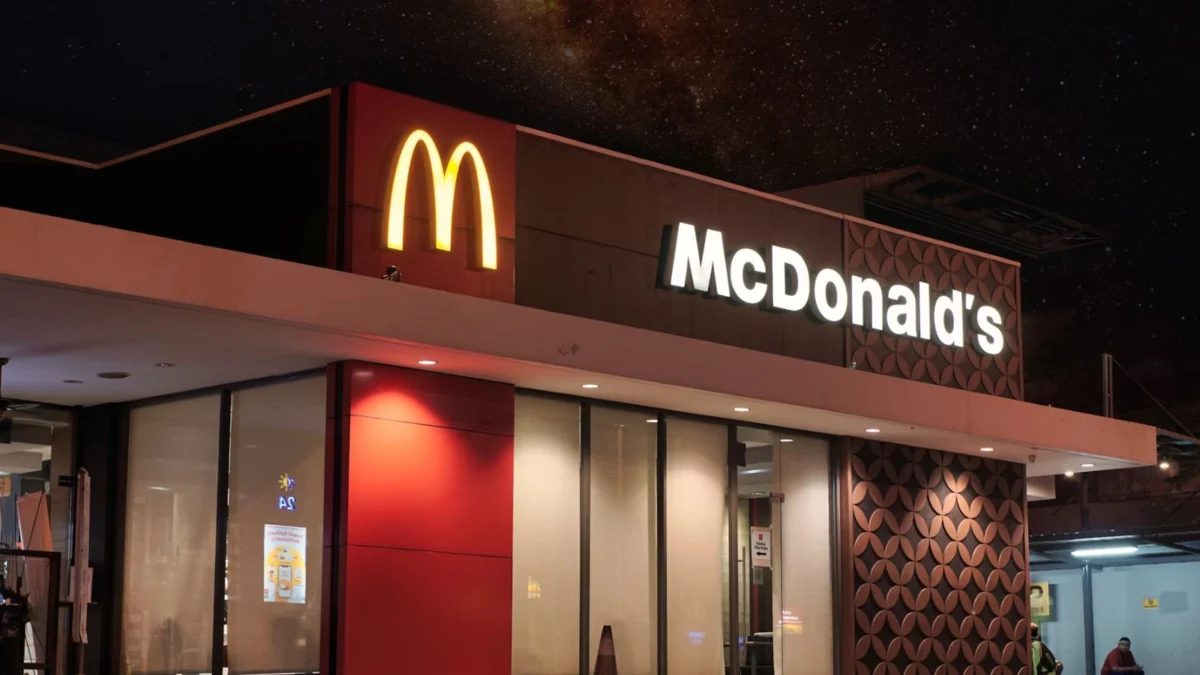
McDonald’s Korea has officially terminated the sale of its highly popular Chungju Corn Cheese Croquette Burger across all domestic branches after receiving multiple reports from consumers regarding the presence of hard, stone-like debris within the product. The decision, which went into effect at 8:00 p.m. on July 30, 2026, marks an abrupt and permanent end to what had been one of the company’s most successful seasonal launches. The burger, which was the sixth installment of the company’s "Taste of Korea" initiative, was originally scheduled to remain on the menu until August 12, but safety concerns prompted management to pull the item nearly two weeks ahead of schedule.
The "Taste of Korea" campaign, which began in 2021, was designed to support local agricultural communities by incorporating regional specialties into McDonald’s menu items. The Chungju Corn Cheese Croquette Burger featured a unique deep-fried croquette filled with mozzarella cheese and waxy corn kernels sourced directly from farms in Chungju, North Chungcheong Province. Despite its commercial success—surpassing one million units sold in just over 14 days—the company has stated that the product will not return to the menu, even after the investigation into the contamination is completed.
A Rapid Rise and Abrupt Fall: The Timeline of the Chungju Corn Burger
The Chungju Corn Cheese Croquette Burger was launched with significant fanfare on July 9, 2026. It followed in the footsteps of previous successful regional collaborations, such as the Changnyeong Garlic Burger and the Jindo Green Onion Cream Cheese Burger. The marketing campaign emphasized the quality of Chungju’s waxy corn, a staple of the region known for its chewy texture and sweetness.
Within the first week of its release, the burger became a viral sensation on social media platforms, leading to high foot traffic at McDonald’s locations across South Korea. By July 25, the company reported that it had utilized approximately 25 metric tons of corn sourced from local Chungju farmers to meet the overwhelming demand. At that stage, the product was on track to become the highest-selling item in the history of the "Taste of Korea" series.
However, the momentum shifted during the final week of July. On July 28, the first formal complaint was lodged by a customer who claimed to have bitten into a "hard, pebble-like object" while consuming the burger. By July 30, two additional complaints of an identical nature were filed through the company’s official customer service channels. Adhering to an internal safety protocol that mandates an immediate suspension of sales upon the receipt of three or more identical foreign object reports, McDonald’s Korea issued a nationwide stop-sell order effective at 8:00 p.m. that evening.
Official Response and Investigative Procedures
In a statement released via The Korea Times, a spokesperson for McDonald’s Korea emphasized that the company’s primary obligation is to consumer safety, regardless of the commercial impact. "There were complaints that customers bit into stones, and this is an issue related to safety," the official stated. "So, considering customer safety, McDonald’s took the preemptive measure of ending sales early."
The company has launched a comprehensive investigation into its entire supply chain to identify the point of entry for the foreign materials. This investigation involves several layers of the production process:
- The Harvesting Phase: Investigating whether mechanical harvesters in the Chungju corn fields inadvertently collected small stones or hardened soil clumps that bypassed initial cleaning.
- The Processing Phase: Examining the facility responsible for cleaning and shucking the corn kernels to determine if filtration systems failed.
- The Manufacturing Phase: Auditing the production line where the croquettes were assembled, breaded, and frozen. This includes checking the mozzarella cheese supply and the battering equipment.
While the "stones" have not yet been scientifically analyzed to determine their exact mineral composition, the company is treating the reports as credible. Unlike typical product recalls where a specific batch is identified and removed, McDonald’s Korea took the rare step of permanent termination. This suggests that the company views the risk of re-occurrence as too high to justify maintaining the product line, or that the contamination may be inherent to a specific stage of the localized sourcing process that cannot be easily rectified in the short term.
The Economic and Social Impact on Regional Farming
The cancellation of the Chungju Corn Cheese Croquette Burger has significant implications for the "Taste of Korea" initiative and the local farmers it aims to support. The program was built on the premise of ESG (Environmental, Social, and Governance) values, creating a win-win scenario where the multinational corporation receives high-quality, fresh ingredients while local farmers gain a stable, high-volume buyer and national brand exposure.
The sudden halt in sales means that a significant portion of the projected corn supply for the remainder of the promotion may no longer have a primary buyer. In previous years, the "Taste of Korea" program has been credited with revitalizing local economies. For example, the Jindo Green Onion Cream Cheese Burger resulted in the purchase of 50 tons of green onions, significantly boosting the income of farmers in South Jeolla Province. The Chungju corn farmers, who had already supplied 25 tons, were expected to provide another 15 to 20 tons before the promotion’s scheduled end.
Industry analysts suggest that this incident may lead to stricter vetting processes for regional ingredients. While the "Taste of Korea" series has been a marketing triumph, the challenge of maintaining standardized quality control across various small-scale regional suppliers remains a logistical hurdle for a global brand like McDonald’s.
Broader Context: Food Safety Challenges in 2026
The incident in South Korea occurs amidst a period of heightened global sensitivity regarding food safety and supply chain integrity. Earlier in 2026, the United States Food and Drug Administration (FDA) made headlines by issuing a massive recall involving nearly 2,000 different products. That recall followed an inspection of a major distribution warehouse where investigators discovered extensive rodent and bird waste contamination. The scope of that event affected everything from pantry staples to snacks, highlighting the vulnerabilities in centralized food storage and distribution.
While the McDonald’s Korea situation involves a localized "foreign object" rather than biological contamination, both incidents underscore the difficulty of monitoring complex, multi-stage food production. In the case of the Chungju burger, the "stone" reports highlight the physical risks associated with agricultural products. Hardened kernels, pieces of stalks, or actual stones from the field are persistent risks in the processing of corn and grains. However, for a major fast-food chain, even a 0.0001% failure rate can result in significant legal liability and brand erosion.
Consumer Sentiment and the Future of the "Taste of Korea" Series
Public reaction in South Korea has been a mix of disappointment and praise for the company’s transparency. On South Korean web portals like Naver and Daum, many consumers expressed regret over the loss of a favorite menu item but acknowledged that the "permanent termination" was a responsible move. The South Korean consumer base is known for being highly vigilant regarding food quality, and a proactive stance is often viewed more favorably than a delayed or defensive response.
The future of the "Taste of Korea" series remains intact, though it is likely to undergo a period of internal review. McDonald’s Korea has not indicated that it will abandon the program, as it remains a cornerstone of its local identity. However, future iterations may feature more rigorous "double-screening" processes for raw agricultural goods.
The permanent removal of the Chungju Corn Cheese Croquette Burger serves as a case study in modern crisis management. By sacrificing a top-selling product to eliminate any potential risk to customer health, McDonald’s Korea is prioritizing long-term brand trust over short-term revenue. As the investigation continues, the focus will remain on whether the contamination was an isolated agricultural anomaly or a systemic failure in the croquette manufacturing process.
Summary of Key Facts
- Product: Chungju Corn Cheese Croquette Burger.
- Launch Date: July 9, 2026.
- Termination Date: July 30, 2026 (Permanent).
- Sales Performance: Over 1,000,000 units sold in 21 days.
- Ingredients Sourced: 25 metric tons of Chungju waxy corn.
- Reason for Recall: Three reports of hard, stone-like foreign objects.
- Company Policy: Immediate suspension upon three identical safety complaints.
- Investigation Status: Ongoing collaboration with farms and raw material suppliers.
This event highlights the delicate balance between promoting regional, artisanal ingredients and maintaining the rigid safety standards required of a global fast-food leader. While the Chungju corn burger may be gone, the lessons learned from its rapid withdrawal will likely shape the safety protocols of the South Korean food service industry for years to come.




 Yuyun Lusiyani
 Joko Widodo
 Eva Lovia
 admin
admin
 Lina Irawan