
 Yuyun Lusiyani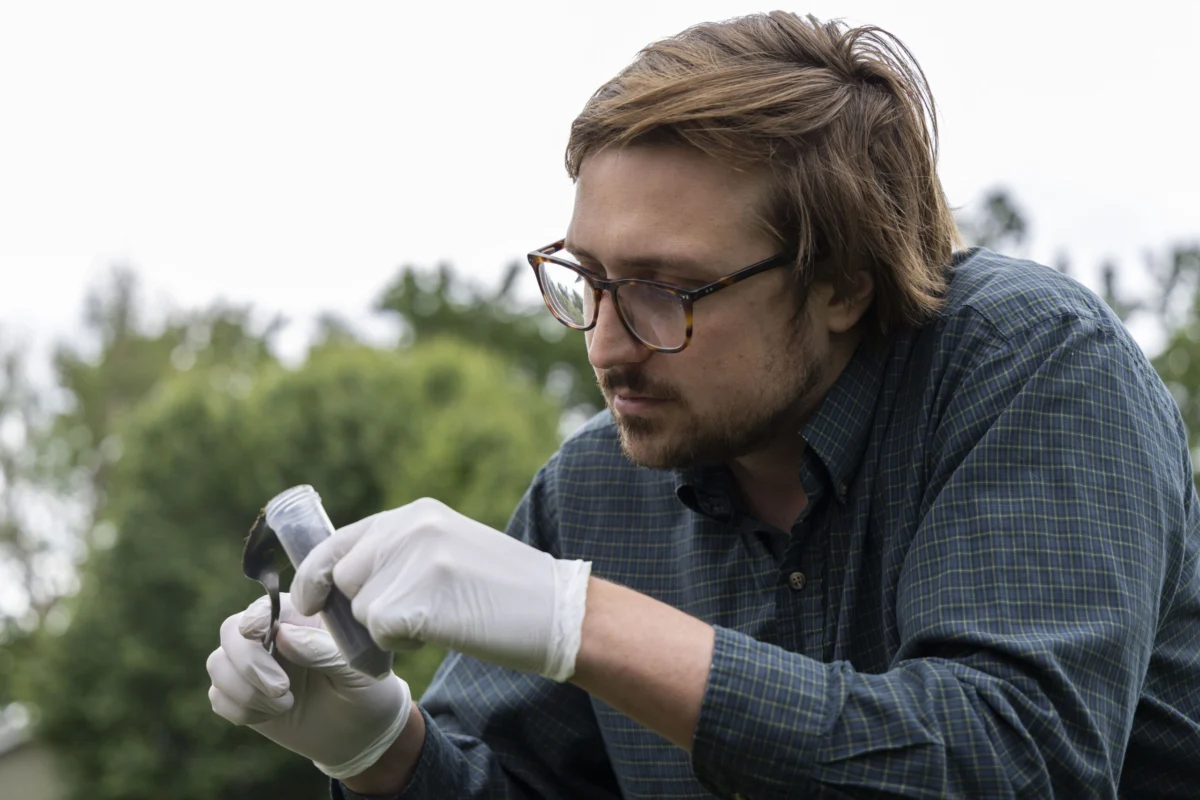
More than two decades after the American Smelting and Refining Company (ASARCO) plant ceased operations, its toxic legacy continues to manifest in the soil of East Omaha, Nebraska. A groundbreaking investigation by the Flatwater Free Press and ProPublica has uncovered widespread lead contamination at concentrations posing a significant threat to public health throughout the area, challenging long-held assumptions about the effectiveness and completeness of prior cleanup efforts. This revelation underscores a critical ongoing environmental justice issue in a community that believed its lead problem had largely been resolved.
The investigation, a meticulous two-year undertaking, originated from a seemingly simple yet profound concern: a lack of accessible, up-to-date information for local gardeners regarding lead contamination. Leah Keinama, then working for a food security nonprofit and now director of civic journalism at the Nebraska Journalism Trust, recognized this critical information gap. Knowing Omaha’s extensive refining history, Keinama and reporters at the Flatwater Free Press partnered to systematically determine whether historical concerns about lead exposure were still warranted years after official remediation. Their findings indicate a persistent and pervasive problem, surprising many residents who were either unaware of the city’s lead history or mistakenly believed the issue was entirely resolved by past Environmental Protection Agency (EPA) cleanups.
The Enduring Legacy of ASARCO: A Century of Contamination
Omaha’s industrial landscape was profoundly shaped by the presence of the ASARCO plant, a major lead refinery that operated for over a century, from 1870 until its closure in 1997. During its operational span, the smelter continuously released plumes of lead-laced smoke, dust, and other heavy metals into the atmosphere, which then settled across the surrounding neighborhoods. This prolonged atmospheric deposition resulted in extensive soil contamination, embedding lead deeply into the residential areas of East Omaha. The health implications of such long-term exposure are severe and well-documented. Lead is a potent neurotoxin, particularly dangerous to young children whose developing nervous systems are highly vulnerable. Exposure can lead to irreversible neurological damage, developmental delays, behavioral problems, reduced IQ, and learning disabilities. In adults, lead exposure is linked to cardiovascular disease, kidney damage, reproductive issues, and neurological impairments. The primary pathways of exposure from soil include direct ingestion (especially by children playing outdoors), inhalation of lead-laden dust, and consumption of vegetables grown in contaminated gardens.
Recognizing the severity of the problem, the EPA declared a 27-square-mile area within Omaha a hazardous waste zone, officially designating it a Superfund site, after ASARCO shut down. This designation initiated a lengthy and extensive period of testing and remediation, with the EPA committing substantial resources to address the widespread contamination. For many residents, the Superfund cleanup, which involved excavating and replacing contaminated soil in thousands of residential properties, signaled the end of the lead crisis. However, the recent investigation suggests a more complex and troubling reality.
A Chronology of Lead Remediation and Policy Shifts
The journey to understand and address Omaha’s lead contamination has spanned decades, marked by significant milestones and policy changes:
- March 1999: The Environmental Protection Agency officially began testing soil in Omaha yards. This action was prompted by growing concerns over elevated blood lead levels detected in local children, which were subsequently traced back to the historic smelter and other industrial facilities that had dispersed lead dust for more than 100 years. This marked the formal recognition of the problem and the beginning of the Superfund site designation.
- December 2015: The EPA announced the completion of its direct cleanup operations for over 13,000 residential properties. At this point, the agency officially passed the remaining oversight and any future cleanup responsibilities to the city of Omaha, shifting the burden of ongoing management and potential remediation to local authorities. This transition fostered a sense of finality regarding the federal government’s direct involvement in the cleanup.
- October 2015 (Note: Original timeline states "Oct. 20, 2025," which is in the future. Assuming this is a typo and should be closer to 2015 for context with December 2015 event): The Trump administration issued guidance that significantly altered the criteria for lead contamination cleanup, effectively tripling the amount of lead required in soil to warrant potential federal remediation. Prior to this guidance, the EPA had been discussing the possibility of expanding the Omaha cleanup efforts to include nearly 27,000 additional properties. This policy change had profound implications, likely limiting the scope of future federal interventions and potentially leaving thousands of properties with elevated lead levels unaddressed under the new, higher threshold. This contextualizes why properties might have been deemed "clean" despite having lead levels that were previously considered problematic.
The Flatwater Free Press and ProPublica Investigation: A Community-Driven Approach
The investigative team recognized that the official channels for lead testing had become limited. Unless Omaha residents could afford private testing, there were few avenues to ascertain the current lead levels in their soil, especially if their properties had already been tested by the city and EPA in the past. This gap in accessible information directly informed the methodology of their groundbreaking investigation.
The project adopted a highly community-centric approach, aiming to reach residents in every neighborhood within and around the Superfund site. Their outreach strategy was multifaceted and exhaustive:
- Direct Engagement: Reporters knocked on doors, hung informational flyers across town, and visited community health centers.
- Public Events: They actively participated in multiple local events, fostering direct conversations with residents.
- Partnerships: Collaborations with local libraries facilitated broader reach, and presentations to college classrooms engaged a younger demographic.
- Digital Outreach: An online sign-up form was strategically posted on various social media channels, including Reddit, leveraging digital communities.
- Media Collaboration: The news of their free soil testing initiative was shared with other local media outlets, such as WOWT, amplifying awareness.
- Language Accessibility: Recognizing the diverse demographics of the Superfund site, where approximately 10% of residents do not speak English, all reporting and informational materials were made available in Spanish, ensuring equitable access to crucial information.
Initially, the Flatwater Free Press partnered with local libraries and community-based organizations to distribute do-it-yourself kits, providing instructions on how residents could collect their own soil samples. However, this method yielded fewer than 100 samples. The team quickly adapted, switching to a more direct and effective sign-up system where residents indicated their willingness for the reporting team to personally collect soil from their yards. This shift proved critical to the investigation’s success.
When a resident signed up for testing, a member of the reporting team, typically Leah Keinama or Flatwater Free Press reporter Chris Bowling, visited the home. Adhering to a careful protocol, they donned latex gloves, wiped down a stainless steel spoon with an unscented wipe, and collected approximately 3 to 4 tablespoons of soil from the middle of the yard, placing it into a sealable vial. This specific collection point was chosen to avoid areas commonly over-contaminated by external factors, such as lead paint remnants near houses or leaded gasoline residue near roads, which the EPA had identified as potential sources of skewed data. As demand for testing surged, the team expanded, hiring two part-time soil collectors to manage the volume.
Labeled samples were then sent to Accurate Analytical Testing, an EPA-accredited laboratory, at a cost of $10 per test. Upon receiving the results, the team diligently informed residents (unless they had opted out) and developed a comprehensive guide to address frequently asked questions about lead contamination and potential next steps.
Methodological Nuances and Expert Consensus
The investigative team’s soil collection process differed from the EPA’s standard method, which typically involves taking multiple composite samples from five distinct sections of a yard. The Flatwater Free Press and ProPublica chose to take a single sample from one area of each yard. This approach was a strategic decision aimed at maximizing outreach and testing capacity, allowing them to reach a greater number of households while keeping operational costs reasonable. In a limited number of cases, multiple samples were taken from the same yard and tested individually, with only the highest result used for their analysis to represent a "worst-case" scenario for that property.
The EPA acknowledged that sampling a single area "can be strongly biased high or low" compared to composite sampling. However, the investigative team consulted nine independent environmental contamination experts to critically evaluate their methodology and findings. Several of these experts concluded that while single samples might vary, when a sufficiently large number of samples are collected across an area, they can collectively offer broad and reliable conclusions about overall contamination levels. Some experts even suggested that the single-sample method, by focusing on a specific spot, might even underestimate the overall contamination on a property if hot spots were missed. Conversely, other experts noted that even the EPA’s method of gathering multiple composite samples could potentially miss localized "hot spots" of contamination or, paradoxically, underestimate the highest levels present by averaging them out. This expert dialogue underscored the inherent challenges in environmental sampling but ultimately supported the validity of the investigation’s broad conclusions given its scale.
Startling Discoveries: Persistent Contamination and Remediation Failures
Over the course of two years, the investigation collected soil samples from 620 homes located within and immediately outside the Omaha Superfund site. The team is also continuing to collect samples from the nearby cities of Bellevue, Nebraska; Carter Lake, Iowa; and Council Bluffs, Iowa, to assess the broader regional impact.
A critical step in their analysis involved matching each sampled home with Omaha’s official lead registry, which contains detailed information on remediation status and past EPA testing results for specific addresses. By comparing their current test results with this historic data, the investigators uncovered deeply concerning trends. Their analysis unequivocally found that some homes previously deemed remediated by the EPA, having undergone the official cleanup process, still exhibited high levels of lead contamination. This finding directly challenges the public’s perception and official assurances that the lead problem had been definitively solved in these areas.
The investigation’s testing demonstrates that lead contamination at levels posing a tangible risk to residents’ health is remarkably widespread across East Omaha. This pervasive contamination extends even to sites that the EPA had previously addressed, indicating either incomplete initial remediation, re-contamination from adjacent untreated areas, or the emergence of lead from deeper soil layers over time. The nine environmental and lead contamination experts consulted during the reporting largely concurred with the seriousness of the findings, with several explicitly recommending that the EPA undertake more comprehensive testing and potentially new rounds of cleanup in Omaha.
Official Responses and the Path Forward
In response to the Flatwater Free Press and ProPublica’s findings, the EPA issued a statement acknowledging the investigative outcomes. The agency committed to working with the city of Omaha to "investigate the outcomes you have noted" and to collaborate with the city and property owners to take corrective action if needed. This commitment, however, is stipulated to be "in accordance with 2009 cleanup guidelines," raising questions about whether these guidelines are sufficiently protective given the persistent nature of the contamination and the changed policy landscape (e.g., the 2015 guidance that raised cleanup thresholds).
The city of Omaha, which assumed responsibility for remaining cleanup work from the EPA in 2015, now faces renewed scrutiny. Its role in ongoing monitoring, public information, and potential new remediation efforts will be crucial. The investigation highlights a significant disconnect between official assurances of cleanup completion and the reality on the ground, demanding greater transparency and accountability from both federal and local authorities.
Broader Implications and the Call for Environmental Justice
The implications of these findings extend far beyond individual property lines; they represent a significant public health crisis and a pressing environmental justice issue. The continued presence of dangerous lead levels in residential soil, particularly in historically underserved communities, disproportionately affects vulnerable populations. Children, who are most susceptible to lead’s neurotoxic effects, are at heightened risk, potentially facing lifelong health and developmental challenges. Moreover, residents in lower-income communities may lack the resources to undertake private testing or costly personal remediation, exacerbating health disparities.
This investigation serves as a powerful testament to the critical role of civic journalism in uncovering environmental hazards and holding institutions accountable. It underscores the urgent need for a comprehensive re-evaluation of post-remediation monitoring protocols, current cleanup thresholds, and public information dissemination strategies. The findings necessitate sustained funding for comprehensive testing, public education campaigns on lead safety, and, most importantly, a commitment to sustained remediation efforts that prioritize public health over arbitrary policy thresholds.
The economic costs of lead exposure are also substantial, encompassing increased healthcare expenses for lead-related illnesses, educational support for children with developmental delays, and lost productivity over lifetimes. Furthermore, the revelation of persistent contamination could impact property values and community development efforts in affected areas.
The Flatwater Free Press and ProPublica’s work has not only shed light on a hidden danger but also empowered Omaha residents with vital information, allowing them to make informed decisions about their health and safety. The ongoing commitment to testing in surrounding communities suggests that the full scope of ASARCO’s legacy may still be unfolding, underscoring the enduring challenge of industrial pollution and the perpetual vigilance required to protect public health and achieve environmental justice. The investigation’s call for further action from the EPA and the city of Omaha is not merely a recommendation; it is an imperative to address a silent threat that continues to imperil a generation.



 Joko Widodo
 Eva Lovia
 Pevita Pearce
 admin
admin
 Lina Irawan