
 admin
admin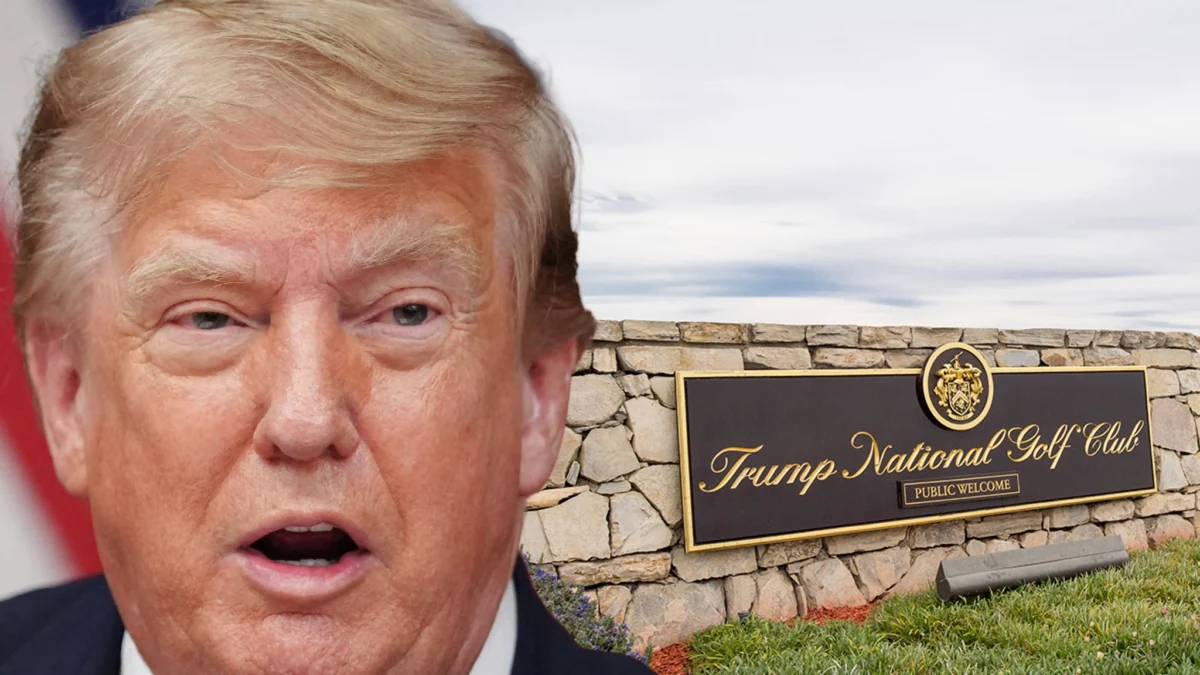
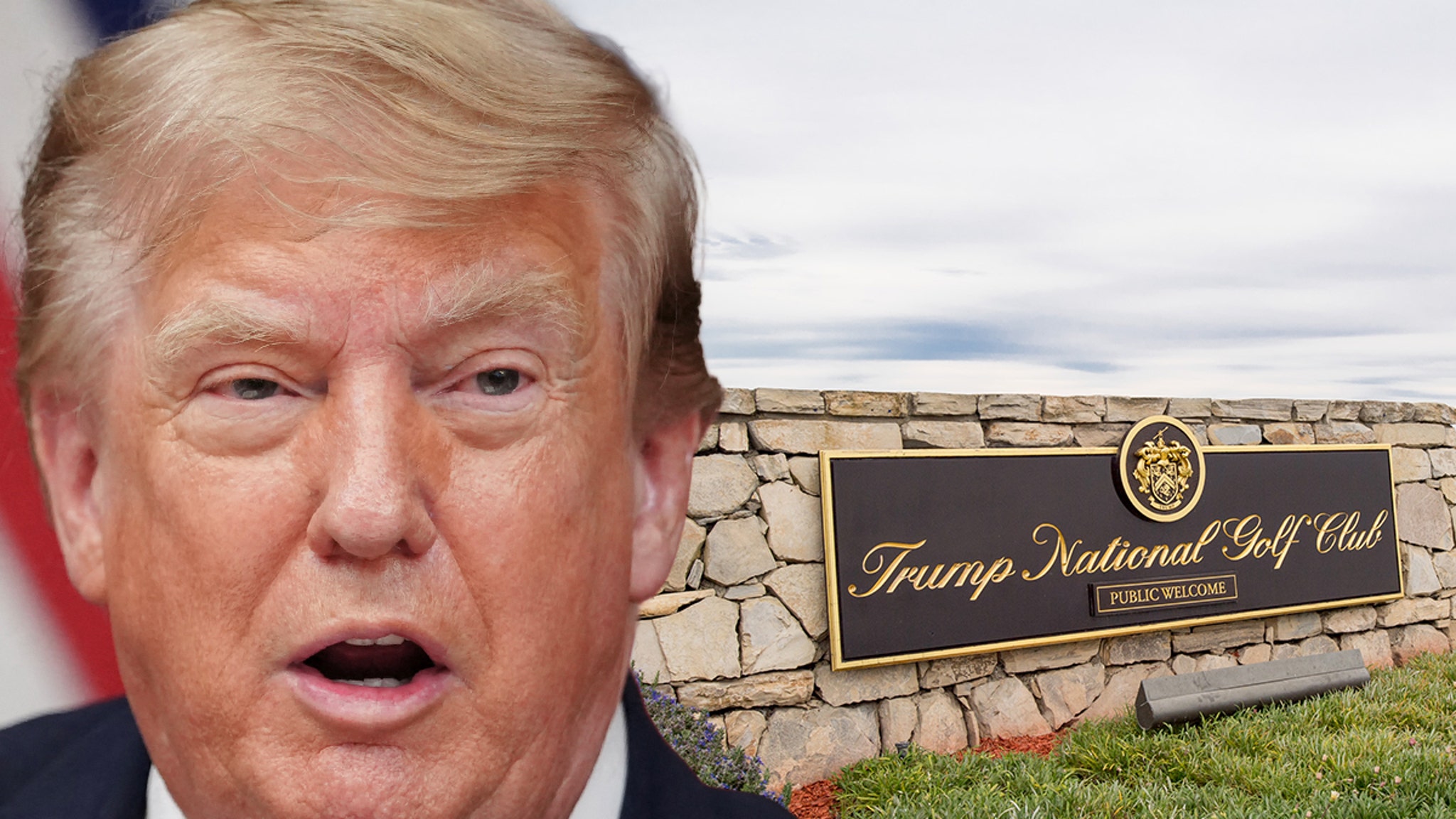
A significant security incident unfolded at the Trump National Golf Club in Rancho Palos Verdes, California, over the weekend, leading to the arrest of a heavily armed individual just days prior to a scheduled high-profile fundraiser featuring former President Donald Trump. The individual, identified as Jeanine John Taele, was apprehended on Sunday, August 3, 2026, after being observed allegedly conducting suspicious surveillance activities around the golf course, raising immediate alarms among federal agents and local law enforcement. The subsequent investigation revealed a disturbing cache of weaponry, both on his person and later at his residence, prompting serious concerns about the safety protocols surrounding prominent political figures and their public engagements.
The Incident Unfolds: A Detailed Chronology
The chain of events began on Sunday, August 3, when plainclothes federal agents, likely part of an advance security detail preparing for the former President’s visit, noticed an individual, later identified as Jeanine John Taele, acting suspiciously near the perimeter of the exclusive Trump National Golf Club. Taele was reportedly seen taking photographs and walking the grounds in a manner that suggested a deliberate observation of the property’s layout and, critically, "security-planning activities." Such behaviors are routinely flagged by protective services as potential indicators of reconnaissance or hostile intent, especially in the context of impending high-profile visits. The golf course, a sprawling luxury property situated along the scenic Palos Verdes Peninsula, frequently hosts public figures and political events, making it a regular point of interest for security assessments.
The agents’ suspicions were quickly acted upon. Local authorities from the Los Angeles County Sheriff’s Department were called to the scene. Upon their arrival and subsequent interaction with Taele, a search was conducted. This initial search yielded a loaded magazine found in Taele’s pocket. Further investigation led deputies to his vehicle, parked in the golf course’s parking lot, where they discovered a loaded pistol and additional ammunition. The immediate possession of a concealed firearm and prohibited ammunition in public spaces, particularly in close proximity to a site slated for a presidential visit, constitutes a serious breach of security and a direct violation of California’s stringent gun laws. California law, known for some of the strictest gun control measures in the United States, prohibits carrying a concealed firearm without a valid permit, which is rarely granted for general public use, and places strict regulations on ammunition types and magazine capacities.
Escalating Concerns: The Home Search and Disturbing Discoveries
The gravity of the initial findings prompted law enforcement to seek a search warrant for Taele’s residence. On Monday, August 4, authorities executed the warrant, uncovering an alarming arsenal of weapons and tactical gear. The search of Taele’s home yielded numerous firearms, including an illegally modified AR platform rifle, a .45-caliber pistol, body armor, and multiple high-capacity magazines. An "illegally modified AR platform rifle" typically refers to a semi-automatic rifle that has been altered to bypass legal restrictions, often concerning features like barrel length, stock type, or the inclusion of certain accessories deemed illegal under state law. High-capacity magazines, generally defined as holding more than 10 rounds, are also largely prohibited for civilian ownership in California. The discovery of body armor further compounded the concerns, suggesting a preparedness for potential confrontation or hostile action rather than mere recreational firearm ownership. This extensive collection of weapons, particularly those deemed illegal or restricted, elevated the incident from a simple concealed weapon charge to a potentially more serious matter concerning domestic security and the intent of the arrested individual.
Legal Ramifications: Charges Filed and Ongoing Investigation
Following the arrests and discoveries, Jeanine John Taele was formally booked on suspicion of carrying a concealed firearm and possessing prohibited ammunition. These charges, while significant, are initial and could be subject to further review or escalation as the investigation progresses. Depending on the intent and other factors uncovered, federal charges related to threats against a protected person or other national security concerns could potentially be pursued. The legal system will now determine the full extent of Taele’s actions and motivations. The incident underscores the complexities of firearm regulations and the challenges law enforcement faces in monitoring and preventing potential threats, especially those involving individuals who accumulate illegal weaponry. Prosecutors will likely examine not only the possession of the weapons but also the alleged surveillance activities, which could point to a more premeditated plan.
The Target Event: A High-Profile Republican National Committee Fundraiser
The timing of Taele’s arrest was particularly critical, occurring just two days before former President Donald Trump was slated to be the keynote speaker at a Republican National Committee (RNC) fundraising dinner at the Trump National Golf Club. Such events are cornerstone activities for political campaigns, serving to galvanize support, raise crucial funds, and provide a platform for candidates and party leaders to connect with donors and constituents. The former President’s appearances invariably draw significant crowds and attract intense media scrutiny, necessitating extensive security arrangements.
A high-profile political fundraiser like the one planned for Tuesday night involves meticulous planning by various security agencies. The United States Secret Service, mandated by law to protect former presidents and their immediate families, would have been working closely with local law enforcement, including the Los Angeles County Sheriff’s Department, state police, and potentially even federal agencies like the FBI. Their coordinated efforts include advance teams surveying the venue, establishing secure perimeters, screening attendees, and deploying agents in both uniform and plain clothes to monitor the surroundings. The alleged surveillance by Taele, therefore, directly threatened these elaborate security preparations and highlighted the constant vigilance required to ensure the safety of protected individuals.
Security Protocols for Former Presidents and Political Gatherings
The security detail for a former U.S. President is a complex and multi-layered operation, typically involving dozens of highly trained Secret Service agents. Their mandate extends beyond direct personal protection to include comprehensive threat assessment, intelligence gathering, and venue security. Prior to any public appearance, an advance team from the Secret Service conducts exhaustive site surveys, analyzing potential vulnerabilities, ingress and egress routes, and emergency protocols. This process involves close collaboration with local police and private security, creating a robust security bubble around the protected individual.
For events like political fundraisers, these protocols are intensified. Attendees are typically screened, often through magnetometers, and their bags are searched. Perimeters are established, sometimes extending well beyond the immediate event space, to prevent unauthorized access and monitor suspicious activity. The presence of plainclothes federal agents, as reported in this incident, is a standard component of this strategy, allowing for discrete surveillance and early detection of potential threats. The quick identification of Taele by these agents underscores the effectiveness of such proactive security measures.
Broader Context: Political Violence and Heightened Security Threats
This incident occurs within a broader national landscape characterized by heightened political polarization and an increasing concern over threats of violence against public officials. In recent years, there has been a documented rise in threats against politicians, judges, and other public figures, leading to increased vigilance by law enforcement agencies. The Capitol Hill riot of January 6, 2021, and numerous other incidents have underscored the fragility of political stability and the potential for individuals or groups to resort to violent means.
The discovery of an illegally modified AR platform rifle, body armor, and high-capacity magazines in Taele’s possession resonates with patterns seen in other domestic extremism cases, where individuals amass arsenals in preparation for perceived conflicts. While the specific motivations of Jeanine John Taele remain under investigation, the nature of the weapons and the alleged surveillance activities naturally prompt questions about potential extremist ideologies or a desire to disrupt political processes through violence. Law enforcement agencies across the country are continually adapting their strategies to address these evolving threats, emphasizing intelligence sharing, community engagement, and rapid response capabilities.
Reactions and Official Statements
While specific named officials have not yet issued detailed statements, law enforcement authorities have generally underscored the gravity of the situation, emphasizing their unwavering commitment to safeguarding public officials and ensuring the security of public events. Spokespersons for the Los Angeles County Sheriff’s Department and federal agencies involved would likely reiterate their dedication to public safety and the thoroughness of their ongoing investigation. The Trump campaign and the Republican National Committee would likely release statements affirming their confidence in the security measures in place and condemning any attempts to disrupt democratic processes or threaten public figures. These statements typically serve to reassure the public and supporters that such incidents, while concerning, are handled with the utmost professionalism and do not deter the continuation of scheduled events. Representatives for the Trump National Golf Club might also issue a statement, emphasizing their cooperation with law enforcement and their commitment to providing a safe environment for all guests.
Implications for Political Gatherings and Public Safety
The arrest of Jeanine John Taele serves as a stark reminder of the persistent security challenges facing political events and figures in the current climate. It reinforces the necessity of vigilant security protocols, rapid intelligence assessment, and seamless coordination between federal and local law enforcement agencies. For the Republican National Committee fundraiser, while the immediate threat was neutralized, the incident undoubtedly cast a shadow over the event, requiring an even higher degree of alertness from security personnel.
In the long term, incidents like this contribute to the ongoing national dialogue about gun control, the spread of political extremism, and the resources dedicated to protecting public figures. They may lead to further reviews of security procedures at political venues and a renewed focus on intelligence gathering to identify potential threats before they materialize. The incident at Trump National Golf Club highlights that security threats are ever-present and require constant vigilance, ensuring that democratic processes and public engagement can continue safely, even in the face of determined individuals seeking to cause harm. The investigation into Jeanine John Taele’s motivations and any potential affiliations will be crucial in understanding the full scope of this alarming security breach.


 Yuyun Lusiyani
 Joko Widodo
 Eva Lovia
 Pevita Pearce

 Lina Irawan