
 Lina Irawan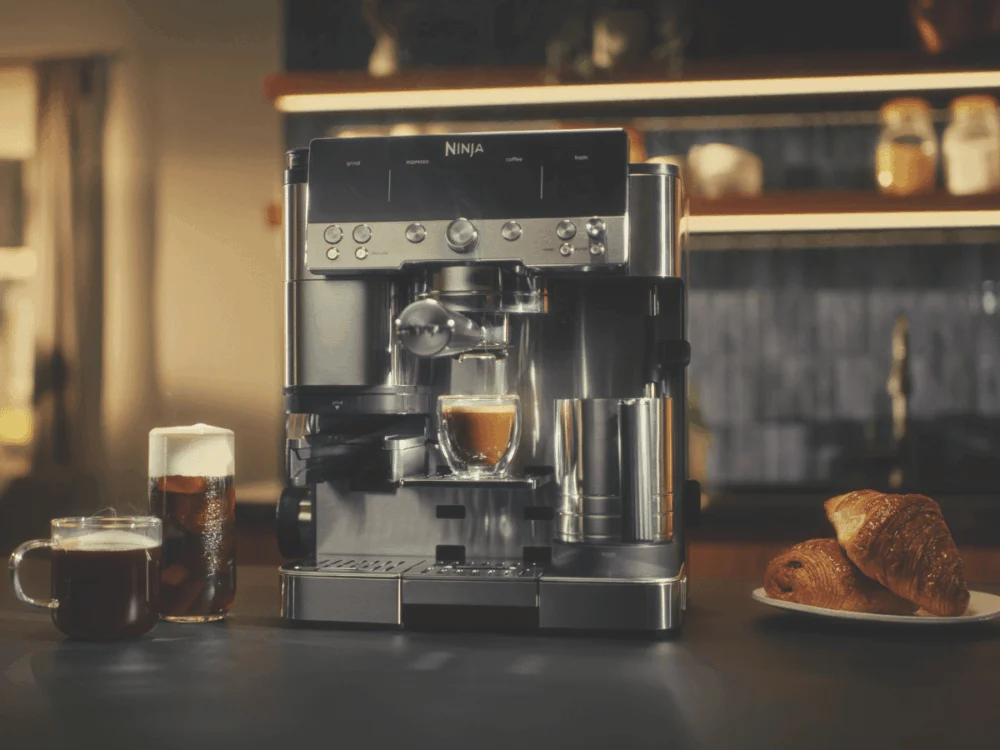
The global specialty coffee market has witnessed a significant shift toward high-end home consumption, a trend punctuated by the release of the Ninja Luxe Café Premier Series. This multifaceted appliance represents a strategic expansion for SharkNinja, the parent company known for disrupting domestic appliance categories through integrated technology and user-centric design. By combining three distinct brewing systems—espresso, cold brew, and traditional drip coffee—into a single, compact countertop unit, the Luxe Café aims to bridge the gap between enthusiast-level manual machines and the convenience of fully automatic systems. This development comes at a time when consumers are increasingly seeking to replicate the "third-wave" coffee shop experience at home, driven by both rising retail coffee prices and an appetite for customized beverage profiles.
Technical Specifications and Multifunctional Architecture
The Ninja Luxe Café Premier Series distinguishes itself through a "3-in-1" architecture that manages the varying pressure and temperature requirements of different coffee styles. Unlike standard machines that often compromise on one brewing method to accommodate another, the Luxe Café features dedicated internals for each function. The espresso system is capable of delivering traditional single and double shots, but it also introduces a "quad" shot option, catering to the growing demand for high-volume milk-based drinks and high-caffeine beverages.
For the cold coffee segment, which has seen double-digit growth in the United States and Europe over the last five years, the machine offers two distinct modes: cold-pressed espresso and slow-steeped style cold brew. The cold-pressed espresso utilizes a specific pressure profile to extract flavor without the bitterness often associated with heat, providing a base for iced lattes that maintains its structural integrity when mixed with milk. The traditional drip coffee function is equally robust, offering classic, rich, and iced styles across seven different serving sizes, ranging from a standard cup to a full travel carafe.
The Role of Barista Assist Technology in Extraction
A primary barrier to entry for high-quality home espresso has historically been the "dialing-in" process—the complex calibration of grind size, dose weight, and tamping pressure. To mitigate this, Ninja has integrated what it terms Barista Assist Technology. This digital ecosystem acts as an onboard consultant, monitoring the extraction process in real-time. By analyzing the flow rate and pressure, the system provides immediate feedback to the user, suggesting adjustments to the grind size or weight to ensure a balanced extraction.
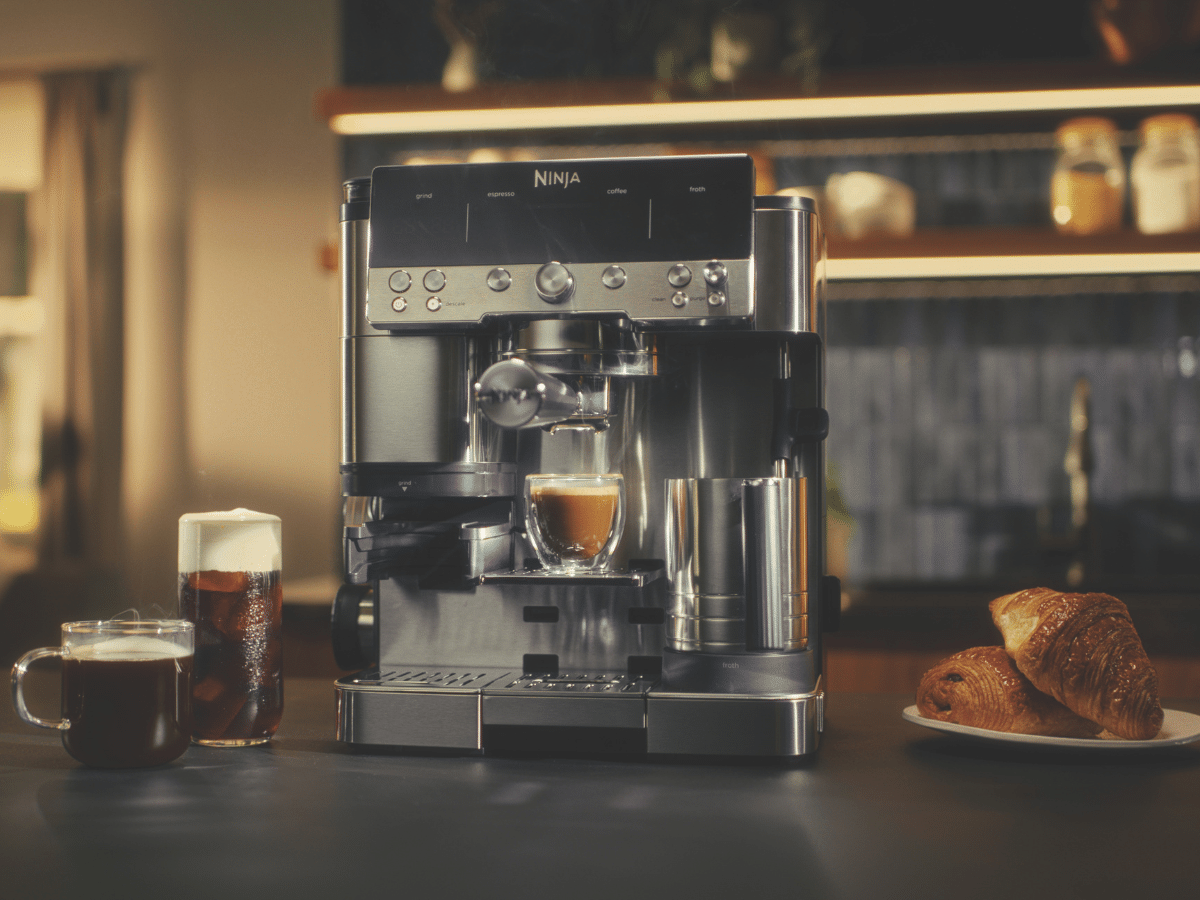
The integration of a built-in conical burr grinder with 25 distinct settings further enhances this precision. High-end espresso requires a fine, consistent powder, while drip coffee and cold brew necessitate coarser particles. The Luxe Café’s ability to pivot between these requirements automatically, guided by the Barista Assist interface, reduces the margin for human error. Furthermore, the inclusion of a built-in scale for weight-based dosing replaces the traditional timed grinding method, which can be inconsistent due to bean density and hopper weight. By measuring the actual weight of the coffee grounds, the machine ensures a consistent coffee-to-water ratio, a fundamental principle of professional-grade brewing.
Innovation in Milk Texturing: The Dual Froth System
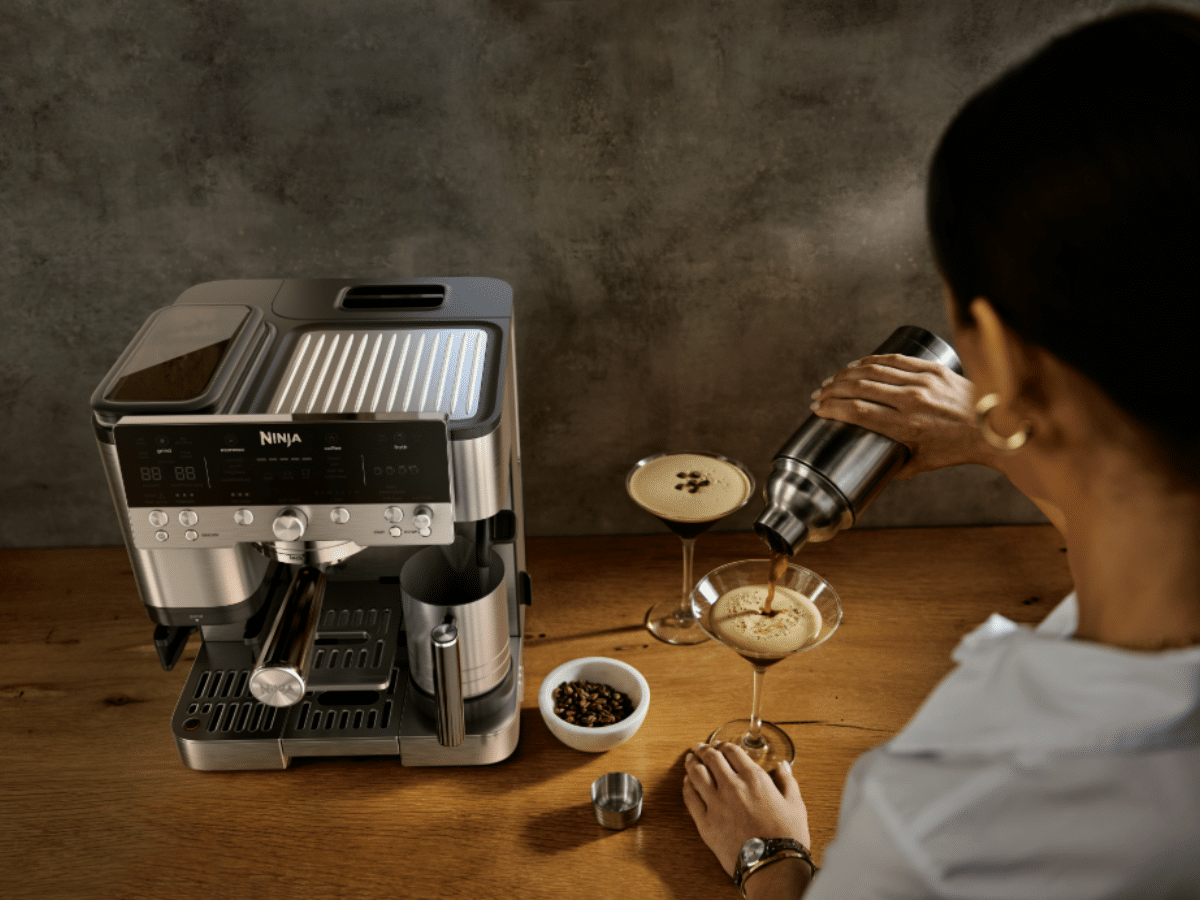
The evolution of the "home barista" has also been defined by the rise of alternative milks and complex textures, such as microfoam and cold foam. The Ninja Luxe Café addresses this through its Dual Froth System, which automates the steaming and whisking process. This system is engineered to handle both dairy and plant-based alternatives—such as oat, almond, and soy—which often require different temperature thresholds to avoid curdling or loss of texture.
The interface offers four primary presets: steamed milk, silky microfoam for latte art, thick froth for cappuccinos, and cold foam for iced beverages. The automated nature of this system allows the user to froth milk hands-free while the espresso is being extracted, a workflow efficiency typically reserved for commercial environments or ultra-premium "prosumer" machines. This focus on texture is a direct response to the "Cold Foam" phenomenon popularized by major international coffee chains, which has become a staple of modern beverage consumption.
Chronology of Ninja’s Entry into the Coffee Market
The launch of the Luxe Café Premier Series is the culmination of a decade of development within SharkNinja’s beverage division.
- 2015: Ninja entered the coffee space with the Ninja Coffee Bar, focusing on "thermal flavor extraction" to improve the quality of standard drip coffee.
- 2018-2020: The brand expanded into the "Specialty Coffee Maker" category, introducing integrated frothers and multi-serve carafes, targeting the mid-range consumer.
- 2022: The introduction of the Ninja DualBrew Pro marked a move toward versatility, allowing for both K-Cup pods and grounds in one machine.
- 2024: The release of the Luxe Café Premier Series signals Ninja’s official entry into the premium espresso and "all-in-one" luxury segment, competing directly with established heritage brands.
This timeline reflects a broader corporate strategy of incremental innovation, where the company masters a basic technology before integrating more complex, professional-grade features into its product line.

Market Context and Economic Implications
The introduction of the Ninja Luxe Café arrives during a period of economic recalibration for consumers. According to industry data, the average price of a specialty latte in metropolitan areas has risen significantly due to labor costs and supply chain fluctuations. Market analysts suggest that machines like the Luxe Café are positioned as "investment pieces" that offer a long-term cost-saving benefit. With an estimated ROI of less than a year for daily coffee drinkers, the premium home equipment sector has remained resilient despite broader inflationary pressures.
Furthermore, the environmental impact of home coffee consumption is a growing concern for modern buyers. By focusing on a "beans-to-cup" system rather than a pod-based system, Ninja is appealing to the environmentally conscious demographic. The reduction in single-use plastic waste, combined with the ability to source ethically grown whole beans from local roasters, aligns the product with contemporary sustainability trends.
Industry Reactions and Competitive Landscape
While SharkNinja has not released specific internal sales targets, the reception from retail partners and industry observers has been focused on the machine’s "democratization" of espresso. Established players in the market, such as Breville (Sage in Europe) and De’Longhi, have long dominated the $500–$1,000 price bracket. Ninja’s entry into this space is expected to intensify competition, particularly regarding the integration of digital assists and automation.
"The challenge for any all-in-one machine is the ‘jack of all trades, master of none’ stigma," noted one independent appliance analyst. "However, by incorporating a built-in scale and 25 grind settings, Ninja is addressing the specific technical requirements that usually separate a gimmick from a serious kitchen tool."
Early feedback from professional testers highlights the machine’s thermal stability and the ease of the "Barista Assist" prompts, which guide users through the initial setup—a process that often frustrates newcomers to the espresso world.
Broader Impact on the Home Appliance Industry
The Ninja Luxe Café Premier Series is more than a single product launch; it is symptomatic of the "premiumization" of the home kitchen. As remote and hybrid work models remain prevalent, the home office has become a primary site of coffee consumption. This has led to a demand for appliances that are aesthetically pleasing—utilizing stainless steel and digital displays—while providing the utility of a commercial workspace.
The machine’s ability to produce cold brew in a fraction of the time required by traditional immersion methods (which typically take 12 to 24 hours) represents a significant technological leap. By using specialized pressure cycles to accelerate extraction, Ninja is catering to the "instant gratification" requirement of the modern consumer without sacrificing the smooth, low-acid profile that defines the cold brew category.
In conclusion, the Ninja Luxe Café Premier Series stands as a comprehensive solution for the modern coffee drinker. By synthesizing complex brewing technologies into an accessible, automated format, it addresses the dual consumer desires for professional quality and domestic convenience. As the specialty coffee industry continues to evolve, the success of such integrated systems will likely dictate the design language and functional priorities of the next generation of kitchen appliances. The move toward "intelligent" brewing, where the machine actively assists in the craft, marks a new chapter in the democratization of the barista arts.



 Yuyun Lusiyani
 Joko Widodo
 Eva Lovia
 Pevita Pearce
 admin
admin