
 Lina Irawan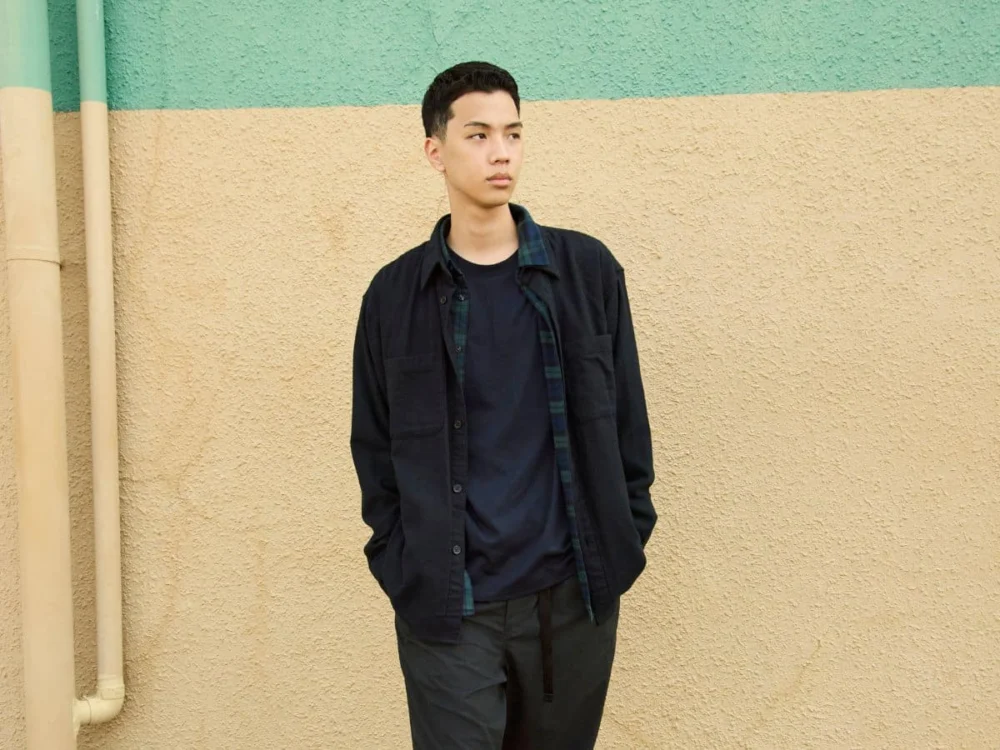
The Japanese retail giant MUJI has officially announced the launch of its Winter 2026 "Naturally Cosy" collection, a strategic pivot toward hyper-minimalist, ethically manufactured staples designed for the Southern Hemisphere’s cooler months. Scheduled for release on March 5, 2026, the collection underscores a growing industry trend toward the "capsule wardrobe"—a curated selection of versatile garments intended to maximize utility while minimizing environmental impact. By focusing on high-quality natural fibers, specifically Australian merino wool and ethically sourced African cotton, MUJI is positioning itself as a leader in the intersection of affordable luxury and sustainable retail.

The "Naturally Cosy" range is characterized by a restrained color palette of grounded neutrals, including charcoal, oatmeal, navy, and off-white. This aesthetic choice aligns with MUJI’s long-standing philosophy of "Kanketsu," or simplicity, which seeks to eliminate unnecessary ornamentation in favor of functional excellence. The collection spans multiple categories, including men’s and women’s apparel, loungewear, and home textiles, ensuring a cohesive lifestyle offering that addresses the consumer’s needs both inside and outside the home.
The Evolution of the MUJI Design Philosophy
Since its inception in 1980, MUJI—short for Mujirushi Ryohin, or "No-Brand Quality Goods"—has operated on a platform of anti-consumerism and functionalism. The Winter 2026 collection represents a modern refinement of these core tenets. In an era where "fast fashion" is increasingly scrutinized for its ecological footprint and labor practices, MUJI’s focus on longevity and ethical sourcing serves as a counter-narrative.
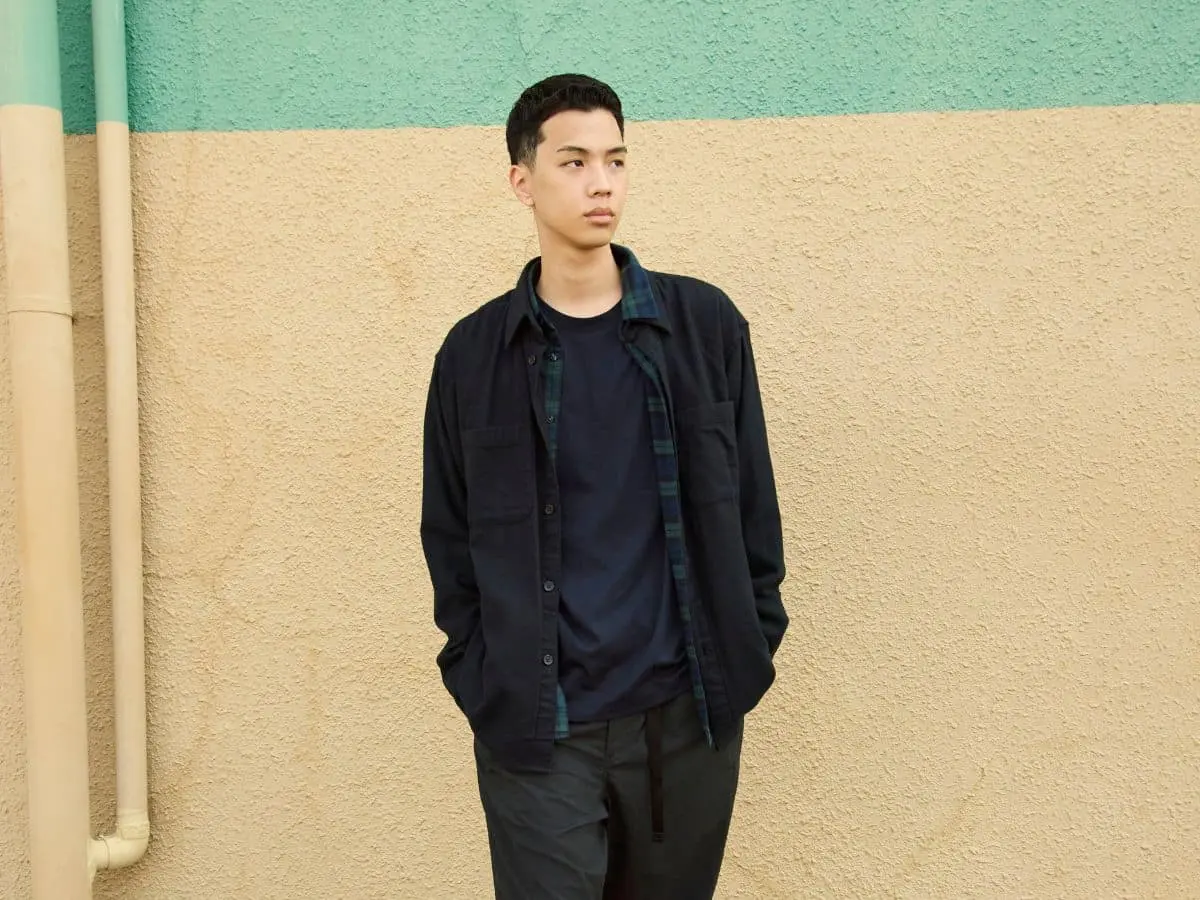
The "Naturally Cosy" line is built around two primary pillars: material integrity and ethical transparency. The company has moved beyond mere aesthetic minimalism to embrace "process minimalism," where the supply chain is streamlined to ensure that every fiber can be traced back to its origin. This transparency is no longer an optional feature for global retailers but a requirement for maintaining brand equity among younger, more conscious consumer demographics.
Material Deep-Dive: The Science of Comfort
The cornerstone of the 2026 collection is the dual use of brushed cotton flannel and merino wool. Each material has been selected for its specific thermal properties and tactile feedback.

The Innovation of Brushed Flannel
MUJI’s cotton flannel is engineered to provide "warmth without weight." This is achieved through a meticulous brushing process. By using mechanical wire brushes to lift the fibers on the surface of the fabric, the manufacturer creates a "nap" that traps air pockets. These air pockets act as a natural thermal insulator, retaining body heat while allowing the fabric to remain breathable.
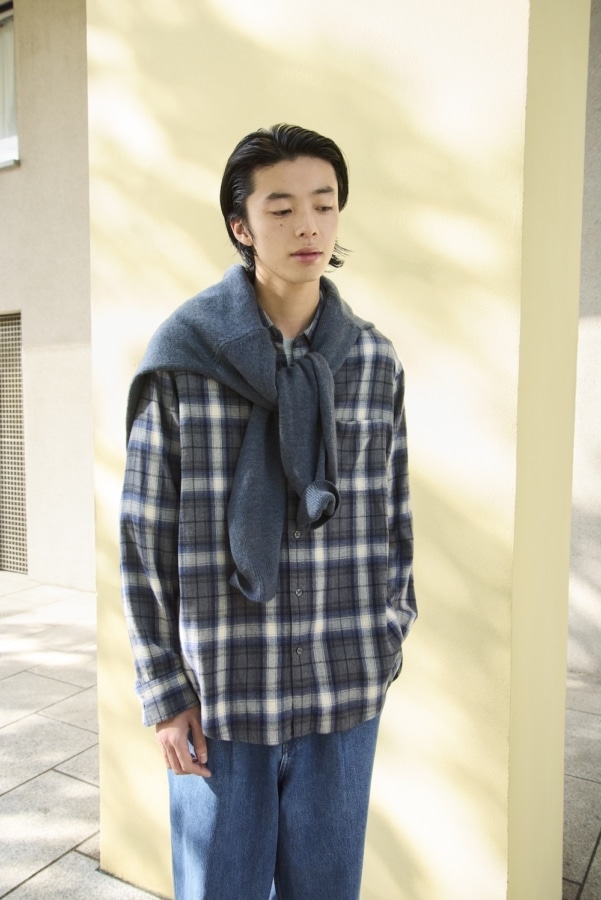
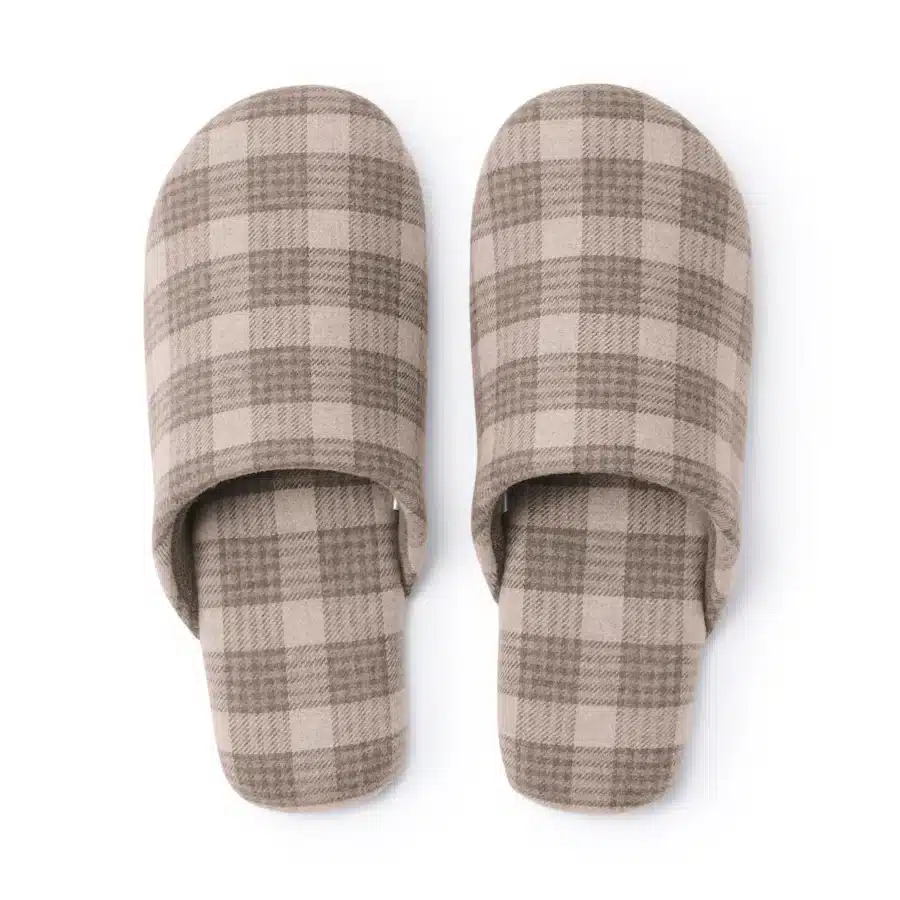
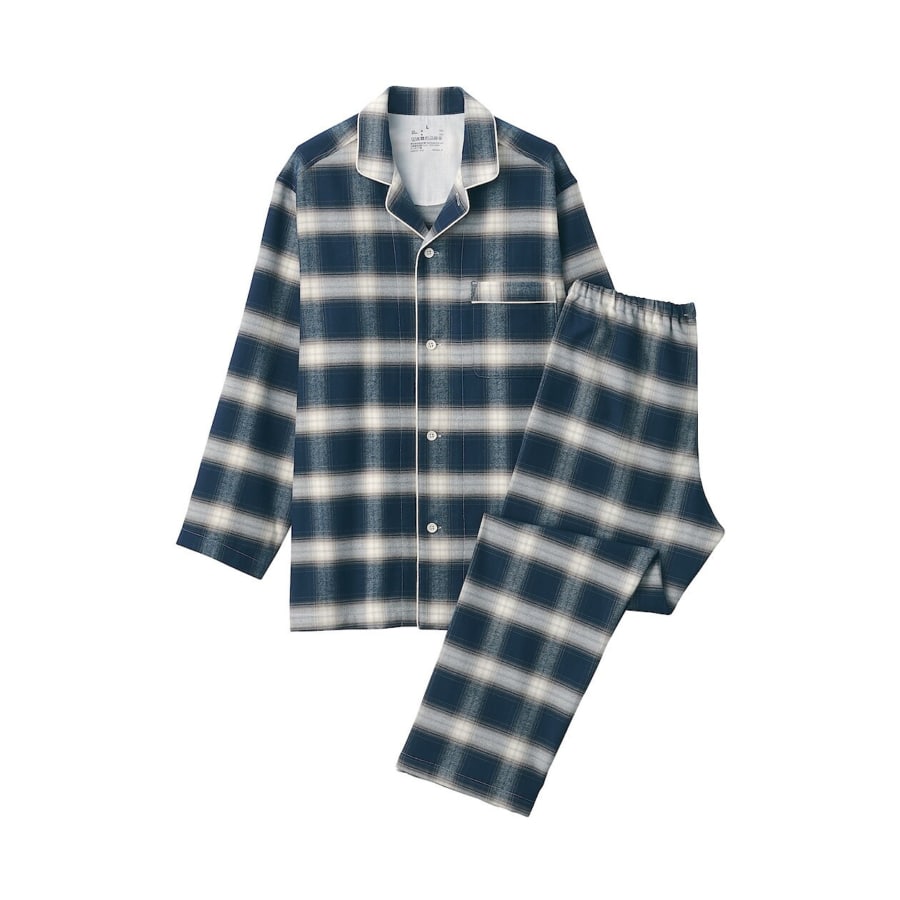
The flannel range for 2026 includes traditional button-down shirts, pyjama sets, bed linens, and room shoes (slippers). For the apparel items, MUJI has optimized the weave density to prevent the pilling often associated with lower-grade flannels, ensuring that the garments maintain their structure after repeated laundering.
The Superiority of Australian Merino
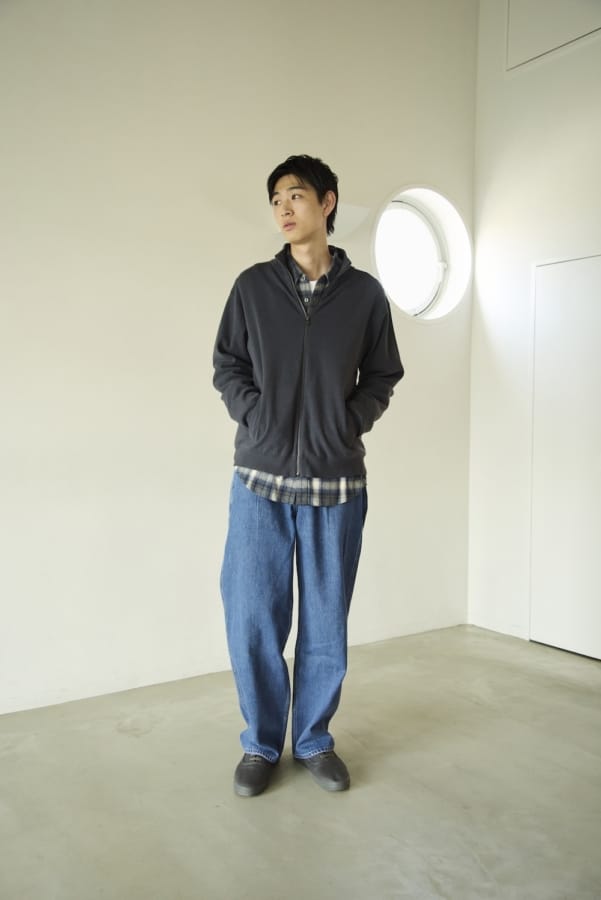
The knitwear segment of the collection utilizes 100% merino wool, a fiber renowned for its technical performance. Unlike traditional wool, which can have a coarse fiber diameter exceeding 30 microns, the merino used in this collection is significantly finer. This fineness allows the wool to bend when it comes into contact with the skin, eliminating the "itch factor" and making it suitable for base-layer wear.
MUJI has categorized its knitwear into two distinct weights:
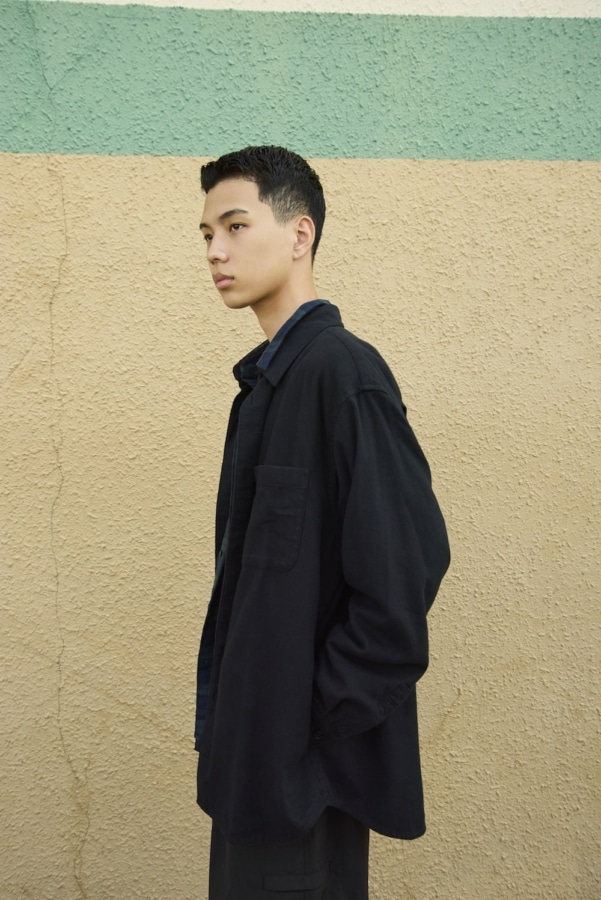
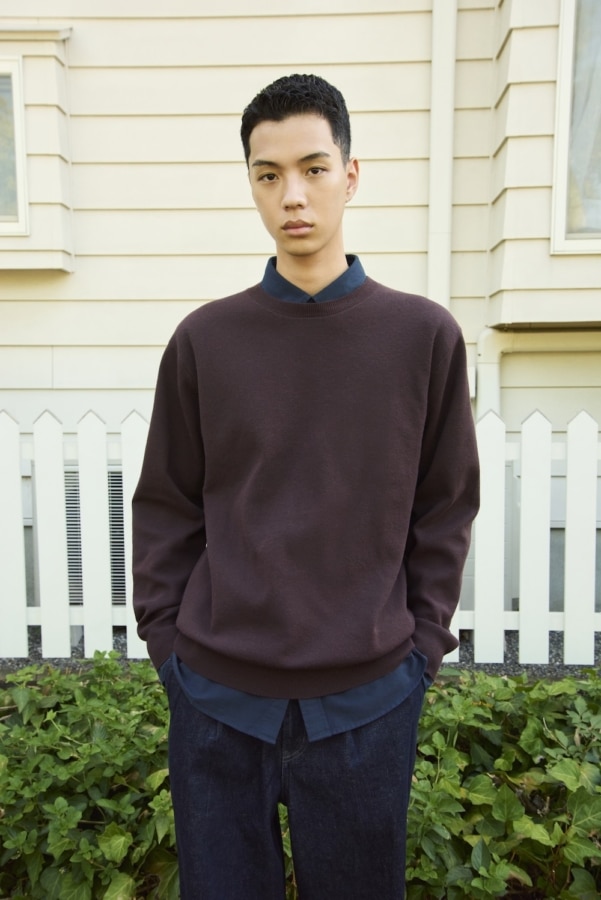
- High-Gauge Merino: These are fine-knit pieces, such as polos and crewneck sweaters, designed for sleek layering under blazers or coats. High-gauge knits are ideal for transitional weather or temperature-controlled office environments.
- Mid-Gauge Merino: These pieces feature a heavier, more substantial knit structure. They are designed for maximum heat retention during the peak of winter, providing a rugged yet refined aesthetic.
Ethical Sourcing and Sustainability Milestones
A significant portion of the "Naturally Cosy" collection’s value proposition lies in its certifications. MUJI has integrated two major ethical standards into this release: Cotton made in Africa (CmiA) and non-mulesed wool sourcing.
Cotton made in Africa (CmiA)
The flannel components of the collection are produced under the CmiA standard. Founded by the Aid by Trade Foundation, CmiA is one of the world’s leading standards for sustainably produced cotton from Africa. Unlike organic certifications that can sometimes be prohibitively expensive for small-scale farmers, CmiA focuses on social and environmental improvements within the existing farming frameworks. It prohibits the use of genetically modified organisms (GMOs) and hazardous pesticides, while also mandating fair labor conditions and the protection of local biodiversity. By sourcing through CmiA, MUJI supports over one million smallholder farmers in Sub-Saharan Africa.

Non-Mulesed Australian Merino
The wool for the collection is sourced from the Armidale region of New South Wales, Australia. Armidale is a premier wool-growing district known for its temperate climate and high-quality pastures, which produce some of the finest merino fibers in the world. Crucially, MUJI has committed to sourcing wool only from sheep that have not undergone mulesing—a controversial surgical procedure used to prevent flystrike.
The shift toward non-mulesed wool is a response to global pressure from animal welfare organizations and consumers. By partnering with New England wool growers who utilize alternative flystrike management techniques, such as selective breeding for resistant traits, MUJI is aligning its production with international animal welfare benchmarks.
Product Catalog and Pricing Strategy
The Winter 2026 collection is priced to remain accessible while reflecting the quality of the raw materials. The pricing structure for the Australian market is as follows:
- Flannel Room Shoes (Slippers): $12.95 – A low-entry point item that brings the "Naturally Cosy" ethos into the home.
- Flannel Shirts and Shirt Jackets: $49.95 – Designed as versatile layering pieces that can function as outerwear in mild conditions.
- High-Gauge Merino Sweaters: $59.95 – Competitive pricing for 100% merino wool, targeting the professional demographic.
- High-Gauge Merino Cardigans: $69.95 – A staple for modular dressing.
- Flannel Pyjama Sets: $69.95 – Utilizing the same high-grade brushed cotton as the apparel line.
This pricing strategy places MUJI in a "sweet spot" of the market—above mass-market fast fashion but significantly below boutique luxury brands, despite using similar high-end raw materials.
Chronology of the Launch
The development and rollout of the "Naturally Cosy" collection followed a rigorous two-year timeline:
- Q1 2024: Material scouting and ethical audits of farms in Armidale, NSW, and CmiA-certified regions in Africa.
- Q3 2024: Prototype development focusing on "warmth without weight" flannel brushing techniques.
- Q1 2025: Finalization of the "Naturally Cosy" campaign, emphasizing grounded neutrals and the capsule wardrobe concept.
- Q4 2025: Logistics and distribution to Southern Hemisphere hubs.
- March 5, 2026: Official launch across MUJI’s physical retail network and e-commerce platforms.
Market Analysis and Industry Implications
The launch of this collection comes at a time when the retail sector is undergoing a profound transformation. Analysts suggest that the "Naturally Cosy" collection is a direct response to three major market shifts:
- The Rise of "Quiet Luxury": Consumers are increasingly moving away from visible logos and branding. MUJI’s "no-brand" approach perfectly captures this desire for high-quality goods that signal sophistication through texture and fit rather than labels.
- The "Buy Less, Buy Better" Movement: Economic pressures combined with environmental awareness have led to a decline in impulse purchasing. MUJI’s focus on the "capsule wardrobe" encourages consumers to invest in pieces that work together, reducing the need for a high volume of clothing.
- Traceability as a Commodity: As greenwashing becomes a legal risk for retailers, MUJI’s specific mention of Armidale wool and CmiA cotton provides a layer of "radical transparency" that builds consumer trust.
Furthermore, the focus on the Australian wool industry provides a significant boost to local growers. By highlighting Armidale as a source of premium merino, MUJI is helping to elevate the profile of Australian agriculture on the global stage, particularly in the Japanese and Asian markets where MUJI has its strongest presence.
Future Outlook
As MUJI continues to expand its footprint in the Southern Hemisphere, the success of the "Naturally Cosy" collection will likely serve as a blueprint for future seasonal releases. The integration of local sourcing with global ethical standards creates a compelling narrative that resonates with the modern shopper.
Retail experts predict that if the 2026 collection meets its sales targets, MUJI may explore further localized collaborations, potentially incorporating Australian-grown cotton or recycled materials sourced from within the region. For now, the "Naturally Cosy" line stands as a testament to the idea that winter dressing does not require excess—only the right materials, ethically sourced and thoughtfully designed.
The collection will be available for purchase starting March 5, 2026, at all MUJI flagship stores and through their official online portal. Given the high demand for merino staples in previous seasons, inventory is expected to move quickly, particularly in the neutral colorways that define the collection’s aesthetic.



 Yuyun Lusiyani
 Joko Widodo
 Eva Lovia
 Pevita Pearce
 admin
admin