
 Yuyun Lusiyani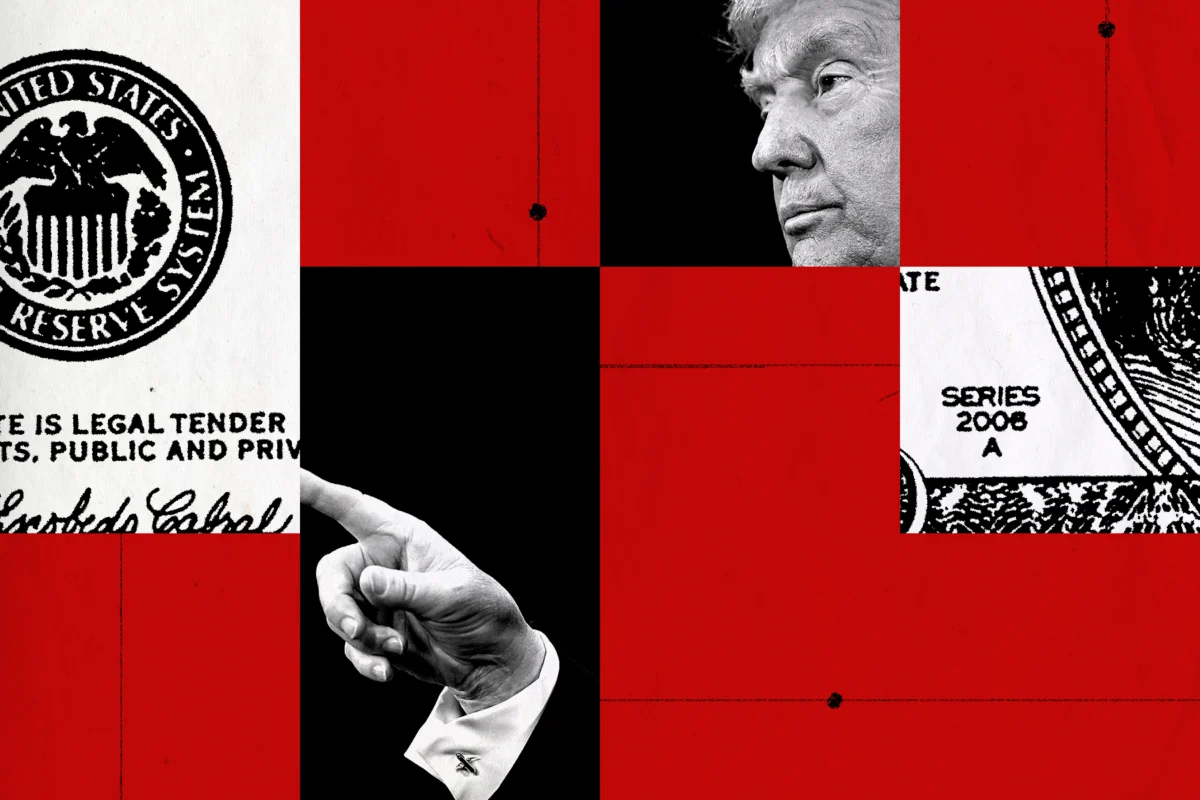
Since President Donald Trump’s return to office, his administration has systematically upended the long-standing architecture of United States foreign aid, a pivot that has redefined global engagement and sparked significant controversy. Well-established, long-running programs, once cornerstones of American diplomatic efforts, have been reclassified as "not aligned with American interests" and subsequently faced severe budget cuts. This dramatic reorientation has left a void in traditional aid pathways, even as Congress continues to appropriate billions of taxpayer dollars for humanitarian assistance, global health initiatives, and pro-democracy causes worldwide. A recent investigation has uncovered how a critical, albeit lesser-known, bureau within the State Department – the Bureau of Democracy, Human Rights and Labor (DRL) – has undergone a profound transformation, redirecting these funds towards controversial groups supporting right-wing agendas in Europe and beyond, a stark departure from its decades-long mission.
A Historic Shift in U.S. Foreign Policy
For decades, the Bureau of Democracy, Human Rights and Labor, commonly known as DRL, has been a pivotal instrument of U.S. foreign policy, dedicated to supporting human rights and democratic principles in some of the world’s most oppressive regimes. Its mission traditionally involved funding civil society organizations, monitoring elections, advocating for political prisoners, and promoting labor rights, often in regions where such freedoms were severely curtailed. This work was seen as integral to America’s moral standing and its broader strategic interests, fostering stability and aligning with universal values.
However, the Trump administration’s "America First" doctrine has recalibrated this approach, emphasizing a transactional view of international relations and a re-evaluation of commitments that do not directly serve immediate national interests as defined by the White House. This ideological shift has manifested in a significant re-channeling of foreign aid resources. While the overall U.S. foreign aid budget remains substantial, the administration’s prerogative has been to ensure these funds align with its specific policy priorities, leading to the dismantling or defunding of programs deemed incongruous with the new strategic vision.
The implications of such a shift are profound, potentially altering the global landscape of human rights advocacy and challenging the perception of the United States as a champion of universal democratic values. Critics argue that this reorientation risks undermining decades of diplomatic effort, eroding trust among traditional allies, and inadvertently empowering authoritarian regimes by signaling a retreat from consistent human rights engagement.
The South African Anomaly: Prioritizing Afrikaner Grievances
One of the most striking examples of this redefined aid strategy emerged in South Africa, where Trump administration officials proposed a grant for research into crime against minority populations. Sources familiar with the process indicate that the primary target of this research was the white ethnic group known as Afrikaners. This focus has drawn widespread condemnation from former diplomats and human rights experts, who find it a perplexing and potentially counterproductive prioritization.
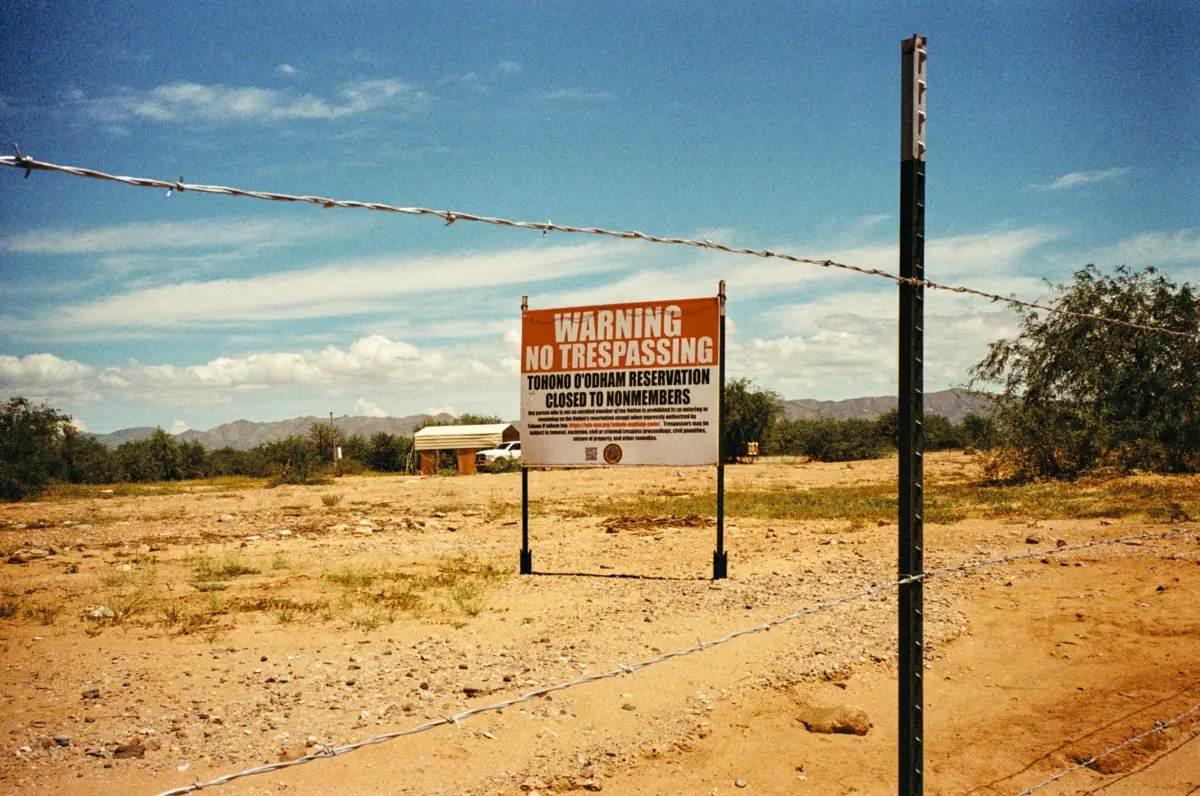
The history of South Africa is inextricably linked to the Afrikaner community, which was instrumental in establishing and enforcing the brutal system of racially segregated apartheid. The system, which ended in 1994, systematically oppressed the Black majority and codified racial discrimination into law. Given this historical context, the decision to prioritize the victimization of white South Africans over the pervasive human rights issues affecting the broader population has been met with incredulity.
Initially, DRL staff were instructed to initiate the process of awarding funds to Lex Libertas, a group founded by a controversial figure known for advocating Afrikaner self-governance. Lex Libertas is actively engaged in fundraising efforts, including a "white cross project" aimed at placing 3,000 white crosses on the National Mall to commemorate attacks on South African farmers. While the proposed grant was later opened to a broader set of invited applicants for $1 million in funding, the underlying purpose – research into crime against minority populations, with Afrikaners as the focal point – remained unchanged. The State Department has declined to confirm whether Lex Libertas remains an invited competitor, citing ongoing deliberations, but acknowledged the administration’s serious concerns about the human rights situation in South Africa. Lex Libertas did not respond to inquiries regarding the organization or the proposed grant.
Former diplomats, many of whom have extensive experience in human rights work across Africa, expressed profound shock at this development. One former agency official succinctly captured the sentiment, stating, "It’s laughable to suggest that on the African continent, the prime issue of human rights concern is whites in South Africa." This perspective is bolstered by extensive research from organizations like the Institute for Security Studies (ISS) and analyses by various media outlets, which consistently demonstrate that white South African farmers are not victims of crime at higher rates than other demographic groups in a country grappling with alarmingly high crime rates across all communities.
Chronology of a Shifting Relationship: U.S. and South Africa
The proposed grant to fund research into violence against Afrikaners is not an isolated incident but rather consistent with a broader shift in the Trump administration’s stance toward South Africa. For decades, the U.S. relationship with South Africa has been characterized by significant support, particularly in the realm of HIV/AIDS care. The U.S. President’s Emergency Plan for AIDS Relief (PEPFAR), launched in 2003, has been a cornerstone of this engagement, providing billions of dollars for treatment, prevention, and research, saving millions of lives and significantly strengthening South Africa’s health infrastructure. Mattie Webb, a professor at the Virginia Military Institute specializing in South Africa and U.S. foreign policy, notes that this massive support for HIV care symbolized the U.S. commitment.
However, since Trump’s return to office, there has been a stark and observable shift. The administration has cultivated stronger ties with groups often considered fringe or borderline white nationalist within South Africa. Over the last 18 months, President Trump has repeatedly claimed a "genocide" of white South Africans, a narrative not supported by credible data. These unsubstantiated claims have been used to justify dramatic policy changes, including the proposed termination of U.S. funding for HIV treatment and research in South Africa under PEPFAR, a move that would have devastating public health consequences across the region. Furthermore, while maintaining a stringent stance against most refugees entering the United States, the administration has reportedly fast-tracked the entry of white South Africans seeking asylum, indicating a selective application of immigration policies based on racial identity.
"The U.S. is very clearly shifting its priorities away from aid that would benefit far more people in South Africa to this narrow focus on the white minority," Webb explained, underscoring the perceived politicization of humanitarian assistance.
Broader Implications for U.S.-South Africa Relations
Historically, tensions have existed between South Africa and the U.S., as is common in any bilateral relationship. However, the substantial aid provided by the U.S., particularly through initiatives like PEPFAR, not only saved countless lives but also helped sustain a functional working relationship deemed vital for U.S. national security and economic interests in the region. By seeking to fund a movement antagonistic to the democratically elected South African government and its post-apartheid reconciliation efforts, the U.S. risks alienating a key strategic partner and driving a significant wedge between the two nations. Such actions could undermine diplomatic influence, compromise regional stability, and open doors for other global powers to expand their influence in Africa.
Controversial Grants Beyond Africa: Europe and "Civilizational Self-Confidence"
The controversial redirection of funds is not limited to South Africa. The investigation also uncovered other proposed grants that have raised red flags among experts and lawmakers. Political appointees at the State Department have considered providing $5 million to a British free-speech organization known for its advocacy against bans on discredited "gay conversion therapy" practices and its opposition to "restrictive online safety and hate speech laws." According to a document reviewed during the investigation, this grant would aim to support individuals facing "deplatforming" and to advocate for specific interpretations of free speech. While the organization’s founder denied applying for or receiving U.S. government grants, the proposal itself indicates a clear interest from within the administration to support such groups.
Further signaling a shift towards culturally conservative agendas, a recent call for proposals released by the DRL bureau seeks to fund research, conferences, and cultural engagements in wealthy democracies aimed at developing "civilizational self-confidence in Europe." This language, frequently employed by nationalist and right-wing movements, suggests a focus on promoting particular cultural or ideological narratives rather than the traditional DRL mandate of universal human rights and democratic strengthening across diverse political systems. Another proposed grant, later dropped due to Congressional pushback, involved a British American think tank established to focus on "existential threats to Britain, to America, and to our shared Judeo-Christian civilisation," further illustrating the administration’s inclination towards ideologically aligned organizations.
Concerns Over Transparency and Accountability
Beyond the ideological alignment of grant recipients, the investigation also uncovered troubling practices regarding the allocation of funds. While not all proposed funding targets controversial groups, even some grants intended for more traditional human rights projects appear to skirt federal requirements for competitive bidding. These requirements are crucial safeguards designed to deter waste, fraud, and abuse in the use of taxpayer dollars by ensuring a fair and transparent selection process based on merit and capacity. Instead, sources and documents suggest that officials are attempting to direct millions of dollars to handpicked organizations, raising serious questions about accountability and the potential for political favoritism.
Official Response and Ongoing Scrutiny
In response to inquiries regarding these findings, the State Department emphasized that the grant awarding process is ongoing and involves input from multiple offices. Their statement affirmed that "programs are still in active deliberation and receipt of a grant is not guaranteed to any organization that does not meet all requirement and standards for federal grants." This response, while acknowledging the deliberative nature of the process, does not directly address the concerns raised about the ideological shift in priorities or the alleged circumvention of competitive bidding rules.
The redirection of U.S. foreign aid under the Trump administration represents a significant departure from established norms and priorities. By reorienting funds away from broad-based humanitarian and democracy-building initiatives towards ideologically specific, often right-wing, causes, the administration risks undermining America’s global standing, straining vital diplomatic relationships, and politicizing the very mechanisms intended to promote universal human rights. The ongoing investigation into these policies continues to highlight the profound implications of this strategic shift, prompting questions about the future of U.S. engagement in global human rights and the integrity of its foreign aid apparatus. Further reporting will undoubtedly shed more light on these evolving dynamics and their far-reaching consequences.



 Joko Widodo
 Eva Lovia
 Pevita Pearce
 admin
admin
 Lina Irawan