
 Amara Maple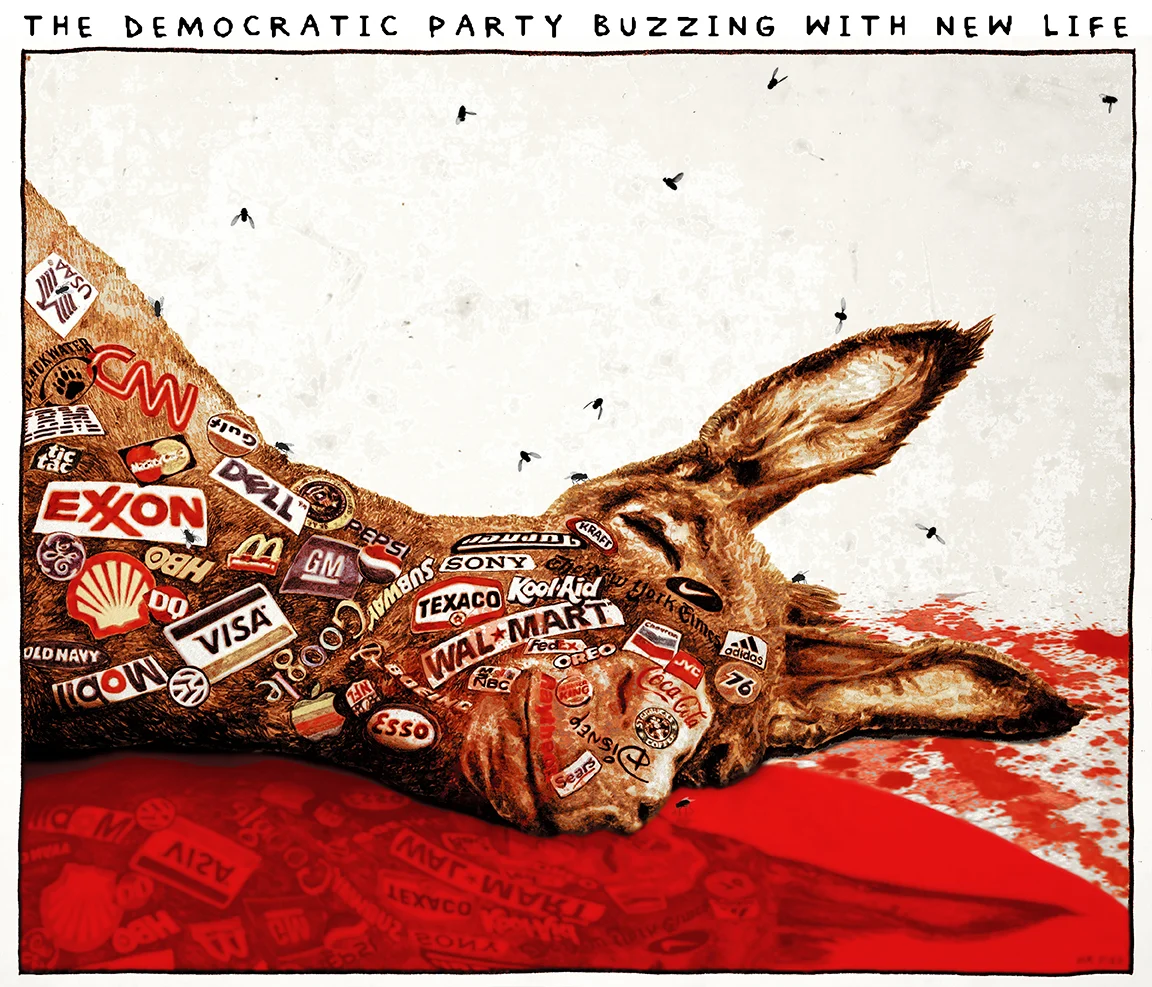
A significant schism within the American single-payer healthcare movement has come to light, revealing deep ideological divisions between long-established advocacy groups and newer, more radical organizations. At the heart of this divergence is Dr. Ana Malinow, a retired pediatrician and former president of Physicians for a National Health Program (PNHP), who has now emerged as a leading voice for a newly formed, more independent entity, National Single Payer. This emerging divide highlights fundamental disagreements not only on strategy and political engagement but also on the moral imperatives of a healthcare justice movement in the face of international crises.
The Genesis of a Movement: PNHP and its Democratic Alignment
For decades, Physicians for a National Health Program (PNHP) has stood as the nation’s foremost public interest group advocating for a single-payer national health insurance system in the United States. Founded in 1987, PNHP united healthcare professionals under the conviction that healthcare is a human right, best achieved through a universal, publicly funded system akin to Canada’s or the UK’s National Health Service. Dr. Ana Malinow herself played a pivotal role in this movement, serving as PNHP’s president in 2007 and 2008, a period marked by intense debate over healthcare reform in the lead-up to the Affordable Care Act (ACA).
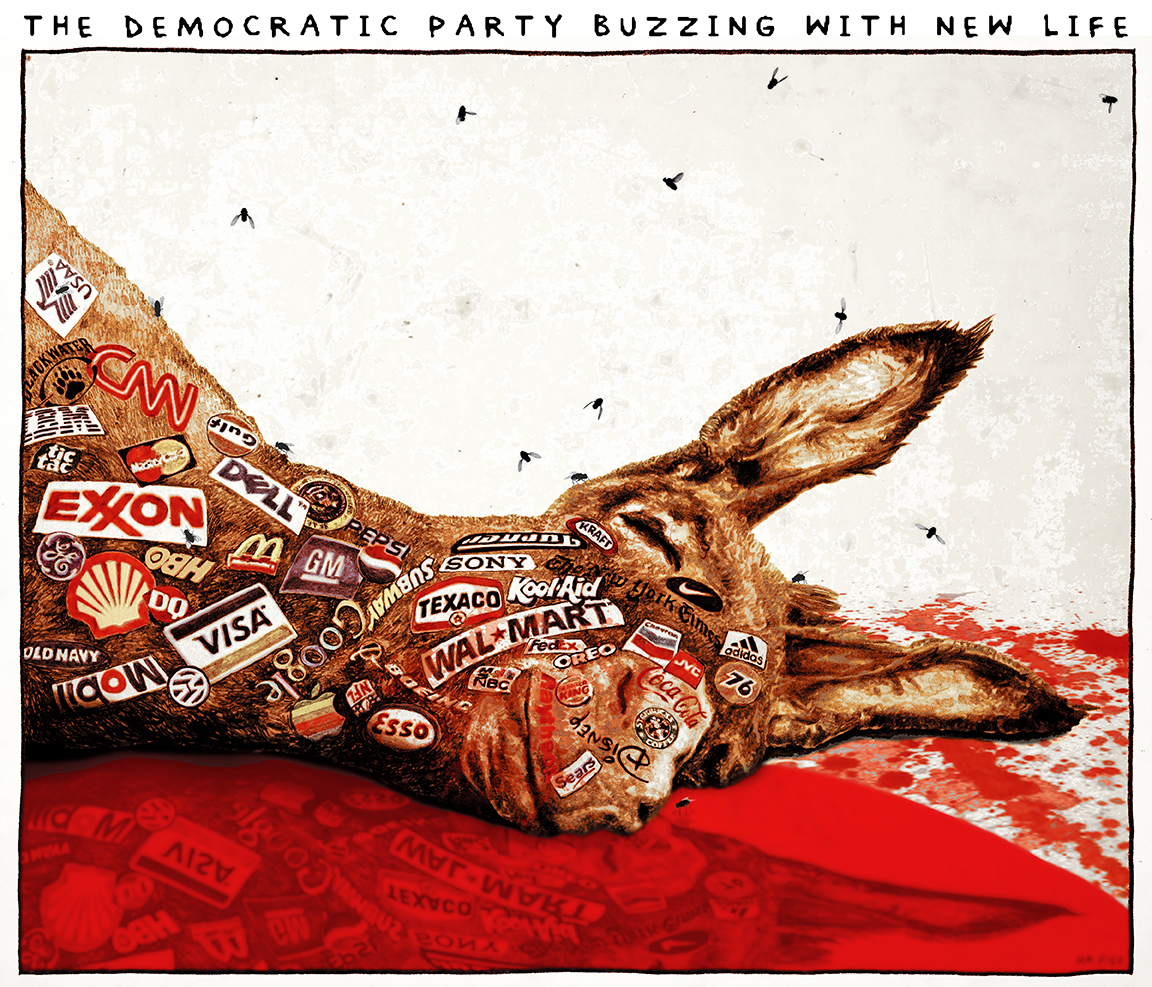
PNHP’s strategy has historically involved close alignment with the Democratic Party, leveraging the party’s rhetoric, and occasionally, its legislative efforts to advance the cause of single-payer. This alignment has meant focusing largely on legislative avenues within the existing political framework, often supporting Democratic candidates and initiatives that, while not fully single-payer, were seen as steps in the right direction. For instance, PNHP has traditionally engaged with and lobbied for bills like the Medicare for All Act, which have consistently been introduced by progressive Democrats in Congress. The organization’s membership, predominantly comprising physicians and allied health professionals, has lent it significant credibility in policy discussions, framing single-payer as a medically sound and economically efficient solution to the nation’s healthcare woes.
The Emergence of National Single Payer and a Call for Moral Courage
However, a growing sense of frustration with the perceived compromises and incrementalism of this approach, coupled with a belief that PNHP’s close ties to the Democratic Party were hindering genuine progress, led Dr. Malinow to co-found National Single Payer a couple of years ago. This new group represents a significant departure, explicitly stating its independence from the Democratic Party and advocating for a more confrontational, uncompromising stance against the "medical-industrial complex."
The catalyst for this public declaration of difference was a recent article, "Genocide the Non Profit Industrial Complex and the Democratic Party," published last week, which critically examined the role of certain non-profit organizations and their relationship with the Democratic Party. In response, Dr. Malinow articulated National Single Payer’s core distinction: its willingness to speak out on issues of global justice and human rights, particularly concerning the conflict in Gaza.
"It is important to call out organizations which have lacked the moral courage to speak out against the genocide in Gaza," Malinow wrote in an email, directly contrasting National Single Payer’s stance with PNHP’s national leadership, which she noted has remained silent on the issue. This silence, Malinow argues, renders organizations complicit and undermines their moral authority, particularly when advocating for healthcare as a human right. National Single Payer, conversely, "strongly condemned the genocide early on." This commitment to linking domestic healthcare advocacy with broader global justice issues is a defining characteristic of the newer group. In August 2024, Malinow herself published an article on CounterPunch titled "Finding the Moral Courage to Recognize a Genocide," further solidifying her and her organization’s position.
Deepening Divides: Scope, Strategy, and Political Independence
The differences between PNHP and National Single Payer extend beyond their stance on international conflicts, encompassing core aspects of their advocacy, membership, and political strategy.
Membership and Reach: PNHP primarily targets physicians and allied health professionals, framing the single-payer argument from a clinical and economic perspective within the healthcare sector. National Single Payer, by contrast, explicitly aims for a broader coalition. "National Single Payer is for everyone — whether you are a health professional or not," Malinow explained to Corporate Crime Reporter. This inclusive approach seeks to mobilize a wider segment of the public, unified by the principle that "healthcare is a human right, must be free, not for profit and will be achieved through national legislation and not a state by state effort."
Approach to Single-Payer Implementation: One of the most significant strategic divergences lies in the pathway to achieving single-payer healthcare. While National Single Payer is unyielding in its demand for national legislation, PNHP, particularly its local chapters, has shown openness to state-level single-payer initiatives. "The Metro NYC PNHP chapter and the California state chapter spend a lot of their time and effort advocating for state single payer," Malinow confirmed. This state-by-state approach is often seen by proponents as a pragmatic way to build momentum and demonstrate feasibility, but critics like Malinow view it as potentially diluting the national effort and creating a patchwork system.
Political Alignment and "Off-Ramps": The core of the ideological rift lies in the groups’ relationship with the Democratic Party. Malinow bluntly states, "PNHP is tightly aligned with the Democratic Party. National Single Payer is not." This alignment, she argues, leads to problematic outcomes. While Democrats may propose single-payer bills, they often fail to mobilize effectively around them, suggesting a lack of genuine commitment or an unwillingness to challenge powerful corporate interests.
National Single Payer is highly critical of what it calls "half-measures" and "off-ramps" offered by Democrats, particularly as the 2028 general election approaches. These include proposals designed to shore up the Affordable Care Act (ACA) or schemes like "Medicare by Choice." Malinow asserts that these are "meaningless proposals that prop up the Affordable Care Act and misleading schemes," ultimately designed to "preserve private insurance dominance while creating the illusion of reform." She warns that such proposals, like the public option advocated by Howard Dean in the past, are "guaranteed to set the Medicare for All movement back another fifteen years, just like the Affordable Care Act did."
Connecting the Dots: Global Justice and the Medical-Industrial Complex
Perhaps the most radical departure for National Single Payer is its explicit linkage of domestic healthcare reform to broader geopolitical issues and the "machinery of empire." The organization’s strong condemnation of actions in Gaza and U.S. complicity, along with statements on Iran and Venezuela, and a 2024 delegation to Cuba to deliver medicine and study its healthcare system, underscore this expansive view.
"It is important that we connect the violence of this medical industrial complex to the broader machinery of empire," Malinow emphasized. "The same political system willing to fund wars, sanctions, occupation and genocide, also accepts this mass suffering in the United States. Violence abroad and austerity at home are part of the same ideological structure." This perspective posits that the trillions poured into the military-industrial complex abroad directly correlate with the destruction of public healthcare systems and declining life expectancy at home.
This comprehensive critique culminated in National Single Payer’s launch of "The Declaration of Independence from the Medical-Industrial Complex," a campaign coinciding with the nation’s 250th anniversary of the Declaration of Independence. The campaign asserts that "both the military industrial complex and the medical industrial complex are profit driven machines functioning exactly as designed — enriching corporations as people suffer." This framework calls for a popular uprising to "take control of the healthcare system, and run it in the interest of the public instead of in the interest of profit."
Beyond Financing: The Delivery System Debate
Another critical area of differentiation lies in the definition of "single-payer" itself. While many advocates, including PNHP, focus on government as the single payer for healthcare services (eliminating private insurance), National Single Payer argues that this alone is insufficient. Current Medicare for All bills, such as HR 3069 in Congress, would indeed eliminate private insurance and allow Medicare to negotiate drug prices, but they largely leave the healthcare delivery system in private hands.
"Unfortunately, it does not call for the conversion from for profit to not for profit status of the hospitals for example," Malinow noted. This means that entities like Optum (a UnitedHealthcare subsidiary controlling 90,000 doctors), private equity firms running emergency rooms, or investor-owned dialysis centers, hospice companies, and nursing home facilities would continue to operate for profit. Malinow argues that this essentially turns a single-payer system into "a public subsidy of this medical industrial complex."
This distinction is crucial: a single-payer financing system (where the government pays) does not automatically mean a single-provider system (where the government owns and operates healthcare facilities, like the UK’s National Health Service). While there is currently no legislation in Congress that mandates the conversion of for-profit delivery systems to non-profit, earlier bills like HR 676, introduced by the late Rep. John Conyers, did include such provisions. This model, where healthcare facilities are community-owned or government-owned, is what Malinow and National Single Payer believe is necessary to truly sever ties with the profit motive in healthcare. Even existing "not-for-profit" hospitals often behave like their for-profit counterparts, "because they are entrenched in a system that incentivizes that kind of profiteering," she explained.
A New Vision for Legislative Strategy and Activism
Dr. Malinow outlined what she would do differently if she were in Congress, contrasting her approach with current efforts by figures like Senator Bernie Sanders and Representative Pramila Jayapal. Her proposed improvements to Medicare for All legislation include:
- Conversion to Non-Profits: Mandating the transition of for-profit delivery systems to non-profit status.
- Just Transition: Implementing programs for workers displaced from the private health insurance industry.
- Shorter Transition Time: Rejecting extended transition periods (2-4 years) as proposed by some.
- No Public Option: Eliminating any inclusion of a public option, which she views as a diversion.
- Progressive Tax Funding: Ensuring the system is funded through progressive taxation.
Beyond policy details, Malinow stresses the need for more robust advocacy. She advocates for congressional hearings to highlight these issues and insists that co-sponsors of bills must do more than simply sign on. They must actively hold town halls, advocate for the legislation, and utilize platforms like "special order speeches" to educate the public and build political will.
Implications for the Future of Healthcare Advocacy
The emergence of National Single Payer and its pointed critiques of PNHP and the Democratic Party signal a potential fragmentation within the broader movement for universal healthcare in the United States. While PNHP remains a powerful and respected voice, its traditional approach is now being challenged by a more assertive, politically independent, and globally conscious faction.
The backlash faced by National Single Payer, with some members leaving the organization due to its stance on Gaza, illustrates the internal tensions inherent in broadening the scope of healthcare advocacy. However, the fact that several local PNHP chapters (e.g., New York Metro PNHP, PNHP Bay Area) did issue statements condemning the genocide suggests that similar sentiments for a more morally engaged stance exist within the older organization’s ranks, even if its national board remains cautious.
This ideological split forces a crucial question: Will a more radical, uncompromising movement, unafraid to challenge both political parties and connect domestic issues to global injustices, be more effective in achieving comprehensive healthcare reform? Or will it alienate potential allies and further complicate the already arduous path to single-payer in the U.S.? As the nation approaches future election cycles, the debate over not just what healthcare reform should look like, but how it should be fought for, is poised to intensify. National Single Payer’s "Declaration of Independence from the Medical-Industrial Complex" serves as a clear call to action, demanding an uncompromising movement capable of directly confronting a system it believes profits from human suffering, both at home and abroad.




 Yuyun Lusiyani
 Joko Widodo
 Eva Lovia
 Pevita Pearce
 admin
admin
 Lina Irawan