
 admin
admin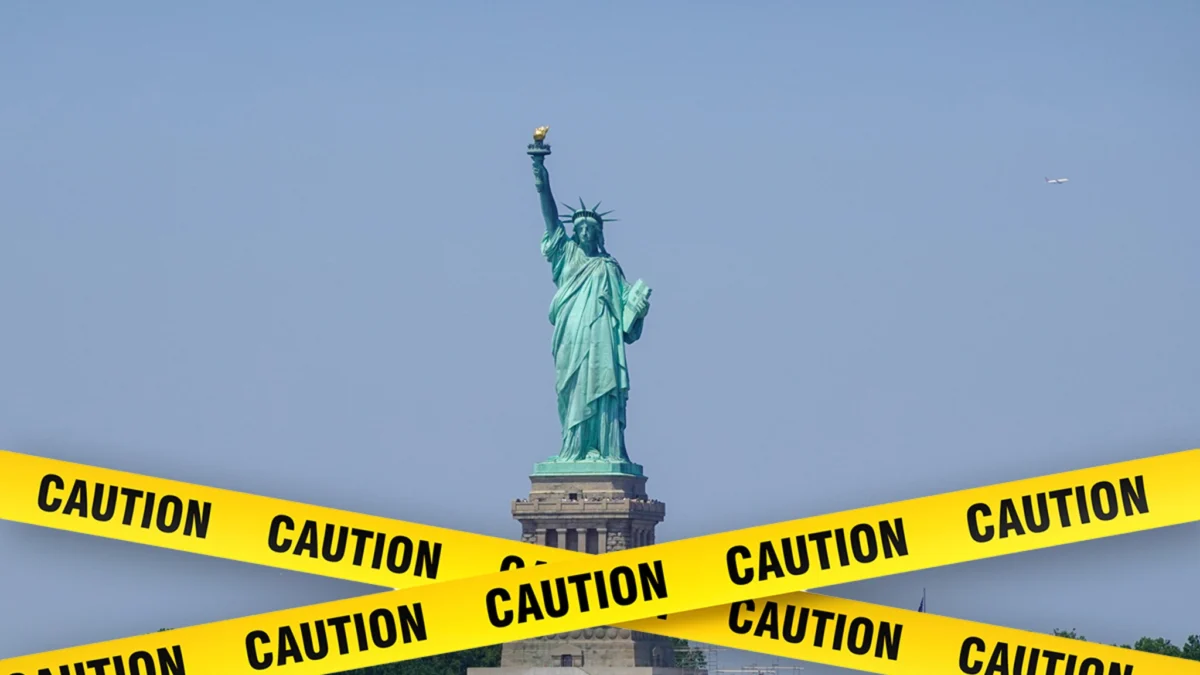
A tragic maritime incident unfolded late Saturday evening in the waters surrounding New York City’s iconic Statue of Liberty, resulting in the deaths of a 27-year-old woman and a 5-month-old infant, and the rescue of twelve other individuals after their vessel capsized. The harrowing event, which occurred off the coast of Liberty Island in New York Harbor on August 8, 2026, plunged fourteen people into the turbulent bay waters, prompting a massive emergency response from multiple city agencies. The incident, confirmed by law enforcement sources to be under active investigation, cast a somber shadow over the typically bustling waterway, drawing immediate attention from both local and national media outlets.
Authorities were alerted to an overturned vessel around 9:30 PM PDT on Saturday, August 8, 2026, triggering an immediate and coordinated rescue effort involving the New York Police Department’s (NYPD) Aviation and Harbor Units, along with a specialized scuba diving team. The rapid deployment of these resources was critical in mitigating what could have been an even greater loss of life in the challenging conditions of the harbor after dusk. The vessel, whose make and model have not yet been publicly disclosed, was reportedly carrying its full complement of passengers when it unexpectedly overturned, sending its occupants into the dark, choppy waters without warning.
Tragedy Strikes Near an Iconic Landmark
New York Harbor, a gateway to one of the world’s most vibrant cities and home to national monuments like the Statue of Liberty and Ellis Island, is a complex and highly trafficked environment for maritime activity. It serves as a major shipping lane for cargo and cruise liners, a hub for commuter and tourist ferry services, and a popular area for recreational boating, fishing, and sightseeing. On a typical summer evening, the waters are often dotted with various vessels, from large commercial ships to smaller private boats enjoying the city skyline and the proximity to the historic landmarks. The sudden capsizing of a boat carrying fourteen individuals in such close proximity to Liberty Island underscores the inherent and often underestimated risks associated with even seemingly benign recreational activities on the water, especially when conditions are less than ideal.
NYPD sources indicated that the fourteen occupants were abruptly thrown into the chilly, choppy waters of the bay. The precise cause of the capsizing remains the central focus of the ongoing investigation, with authorities meticulously examining all potential contributing factors. These include prevailing weather conditions, the structural integrity and maintenance history of the vessel, the conduct and experience of the boat’s operator, and the distribution and total weight of passengers and gear on board. The incident serves as a stark reminder of the unpredictable nature of marine environments and the critical importance of stringent safety measures.
The Perilous Rescue Operation
Upon receiving the distress call, the NYPD’s robust emergency response protocols were immediately activated. The Harbor Unit, renowned for its extensive experience and expertise in marine rescue and law enforcement, swiftly dispatched multiple patrol boats to the scene. These specialized vessels are equipped with advanced navigation systems, powerful searchlights, and rescue gear designed for rapid deployment in critical situations. Concurrently, the NYPD Aviation Unit deployed helicopters, which proved invaluable by providing crucial aerial illumination and real-time situational awareness to the ground and water-based teams. The helicopters’ powerful searchlights cut through the darkness, aiding in the identification of individuals struggling in the water and guiding rescue boats to their locations. Furthermore, a specialized scuba diving team was mobilized and dispatched, prepared for immediate underwater search and recovery operations if necessary, demonstrating the comprehensive nature of the initial response.
Rescuers faced a formidable challenge. New York Harbor, while picturesque by day, can be unforgiving at night. The currents are often strong and complex due to tidal flows and the confluence of several rivers, and the water temperature, even in August, can quickly lead to hypothermia, especially for individuals immersed for extended periods without appropriate thermal protection. The "choppy waters" reported by sources further complicated rescue efforts, making it difficult to locate individuals, maintain visual contact, and safely maneuver rescue craft. The sheer volume of water traffic in the harbor also presents unique challenges, requiring responders to navigate carefully while maintaining clear communication with other vessels and emergency units.
Despite the difficult conditions and the urgency of the situation, the coordinated efforts of the emergency services yielded significant results. Twelve of the fourteen passengers were successfully pulled from the bay in what was described as a rapid and heroic operation. These survivors, many suffering from exposure, shock, and minor physical injuries, were promptly transported to local hospitals in Brooklyn, where they received immediate medical treatment for non-life-threatening conditions. Their rescue stands as a testament to the rapid and professional response of the emergency services, preventing what could have been an even more catastrophic loss of life.
Rapid Deployment of Specialized Units
The NYPD Harbor Unit, one of the oldest maritime law enforcement agencies in the United States, dating back to 1858, comprises officers highly trained in marine navigation, search and rescue techniques, and water safety enforcement. Operating a modern fleet of specialized vessels, the unit is capable of responding to a wide range of incidents across New York City’s extensive 520 miles of waterfront. Their swift arrival on the scene, coupled with the critical aerial support from the Aviation Unit, was instrumental in the timely extraction of the survivors. The Aviation Unit’s capabilities, including thermal imaging technology and powerful spotlights, would have been particularly crucial in spotting individuals amidst the dark, moving waters, especially given the low visibility conditions at night.
Beyond the NYPD, other vital agencies likely offered support or were on standby. The United States Coast Guard, which maintains primary jurisdiction over federal waterways and plays a critical role in maritime safety and search and rescue operations in the region, would have been immediately notified and prepared to assist. The FDNY (Fire Department of New York) also operates highly trained marine units and Emergency Medical Services (EMS) personnel, who would have been involved in the immediate medical assessment and transport of the rescued individuals from the rescue boats to waiting ambulances on shore. This multi-agency coordination is standard procedure for major maritime incidents in the region, ensuring a comprehensive and robust response.
The Victims and Survivors
Tragically, not all aboard survived the ordeal. A 27-year-old woman and a 5-month-old girl were pulled from the bay in critical condition, having sustained severe exposure and trauma from the immersion. Despite the valiant and rapid efforts of paramedics at the scene and the dedicated medical staff at a Brooklyn hospital, both victims were later pronounced dead. The loss of an infant and a young woman in such heartbreaking circumstances has sent profound shockwaves through the community, underscoring the irreversible consequences of maritime accidents. The names of the deceased have not yet been publicly released, pending official notification of their next of kin, a standard and sensitive procedure in such tragic situations.
The twelve survivors, while physically recovering from their non-life-threatening injuries, are undoubtedly grappling with the immense psychological trauma of the event. Witnessing the sudden capsizing, the struggle for survival in the water, and the tragic loss of fellow passengers, particularly an infant, will have a lasting impact. Mental health support and counseling services are routinely made available to survivors of such traumatic incidents to help them process their experiences and cope with the emotional aftermath. The specifics of their injuries, while not fully disclosed, typically include varying degrees of hypothermia, shock, minor abrasions, and muscle strain from struggling to stay afloat and reach safety.
Unraveling the Cause: An Ongoing Investigation
The investigation into the capsizing is multifaceted and exhaustive, involving various divisions of the NYPD, and likely supported by federal maritime agencies such as the U.S. Coast Guard, given the nature and location of the incident. While initial reports indicated that the cause was "not clear just yet," investigators are meticulously examining several critical factors to determine precisely what led to the tragedy. The ultimate goal is not only to ascertain culpability but also to identify any systemic issues that could prevent similar incidents in the future.
Factors Under Scrutiny
One primary area of inquiry will be the vessel itself. This includes a thorough forensic examination of its structural integrity, its recent maintenance history, and whether it was equipped with all necessary safety gear as mandated by law. Investigators will assess if the boat had properly sized and accessible life jackets for all passengers, including infants, and if these were being worn or readily available. Any pre-existing mechanical issues, structural weaknesses, or equipment failures that could have contributed to its overturning will be meticulously documented.
Another crucial aspect under intense scrutiny is operator conduct. The experience, licensing, and certification of the boat’s operator will be reviewed. Was the operator properly licensed for the type of vessel and the prevailing conditions? Was there any indication of impairment, such as alcohol or drug use, which is a common factor in marine accidents? Adherence to maritime rules of the road, safe operating speeds, and proper boat handling practices will be thoroughly evaluated.
Passenger capacity and distribution will also be a key focus. Every recreational boat has a maximum weight and/or passenger capacity clearly displayed on a plate, typically provided by the manufacturer. Exceeding these limits severely compromises a vessel’s stability and maneuverability, making it highly susceptible to capsizing. Even if not overloaded by weight, improper distribution of passengers and gear can significantly affect a boat’s stability, especially in choppy waters or when executing turns.
Environmental factors cannot be overlooked. While "choppy waters" were reported, investigators will delve deeper into the specific wind speeds, wave heights, and current strengths at the time of the incident. The wake generated by larger commercial vessels or ferries traversing the busy harbor could also have played a significant, if sudden, role, creating powerful disturbances that a smaller boat might struggle to contend with. The inherent challenges of operating a vessel in darkness, including reduced visibility and the difficulty of perceiving depth and distance, will also be considered.
Finally, investigators will meticulously reconstruct the circumstances immediately preceding the capsizing. Was there a sudden maneuver, a collision with an unseen object (such as debris or another vessel), a sudden shift in weight among passengers, or a rapid mechanical failure? Eyewitness accounts from the survivors will be critical in piecing together the final moments before the boat overturned. The investigation is expected to be a lengthy process, with a full, comprehensive report potentially taking several months to complete, ultimately aiming to provide clarity to the victims’ families and inform future maritime safety measures.
Boating Safety in New York Harbor
This tragic incident serves as a stark and painful reminder of the paramount importance of strict adherence to boating safety regulations and best practices. New York Harbor, with its intricate network of waterways, heavy commercial traffic, and diverse recreational activities, demands a heightened level of vigilance and respect from all mariners, regardless of their experience level.
Regulations and Best Practices
Federal and state laws govern recreational boating, mandating certain safety equipment and operational procedures designed to prevent accidents and save lives. Key regulations and best practices include:
- Life Jackets: All vessels must carry a U.S. Coast Guard-approved life jacket for every person on board. Children under a certain age (typically 12 or 13, depending on state law) are generally required to wear them at all times while the vessel is underway. For infants, specialized infant life jackets are essential, designed to keep their heads above water and provide adequate support.
- Capacity Limits: Every recreational boat has a maximum weight and/or passenger capacity clearly displayed on a plate, typically near the helm. Exceeding these limits severely compromises the vessel’s stability, making it prone to capsizing, especially in adverse conditions.
- Operator Requirements: Most states require boat operators to complete a certified boating safety course and obtain a boating safety certificate, particularly for those born after a certain date. Knowledge of navigation rules, emergency procedures, safe boat handling, and local waterway specificities is paramount.
- Weather Awareness: Checking comprehensive marine weather forecasts before and during a trip is crucial. Sudden changes in weather, including unexpected wind shifts, squalls, or rapidly developing storms, can quickly turn calm waters into a dangerous environment.
- Lights and Sound Signals: Operating a vessel at night requires proper navigation lights to be displayed and the ability to make appropriate sound signals to prevent collisions and alert other vessels to one’s presence and intentions.
- Vessel Maintenance: Regular inspection and proactive maintenance of the boat’s engine, hull, steering, and all safety equipment are vital to prevent mechanical failures that could lead to an emergency.
Authorities consistently emphasize that even experienced boaters can encounter unforeseen hazards. The inherent unpredictability of water conditions, the presence of other vessels, and potential equipment failures necessitate constant awareness, preparedness, and conservative decision-making. This incident may prompt a renewed public information campaign regarding boating safety, particularly for those operating in complex urban waterways like New York Harbor, to educate and remind boaters of their responsibilities.
Community Impact and Official Responses
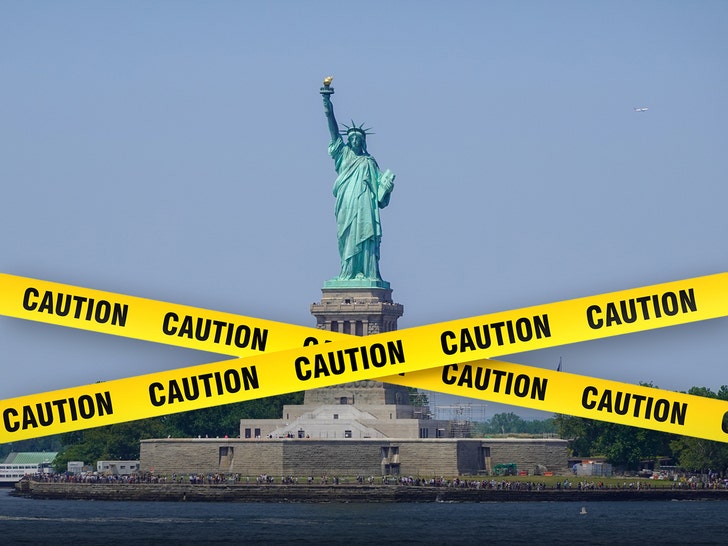
The tragedy has resonated deeply within New York City and far beyond. The image of the Statue of Liberty, a universal beacon of hope and freedom, serving as the backdrop for such a devastating event, creates a profound sense of sorrow and cognitive dissonance. Public officials have swiftly begun to issue statements expressing their profound condolences to the families of the deceased and commending the bravery, efficiency, and professionalism of the first responders.
The Mayor’s office, the NYPD Commissioner, and potentially the Governor’s office are expected to release more detailed statements as the investigation progresses and more facts become available. These statements typically combine heartfelt expressions of grief and solidarity with assurances that a thorough and transparent investigation will be conducted to ascertain all facts and to implement any necessary changes to prevent similar incidents in the future. Comprehensive support services for the affected families and survivors, including grief counseling and psychological support, will also be a priority for city agencies.
This incident also serves to highlight the unwavering dedication of the city’s emergency services personnel, who routinely put themselves at risk to save lives and respond to crises. Their swift, coordinated, and professional action in a high-stakes, nighttime marine rescue scenario, despite the tragic outcome for two individuals, is a testament to their rigorous training, unwavering commitment, and the robustness of New York City’s public safety infrastructure. While the loss of life is undeniably heartbreaking, the successful rescue of twelve individuals prevents an even greater catastrophe and underscores the invaluable role these dedicated professionals play in safeguarding the city.
A Call for Heightened Vigilance
As the city mourns the profound loss of a young woman and an infant, the maritime community and the broader public are urged to reflect on the critical importance of water safety. Whether on private boats, commercial ferries, or any other vessel, understanding and respecting the inherent power and unpredictability of the water is absolutely essential. This tragedy near the Statue of Liberty serves as a poignant and sobering reminder that while New York Harbor offers unparalleled scenic beauty and recreational opportunities, it also demands the utmost respect, preparedness, and stringent adherence to safety protocols from all who venture upon its waters. The full findings of the ongoing investigation will be crucial in understanding the specific chain of events that led to this disaster and in implementing any necessary changes to enhance safety for future generations enjoying the magnificent, yet sometimes perilous, waters of New York.




 Yuyun Lusiyani
 Joko Widodo
 Eva Lovia
 Pevita Pearce

 Lina Irawan