
 admin
admin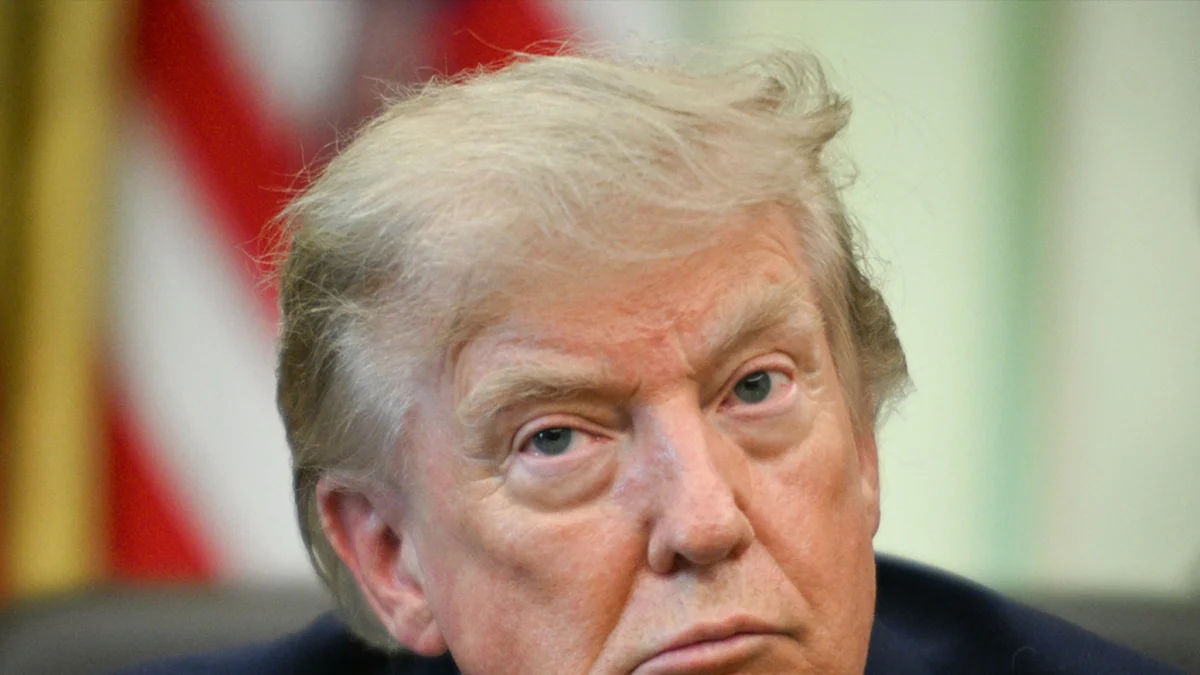
President Donald Trump has officially confirmed an extraordinary security maneuver involving his recent post-NATO summit departure from Turkey, revealing that a clandestine switch from the iconic Air Force One to a smaller, undisclosed military aircraft was not his personal decision but a direct order from the Secret Service and military personnel due to a "credible security threat" linked to Iran. The revelation, initially brought to light by The Washington Post, details an elaborate decoy operation designed to safeguard the President amidst heightened geopolitical tensions. This rare and complex operation underscores the extreme measures undertaken by U.S. security agencies to protect the commander-in-chief in an increasingly volatile global landscape.
Unprecedented Presidential Security Maneuver Confirmed
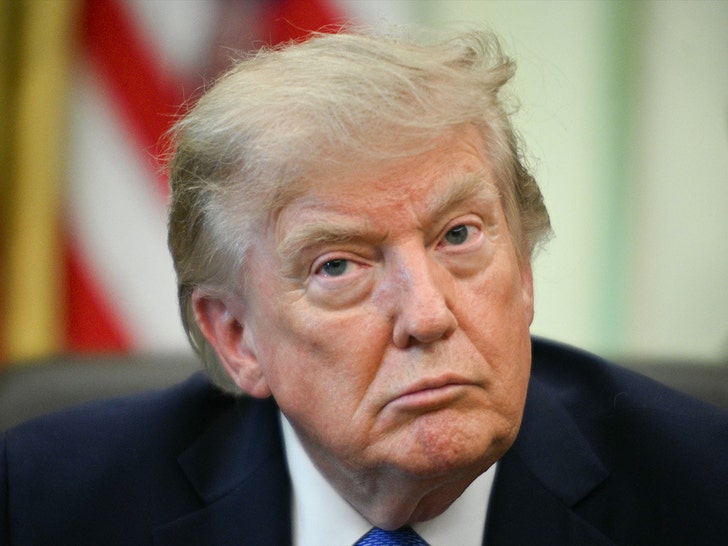
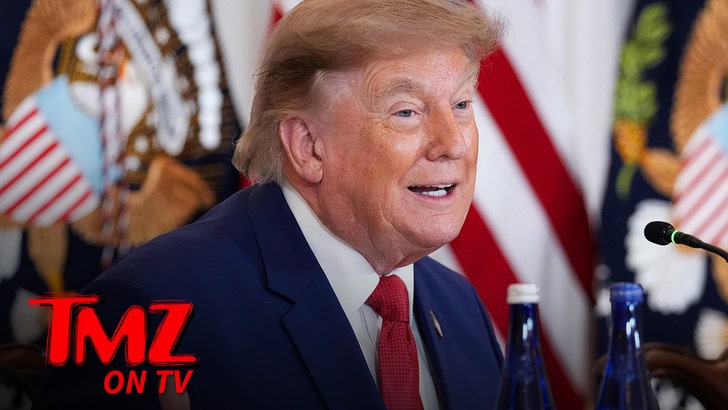
Speaking publicly about the incident for the first time on Tuesday, President Trump addressed the swirling speculation surrounding his return flight from the NATO summit held last month in Turkey. "I go by Secret Service and the military. They wanted me to go in a different flight, different plane," Trump stated, emphasizing his deference to the expertise of his security detail. He added, "I just have to do what they say," underscoring the non-negotiable nature of the directive. This confirmation puts an end to weeks of hushed rumors and validates the detailed account published by The Washington Post, which meticulously described the President’s covert transfer. The gravity of such a decision, bypassing the universally recognized symbol of presidential power and security, Air Force One, highlights the severe nature of the perceived threat. For a sitting U.S. President to be rerouted from his primary transport due to intelligence, especially during international travel, is a move almost without modern precedent, signaling a significant escalation in the perceived dangers to the highest office.
The Anatomy of a Decoy Operation
The operation, which unfolded in the hours following the conclusion of the high-stakes NATO summit, was a masterclass in covert presidential movement. The decision to implement such a drastic measure would have been the culmination of weeks, if not months, of intelligence gathering and threat assessment by various U.S. intelligence agencies and military commands.
The NATO Summit Context
The setting for this extraordinary event was Turkey, a pivotal NATO ally but also a nation situated in a geopolitically complex region bordering active conflict zones and states with adversarial relationships with the United States. International summits, by their very nature, bring together numerous world leaders, creating a complex security environment that can be exploited by malicious actors. While the specific agenda of the NATO summit remains classified, these gatherings typically involve discussions on collective defense, regional security challenges, and counter-terrorism efforts, often touching on sensitive topics that could provoke state and non-state adversaries. The logistical planning for presidential travel to such an event is always immense, but the added layer of a credible, immediate threat would have elevated the security posture to unprecedented levels.
Intelligence Alarms
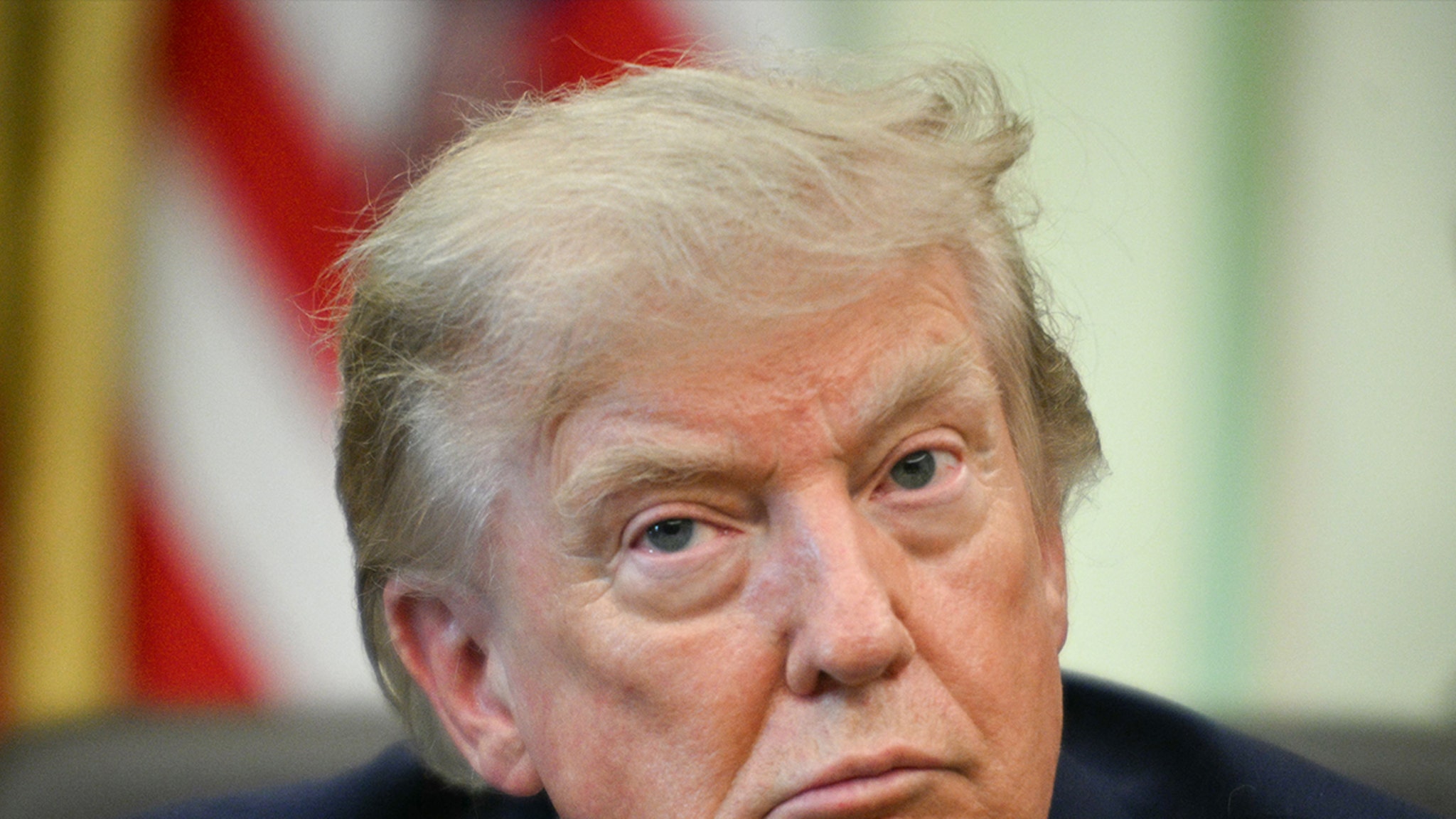
The catalyst for the switch was a "credible threat linked to Iran." While details remain scarce due to national security implications, such a threat could encompass a range of scenarios: a direct assassination attempt, a sophisticated cyberattack targeting presidential communications or aircraft systems, or even a plot to sabotage ground movements. The intelligence community, including the CIA, NSA, and Defense Intelligence Agency, would have meticulously vetted information from human intelligence sources, signals intelligence, and cyber surveillance. A "credible" assessment implies a high degree of confidence in the intelligence, indicating not just intent but also capability and a specific operational window. The decision to act would have been made by a high-level joint task force comprising representatives from the Secret Service, the Pentagon, and the National Security Council, with the ultimate authority resting with the President’s chief of staff and national security advisor, pending the President’s ultimate consent to follow their recommendations.
The Switch: A Masterclass in Deception
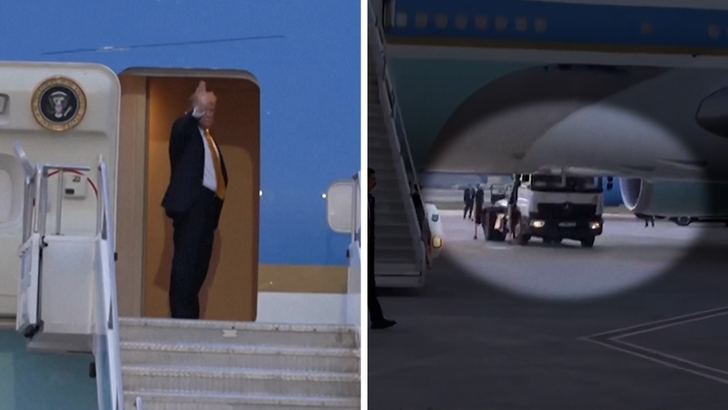
According to the detailed accounts, the intricate plan involved deceiving not only potential adversaries but also White House staff and accompanying journalists. After departing the summit venue, President Trump was reportedly hidden inside an unassuming airport catering vehicle. This seemingly innocuous vehicle provided the perfect cover for his discreet transfer across the tarmac, bypassing standard motorcade routes and high-visibility entry points. From there, he was transported to a smaller military aircraft, widely speculated to be a C-32 (a modified Boeing 757), which is often used for shorter presidential trips or as a backup. These aircraft, while less iconic than the VC-25s (Boeing 747s) that serve as Air Force One, are fully equipped with secure communications and defensive countermeasures.
Meanwhile, the primary Air Force One, a VC-25A, proceeded with its scheduled departure, carrying White House staffers, Secret Service agents, and members of the press corps, all of whom were reportedly unaware that the President was not onboard. The jumbo jet, with its distinct blue and white livery, effectively served as a high-profile decoy, drawing attention and resources away from the President’s actual, covert departure. This level of deception required precise timing, meticulous coordination among multiple agencies, and the absolute secrecy of a select few individuals privy to the full scope of the operation. The use of a decoy aircraft is a tactic traditionally reserved for wartime leaders or highly sensitive diplomatic missions, highlighting the exceptional nature of the threat detected.
Decades of Presidential Protection: A Historical Perspective
The measures taken to protect the U.S. President are unparalleled globally, reflecting the immense symbolic and strategic importance of the office. This recent event, while unusual in its execution, is a testament to the continuous evolution of presidential security protocols in response to an ever-changing threat landscape.
The Role of the Secret Service
The United States Secret Service, initially founded to combat currency counterfeiting, evolved into the primary agency for presidential protection after the assassination of President William McKinley in 1901. Its mandate encompasses safeguarding the President, Vice President, their immediate families, former presidents, and visiting heads of state. The Secret Service maintains a vast intelligence network, conducts comprehensive threat assessments, and deploys highly trained agents in close proximity to the President at all times. Their operational planning for any presidential movement, domestic or international, is incredibly detailed, considering every conceivable threat from hostile individuals to state-sponsored attacks. The decision to override standard protocol, such as using Air Force One, would only be made under the most dire circumstances and with unanimous agreement among the highest echelons of the Secret Service and military command.
Air Force One: A Flying Fortress
Air Force One is not merely an airplane; it is a flying command center, designed to be survivable in virtually any scenario, including nuclear war. The VC-25A aircraft are heavily modified Boeing 747s equipped with advanced avionics, secure communication systems, self-defense capabilities, and extensive medical facilities. Its defensive systems are state-of-the-art, designed to counter missile threats, electronic warfare, and other forms of attack. The aircraft also serves as a mobile White House, allowing the President to govern from anywhere in the world. The fact that security forces deemed even this "flying fortress" insufficient or too vulnerable for the specific threat detected underscores the extraordinary nature of the intelligence received. It implies a threat that might have been capable of circumventing or overwhelming Air Force One’s formidable defenses, or perhaps targeting the President during ground operations to or from the aircraft.
Evolution of Threats
Threats to U.S. presidents have evolved significantly over time. From lone assassins in the 19th and 20th centuries to sophisticated international terror organizations and state-sponsored cyber warfare in the 21st, security challenges have grown in complexity. Modern adversaries possess capabilities ranging from precision-guided munitions and advanced intelligence gathering to sophisticated cyber tools that could disrupt critical systems. This continuous evolution necessitates constant adaptation in security strategies, including the development of contingency plans for scenarios previously considered unimaginable. The Air Force One switcheroo serves as a stark reminder that even the most advanced security measures must be flexible and capable of improvisation in the face of dynamic and severe threats.
Geopolitical Tensions: The Iran Connection
The "credible threat linked to Iran" is particularly significant given the long-standing and often tumultuous relationship between Washington and Tehran. The mention of Iran as the source of the threat immediately places the incident within the broader context of persistent geopolitical friction.
Current State of U.S.-Iran Relations (in 2026)
While specific events leading up to August 2026 are not detailed, it is plausible to infer a state of elevated tension between the U.S. and Iran. Over the past decade, relations have been characterized by disputes over Iran’s nuclear program, its ballistic missile development, and its support for proxy groups across the Middle East. Sanctions imposed by the U.S. have crippled Iran’s economy, leading to a cycle of escalating rhetoric and occasional military confrontations. Cyber warfare between the two nations has also been a persistent feature of their rivalry, with both sides accusing the other of disruptive attacks. It is conceivable that by 2026, a specific intelligence assessment could have indicated an Iranian-backed plot, or a plot by an affiliated non-state actor, aimed at a high-profile target like the U.S. President, perhaps in retaliation for perceived U.S. aggression or sanctions.
Regional Implications
Turkey, as a NATO member, shares a complex border with Syria and Iraq, regions where Iranian influence and proxy groups are active. Any threat originating from or linked to Iran in this geographical context would carry significant regional implications, potentially destabilizing an already volatile area. Such an incident could further strain U.S.-Iran relations, leading to increased military posturing, heightened alerts for U.S. forces in the region, and potentially new diplomatic or economic pressures. It also highlights the intricate challenges faced by nations like Turkey, which must balance their alliances with their own regional security concerns amidst major power rivalries.
Official Reactions and Public Disclosure
The confirmation of the Air Force One switch has naturally elicited a range of reactions, both official and anticipated, while also sparking a debate about government transparency versus national security.
White House Response
Following President Trump’s direct confirmation, the White House Press Secretary would likely issue a statement reiterating the President’s unwavering trust in his security teams and emphasizing that the safety and security of the President are paramount. While confirming the general nature of the event, specific details about the threat or the operational specifics would remain classified, citing national security concerns and the need to protect sensitive intelligence methods. The focus would be on reassuring the public that the President remained safe and fully capable of executing his duties throughout the incident.
Secret Service and Pentagon Stance
Both the Secret Service and the Pentagon would adhere to their long-standing policies of not commenting on specific protective operations or intelligence matters. Their official statements would likely be terse, reaffirming their commitment to presidential protection and their capability to counter any threat. Such discretion is critical for maintaining the effectiveness of their security protocols and preventing adversaries from gaining insights into U.S. capabilities.
Congressional Calls for Briefings
The revelation of such a significant security breach would undoubtedly trigger calls for closed-door briefings from members of Congress, particularly from the House and Senate Intelligence Committees and the Armed Services Committees. Lawmakers from both parties would likely express concern over the nature of the Iranian threat and seek assurances that similar incidents can be prevented in the future. There could be bipartisan consensus on the need to understand the full scope of the threat and the effectiveness of the U.S. intelligence apparatus in detecting and neutralizing it.
Iran’s Anticipated Denial
Given the accusation of a "credible threat linked to Iran," it is highly probable that Tehran would issue a swift and strong denial. Iranian officials would likely condemn the allegations as "baseless," "provocative," or "propaganda" designed to tarnish Iran’s international image or justify further U.S. aggression. Such denials are a standard feature of the diplomatic dance between the two nations, even when intelligence points to Iranian involvement in various activities.
Implications for National Security and Presidential Travel
The Air Force One switcheroo marks a significant moment in the history of presidential security, with potential long-term implications for national security strategy and the protocols governing the highest office.
Elevated Threat Landscape
This incident underscores the persistent and evolving nature of threats facing the U.S. presidency. It highlights that even in an era of advanced intelligence and security technologies, determined adversaries possess the capability and intent to target the nation’s leader. The successful execution of such a complex decoy operation suggests that the intelligence community is operating in an environment where threats are not only credible but also require extraordinary countermeasures. This will likely lead to even greater vigilance and investment in counter-intelligence and protective services.
Future of Presidential Security
The use of a decoy Air Force One and a covert transfer could set a new precedent for presidential travel in high-threat environments. While such measures are inherently resource-intensive and logistically challenging, this incident may normalize the idea of employing similar tactics when intelligence dictates. Future presidential movements, particularly to volatile regions, might incorporate elements of operational deception as a standard contingency, adding layers of complexity to already intricate travel plans. This could also influence the design and capabilities of future presidential transport aircraft, potentially integrating more sophisticated concealment or rapid-switch capabilities.
Transparency vs. Security
The fact that White House staffers and journalists were kept in the dark about the President’s actual whereabouts raises questions about the balance between national security imperatives and the public’s right to know. While operational security is paramount, the use of deception, even for protective purposes, can spark debate about government transparency. This incident highlights the inherent tension between maintaining secrecy to ensure the President’s safety and the democratic principle of an informed citizenry and press.
Operational Costs and Resources
Executing such a sophisticated operation demands immense logistical and financial resources. The deployment of multiple military aircraft, the coordination of intelligence agencies, the extensive ground support, and the sheer manpower involved represent a substantial commitment of taxpayer dollars and national assets. While the cost of presidential protection is always high, this incident serves as a stark reminder of the extraordinary lengths and resources that must be marshaled to safeguard the commander-in-chief against modern threats.
In conclusion, President Donald Trump’s confirmation of the Air Force One switcheroo due to an Iran-linked threat represents a landmark event in presidential security. It reveals the extraordinary lengths to which U.S. security agencies will go to protect the President, demonstrating an adaptive and sophisticated response to a highly credible danger. This incident not only offers a rare glimpse into the covert world of presidential protection but also casts a sharp light on the continuing geopolitical tensions with Iran and the elevated threat landscape facing the United States on the global stage. It underscores the unwavering commitment of the Secret Service and the military to their solemn duty, even if it means departing from tradition and employing unprecedented measures to ensure the safety of the nation’s leader.


 Yuyun Lusiyani
 Joko Widodo
 Eva Lovia
 Pevita Pearce
 Lina Irawan