
 Eva Lovia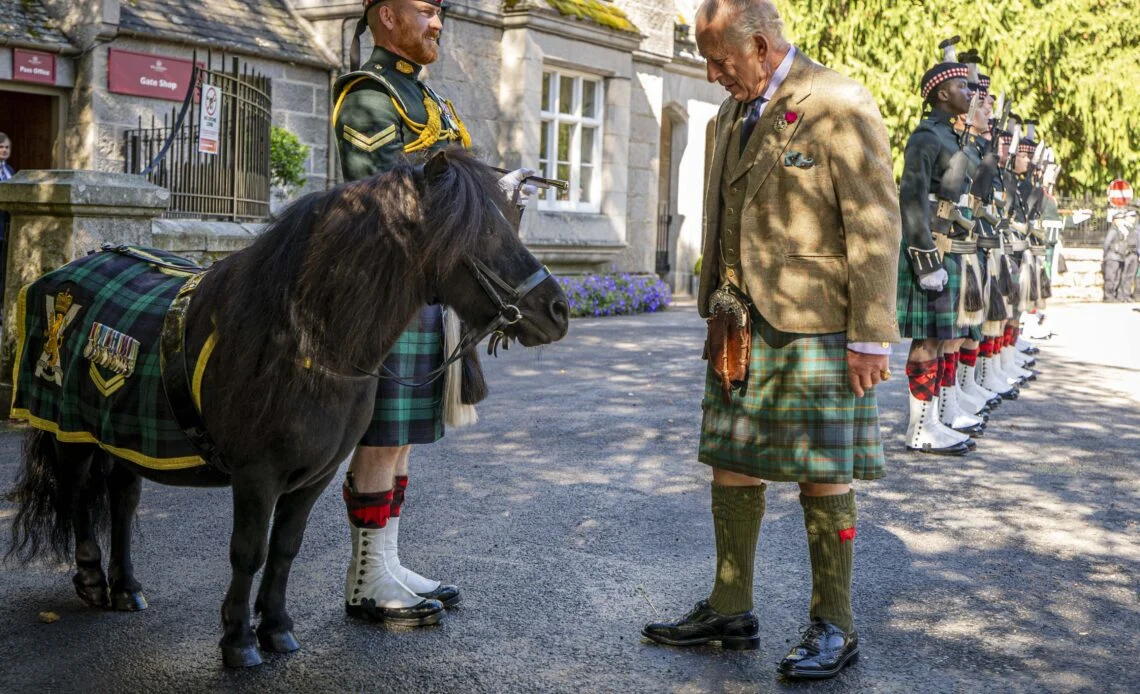
King Charles has commenced his annual summer sojourn at Balmoral Castle, the esteemed royal residence nestled deep within the Scottish Highlands, a period typically marked by relative tranquility for the British Royal Family. However, this year’s retreat is underscored by a seismic announcement that has reverberated through royal circles and beyond: reports indicate that the Duke and Duchess of Sussex, Prince Harry and Meghan Markle, are planning a return to the United Kingdom by the close of August. This potential relocation, detailed in a significant report by The Telegraph, marks a dramatic shift for the couple who, along with their two children, Prince Archie and Princess Lilibet, stepped back from their roles as senior working royals in early 2020.
The impetus for the Sussexes’ departure was their stated desire to forge a more independent path, seeking financial autonomy and a different lifestyle away from the intense scrutiny of royal life. Their subsequent move to California in 2020 was seen as a definitive step in this new direction. Now, with the prospect of their return, the narrative surrounding their relationship with the Royal Family and their place within the public consciousness appears poised for a significant recalibration. Sources close to the couple have indicated that their children will commence their schooling in the UK at the end of the summer, a detail that lends considerable weight to the relocation reports. Furthermore, it has been emphasized that the family intends to reside in a private, personally owned property, rather than a royal residence, and will not be resuming their former royal duties. This affirmation of their status as private individuals underscores their commitment to the path they embarked upon several years ago.
A Timeline of Royal Arrivals and Declarations
The King and Queen Camilla arrived at Balmoral Castle on Tuesday, marking the official start of their traditional summer break. The monarch was formally welcomed by a Guard of Honour from The Royal Regiment of Scotland, a customary military display that signifies the significance of the royal presence at their beloved Highland estate. This annual retreat has historically served as a period of respite and family time for the monarch and his closest relatives.
The Prince and Princess of Wales, along with their children Prince George, Princess Charlotte, and Prince Louis, are also understood to be on holiday. While their specific summer plans are not always publicly detailed, it is a well-established tradition for the Wales family to spend a portion of their summer break at Balmoral, typically towards the latter part of August. The timing of the Sussexes’ reported return, coinciding with these periods of royal family gathering, has inevitably fueled speculation and intense media interest.
The Daily Mail has reported that King Charles was personally informed of Prince Harry and Meghan Markle’s impending relocation on Sunday. This direct communication, according to royal correspondent Rebecca English, suggests an effort to ensure the King was aware of the significant development prior to its wider dissemination. English’s reporting further highlighted the King’s measured response: "It is understood that while he ‘welcomes’ the chance to see Harry and his family in a private and personal capacity, the King is clear that there will be ‘no alteration’ to the Duke and Duchess of Sussex’s role and status as private individuals and non-working members of the Royal Family in keeping with their ‘clearly expressed wishes and agreement over past years.’" This statement, if accurate, aims to preempt any assumptions about a potential reintegration into royal duties or a shift in their established separation from the core functions of the monarchy.
Similarly, reports indicate that the Prince of Wales, William, was also apprised of his brother’s potential move back to the UK on Sunday. The communication between the siblings and with the King signifies a potentially delicate familial and constitutional moment. The long-standing complexities of the relationship between the Sussexes and the rest of the Royal Family, particularly since their departure from the UK, are well documented. This impending return, even as private citizens, is likely to reintroduce these dynamics into the public sphere with renewed intensity.
Background and Context: The Sussexes’ Royal Departure
The decision by Prince Harry and Meghan Markle to step back as senior working royals in January 2020 was a watershed moment for the British monarchy. Citing overwhelming media intrusion and a desire for a more private life, the couple announced their intention to split their time between North America and the UK. This move, often referred to as "Megxit," led to extensive negotiations with Buckingham Palace regarding their future roles and responsibilities.
Ultimately, an agreement was reached that they would relinquish their royal patronages and cease undertaking official duties on behalf of the Sovereign. They also committed to becoming financially independent, a goal they have pursued through various commercial ventures, including production deals with major streaming platforms and the publication of their personal memoirs. Their relocation to Montecito, California, further cemented their separation from the institutional heart of the monarchy.
The Sussexes have since cultivated a distinct public profile, focusing on their philanthropic endeavors, advocacy work on issues such as mental health and environmental conservation, and their burgeoning media careers. While they have maintained a familial connection, their public interactions with the Royal Family have been limited and often closely watched for any signs of reconciliation or continued friction. The upcoming school year for Prince Archie and Princess Lilibet represents a concrete and significant catalyst for their reported relocation, suggesting a long-term rather than temporary return.
Data and Implications: A Shifting Landscape
The potential return of the Duke and Duchess of Sussex to the UK, even as private citizens, carries several implications.
- Public Perception and Media Scrutiny: Despite their stated desire for privacy, the couple has consistently attracted significant media attention. Their presence in the UK is likely to reignite intense media interest, potentially impacting the media landscape surrounding the Royal Family. The careful positioning of their return as a private matter, with no return to royal duties, will be crucial in managing public expectations and royal protocol.
- Family Dynamics: The physical proximity of the Sussex family to the King and the Prince and Princess of Wales will undoubtedly alter the dynamics of their familial relationships. While the King has reportedly welcomed private contact, the practicalities of frequent visits and interactions will introduce new considerations for all parties involved. The absence of official duties means that these interactions will be purely personal, a distinction that has been clearly articulated.
- Constitutional and Protocol Considerations: The Royal Family operates under strict protocols and precedents. The Sussexes’ status as non-working royals has been formally established. Their return to the UK does not alter this status, and official statements have been designed to reinforce this clear delineation. Any public engagements or appearances they undertake will be as private citizens, subject to different considerations than those governing working royals.
- Security and Logistics: The security arrangements for high-profile individuals like Prince Harry and Meghan Markle, even as private citizens, are complex and costly. Their return will necessitate a review and potential adjustment of these arrangements, raising questions about who bears the responsibility and cost. The choice of a private residence, rather than a royal property, suggests a desire for greater autonomy in managing their personal security and daily lives.
Broader Impact and Analysis
The decision by Prince Harry and Meghan Markle to potentially relocate their family back to the UK is a development that could reshape their public narrative and their relationship with the institution they departed. It signifies a potential willingness to navigate a more integrated, albeit still separate, existence within the United Kingdom. The timing, with their children’s schooling as a primary driver, suggests a considered and long-term approach to this decision.
The clear pronouncements from Buckingham Palace, emphasizing the Duke and Duchess’s continued status as private individuals with no return to royal duties, are a strategic move to manage expectations and maintain the established order. This approach aims to prevent any misinterpretation of their return as a partial reintegration into the working monarchy.
As King Charles begins his summer respite at Balmoral, the news of the Sussexes’ impending return will undoubtedly cast a longer shadow than previous years. The annual tradition of royal summer holidays has often been a period for reflection and family bonding. This year, however, the family’s narrative is set to include a significant new chapter, one that promises to be closely observed by the public and the media alike. The coming months will reveal the full extent of this relocation and its subsequent impact on the evolving landscape of the British Royal Family. The Royal Regiment of Scotland’s guard at Balmoral stands as a symbol of continuity, while the reported return of the Duke and Duchess of Sussex signals a dynamic shift within that enduring institution.




 Yuyun Lusiyani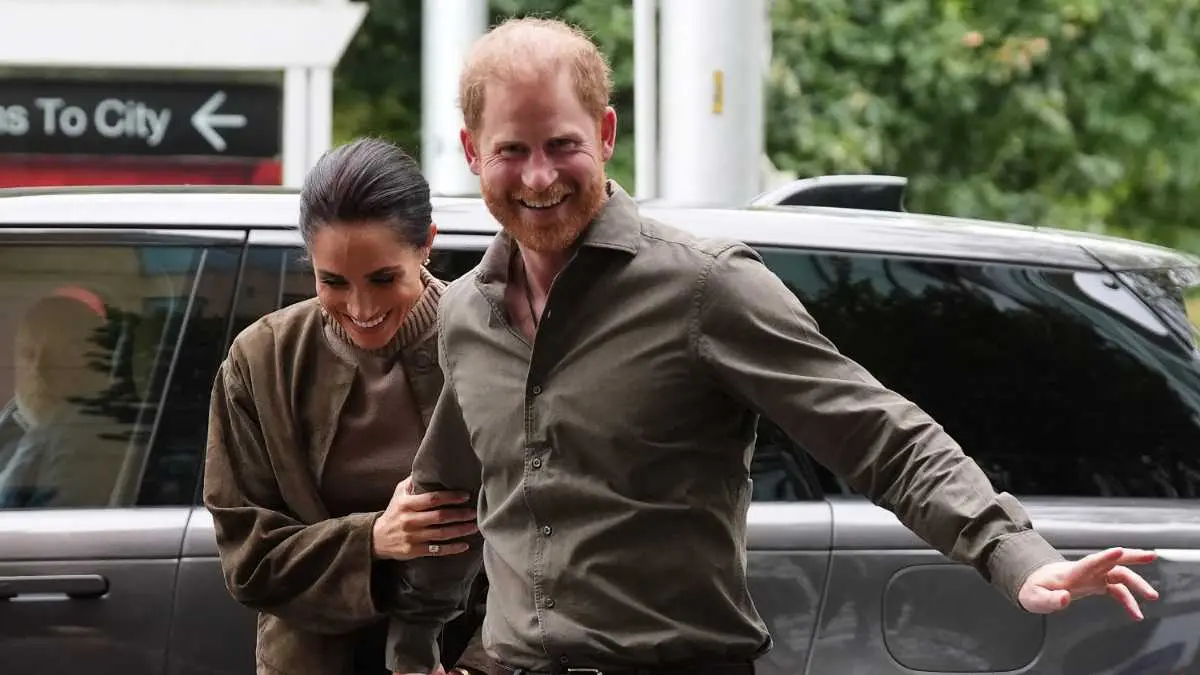
 Joko Widodo
 Pevita Pearce
 admin
admin
 Lina Irawan