
 Amara Maple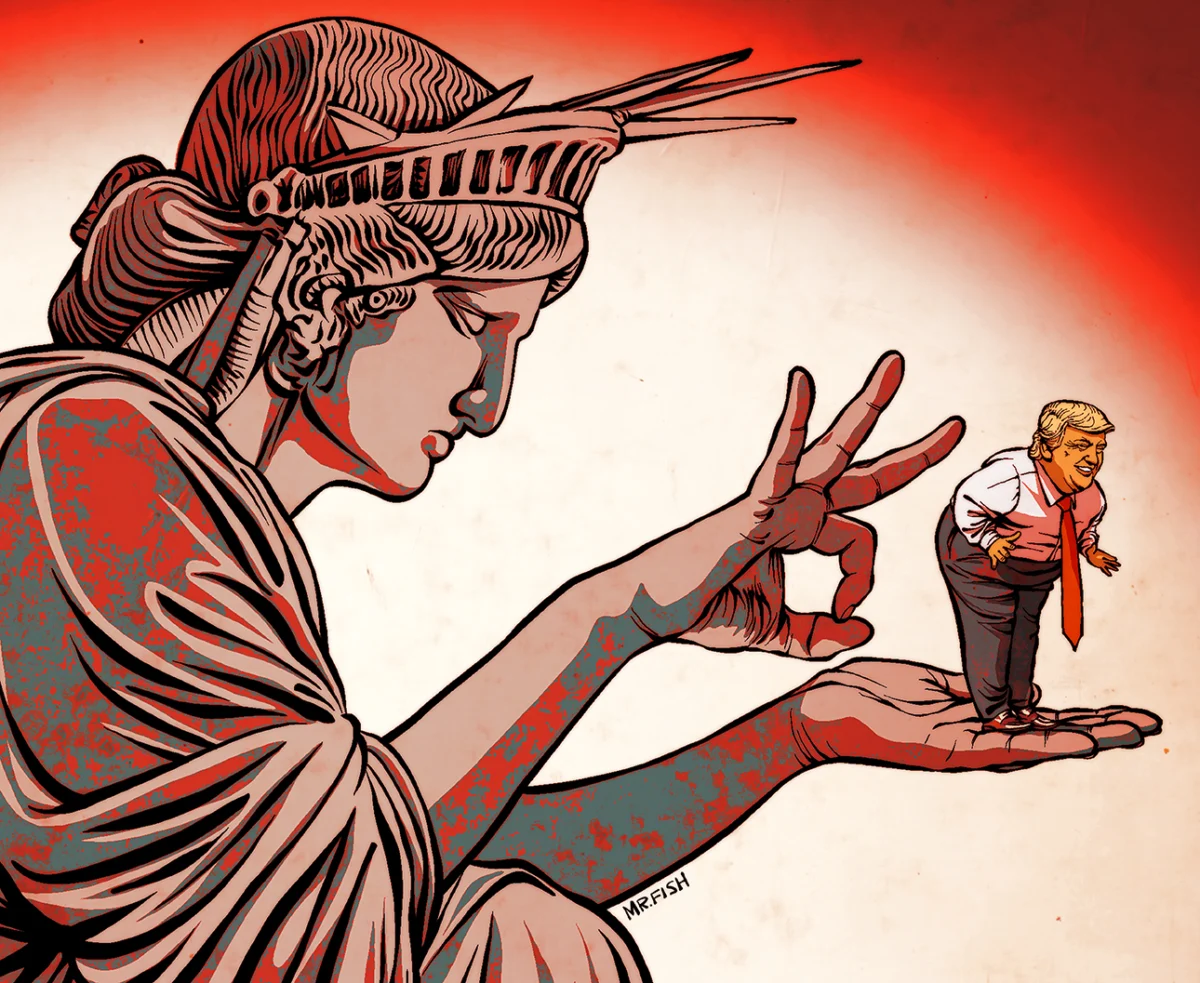
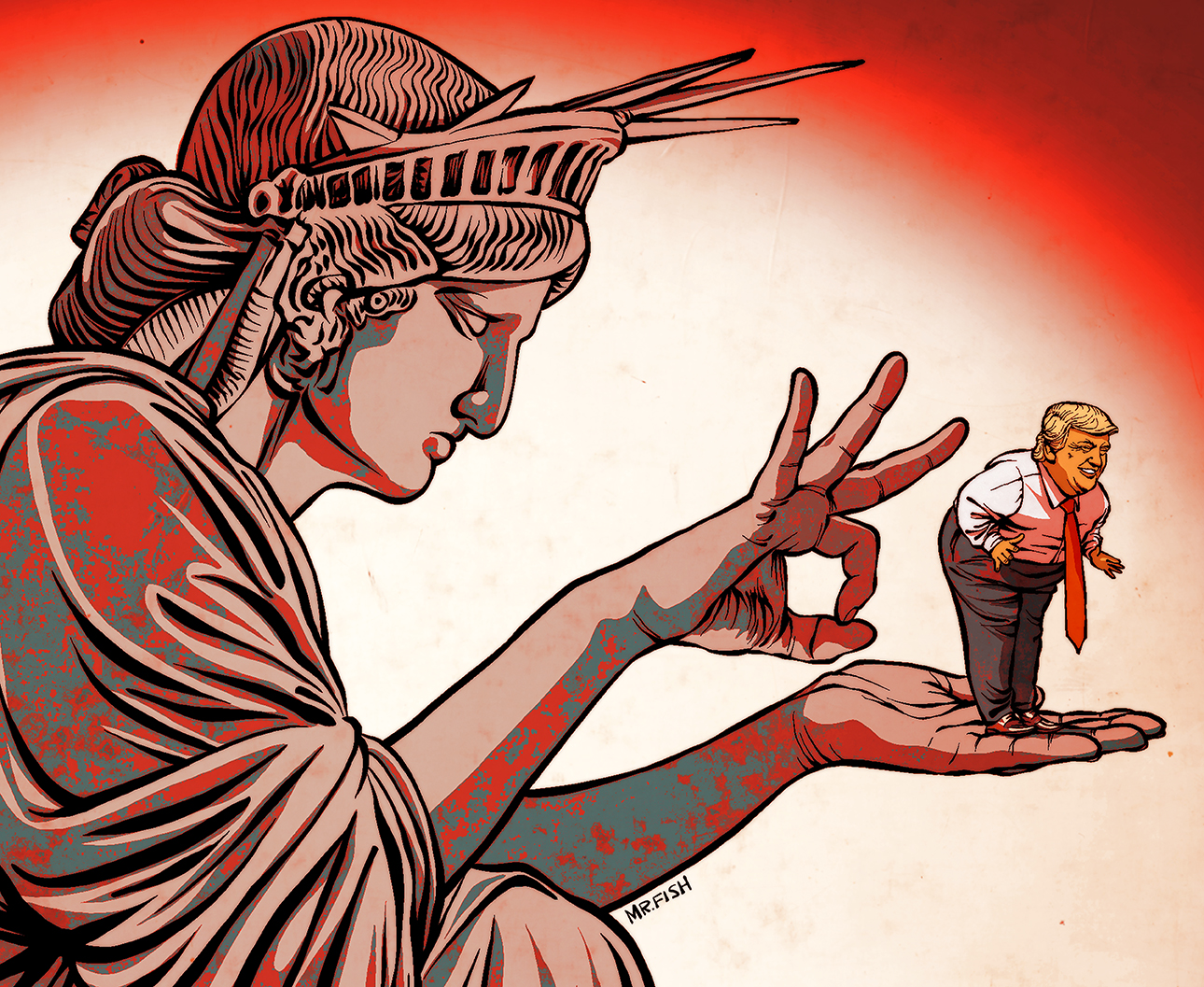
The nation’s capital is poised to host a significant gathering of legal minds, political figures, and advocacy leaders on July 22, 2026, as consumer protection stalwart Ralph Nader and renowned constitutional lawyer Bruce Fein convene the second in a series of "watershed symposia." This pivotal event aims to meticulously examine the constitutional and legal grounds for the impeachment and removal of President Donald Trump, delving into a comprehensive array of alleged executive abuses and outlining potential strategies for accountability. The symposium underscores a persistent focus within certain legal and activist circles on the mechanisms of presidential oversight and the enduring principles of American democracy.
Event Logistics and Public Engagement
Scheduled to take place from 11:00 a.m. to 3:00 p.m. in Room 201-00 of the Senate Visitors Center, the symposium offers a unique opportunity for public engagement on a critical constitutional matter. The Senate Visitors Center, situated beneath the East Front of the U.S. Capitol, serves as an apt and symbolically charged venue for discussions concerning the very foundations of American governance and the balance of power. Coffee will be available for attendees starting at 11:00 a.m., with lunch served at 12:15 p.m., facilitating a full day of intensive deliberation.
While the event is open to the public, prospective attendees are required to RSVP by Monday, July 20, at 10:00 a.m. This requirement reflects the organizers’ commitment to managing attendance for what is anticipated to be a highly attended and impactful discussion, allowing for logistical planning within the secure environment of the Capitol complex. The call for public participation highlights the symposium’s dual purpose: to foster expert legal and political discourse and to inform and mobilize an engaged citizenry.
A Comprehensive Agenda: Allegations of Executive Misconduct
The symposium’s agenda is notably expansive, designed to dissect various dimensions of alleged executive misconduct attributed to President Trump. The breadth of topics reflects a multi-faceted concern regarding the scope of presidential power and its exercise. Discussions are slated to cover:
- Criminal Wars of Aggression, Murder, Piracy, and Kidnapping: These are among the most serious allegations, touching upon international law, constitutional war powers, and the ethical boundaries of executive action in foreign policy. Experts are expected to explore specific instances where the administration’s actions or directives may have transgressed established legal frameworks concerning military engagement, the use of force, and the protection of human rights globally. This includes examining drone strikes, targeted assassinations, and the potential for unconstitutional military interventions without explicit congressional authorization. The symposium will likely feature analysis of international legal precedents and domestic constitutional constraints on presidential authority in matters of war and peace.
- Bribery, Extortion, and Auctioning Off Pardons: These points directly address concerns about corruption, the abuse of public office for personal gain, and the integrity of the justice system. Discussions will likely draw upon the Emoluments Clauses of the Constitution, which prohibit federal officials from receiving gifts or payments from foreign governments or states without congressional consent. The alleged "auctioning" of pardons raises profound questions about the sanctity of the presidential pardon power, intended as an instrument of mercy and justice, not political or financial leverage. Legal scholars will likely delve into whether such actions constitute high crimes and misdemeanors, the constitutional threshold for impeachment.
- Refusing to Faithfully Execute the Laws and Abusing Prosecutorial Discretion: This category centers on the President’s constitutional duty under the "Take Care Clause" to "faithfully execute the laws." Experts will analyze instances where the administration allegedly undermined or selectively enforced federal statutes, particularly concerning environmental regulations, immigration policies, or civil rights. The abuse of prosecutorial discretion to reward political allies or donors and to harass political opponents strikes at the heart of the rule of law and the principle of impartial justice, potentially implicating the independence of the Department of Justice and federal agencies.
- Employing Government Power to Punish or Silence Critics: This area of focus highlights concerns over freedom of speech, press, and assembly, fundamental tenets of American democracy. The symposium will explore allegations of the administration using federal agencies or executive influence to target journalists, political opponents, or whistleblowers, potentially chilling dissent and undermining the marketplace of ideas essential for a healthy democracy.
- Ruling by Decree Through Bogus Declarations of National Emergencies: This point addresses the separation of powers and the potential for the executive branch to overstep its authority by circumventing congressional prerogatives. The use of national emergency declarations to achieve policy goals that Congress has not approved or funded (e.g., diverting funds for a border wall) raises significant constitutional questions about executive overreach and the erosion of legislative power.
- Racist, Xenophobic Attacks on Immigrants: These allegations focus on rhetoric and policies that critics contend are discriminatory and harmful, violating principles of equality and human dignity. The symposium will likely examine the legal and ethical implications of immigration policies and public statements that have been widely condemned as xenophobic, potentially violating international human rights standards and domestic anti-discrimination laws.
- Decapitating Consumer Welfare, Health, Safety, and Environmental Agencies: Given Ralph Nader’s lifelong advocacy, this topic is particularly salient. It concerns the alleged systematic weakening or dismantling of regulatory agencies designed to protect public interests. Experts will discuss the impact of deregulation on public health, worker safety, environmental protection, and consumer rights, and whether such actions constitute a dereliction of executive duty or an abuse of power that harms the citizenry.
Strategies for Accountability: Beyond Impeachment
Beyond merely outlining alleged transgressions, the symposium is dedicated to exploring concrete strategies for accountability. These include:
- State Authorities: Discussions will likely encompass the role of state attorneys general and other state-level officials in challenging federal actions deemed unconstitutional or illegal. States have increasingly taken on a role in litigation against federal policies, and the symposium may explore avenues for state-led investigations, civil actions, or even criminal prosecutions where applicable, particularly concerning issues like environmental protection or consumer fraud that have state-level implications.
- Law Professors and Academia: The involvement of prominent legal scholars underscores the importance of academic analysis in shaping public understanding and legal arguments. Law professors contribute crucial insights into constitutional interpretation, historical precedent, and legal theory, which can inform impeachment proceedings, judicial challenges, and public discourse. Their expertise can help to build a robust legal framework for accountability.
- Support for House Resolution 1155: While the specifics of House Resolution 1155 are not detailed, in the context of this symposium in 2026, it can be inferred to be a proposed legislative measure aimed at initiating or advancing impeachment proceedings against President Trump. Such a resolution would typically outline the articles of impeachment or call for an official impeachment inquiry by the House of Representatives, setting in motion the constitutional process for removing a president from office. The symposium’s focus on this resolution indicates a strategic effort to consolidate support for a formal legislative challenge.
A Distinguished Panel of Experts
The symposium boasts an impressive roster of speakers, reflecting a broad spectrum of legal, political, and academic expertise:
- Ralph Nader: Delivering the opening remarks, Nader’s presence as a long-time consumer advocate and political activist lends significant weight to the event. His career has been defined by challenging corporate and governmental power, making him a fitting figure to initiate discussions on executive accountability.
- Congressman Steve Cohen (D-Tennessee): A senior member of the House Judiciary Committee, Congressman Cohen has been a vocal proponent of congressional oversight and has actively participated in past impeachment proceedings. His insights from within the legislative branch will be invaluable.
- Richard Painter: As the Chief White House ethics lawyer under President George W. Bush, Painter offers a unique perspective on ethical conduct within the executive branch. He has been a prominent critic of alleged ethical lapses during the Trump administration, providing an authoritative voice on standards of conduct.
- Erwin Chemerinsky: The Dean of UC Berkeley Law School and a preeminent constitutional law scholar, Chemerinsky’s expertise on constitutional interpretation and presidential power is widely recognized. His academic rigor will underpin much of the legal analysis presented.
- Celinda Lake: As President of Lake Research Partners, Lake brings critical insights into public opinion and political strategy. Her analysis will help frame how these legal and constitutional arguments resonate with the American public and influence political dynamics.
- Michael J. Gerhardt: A leading scholar on impeachment and the U.S. Constitution, Gerhardt has testified before Congress on impeachment matters and written extensively on the topic. His historical and legal analysis will provide essential context for the discussions.
- Suparna Reddy: Senior Counsel for Free Speech For People, Reddy’s focus on campaign finance, voting rights, and corporate influence aligns with the symposium’s concerns about the integrity of democratic processes and executive power.
- William D. Hartung: A Senior Research Fellow at the Quincy Institute for Responsible Statecraft, Hartung’s expertise on U.S. foreign policy and military spending will be crucial for discussions on "criminal wars of aggression" and responsible international engagement.
- Mark Green: A former New York City Public Advocate, Green has a long history in public interest law and advocacy, providing a perspective on how executive actions impact local communities and civil liberties.
- Congressman Al Green (D-Texas): Congressman Green has tentatively confirmed his participation, adding another legislative voice to the panel. He is known for being among the earliest members of Congress to call for President Trump’s impeachment, highlighting a consistent concern for executive accountability.
Background and Chronology: The Road to the Second Symposium
This July 2026 symposium is explicitly framed as the "second in a series of watershed symposia," indicating an ongoing, deliberate effort to scrutinize presidential conduct and fortify constitutional checks and balances. The first symposium, though its exact date is not provided, presumably laid the groundwork, perhaps establishing the foundational arguments and initiating the discourse that this second event seeks to advance.
The context for these symposia is rooted in a history of intense scrutiny of President Trump’s actions during and potentially after his presidency. Donald Trump faced two impeachment proceedings during his first term (2019-2021). The first, in late 2019, focused on his alleged abuse of power and obstruction of Congress related to his dealings with Ukraine. The second, in early 2021, centered on his role in inciting the January 6th attack on the U.S. Capitol. While he was acquitted by the Senate in both instances, these events significantly shaped public and political discourse around presidential accountability and the limits of executive power.
The decision to convene a "second series" of symposia in 2026 implies a continued or renewed concern regarding President Trump’s influence, potential future political roles, or a sustained effort to document and analyze his past actions for historical record and future preventative measures. This timeline suggests a long-term commitment by advocates like Nader and Fein to ensure that the constitutional mechanisms for accountability remain robust and are thoroughly understood by the public and policymakers alike. The lead-up to this specific symposium would have involved careful planning, outreach to distinguished speakers, and public announcements, culminating in the July 20 RSVP deadline.
Broader Impact and Implications
The convening of such a high-profile symposium carries significant implications. Firstly, it contributes to shaping public discourse on presidential power, constitutional law, and the mechanisms of accountability. By bringing together diverse experts, the event aims to provide a rigorous, fact-based analysis that can inform public understanding beyond partisan narratives.
Secondly, it serves as a potential catalyst for mobilizing action. The discussion of strategies, including support for House Resolution 1155 and the involvement of state authorities, suggests an intent to translate legal analysis into tangible political or legal action. This could include encouraging legislative initiatives, fostering citizen advocacy groups, or informing potential legal challenges.
Thirdly, these "watershed symposia" aim to strengthen democratic institutions by reinforcing the importance of checks and balances. In an era marked by deep political polarization and debates over executive authority, such events underscore the enduring relevance of constitutional principles and the role of impeachment as a critical safeguard against tyranny. The discussions will inevitably contribute to the academic and political precedent surrounding impeachment, influencing how future generations of leaders and citizens understand the boundaries of presidential power.
Finally, the symposium’s focus on a wide range of alleged abuses, from international law to domestic regulatory policy, highlights the interconnectedness of executive actions and their far-reaching consequences for civil liberties, public welfare, and global stability. By dissecting these complex issues, Nader, Fein, and their distinguished panel seek to illuminate the full scope of executive responsibility and the imperative for constant vigilance in upholding the rule of law.
As the July 22, 2026 date approaches, all eyes will be on Washington, D.C., to observe how these critical discussions unfold and what further implications they may have for the ongoing national conversation about presidential power and accountability in American democracy. The requirement for public RSVP by Monday, July 20, at 10:00 a.m., ensures that interested individuals can secure their participation in this important constitutional dialogue.



 Yuyun Lusiyani
 Joko Widodo
 Eva Lovia
 Pevita Pearce
 admin
admin
 Lina Irawan