
 Eva Lovia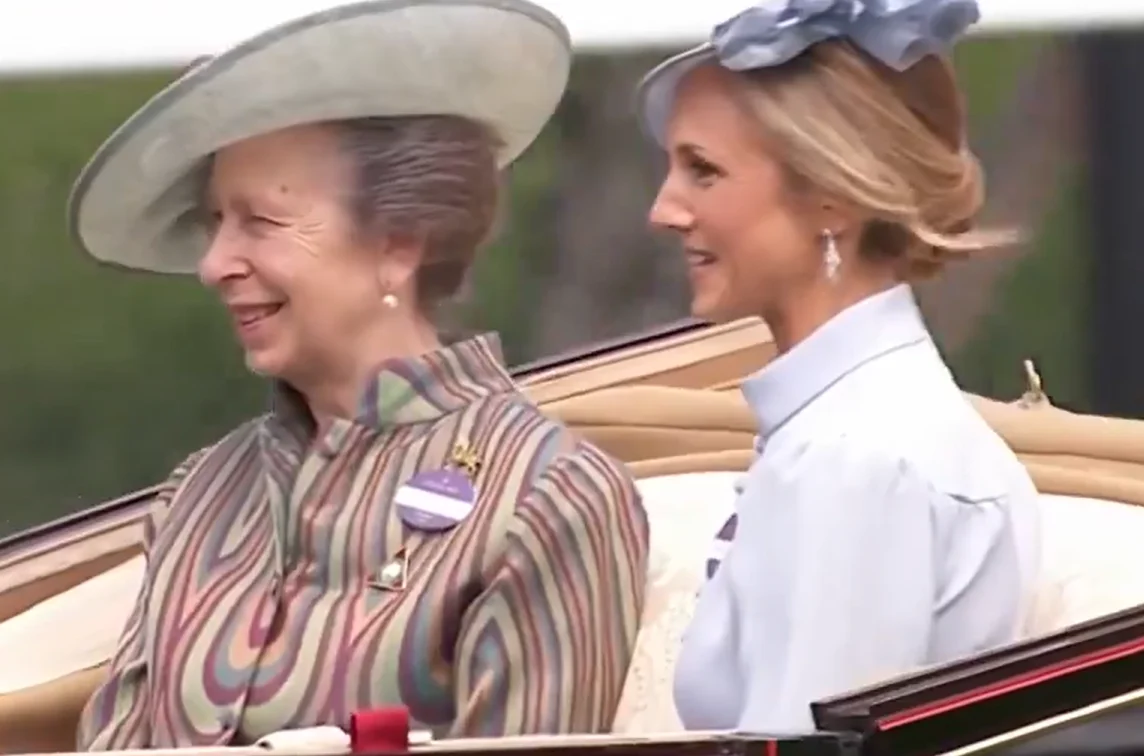
Prince Harry and Meghan Markle are reportedly planning an imminent return to the United Kingdom, a move that signals a significant shift in their post-royal life. This unexpected announcement comes as the couple prepares to relocate from their Santa Barbara, California residence back to England, coinciding with the onset of worsening weather conditions. The Duke and Duchess of Sussex, who stepped back as senior working royals in early 2020, are understood to be enrolling their children, Prince Archie and Princess Lilibet, in British educational institutions. Their new UK residence will be a private home, explicitly stated as "non-royal." The option of a "half in, half out" model, which would have allowed them to pursue private business ventures while undertaking some royal duties, has been definitively ruled out, confirming their status as private citizens.
Despite their decision to forgo official royal roles, the proximity to the UK opens new avenues for the Sussexes to participate in significant family gatherings. These events, while not part of the official working diary of the Royal Family, consistently draw large numbers of Windsors and provide opportunities for public appearances alongside key figures such as King Charles III, Queen Camilla, and the Prince and Princess of Wales. This strategic positioning, even as private citizens, could offer a subtle yet impactful re-establishment of their presence within the broader royal sphere. Several key annual events present the most likely scenarios for their renewed visibility.

Christmas at Sandringham: A Family Tradition Reimagined
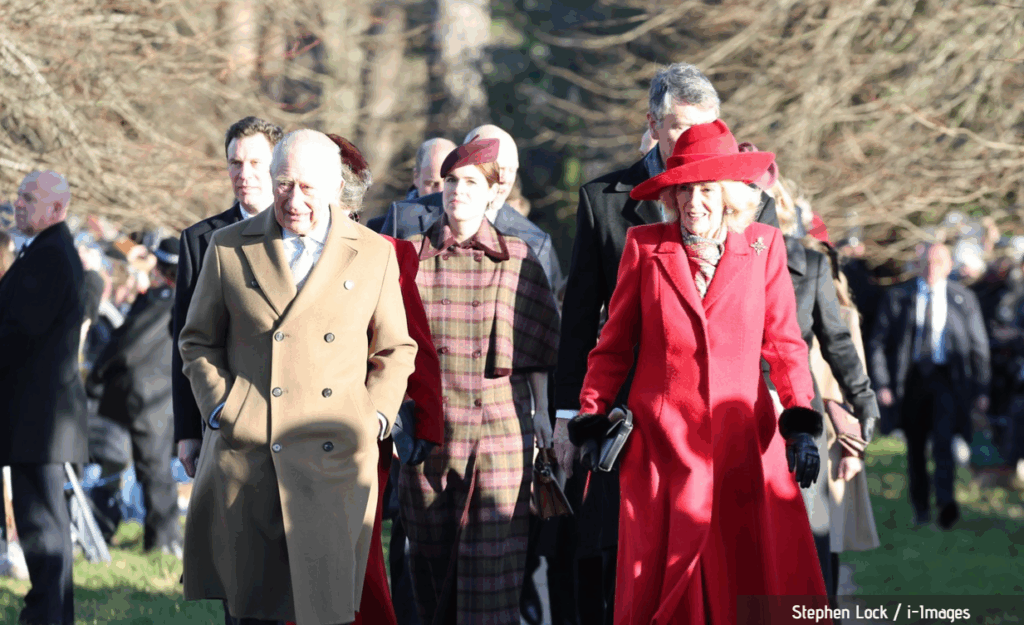
The Christmas period at Sandringham Estate in Norfolk stands out as the most prominent occasion in the royal calendar for family reunions. Following the tradition established by Queen Elizabeth II, King Charles III is known for his desire to bring as many family members together as possible to celebrate the festive season. The annual walk to church on Christmas morning has become a cherished royal tradition, serving as an informal yet highly anticipated photographic opportunity.
Historically, this event has seen the inclusion of individuals who do not hold official royal titles. For instance, Prince Andrew, Duke of York, and his ex-wife Sarah Ferguson have been known to join the wider family procession. Furthermore, cousins such as Lady Sarah Chatto, who has no formal royal duties, are frequently present. Given the geographical proximity, a move from locations such as the Cotswolds or Northamptonshire to Norfolk would make attendance feasible for the Sussexes. The prospect of seeing the Duke and Duchess of Sussex alongside the King and Queen, and indeed the entire Windsor family, on Christmas Day presents a compelling narrative, offering a significant public moment for the couple. The inclusion of figures like Princess Anne, who typically maintains a reserved public profile, would further underscore the familial nature of the gathering.
The historical precedent for including non-working royals at Christmas is substantial. In the years following their departure from senior royal duties, Harry and Meghan have been notably absent from these traditional gatherings. Their potential return to Sandringham for Christmas would signify a significant reconciliation and a deliberate effort to maintain familial ties, even outside their former official capacity. This event is not merely a private celebration but a public display of family unity, and their participation would undoubtedly generate considerable media attention.
Easter at Windsor: A Royal Court’s Unofficial Gathering
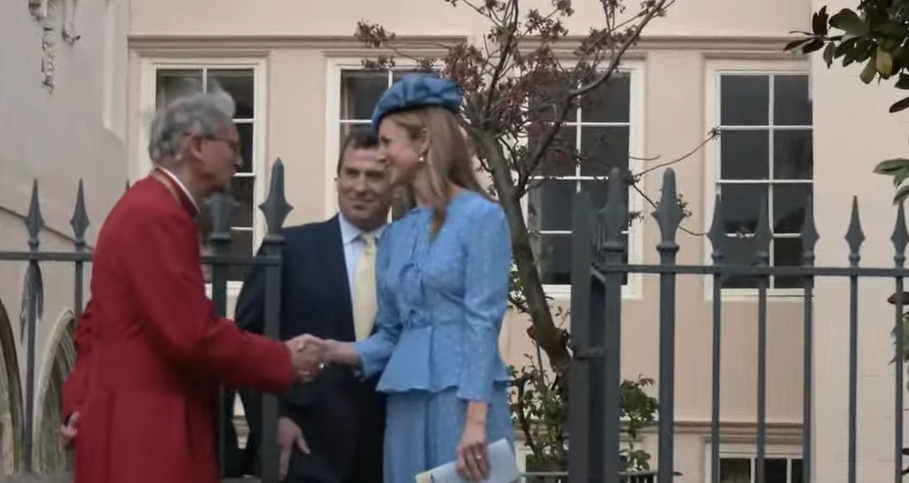
The King typically presides over an Easter Court at Windsor Castle, a historic setting that evokes a sense of continuity and tradition. This occasion also serves as another opportunity for the monarch to convene his extended family. St. George’s Chapel at Windsor Castle is the traditional venue for Easter Sunday services, and it has consistently welcomed a diverse group of royals, including those without official working roles.
Similar to Christmas, Easter at Windsor is characterized by its informal nature, offering a chance for family members to gather in a less structured environment. The procession from the castle to the chapel, often down a steep slope, provides another occasion for royal photographers. The inclusion of the Sussexes at this event, particularly if they establish a base in the Cotswolds, would be a relatively short journey for them. The King’s willingness to invite non-working royals to significant family occasions suggests that an invitation to Harry and Meghan would be a logical extension of this established practice. Their attendance would reinforce their connection to the family and provide further opportunities for public visibility within a royal context.
The historical context of Easter gatherings at Windsor highlights the King’s emphasis on family cohesion. The presence of individuals like Harriet Sperling and Peter Phillips, neither of whom holds an official royal role, demonstrates the inclusive nature of these events. This inclusivity extends beyond immediate family members, encompassing a broader network of relatives who share a connection to the Crown. The Sussexes’ participation would therefore align with this established pattern of familial inclusion.
Royal Ascot: A Showcase of Equestrian and Royal Prowess
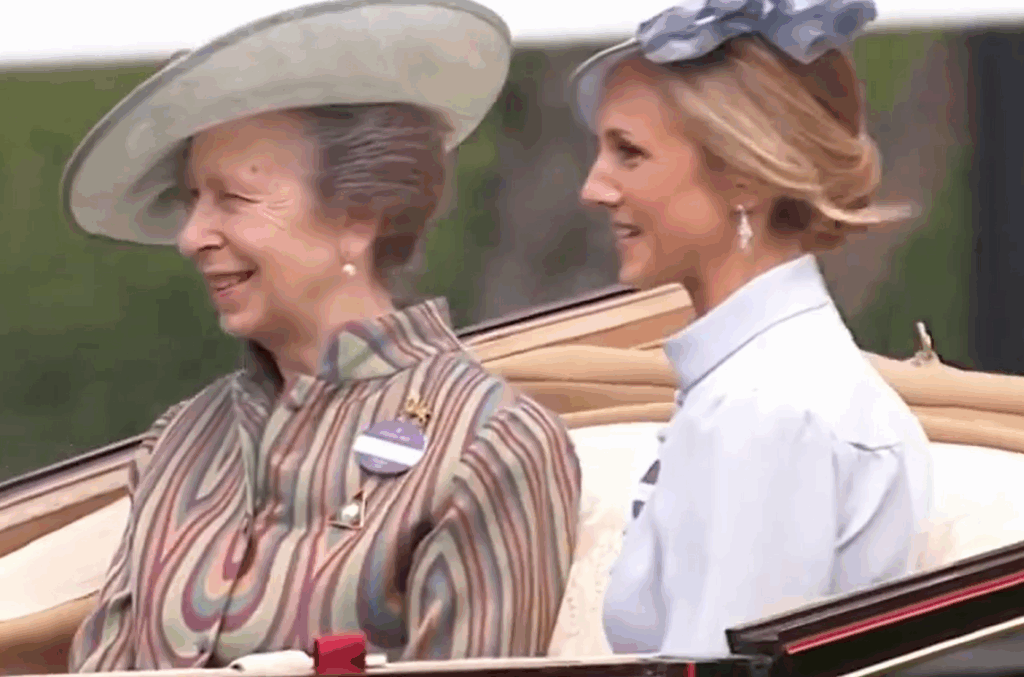
Royal Ascot, a premier horse racing event, is a highlight of the British sporting and social calendar, with strong patronage from the King and Queen. The daily carriage procession is a quintessential element of the event, and its informal nature allows for the inclusion of a wide array of royals, not exclusively those with official duties. This year, for example, the newly married Harriet Phillips was part of the royal procession, alongside Zara Tindall, who is a regular attendee.
Princess Beatrice and Princess Eugenie have also been frequent participants in the Royal Ascot festivities. King Charles has also extended invitations to cousins, such as Lady Sarah Chatto and the Earl of Snowdon, further underscoring the event’s role in bringing together various branches of the Royal Family. While not an official royal duty, inclusion in the carriage procession is a significant honor, offering a highly visible platform. The selection of participants is understood to be at the discretion of the King and Queen. Given Prince Harry’s established relationship with Queen Camilla, his potential inclusion in this prestigious event is a notable consideration.
The historical significance of Royal Ascot for the Royal Family cannot be overstated. It represents a blend of tradition, sport, and social engagement, and the carriage procession, in particular, serves as a visual representation of royal continuity. The presence of non-working royals such as Zara Tindall, who is a celebrated equestrian in her own right, demonstrates the event’s appeal to individuals with a passion for horse racing, a passion that Prince Harry also shares.
Wimbledon: A Patronage and a Royal Box
Wimbledon, the world-renowned tennis championship, holds a special connection with the Royal Family, notably through the Princess of Wales, who serves as the patron of the All England Lawn Tennis and Croquet Club. While the Princess of Wales typically presents the trophies at the conclusion of the tournament, the Royal Box throughout the fortnight is a coveted venue, hosting a diverse array of distinguished guests. Crucially, holding an official royal title is not a prerequisite for securing a seat in this prestigious enclosure.
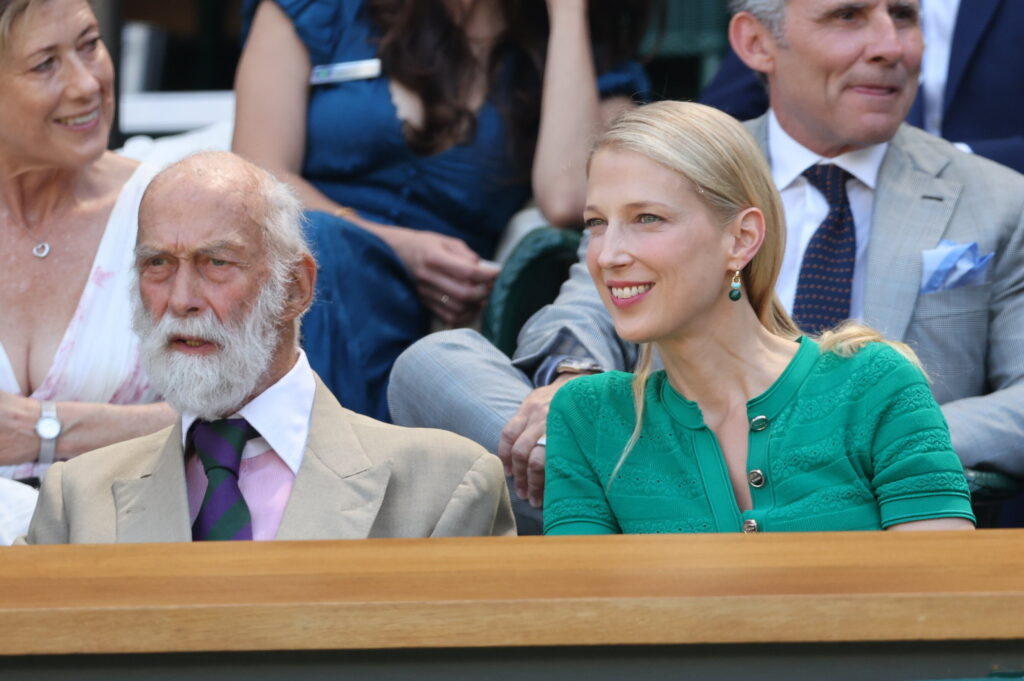
In past years, Princess Beatrice has been a keen spectator, enjoying matches throughout the tournament. The King’s cousins, particularly those with a long-standing association with Wimbledon, are also frequently observed. Prince Michael of Kent, for instance, attended this year’s championships with his children, Frederick and Lady Gabriella Kingston. This represents another significant "royal photo opportunity" that is now within reach of the Duke and Duchess of Sussex, requiring no official royal endorsement to attend.
The association of the Royal Family with Wimbledon dates back many decades, solidifying its status as a quintessentially British event with deep royal roots. The Royal Box, in particular, serves as a microcosm of British society, bringing together prominent figures from various fields, including the arts, politics, and sport, alongside members of the Royal Family. The inclusion of the Sussexes in the Royal Box would signify their continued access to these esteemed gatherings, even as private citizens.
The Cheltenham Festival: A Sporting Pursuit for Royal Cousins
The Cheltenham Festival, a major event in the horse racing calendar held annually in March, consistently attracts a significant contingent of royals. This prestigious festival, celebrated for its thrilling steeplechase races, often sees Queen Camilla and Princess Anne in attendance. Beyond these prominent figures, numerous members of the wider Royal Family, many without official royal roles, are also regular attendees. The decision to attend is a personal one, reflecting a shared enthusiasm for equestrian sports, rather than an official obligation.
Princess Eugenie is a notable and frequent visitor to Cheltenham, as is her sister, Princess Beatrice, who evidently enjoys a day out at the races. However, it is Zara Tindall who has arguably made the Cheltenham Festival her own. Her deep-seated commitment to horse racing is widely recognized, as is her own considerable equestrian talent. Zara, often accompanied by her husband Mike Tindall, is a consistent presence at the festival throughout its duration. The question arises whether her royal cousin, Prince Harry, who has demonstrated an affinity for equestrian pursuits, will join them as he navigates the often-challenging weather conditions of March.
The Cheltenham Festival embodies a spirit of camaraderie and shared passion among its attendees. The presence of royal cousins, including Zara Tindall and her family, highlights the enduring bonds within the extended Royal Family, often fostered through mutual interests. Prince Harry’s attendance at such an event would not only align with his personal interests but also place him in proximity to a significant segment of the Royal Family, reinforcing his continued connection to his British heritage and his kin.
Summer at Balmoral: A Highland Retreat for the Windsors
Balmoral Castle in Aberdeenshire, Scotland, serves as the Royal Family’s beloved summer retreat. King Charles and Queen Camilla, like his late mother, Queen Elizabeth II, spend a considerable portion of their summer at this historic estate. The Scottish Highlands are renowned for their unpredictable weather, often characterized by rain and necessitating warm attire. Balmoral provides a unique setting for the Royal Family to gather in a more relaxed and informal atmosphere, away from the strictures of public duties.
It is almost a certainty that the entire Royal Family will visit Balmoral at some point during the summer months. Consequently, an invitation for Prince Harry and Meghan Markle to join them seems a natural expectation, especially now that travel to Scotland is a relatively straightforward internal flight from potential bases in the UK. There is already considerable speculation that the Sussexes might consider making their way to Scotland as part of their efforts to establish a new chapter in the United Kingdom.
The tradition of spending summers at Balmoral dates back to Queen Victoria and Prince Albert. It has evolved into a period of familial reunion, where generations of the Royal Family come together to enjoy the Scottish landscape and engage in various outdoor activities. The relaxed environment of Balmoral often fosters a sense of normalcy and allows for genuine family interaction. For Prince Harry, a return to Balmoral could offer a profound opportunity to reconnect with his roots and spend quality time with his father and other family members in a setting steeped in personal and familial history. The prospect of the Sussexes embracing this tradition would mark a significant step in their reintegration into the broader royal fold.



 Yuyun Lusiyani
 Joko Widodo
 Pevita Pearce
 admin
admin
 Lina Irawan