
 Eva Lovia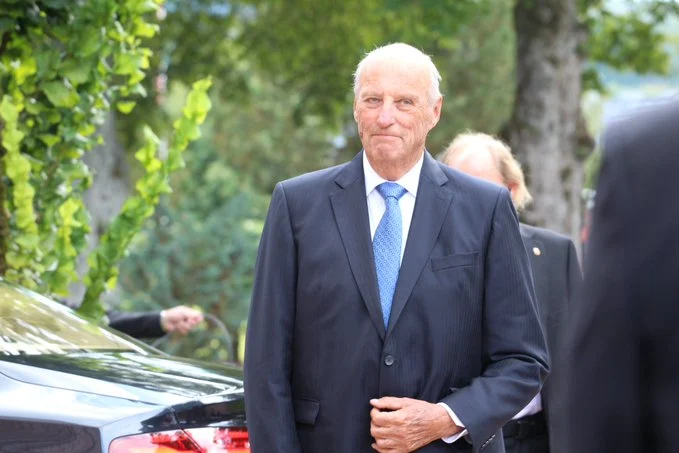
King Harald V of Norway remains under medical care at the National Hospital in Oslo as he continues to receive treatment for ongoing health issues. The Norwegian Royal Court confirmed on Friday that the 89-year-old monarch is still hospitalized, necessitating a shift in scheduled royal engagements and a continuation of his son’s regency. This development underscores the challenges faced by the aging monarch and the resilience of the Norwegian Royal House in ensuring the continuity of state functions.
Evolving Health Situation and Royal Court Updates
The latest bulletin from the Royal Court indicates that King Harald’s hospitalization is a continuation of treatment for recent health complications. While the precise duration of his hospital stay remains unstated, the announcement signifies that his recovery is ongoing and requires continued medical attention. The court’s commitment to providing further health updates within the next week suggests a transparent approach to informing the public about the King’s condition.
This period of hospitalization marks a significant moment, as King Harald has experienced several health challenges in recent years. His dedication to his royal duties, even amidst these difficulties, has been a hallmark of his reign. The current situation highlights the importance of the established protocols for the transfer of constitutional duties when the monarch is indisposed.
Queen Sonja Steps In for Official Engagements
In light of King Harald’s hospitalization, Queen Sonja will undertake a previously planned visit to Trøndelag, a region in central Norway. This demonstrates the Queen’s unwavering support for her husband and her commitment to fulfilling royal responsibilities. The Royal Court’s confirmation that she will proceed with the visit as scheduled underscores the monarchy’s determination to maintain its public presence and engagements.
Queen Sonja, who has been a steadfast partner to King Harald throughout his reign, has often stepped forward to represent the Crown. Her active role in public life, coupled with her deep understanding of royal protocol, ensures that Norway’s international and domestic commitments continue seamlessly.
Crown Prince Haakon Continues Regency Amidst Family Health Challenges
Crown Prince Haakon has once again assumed the role of Regent, taking on his father’s constitutional duties while King Harald is hospitalized. This is not the first time the Crown Prince has served as Regent, a testament to his preparedness for the responsibilities of the throne. His consistent ability to step into this role highlights the well-structured succession and regency plans within the Norwegian monarchy.
The Crown Prince’s responsibilities have been particularly demanding in recent months. His wife, Crown Princess Mette-Marit, has been undergoing treatment for pulmonary fibrosis, a serious lung condition, which necessitated a lung transplant. The Crown Prince’s dual role as regent and supportive spouse during these challenging times reflects his dedication to both his family and his country. His daughter, Princess Ingrid Alexandra, has also recently returned to Norway from her studies in Australia to be closer to her family, further emphasizing the family’s unity during periods of health concerns.
Background of King Harald’s Health Concerns
The current hospitalization follows King Harald’s unexpected admission to the National Hospital last week for further tests and care. Previously, the monarch had been receiving treatment for haemolytic anaemia, a condition characterized by the premature destruction of red blood cells. This condition can lead to fatigue, weakness, and shortness of breath.
Doctors overseeing King Harald’s treatment became concerned about potential side effects from the cortisone medication used to manage his anaemia. These side effects reportedly included fluid retention, prompting the decision for further hospitalization and investigation. Corticosteroids, while effective in treating various inflammatory and autoimmune conditions, can indeed have a range of side effects, including fluid retention, mood changes, and increased susceptibility to infections, especially with prolonged use or higher doses. The medical team’s proactive approach in addressing these concerns reflects a commitment to the King’s overall well-being.
The Royal Court had initially announced a two-week sick leave for King Harald, during which Crown Prince Haakon would assume his constitutional duties. The current update suggests that the period of illness and recovery may extend beyond this initial estimate, or that the ongoing treatment requires continued in-patient care.
A Glimpse into Norwegian Royal History and Popularity
King Harald V ascended to the throne in 1991, following the death of his father, King Olav V. His reign has spanned over three decades, during which he has become a deeply respected and popular figure in Norway. His approachable demeanor and dedication to public service have resonated with the Norwegian people.
The Norwegian monarchy, while largely ceremonial, plays a significant symbolic role. The King serves as the head of state, embodying national unity and continuity. Despite his recent health challenges, King Harald has consistently demonstrated his commitment to his constitutional role, undertaking numerous official engagements both domestically and internationally.
Norway’s constitutional monarchy is characterized by a strong parliamentary system, with the monarch acting on the advice of the government. The King’s duties include opening Parliament, signing legislation, and representing Norway abroad. The smooth functioning of these duties, even during the King’s absence, is a testament to the robust democratic institutions in place.
Broader Implications and Royal Family Resilience
The ongoing health concerns of King Harald, coupled with Crown Princess Mette-Marit’s treatment, present a period of heightened attention on the Norwegian Royal Family’s well-being. However, the family’s demonstrated resilience and the preparedness of Crown Prince Haakon to assume regency duties highlight the strength of the monarchy’s operational framework.
The public’s continued support for the Royal Family, even during challenging times, is a significant factor. King Harald’s enduring popularity suggests that his dedication and personal qualities have fostered a deep connection with the Norwegian populace. The focus on transparency from the Royal Court aims to maintain this trust and provide reassurance.
The situation also brings to the fore the realities of aging monarchs and the importance of succession planning and robust regency arrangements. The Norwegian Royal House has clearly navigated these aspects effectively, ensuring that the nation’s governance remains uninterrupted.
As King Harald continues his recovery, the focus remains on his well-being and the swift return to his full royal duties. The nation will undoubtedly be following the upcoming health updates with interest and offering their continued support to their beloved monarch and the entire Royal Family. The commitment to public service, even in the face of personal health challenges, serves as a powerful example of leadership and dedication. The coming week’s update from the Royal Court will be eagerly anticipated, providing further clarity on the King’s progress and his eventual return to public life.


 Yuyun Lusiyani
 Joko Widodo
 Pevita Pearce
 admin
admin
 Lina Irawan