
 Pevita Pearce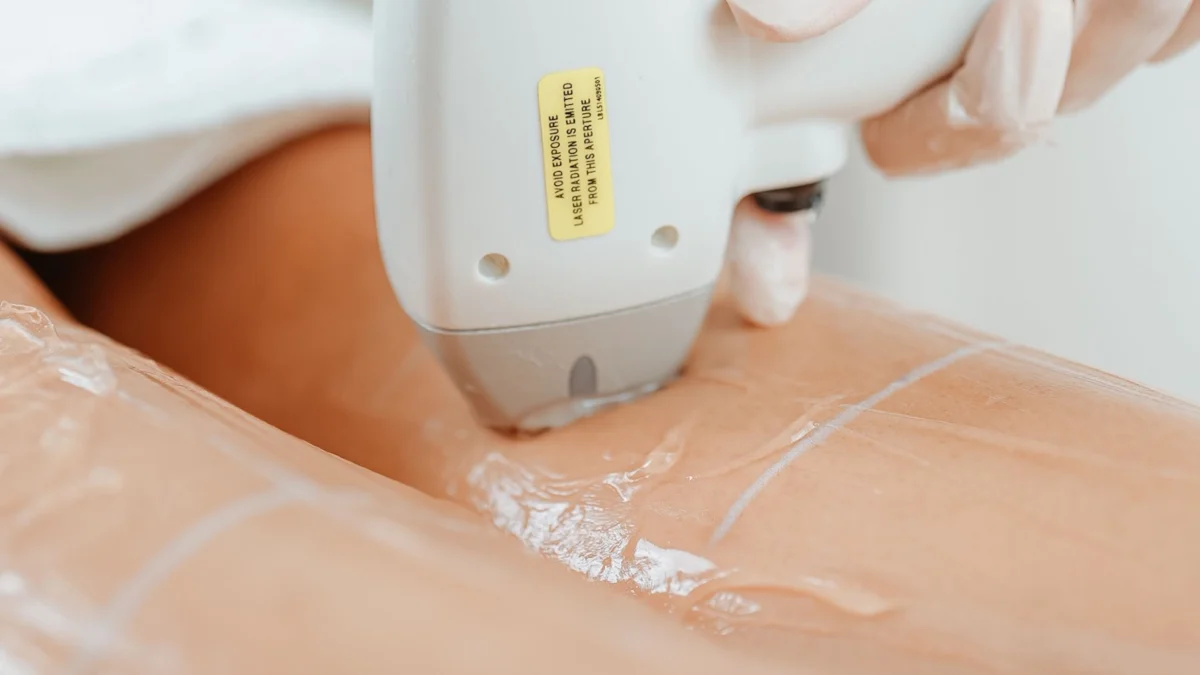
Japan is currently witnessing a significant shift in male grooming habits, driven not by traditional aesthetic trends alone, but by a practical need to adapt to the nation’s increasingly oppressive summer heat. As temperatures reach unprecedented highs, a growing number of Japanese men are opting for full-body hair removal—a procedure once largely reserved for athletes or fashion-conscious youth—as a strategic method to manage perspiration and enhance physical comfort. This phenomenon reflects a broader intersection between climate change, evolving professional dress codes, and a societal shift in the perception of masculinity and hygiene.
The meteorological backdrop to this trend is stark. In August 2025, the city of Isesaki in Gunma Prefecture recorded a staggering 41.8°C (107.2°F), marking the highest temperature ever documented in the country. This extreme heat is no longer viewed as an anomaly but as a recurring feature of the Japanese summer, leading to a surge in heatstroke cases and a fundamental re-evaluation of how citizens navigate the urban environment. For many men, the solution to the "sweltering humidity" has moved beyond portable fans and cooling neck rings toward a more permanent physiological change: the removal of body hair to facilitate better airflow and more efficient sweat evaporation.
A New Frontier in Clinical Demand
The surge in demand has placed a significant strain on specialized clinics. Hiroyuki Ota, the director of the prominent Gorilla Clinic in Tokyo, has observed a dramatic evolution in client requests. While the clinic’s primary service was once focused almost exclusively on facial hair removal—intended to save time on daily shaving and reduce skin irritation—the scope of interest has expanded to include the chest, back, arms, and particularly the legs.
According to Ota, the demand during the peak summer months has reached a level where appointments are increasingly difficult to secure. "Facial hair removal was the gateway," Ota noted in a clinical report. "Now, we see men seeking full-body treatments as a way to maintain a sense of cleanliness and physical lightness during the heatwaves. The cooling sensation of air on bare skin is a major selling point."
This sentiment is echoed by the clientele. Yuki Kubo, a 24-year-old office worker, represents a demographic that initially approached hair removal as a social experiment but quickly found practical benefits. Kubo’s journey began as a New Year’s resolution shared with friends, but by his fourth leg-hair removal session, his motivations had shifted toward comfort. He reported that the treatment eliminated the "sweaty discomfort" that typically accompanies the humid Japanese summer, noting that the absence of hair made his skin feel cleaner and reduced the friction caused by professional attire.
Statistical Growth and Market Trends
The shift is supported by data from Hot Pepper Beauty, Japan’s largest online booking platform for beauty and grooming services. The platform’s 2024-2025 surveys indicate a robust upward trajectory in the male hair removal sector. Specifically, the data revealed that over 25% of men surveyed had undergone treatment for lower-leg hair removal within the previous twelve months.
The market for male aesthetics, often referred to in Japan as "mens-esthe," has seen double-digit growth annually over the past five years. Analysts attribute this to several factors:
- Technological Accessibility: Advancements in laser technology have made treatments faster and less painful, lowering the barrier for entry for first-time clients.
- Pricing Structures: Clinics have introduced tiered subscription models and "all-you-can-remove" packages that appeal to budget-conscious younger workers.
- Social Media Normalization: Influencers and public figures have openly discussed their grooming routines, stripping away the historical stigma associated with male hair removal.
The Evolution of "Cool Biz" and the Rise of "Leg Hair Harassment"
The catalyst for the focus on leg hair, in particular, is closely tied to government-led environmental policies. Since 2005, the Tokyo Metropolitan Government and the Ministry of the Environment have promoted the "Cool Biz" initiative. Originally designed to reduce electricity consumption by limiting air conditioning use, the policy encouraged office workers to ditch ties and jackets in favor of short-sleeved shirts.
In recent years, as temperatures have continued to climb, the definition of "Cool Biz" has expanded. Many companies now permit men to wear shorts in the office—a radical departure from the traditional "salaryman" uniform of dark trousers and white shirts. However, this shift toward lighter clothing has introduced a new social friction.
The phenomenon, colloquially dubbed "sunege-hara" (leg hair harassment), has emerged as a topic of heated debate in Japanese workplaces. Some employees have expressed discomfort at the sight of exposed, hairy legs in professional settings, citing a perceived lack of "seiketsukan" (a sense of cleanliness). This social pressure has inadvertently fueled the hair removal industry, as men seek to comply with the new, more relaxed dress codes without violating unwritten aesthetic standards. The desire to avoid being seen as "unclean" or "unprofessional" while wearing shorts has made leg hair removal a defensive social strategy as much as a cooling one.
Chronology of the Grooming Shift
The transition from traditional grooming to the current full-body trend can be traced through a clear timeline:
- 2005–2010: The introduction of "Cool Biz" begins to soften the rigid standards of male professional attire. Male grooming is largely limited to skincare and basic facial hair maintenance.
- 2011–2018: Following the Great East Japan Earthquake and subsequent energy shortages, "Super Cool Biz" is introduced, further relaxing dress codes. The male hair removal market begins to grow, primarily targeting Gen Z and millennials.
- 2019–2023: The COVID-19 pandemic and the rise of remote work increase focus on self-care. Men become more accustomed to seeing themselves on camera, leading to a spike in facial treatments. Simultaneously, record-breaking summers begin to shift the conversation toward physical cooling.
- 2024–2025: Extreme heat reaches a breaking point with the 41.8°C record. Full-body hair removal enters the mainstream as a functional necessity for heat management.
Official Responses and Clinical Perspectives
While the government has not officially endorsed hair removal as a heat-mitigation strategy, health officials have acknowledged the importance of any measure that reduces body temperature and improves sweat evaporation. Dermatologists have noted that removing body hair can reduce the incidence of heat rash (miliaria) and folliculitis, both of which are common during Japan’s humid summers.
However, medical professionals also urge caution. The rapid expansion of the industry has led to a proliferation of low-cost salons that may not use medical-grade equipment. The Japanese Society of Aesthetic Dermatology has issued guidelines reminding consumers that permanent hair removal is a medical procedure that should ideally be performed under the supervision of qualified practitioners to avoid skin burns or long-term damage.
Broader Socio-Economic Implications
The implications of this trend extend beyond individual comfort. Economically, the grooming sector is providing a much-needed boost to the service industry, offsetting declines in other areas of retail. Culturally, it signals a significant departure from the Showa-era (1926–1989) ideal of masculinity, which often associated body hair with virility and strength. In the Reiwa era (2019–present), the ideal has shifted toward a more polished, "clean" aesthetic that prioritizes hygiene and social harmony.
Furthermore, the trend highlights the creative—and sometimes extreme—ways in which urban populations are forced to adapt to a warming planet. When traditional methods like air conditioning and light clothing are insufficient, individuals are turning to biological modifications to cope.
As the summer of 2026 approaches, clinic owners like Hiroyuki Ota expect the demand to reach even greater heights. With meteorologists predicting that the 40°C threshold may become a seasonal norm in central Japan, the "hairless" movement is likely to transition from a niche trend to a standard component of summer preparation. For the modern Japanese man, the quest for "Cool Biz" has moved beneath the fabric of his clothes, reflecting a society that is literally shedding its past to survive a hotter future.




 Yuyun Lusiyani
 Joko Widodo
 Eva Lovia
 Jia Lissa
 admin
admin