
 Yuyun Lusiyani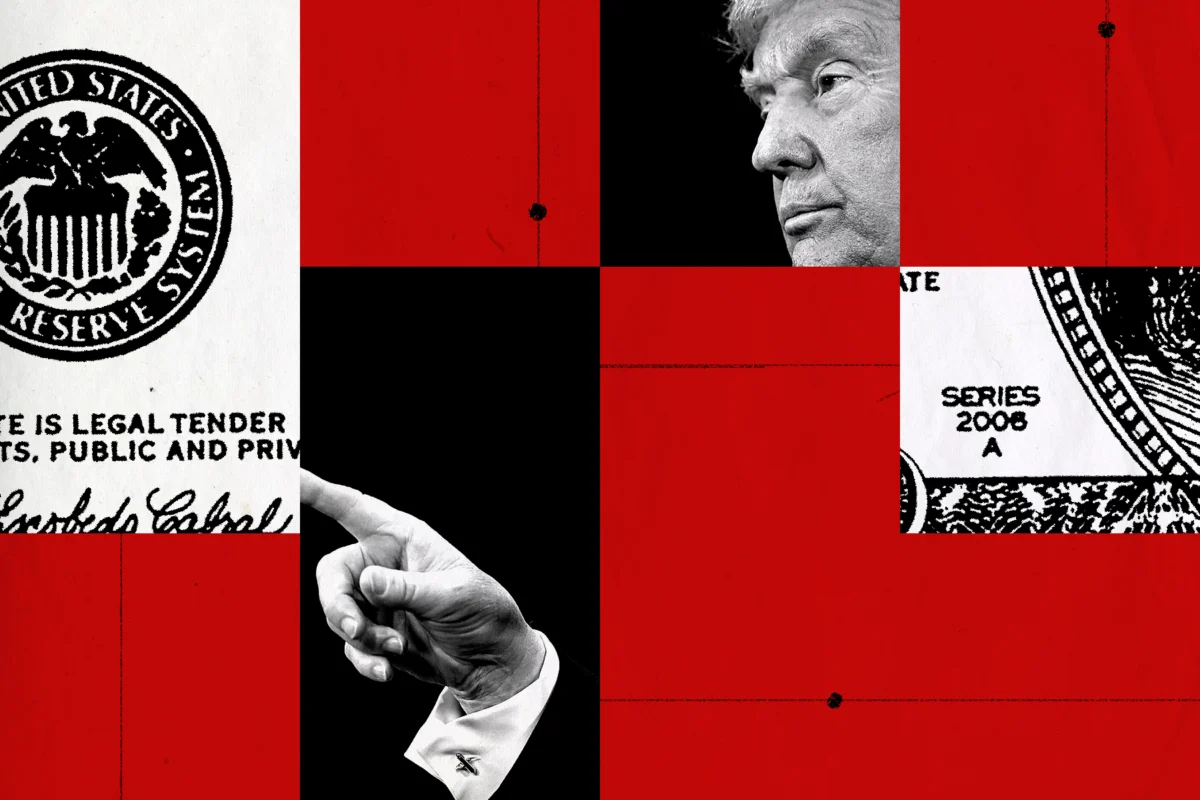
The landscape of United States foreign aid has undergone a dramatic transformation since President Donald Trump’s return to office in January 2025, with his administration actively re-evaluating and realigning established programs. Programs once considered foundational to U.S. diplomatic efforts and global humanitarian initiatives have been systematically dismantled or defunded, often labeled as "not aligned with American interests," and their budgets significantly curtailed. This profound shift has created a vacuum in foreign aid allocation, raising critical questions about how the billions of taxpayer dollars mandated by Congress for humanitarian relief, global health, and pro-democracy initiatives are now being utilized.
A recent investigative report has cast a revealing light on one significant answer to this question: a little-known bureau within the State Department, the Bureau of Democracy, Human Rights and Labor (DRL), has been radically reshaped under the new administration. For decades, the DRL has served as a cornerstone of U.S. efforts to champion human rights in some of the world’s most oppressive regimes, supporting independent media, civil society organizations, and democratic transitions. However, findings indicate a stark departure from this traditional mandate, with the bureau now planning to direct substantial funds towards controversial groups that actively promote right-wing causes both in Europe and other regions, signaling a strategic realignment of U.S. foreign policy priorities.
A New Direction for Foreign Aid: "America First" in Practice
The shift in foreign aid policy is consistent with the Trump administration’s broader "America First" doctrine, which prioritizes perceived national interests above traditional multilateral engagement and long-standing international alliances. This approach has led to a re-evaluation of numerous foreign commitments, often resulting in reduced funding for international organizations, withdrawal from treaties, and a more transactional approach to diplomacy. The re-direction of foreign aid, particularly through the DRL, exemplifies this strategy, aiming to leverage financial assistance to support ideologically aligned groups rather than universally recognized human rights or development goals.
This reorientation has sparked considerable concern among career diplomats, human rights advocates, and members of Congress. Critics argue that such a policy not only undermines the effectiveness of U.S. foreign aid but also risks eroding America’s soft power, alienating key allies, and potentially exacerbating global instability by funding groups that are seen as divisive or extreme in their respective regions. The implications extend beyond financial reallocations, touching upon the fundamental principles guiding U.S. engagement with the international community.
The Bureau of Democracy, Human Rights and Labor: From Global Advocate to Ideological Patron
The Bureau of Democracy, Human Rights and Labor (DRL) has historically been a critical instrument of U.S. foreign policy, tasked with advancing democracy, protecting human rights, and promoting labor rights globally. Its programs have traditionally focused on empowering marginalized communities, supporting free and fair elections, combating human trafficking, and defending freedom of expression and assembly in challenging environments. The bureau’s staff, often comprising seasoned experts in international law and human rights, have worked tirelessly to uphold these universal values, operating with a degree of independence from immediate political pressures.
However, under the current administration, the DRL’s operational philosophy and funding priorities appear to have shifted dramatically. Political appointees within the State Department are reportedly steering the bureau towards initiatives that align with a specific ideological agenda, departing from its historical non-partisan approach to human rights. This change has generated internal dissent and external criticism, with many questioning whether the DRL can effectively fulfill its mandate if its funding decisions are perceived as politically motivated rather than based on objective human rights criteria. The focus now appears to be on groups that champion "civilizational self-confidence" in Europe and address specific, often politicized, narratives of victimization, rather than comprehensive human rights challenges.
Unveiling Controversial Grant Proposals: A Deep Dive
The investigative report details several proposed grants that underscore this new direction, raising significant red flags for experts and lawmakers alike. These proposals indicate a deliberate move to support organizations whose missions align with specific conservative or nationalist viewpoints, often at the expense of established human rights frameworks.
Case Study: South Africa and the Afrikaner Narrative
One proposed grant that particularly captured attention involves funding research into crime against minority populations in South Africa. While the proposal is framed broadly, sources indicate that the primary target for this research is the white ethnic group known as Afrikaners. This focus has drawn widespread condemnation from former diplomats and human rights experts, who point out the historical context of Afrikaners as the architects of South Africa’s brutal apartheid system.
Previously, DRL staff had been instructed to initiate the process of awarding funds to Lex Libertas, a group founded by a controversial figure known for advocating Afrikaner self-governance. Lex Libertas is actively fundraising for the "White Cross Project," an initiative to place 3,000 white crosses on the National Mall in Washington D.C. to commemorate attacks on South African farmers. This project explicitly ties into a narrative, often propagated by right-wing groups, that white South Africans are victims of a "genocide."
Although the initial proposal to directly fund Lex Libertas faced considerable scrutiny and was subsequently opened to a broader set of invited applicants for a $1 million grant, the underlying purpose remains the same: to investigate violence against Afrikaners. The State Department, while declining to confirm whether Lex Libertas would be among the invited competitors, stated that the administration holds "serious concerns about the human rights situation in South Africa that need to be addressed."
This prioritization has been met with incredulity by seasoned human rights observers. "It’s laughable to suggest that on the African continent, the prime issue of human rights concern is whites in South Africa," remarked one former agency official. South Africa undeniably grapples with high rates of violence and crime, but extensive research from organizations like the Institute for Security Studies (ISS) and various academic bodies consistently demonstrates that white South African farmers are not disproportionately targeted or victims of crime at higher rates than other demographic groups in the country. The narrative of "white farmer genocide" has been widely debunked by factual analysis and statistics.
The proposed grant also aligns with the Trump administration’s broader stance toward South Africa. For decades, the U.S. relationship with South Africa has been characterized by massive support for HIV/AIDS care, primarily through the President’s Emergency Plan for AIDS Relief (PEPFAR). This aid has saved millions of lives and significantly strengthened bilateral ties. However, since 2025, there has been a stark shift. President Trump has repeatedly echoed claims of a "genocide" against white South Africans, using this unsubstantiated narrative to justify significant cuts to U.S. funding for HIV treatment and research in the nation, as reported in June 2026. Furthermore, while the administration has severely restricted refugee intake globally, it has controversially welcomed and fast-tracked the entry of white South African refugees.
Mattie Webb, a professor at the Virginia Military Institute specializing in South Africa and U.S. foreign policy, highlights this stark reorientation: "The U.S. is very clearly shifting its priorities away from aid that would benefit far more people in South Africa to this narrow focus on the white minority." This strategic pivot risks severing a vital relationship, built over decades post-apartheid, that is crucial for both U.S. national security and economic interests in the region. By funding groups openly antagonistic to the South African government, the U.S. risks creating significant diplomatic friction and undermining its long-term influence.
European "Civilizational Bonds" and "Free Speech" Controversies
Beyond South Africa, other proposed grants reveal a similar ideological bent. The State Department is considering a $5 million grant to a British "free-speech" organization. This organization has actively campaigned against bans on "gay conversion therapy," a discredited practice widely condemned by medical and psychological associations globally for its harmful and unethical nature. The proposed grant would ostensibly provide support for individuals facing "deplatforming" and advocate against "restrictive online safety and hate speech laws." The organization’s founder, while denying receipt of a U.S. government grant, did not respond to inquiries regarding the group’s activities or the proposed funding.
Another development involves a call for proposals released by the DRL for funding research, conferences, and cultural engagements in wealthy democracies aimed at developing "civilizational self-confidence in Europe." This initiative closely mirrors the agenda of a British-American think tank, established in 2025, which explicitly focuses on "existential threats to Britain, to America, and to our shared Judeo-Christian civilisation." While administration officials reportedly dropped a grant to this specific think tank following significant congressional pushback, the broader thematic focus of DRL’s new funding opportunities remains consistent with its ideological orientation.
These grants collectively suggest a pattern of supporting groups that align with a culturally conservative, nationalistic, and often identitarian worldview, prioritizing certain interpretations of "free speech" and "civilizational identity" over universally recognized human rights principles and the protection of marginalized groups.
Procedural Concerns and Congressional Scrutiny
The investigative report also highlights significant procedural irregularities in the allocation of these funds. While not all proposed funding is directed to overtly controversial groups, even some grants intended for more traditional human rights projects appear to circumvent federal requirements for competitive bidding. These requirements are crucial safeguards designed to prevent waste, fraud, and abuse by ensuring transparency and fair competition. Instead, officials are reportedly attempting to direct millions of dollars to handpicked organizations, raising questions about accountability and proper oversight.
This lack of transparent, competitive processes has further fueled concerns among lawmakers and watchdogs. Congressional committees, already vocal in their criticism of the administration’s broader foreign aid shifts, are reportedly increasing their scrutiny of DRL’s grant-making practices. The "significant pushback from Congress" that led to the cancellation of at least one proposed grant indicates a growing determination to hold the administration accountable for its use of taxpayer funds in foreign policy.
Official Responses and Future Outlook
In response to detailed inquiries about the investigative findings, the State Department emphasized that the grant awarding process is ongoing and involves input from multiple offices. They stated that "programs are still in active deliberation and receipt of a grant is not guaranteed to any organization that does not meet all requirement and standards for federal grants." This statement, however, did not directly address the specific allegations of ideological redirection or procedural irregularities.
The implications of these policy changes are far-reaching. The reorientation of U.S. foreign aid away from established human rights and development programs towards ideologically aligned groups risks undermining decades of diplomatic effort, jeopardizing critical global health initiatives, and potentially fueling instability in sensitive regions. The U.S.’s role as a leading advocate for universal human rights could be diminished, and its relationships with key international partners strained.
As investigations continue into the full extent of these shifts in foreign aid policy and their impact, the international community and domestic stakeholders will be closely watching. The long-term consequences of prioritizing narrow ideological interests over broad humanitarian and democratic principles will undoubtedly shape America’s standing and influence on the global stage for years to come.



 Joko Widodo
 Eva Lovia
 Pevita Pearce
 admin
admin
 Lina Irawan