admin
admin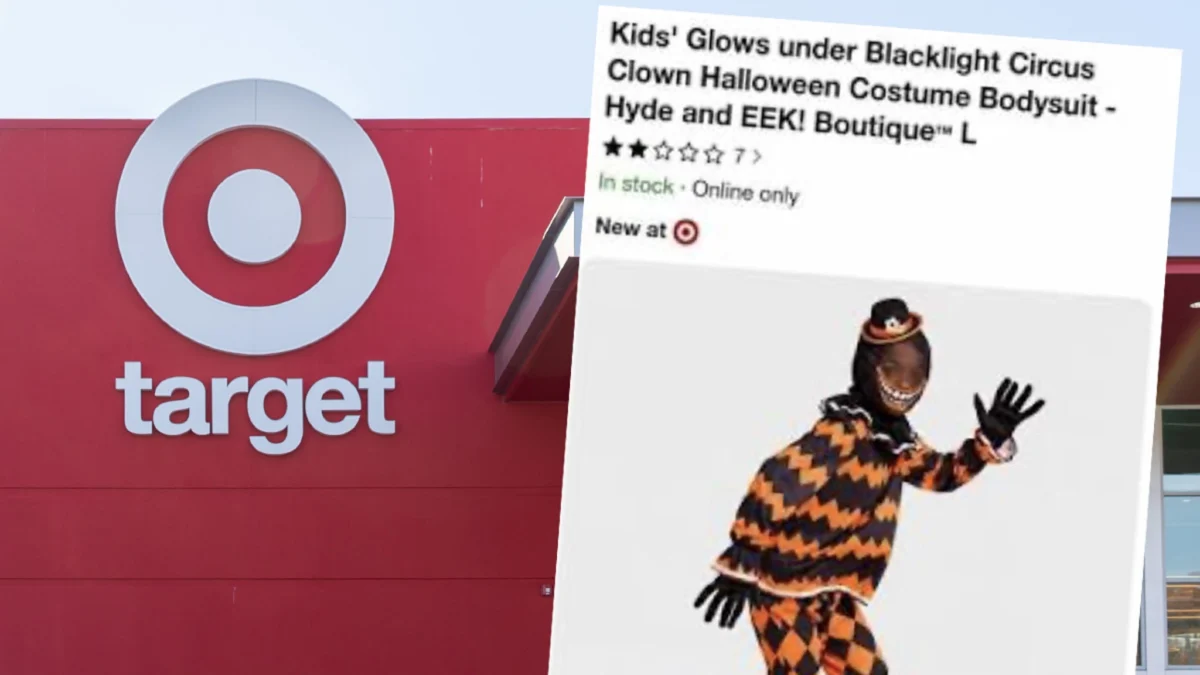
Retail giant Target has removed a Halloween costume from its inventory following widespread racial backlash online, with numerous critics asserting that the product’s design and accompanying imagery evoked deeply offensive racial caricatures. The controversy, which rapidly escalated across social media platforms in late August 2026, prompted a swift corporate response, including an apology and a commitment to re-evaluate internal review processes.
The Genesis of the Controversy: A Costume and Its Perception
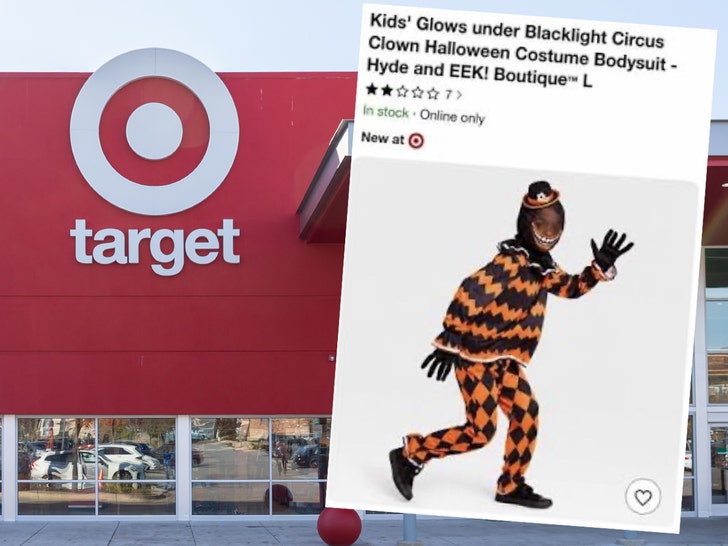
The costume in question, marketed as the "Kids’ Glows Under Blacklight Circus Clown Halloween Costume Bodysuit," featured a young Black child as its model in promotional materials. Almost immediately upon its appearance in Target’s online catalog and select physical stores, the item began to draw sharp condemnation. Online commentators and consumer advocates were quick to highlight what they perceived as striking resemblances between the costume’s aesthetic—particularly the facial makeup and exaggerated features on the Black child model—and historical racist caricatures of Black individuals.
These comparisons were not made lightly. For many, the imagery conjured painful echoes of minstrel show aesthetics, a form of racist entertainment popular in the 19th and early 20th centuries, which relied heavily on crude, dehumanizing depictions of Black people. Such caricatures often featured exaggerated red lips, wide grins, and often gaudy, ill-fitting attire, all designed to mock and diminish Black identity. The "clown" aspect of the costume, combined with its presentation on a Black child, inadvertently—or negligently, according to critics—tapped into this sensitive historical vein.
A Rapid Online Firestorm and Demands for Accountability
The criticism gained significant traction across social media platforms like X (formerly Twitter), Instagram, and TikTok. Users shared screenshots of the product, overlaying them with images of historical racist caricatures to illustrate their points. Hashtags calling for Target to remove the costume and demanding an explanation quickly trended. The speed and intensity of the online outcry underscored the heightened societal awareness regarding racial insensitivity and the power of collective consumer action in the digital age.
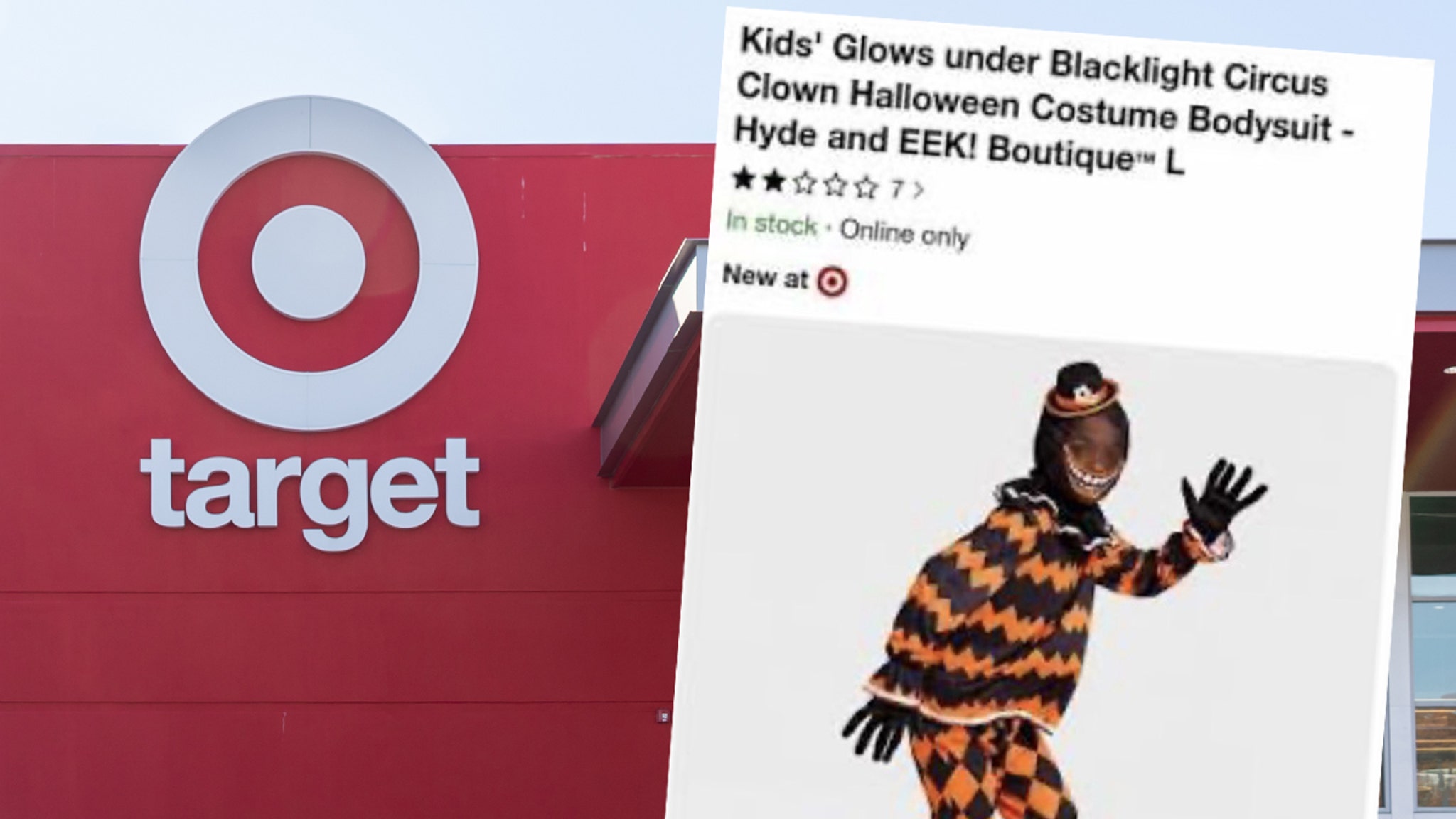
Many online commentators expressed dismay and disbelief, questioning how such a product could have successfully navigated Target’s supposedly rigorous product development and review protocols. The sentiment was one of profound disappointment, particularly from Black customers and allies who felt that a major retailer like Target should possess the cultural competency to prevent such egregious oversights. The incident quickly became a focal point for discussions about corporate responsibility, diversity in decision-making, and the often-subtle ways in which historical prejudices can resurface in contemporary consumer products.
Target’s Immediate Response and Official Apology
Responding to the burgeoning public outcry, Target acted decisively. Within a short period, the company confirmed that the "Kids’ Glows Under Blacklight Circus Clown Halloween Costume Bodysuit" had been removed from all sales channels, both online and in brick-and-mortar stores.
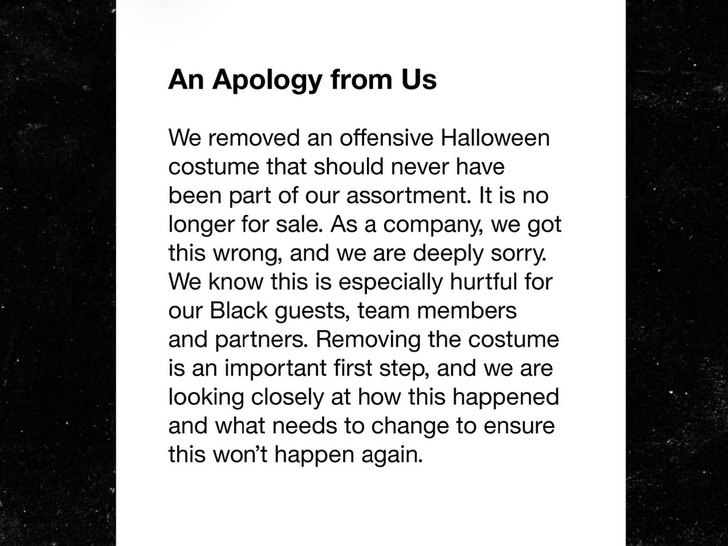
An official apology was subsequently issued by the retailer. In their statement, Target acknowledged the severe misstep, stating, "We removed an offensive Halloween costume that should never have been part of our assortment." The company further elaborated, expressing deep regret: "As a company, we got this wrong, and we are deeply sorry." Crucially, Target’s apology specifically recognized the demographic most impacted by the offense, noting, "We know this is especially hurtful for our Black guests, team members and partners." This direct acknowledgment aimed to address the particular pain caused by the perceived racial insensitivity.
The apology concluded with a pledge to review and reform internal processes, stating that removing the costume was merely the initial step. Target affirmed its commitment to scrutinizing how the costume managed to enter their assortment and to implement necessary changes to prevent similar incidents in the future.
The Enduring Shadow of Racial Caricatures: Historical Context
To fully grasp the intensity of the reaction to Target’s costume, it is essential to understand the historical context of racial caricatures, particularly those targeting Black individuals in the United States. These caricatures are not merely outdated images; they are deeply ingrained symbols of systemic racism that have contributed to the dehumanization, marginalization, and oppression of Black communities for centuries.
From the antebellum period through the Jim Crow era and beyond, racist caricatures were ubiquitous in American popular culture. Figures like "Jim Crow," "Sambo," "Mammy," and "Jezebel" served to propagate harmful stereotypes: Black men as lazy, unintelligent, and threatening; Black women as subservient or hypersexual; and Black children as wild and uncivilized. Minstrel shows, in particular, utilized blackface makeup and exaggerated costumes to mock Black people, often portraying them as buffoonish clowns for white entertainment. These performances were instrumental in normalizing racist attitudes and justifying discriminatory practices.
Even seemingly innocuous imagery can carry these historical burdens. The "clown" motif, when combined with specific facial features or presentation styles on a Black subject, can inadvertently trigger associations with these painful pasts. The exaggerated smiles, bright red lips, and sometimes unkempt or chaotic presentation often seen in clown imagery, when applied in certain contexts, can eerily mirror the very caricatures designed to demean Black people. This historical baggage explains why the online community reacted with such immediate and forceful condemnation, seeing not just a costume, but a painful echo of racial injustice.
Corporate Accountability and DEI Initiatives in Focus
This incident casts a spotlight on broader issues of corporate accountability, particularly concerning Diversity, Equity, and Inclusion (DEI) initiatives within large corporations. Critics often argue that such gaffes highlight a fundamental failure in product development and marketing teams to adequately reflect diverse perspectives and cultural sensitivities. When product review boards lack diversity, or when DEI principles are not deeply integrated into every stage of product creation, companies run the risk of alienating significant portions of their customer base and causing widespread offense.
The controversy gains additional context when considering Target’s recent history. The incident occurs slightly more than a year after the company faced scrutiny for reportedly scaling back some of its DEI initiatives. In the preceding year, several large corporations, including Target, had re-evaluated or adjusted their DEI strategies, sometimes in response to evolving political landscapes or perceived pressures. This background makes the current misstep particularly salient, as it raises questions about the effectiveness and commitment of these programs. Many believe that robust DEI frameworks, encompassing diverse hiring, cultural sensitivity training, and inclusive decision-making processes, are crucial safeguards against such cultural blunders.
Furthermore, this situation underscores the financial and reputational risks associated with cultural insensitivity. In an era where consumers are increasingly conscious of corporate ethics and values, missteps like these can lead to significant brand damage, boycotts, and a loss of consumer trust that can be difficult to rebuild.
The Amplifying Power of Social Media and Consumer Activism
The rapid removal of the Halloween costume and Target’s subsequent apology serve as a powerful testament to the amplifying effect of social media and the growing influence of consumer activism. In the past, such controversies might have taken weeks or months to gain widespread attention, relying on traditional media cycles. Today, a single post from an influential social media user or a widely shared image can ignite a global conversation within hours.
This instant feedback loop empowers consumers to hold corporations accountable in real-time. Brands are now under immense pressure to monitor social media sentiment, respond swiftly, and demonstrate genuine remorse and corrective action. The "cancel culture" phenomenon, while often debated, undeniably possesses the capacity to mobilize collective action and force corporate introspection on matters of social justice and ethical conduct. For Target, the speed of their response was likely a direct result of the immediate and undeniable pressure generated across these digital platforms.
Looking Forward: Preventing Future Incidents
Target’s commitment to reviewing its internal processes is a critical step, but the challenge of preventing similar incidents remains complex for large retailers operating in diverse global markets. Such a review would likely entail several key areas:
- Enhanced Diversity in Product Development Teams: Ensuring that teams responsible for ideation, design, and marketing reflect the diversity of the customer base.
- Rigorously Vetting Imagery and Cultural References: Implementing stricter protocols for cultural sensitivity reviews of all products, especially those with human models or culturally specific themes. This might involve consulting external cultural experts or community leaders.
- Comprehensive DEI Training: Providing ongoing, in-depth training for all employees involved in product creation, merchandising, and marketing, focusing on historical context, unconscious bias, and cultural competency.
- Feedback Mechanisms: Establishing clear channels for internal and external stakeholders to flag potential issues early in the product lifecycle.
The incident with the Halloween costume serves as a stark reminder that even well-intentioned companies can falter when cultural blind spots exist or when oversight processes are insufficient. As society continues to grapple with issues of race and representation, the onus remains on corporations to demonstrate proactive commitment to inclusivity, not just in their public statements, but in the tangible products they offer and the values they embody. The Target controversy of August 2026 will undoubtedly be referenced as another case study in the ongoing evolution of corporate social responsibility and the critical importance of cultural intelligence in the marketplace.


 Yuyun Lusiyani
 Joko Widodo
 Jia Lissa
 Pevita Pearce