admin
admin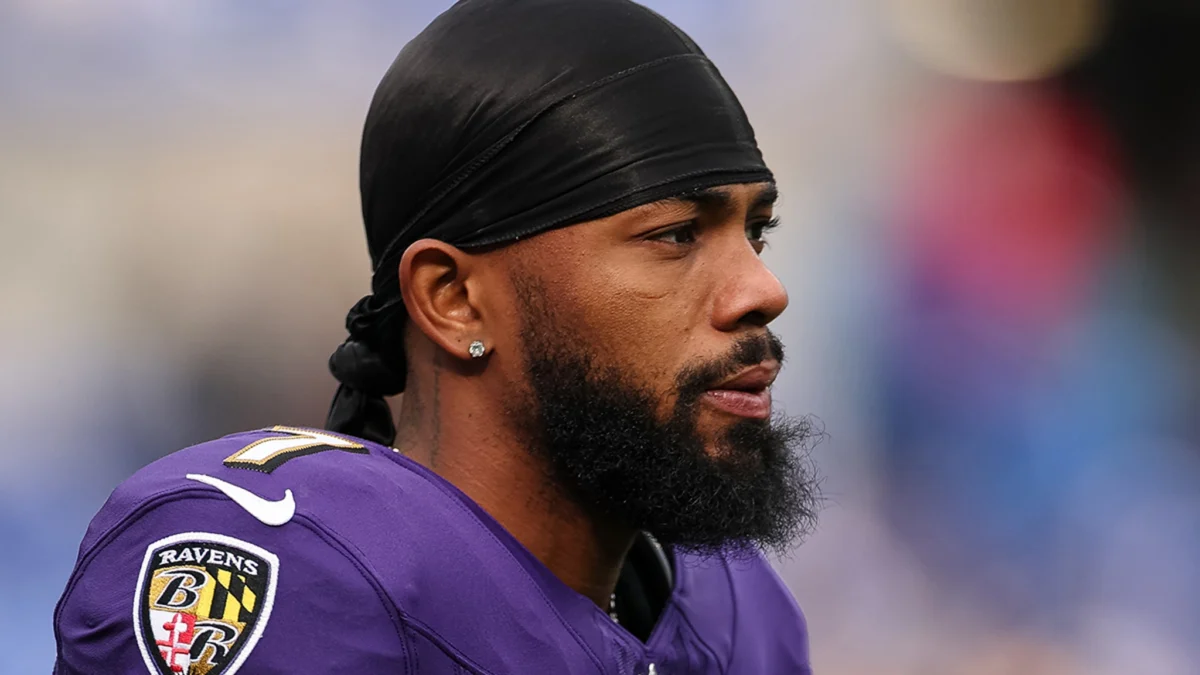
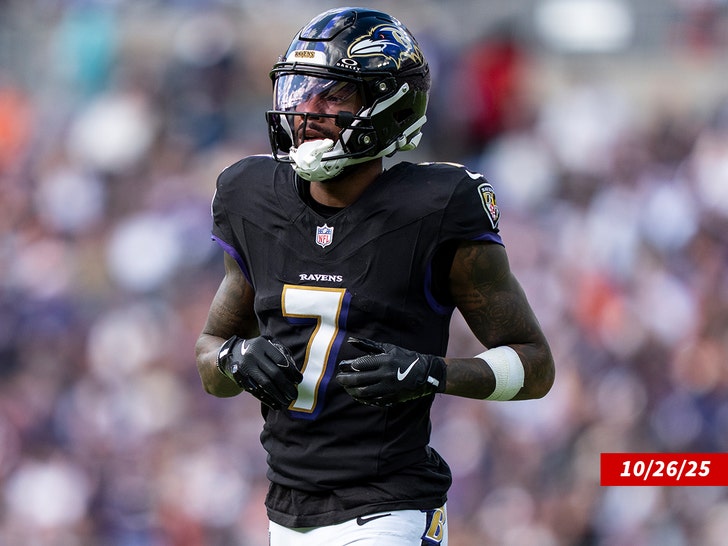
The legal and public narrative surrounding Baltimore Ravens wide receiver Rashod Bateman has undergone a significant and dramatic shift, following the formal recantation of assault allegations by Marissa Crumley, the mother of his child. In a pivotal email dispatched to a prosecutor on June 8, 2026, a mere five days after the alleged incident, Crumley unequivocally asserted that Bateman "never shoved her into a wall or put his hands on her." This stark reversal directly contradicts the initial account provided to law enforcement, which had led to Bateman’s arrest and ignited widespread concern within the NFL community. The development introduces a complex array of challenges for the prosecuting authorities, casts a new light on the initial police investigation, and raises profound questions regarding the dynamics of domestic disputes, particularly when initial statements are later withdrawn.
The Initial Allegations and Public Outcry
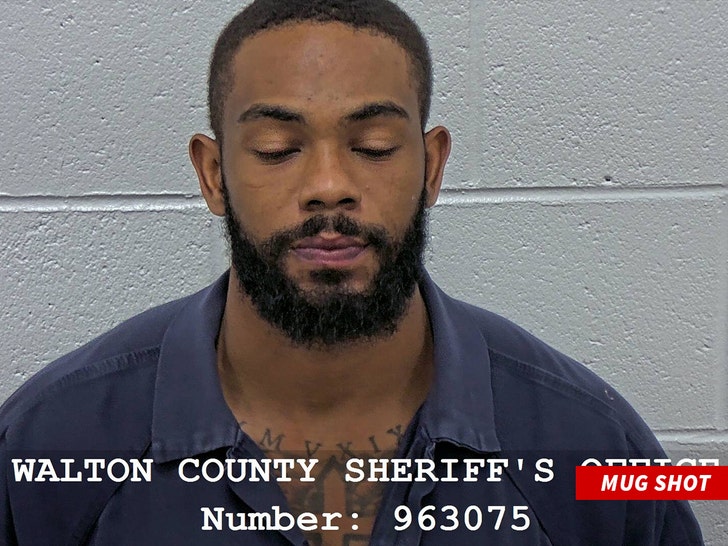
The initial allegations against Rashod Bateman emerged from a reported incident on June 3, 2026. According to police records and subsequent media reports, including an exclusive by TMZ, Marissa Crumley accused Bateman of physical assault during an argument at their shared residence. The detailed police report described Bateman allegedly shoving Crumley into a corner wall. The dispute reportedly escalated further, leading to more severe allegations. Crumley claimed that Bateman later used a screwdriver in an attempt to puncture her rear tire and subsequently smash the windshield and driver-side window of her Mercedes. A particularly distressing detail from the initial report was the presence of their infant daughter in the vehicle during this alleged act of vandalism. Law enforcement noted that shattered glass caused cuts to Crumley’s face, necessitating medical attention for both her and the child, though EMS found no apparent injuries to the infant. These grave initial claims resulted in Bateman’s arrest on charges related to family violence, immediately drawing national attention due to his status as a prominent NFL athlete.
The immediate aftermath of such reports often triggers a swift and strong reaction, especially within the sports world. For high-profile athletes like Bateman, arrests for domestic violence are met with intense public scrutiny, often leading to swift condemnation even before legal processes have fully commenced. The Baltimore Ravens, adhering to standard league protocols, would have likely issued a measured statement acknowledging their awareness of the situation and indicating that they were gathering further information. Simultaneously, the National Football League (NFL) would have initiated its own internal review under its stringent Personal Conduct Policy, a framework designed to address off-field misconduct and protect the league’s image, irrespective of the outcome of criminal proceedings.
Marissa Crumley’s Recantation: A New Narrative Unfolds
Marissa Crumley’s recantation, strategically authorized by Bateman’s attorneys for public dissemination, represents a critical turning point in the ongoing legal saga. In her email to the prosecutor, dated June 8, Crumley expressed a clear desire to present the "true side of the story." Her revised account fundamentally challenges the core elements of the initial police report, specifically stating, "He did not push me or put hands on me in any way." This direct and unambiguous repudiation of physical assault charges significantly erodes the foundation of the prosecution’s case, which frequently relies heavily on the testimony of the alleged victim.
Crumley further elaborated on the circumstances surrounding her initial statements and the physical marks observed by law enforcement. She alleged that officers exerted pressure on her to identify Bateman as the assailant. Additionally, she claimed an invasion of privacy, stating that officers lifted her head wrap to photograph marks on her face. Crucially, Crumley asserted that these bruises and marks were "self-inflicted out of emotion and frustration," rather than being the result of any physical altercation with Bateman. She candidly admitted to making "untrue statements" during a moment of profound emotional distress, explicitly stating her intention was to "get Bateman in trouble."
This admission, while offering a rare glimpse into the complexities of highly charged interpersonal disputes, simultaneously complicates the legal process. It introduces questions regarding the reliability of testimony given under emotional duress and the potential influence of external factors, such as perceived police pressure, on initial statements. Crumley’s email concluded with a powerful declaration of their enduring relationship, emphasizing that she and Bateman are not violent toward one another, still harbor affection for each other, and are committed to fostering a healthier environment for their daughter. This sentiment highlights a common challenge in domestic violence cases, where alleged victims sometimes recant or decline to cooperate with prosecutors due to a myriad of reasons including emotional ties, fear, economic dependence, or a desire to preserve the family unit.
A Detailed Chronology of Events
To fully comprehend the evolving nature of this high-profile case, a precise timeline of events is indispensable:
- Early Morning, June 3, 2026: The alleged initial incident occurs at the shared residence of Rashod Bateman and Marissa Crumley. Initial police reports detail an argument during which Bateman allegedly shoves Crumley into a wall. Later, a second alleged altercation involves Bateman attempting to damage Crumley’s vehicle with a screwdriver, with their infant daughter reportedly present.
- June 3, 2026 (later): Law enforcement responds to the scene. Crumley provides her initial account to police, detailing the alleged physical assault and property damage. Officers observe injuries on Crumley and facilitate the transport of both her and the child to the hospital for evaluation. Rashod Bateman is subsequently arrested on charges related to family violence.
- June 8, 2026: Marissa Crumley dispatches an email to the prosecutor assigned to Bateman’s case. In this critical communication, she formally recants her earlier statements, unequivocally asserting that Bateman never physically assaulted her and that her initial allegations were driven by anger and a desire to "get him in trouble." She further claims her injuries were self-inflicted and alleges police pressure during the initial reporting process.
- August 21, 2026 (approximate): Reports detailing Bateman’s arrest and the initial allegations begin to circulate widely across media platforms, likely following the official filing of charges or preliminary court hearings. This date is inferred from image metadata associated with public reports of the incident.
- August 24, 2026: TMZ publishes an exclusive report, bringing Marissa Crumley’s recantation to public attention and providing direct excerpts from her June 8 email to the prosecutor. This news fundamentally alters the public’s understanding and perception of the case.
- Ongoing: Legal proceedings are anticipated to continue, with the prosecution now facing the formidable challenge of a recanting witness. Concurrently, the NFL’s internal investigation under its Personal Conduct Policy would be actively underway, independent of the criminal justice outcome.
Legal Implications and Procedural Hurdles
Marissa Crumley’s recantation poses significant legal hurdles for the prosecution. In domestic violence cases, the victim’s testimony often serves as the cornerstone of the state’s argument. When a victim recants, prosecutors are compelled to carefully weigh several critical factors:
- Credibility Assessment: Prosecutors must meticulously assess the credibility of both the initial statement and the subsequent recantation. Was the initial statement made under duress, or is the recantation a result of coercion, reconciliation, fear, or other complex factors?
- Corroborating Evidence: In the absence of the victim’s cooperation, prosecutors must rely heavily on other corroborating evidence. This can include police body camera footage, 911 call recordings, statements from other witnesses, medical records, photographic documentation of injuries, and forensic analysis of any alleged property damage. Crumley’s claim of self-inflicted injuries further complicates the interpretation of photographic evidence.
- "He Said, She Said" Dilemma: When the victim recants, the case can quickly devolve into a "he said, she said" scenario, making it substantially more difficult to prove guilt beyond a reasonable doubt to a jury.
- Victim-less Prosecution: In certain jurisdictions, prosecutors may attempt a "victim-less prosecution," proceeding with charges even without the victim’s cooperation, based solely on other available evidence. However, this strategy often faces an uphill battle, particularly if the recantation is compelling and appears credible.
- Allegations of Police Misconduct: Crumley’s claims of police pressure and invasion of privacy introduce another layer of complexity. If these allegations are investigated and found to possess merit, they could potentially undermine the integrity of the initial evidence collection and lead to motions to suppress crucial evidence, further weakening the prosecution’s position.
Rashod Bateman’s attorney, Jordan Siev, had previously commented that the situation had been taken "completely out of context for sensational reasons," adding, "We will let the court process play out and the facts will come out at that time." Crumley’s recantation appears to align with the defense’s assertion that the initial allegations did not fully reflect the truth of the incident. The defense team will undoubtedly leverage this recantation to advocate vigorously for the dismissal of charges or to significantly undermine the prosecution’s case during any potential trial.
The NFL’s Personal Conduct Policy: An Independent Path
Beyond the realm of criminal justice, Rashod Bateman remains subject to scrutiny from the National Football League under its comprehensive Personal Conduct Policy. It is crucial to understand that the NFL’s policy operates independently of the criminal legal system; a player can face disciplinary action from the league even if criminal charges are dropped, reduced, or if they are acquitted in court. The policy’s primary objective is to uphold the integrity and public image of the league and its players.
Key provisions of the NFL’s policy relevant to this case include:
- Independent Investigation: The NFL conducts its own thorough investigation, often involving interviews with all involved parties, a meticulous review of all available evidence, and consultation with independent experts. This internal investigation is not contingent on the findings of law enforcement or the cooperation of the alleged victim.
- Strict Stance on Domestic Violence: Following high-profile incidents such as the Ray Rice case, the NFL has adopted a much stricter stance on domestic violence. Even a first offense can typically result in a significant suspension, often six games without pay, though this can be adjusted based on aggravating or mitigating factors unique to each case.
- Aggravating Factors: The initial allegations, particularly the alleged property damage with an infant present in the vehicle, would have been considered extremely serious aggravating factors under the NFL’s policy, potentially leading to a more severe disciplinary outcome.
- Mitigating Factors: Crumley’s recantation, and her claims regarding the circumstances of her initial statements, could be considered mitigating factors in the NFL’s assessment. However, these do not automatically absolve a player from potential discipline. The league’s investigators would likely delve deeply into the reasons behind the recantation to understand its true context.
The Baltimore Ravens organization would be closely monitoring both the legal proceedings and the NFL’s internal investigation. While they typically defer to the league for official disciplinary actions, they would likely be conducting their own internal fact-finding and providing support to Bateman throughout the legal process, especially given the emergence of this new, critical information. For Bateman, a key wide receiver who recently signed a lucrative multi-year contract extension, any potential suspension would carry significant implications for his career trajectory, his financial earnings, and the team’s on-field performance.
Broader Societal and Athletic Implications
This evolving case vividly illustrates the inherent complexities embedded within allegations of domestic violence, particularly when they unfold in the intense glare of public scrutiny. Recantations, while challenging for prosecuting attorneys, are not uncommon in these types of cases. Research and advocacy groups frequently highlight a range of reasons for victim recantation, including fear of reprisal, economic dependence on the accused, profound emotional attachment, a desire to maintain the family unit, or even regret over involving the legal system. Crumley’s stated motivation—making "untrue statements" to "get Bateman in trouble" out of anger—offers a specific, albeit complicated, insight into the emotional turbulence that can accompany such disputes.
For Rashod Bateman, this rapidly changing situation presents a multifaceted challenge: not only must he navigate the intricacies of the legal system to clear his name, but he must also embark on the arduous process of rebuilding his public image and restoring trust within the NFL and among the fan base. The lingering shadow of an arrest, even if criminal charges are ultimately dropped, can have a lasting impact on a public figure’s reputation. The NFL’s unwavering commitment to its Personal Conduct Policy means that the narrative surrounding Bateman will continue to be shaped by both the final legal outcome and the league’s independent findings.
Furthermore, this incident draws attention to the sensitive and often difficult role of law enforcement in domestic dispute calls. Crumley’s allegations of police pressure and invasion of privacy, if substantiated through investigation, could potentially lead to internal reviews within the police department and might even impact the admissibility of evidence presented in court. It serves as a stark reminder of the delicate balance officers must strike when intervening in highly charged domestic situations.
Conclusion and Future Outlook
Marissa Crumley’s recantation has fundamentally reshaped the legal and public perception of the allegations leveled against Rashod Bateman. What initially appeared to be a relatively straightforward case of domestic violence now involves conflicting accounts and serious claims of coerced initial statements. The legal process is undoubtedly poised to be prolonged and intricate, as prosecutors must now deliberate on whether to proceed with charges in light of the alleged victim’s non-cooperation and direct contradiction of her previous claims.
For Bateman, while the recantation offers a significant ray of hope for his legal defense, the lingering shadow of the initial arrest and the NFL’s ongoing independent investigation will persist. The Baltimore Ravens organization will continue to monitor the situation with utmost diligence, carefully balancing team integrity with unwavering support for their player. The ultimate resolution of this case will not only determine Bateman’s immediate future in the NFL but will also contribute to the broader societal discourse on domestic violence, the complexities of victim recantation, and the inherent difficulties in adjudicating deeply personal disputes within the relentless glare of public scrutiny. All eyes will now be fixed on the unfolding legal proceedings and the NFL’s forthcoming decisions as the full truth surrounding the June 3 incident continues to emerge.



 Yuyun Lusiyani
 Joko Widodo
 Jia Lissa
 Pevita Pearce