
 Eva Lovia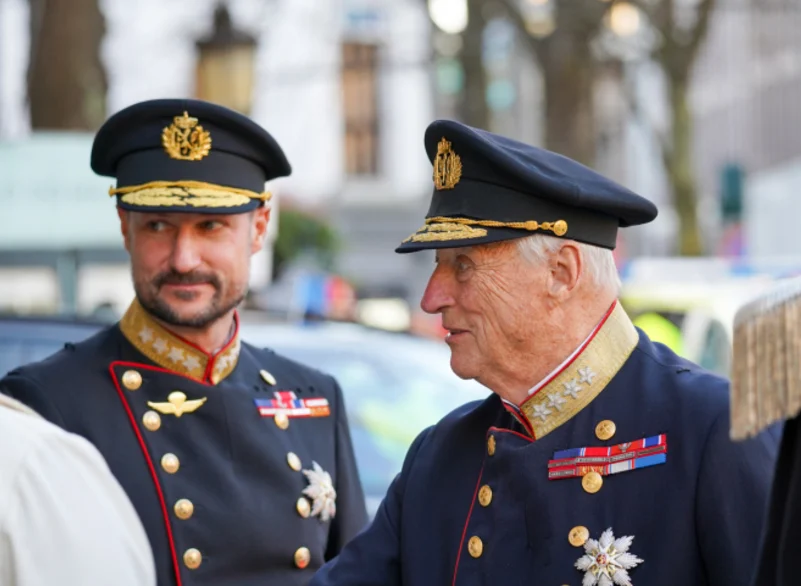
The news of King Harald V’s illness has sent ripples of concern across Norway, a nation that has come to view its monarch not merely as a head of state, but as a deeply ingrained element of its national identity. For many Norwegians, the 89-year-old King is a constant, a familiar presence who has presided over decades of significant national transformation. His current hospitalization for a bacterial infection in his bloodstream, while reportedly met with a stable condition and positive response to antibiotics, inevitably prompts reflection on his reign and his unique place in the heart of the country.
King Harald V: A Constant in a Changing Norway
Since ascending to the throne in 1991, King Harald V has been the sovereign of Norway through a period of profound societal and economic evolution. His reign has spanned over three decades, a timeframe during which Norway has transformed from a relatively insular nation into a global player, increasingly wealthy, more diverse, and in many aspects, less formal. Governments have come and gone, political landscapes have shifted, and societal norms have evolved, yet King Harald has remained a steadfast symbol of continuity. This enduring presence, coupled with his consistent dedication to his duties, has cultivated a deep respect among his people, including those who have known no other monarch.
The current situation sees Crown Prince Haakon stepping in as regent, undertaking the constitutional duties of the monarch. This is not unfamiliar territory for the Crown Prince, who has previously served as regent during his father’s various periods of illness, demonstrating a readiness and experience that assures the smooth functioning of the state.
A Legacy Forged in History and Personal Resilience
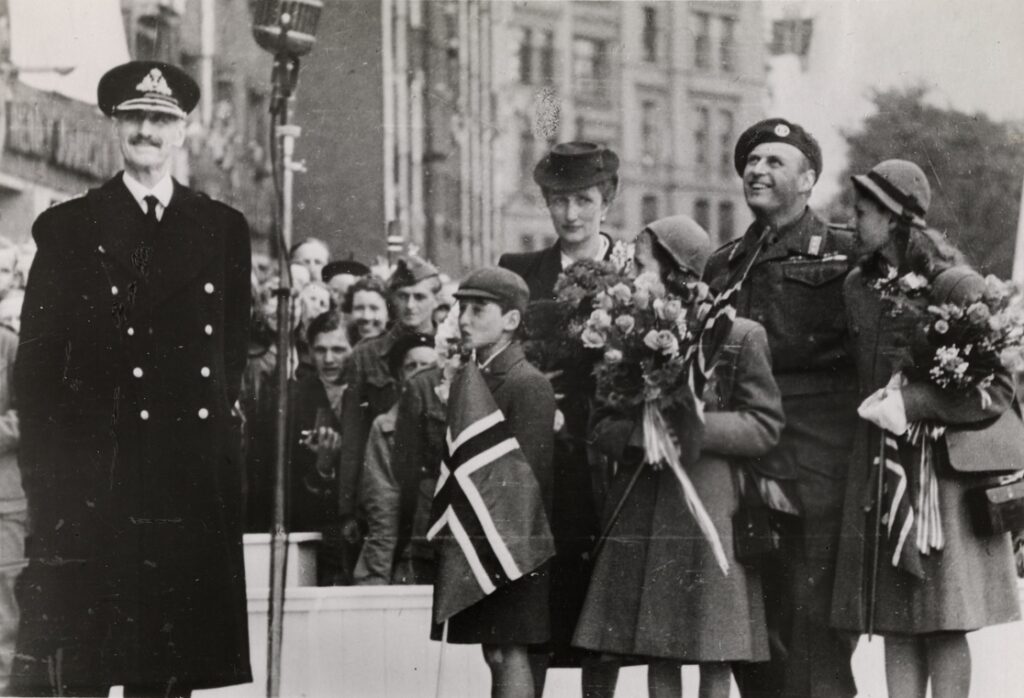
King Harald’s connection to Norwegian history is deeply personal and spans significant moments of national triumph and tribulation. Born Prince Harald in 1937, his early childhood was marked by the German invasion of Norway in 1940, leading to his family’s exile during World War II. This formative experience instilled in him a profound understanding of the fragility of peace and the importance of national sovereignty. He is the grandson of King Haakon VII, who became an enduring symbol of Norwegian independence following the nation’s break from Sweden in 1905 and a figurehead of resistance during the war. His father, King Olav V, is fondly remembered as "the People’s King" for his accessible and empathetic reign.
King Harald, therefore, represents a living link to a past that continues to shape modern Norway. However, his reign has not been defined by historical precedent alone. His determined pursuit of marriage to Sonja Haraldsen, despite initial opposition due to her commoner background, showcased a willingness to challenge royal conventions for personal conviction, a trait that resonated with a public increasingly valuing individual agency. As King, he has demonstrated a remarkable ability to adapt and connect with a Norway vastly different from the one into which he was born, embracing its evolving multiculturalism and modern outlook.
The Quiet Strength of the Crown
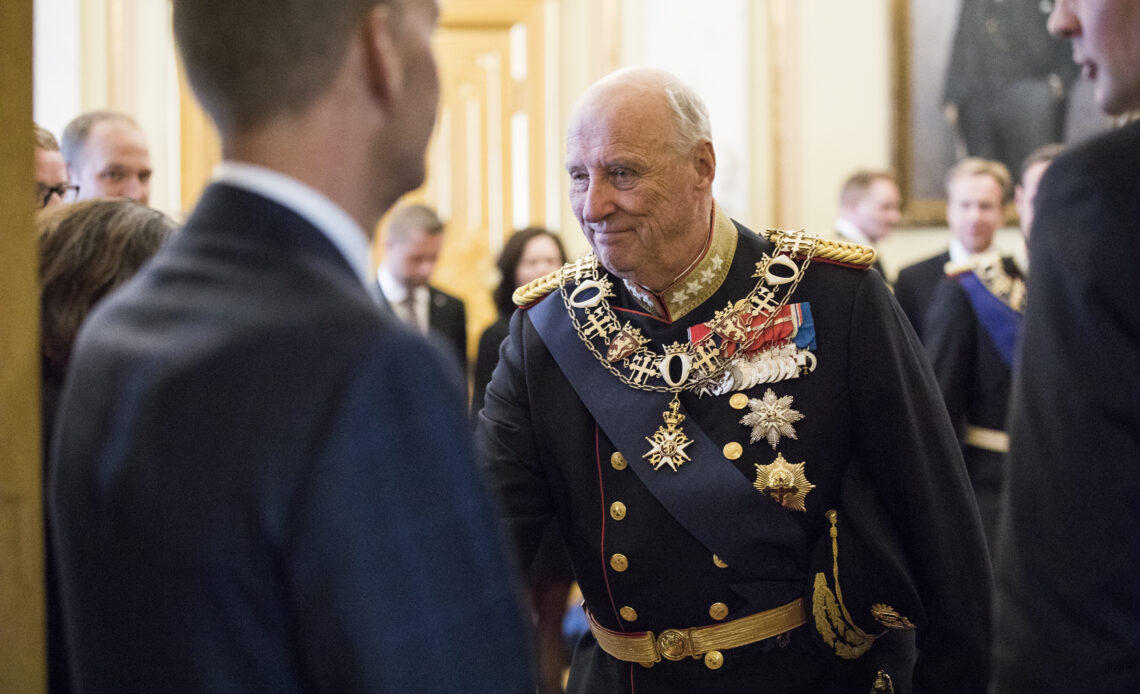
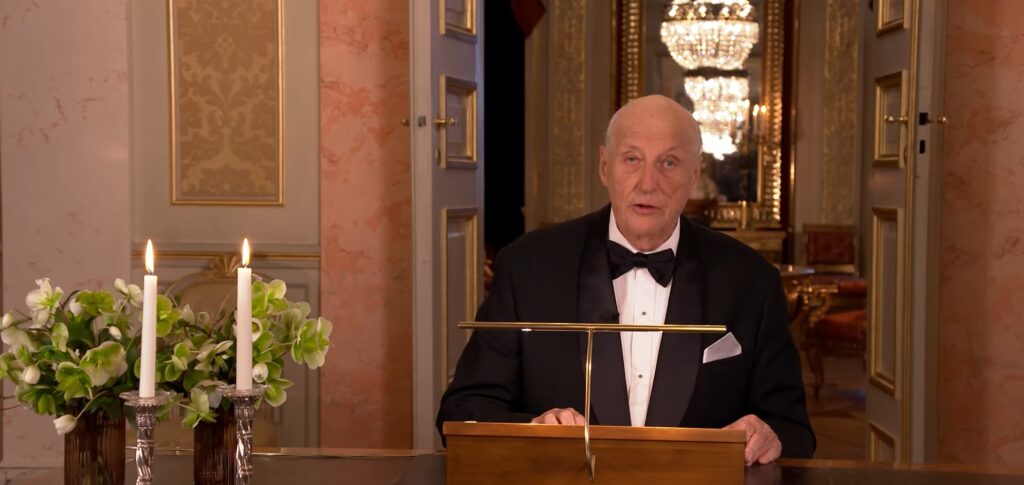
King Harald V has consistently embodied a style of monarchy characterized by quiet dignity and reassuring presence rather than overt political intervention. His appearances are often reserved for significant national occasions: the balcony of the Royal Palace on Constitution Day, his New Year’s addresses to the nation, and the reception of foreign dignitaries. In times of national celebration, tragedy, or uncertainty, his presence has served as a unifying constant, a familiar element in the national narrative. This understated approach has allowed the monarchy to remain relevant and respected without becoming an object of political contention.
Personal Qualities that Humanize the Crown
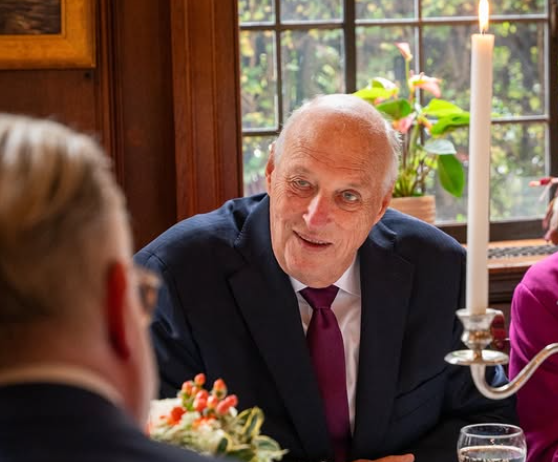
Beyond his royal duties, King Harald is widely appreciated for his personal qualities. His renowned sense of humor, warmth, and ability to laugh at himself have humanized the crown, making it accessible and relatable without diminishing its inherent dignity. These traits have fostered a connection with the public that transcends the formalities of royal life. In recent years, the King’s visible aging and recurring health challenges, including hospital stays, illness, the implantation of a pacemaker, and periods of sick leave, have served as poignant reminders of his mortality, further deepening the public’s empathy and concern.
The Succession and the Future of the Monarchy
With King Harald’s current illness, the role of regent falls to Crown Prince Haakon. His experience in assuming these responsibilities during his father’s previous health episodes ensures a seamless transition of constitutional duties. The Norwegian monarchy, therefore, continues to operate with stability and established protocol.
The article notes a sentiment, even among republicans and critics of the monarchy, that King Harald has made it "difficult to be a republican in the Kingdom of Norway." This observation highlights the profound impact of his personal leadership and connection with the people. While institutions provide structure, it is the individuals who embody them that often forge the deepest connections. For over three decades, King Harald has been the visible face of the Norwegian monarchy, a period marked by national progress and societal shifts. In a contemporary Norwegian society often characterized by unrest and rapid change, the enduring presence of a monarch like Harald V has provided a sense of stability and continuity that is deeply valued. Even those who question the institution of monarchy acknowledge the personal respect and admiration King Harald commands, underscoring his unique and significant role in the nation’s modern history.
Supporting Data and Chronology
- 1937: Prince Harald is born.
- 1940: German invasion of Norway, forcing the royal family into exile.
- 1957: King Olav V ascends to the throne.
- 1968: Marriage of Prince Harald to Sonja Haraldsen.
- 1991: King Harald V ascends to the throne upon the death of his father, King Olav V.
- 2001: King Harald undergoes surgery for bladder cancer.
- 2005: King Harald undergoes surgery for an aortic valve replacement.
- 2012: King Harald is hospitalized with a respiratory infection.
- 2017: King Harald undergoes surgery to replace his knee.
- 2020: King Harald is hospitalized with breathing difficulties.
- 2020: King Harald undergoes surgery to replace his heart valve.
- 2023: King Harald is hospitalized with a temporary pacemaker.
- August 2022 (Original article context): King Harald V is hospitalized with a bacterial infection in his bloodstream, with Crown Prince Haakon serving as regent. (Note: This is based on the original article’s timeframe. The rewritten article aims to present this information in a timeless, journalistic manner while acknowledging the context of the original reporting.)
Official Responses and Public Sentiment
The Royal Court of Norway has been the primary source of official updates regarding the King’s health. Their statements have consistently emphasized that the King is responding to treatment and that his condition is stable, aiming to reassure the public while respecting the privacy of the monarch.
Public reaction across Norway has been one of widespread concern and well wishes. Social media platforms and news forums have been filled with messages of support for the King and his family. The sentiment expressed often reflects the profound personal connection many Norwegians feel towards their monarch, a feeling amplified by his long and dedicated service. The shared hope for his swift recovery underscores the deep-seated respect and affection he commands.
Broader Implications and Analysis
The current situation, while concerning, highlights the robustness of the Norwegian constitutional monarchy. The well-established line of succession and the experience of Crown Prince Haakon as regent ensure continuity of governance. The monarchy in Norway, much like in other constitutional monarchies, serves as a symbol of national unity and historical continuity, providing a grounding presence in an era of rapid global change.
King Harald’s reign has coincided with Norway’s rise as a major oil producer and a significant contributor to international peace and development efforts. His role, though largely ceremonial, has been instrumental in projecting an image of a stable, prosperous, and forward-looking nation on the global stage. His ability to connect with the populace, coupled with his historical lineage, has solidified the monarchy’s relevance in contemporary Norwegian society, demonstrating that tradition and modernity can indeed coexist and thrive. The enduring affection for King Harald V suggests that his personal impact on the nation’s psyche is as significant as the institutional role he fulfills.
Oskar Aanmoen, a writer and journalist based in Norway, has contributed insights into the cultural and personal significance of King Harald V’s reign. His perspective emphasizes the human element of the monarchy and the profound connection King Harald has forged with the Norwegian people, making him a figure of deep national importance.



 Yuyun Lusiyani
 Joko Widodo
 Jia Lissa
 Pevita Pearce
 admin
admin
