
 admin
admin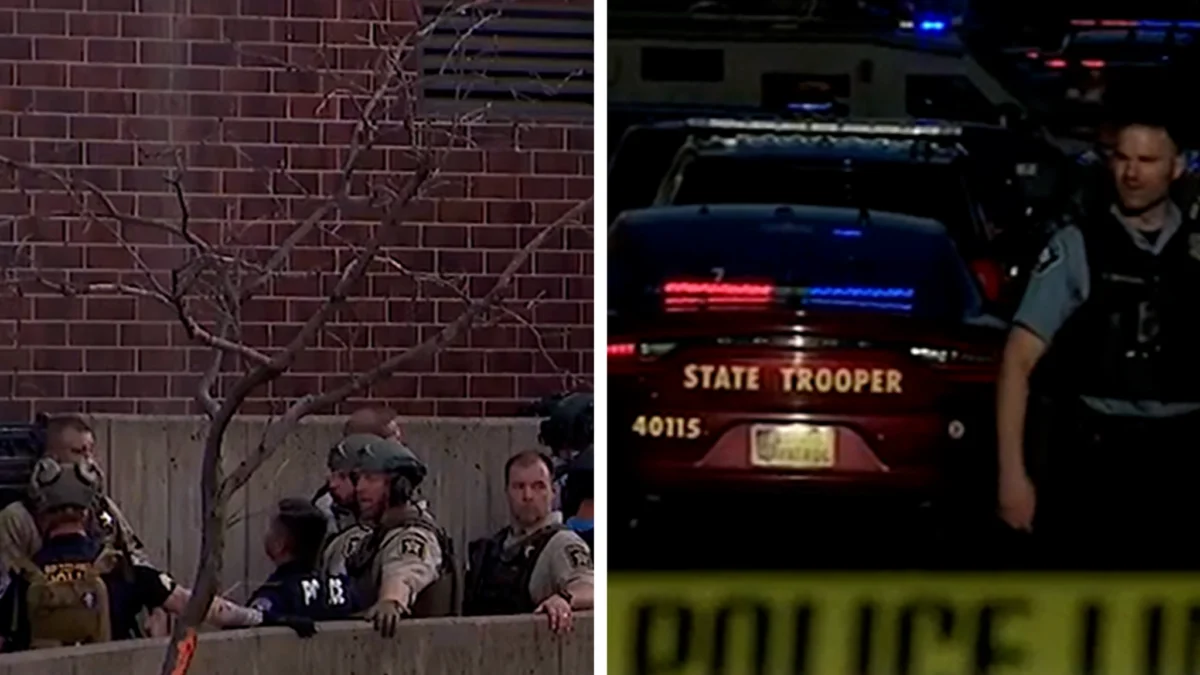
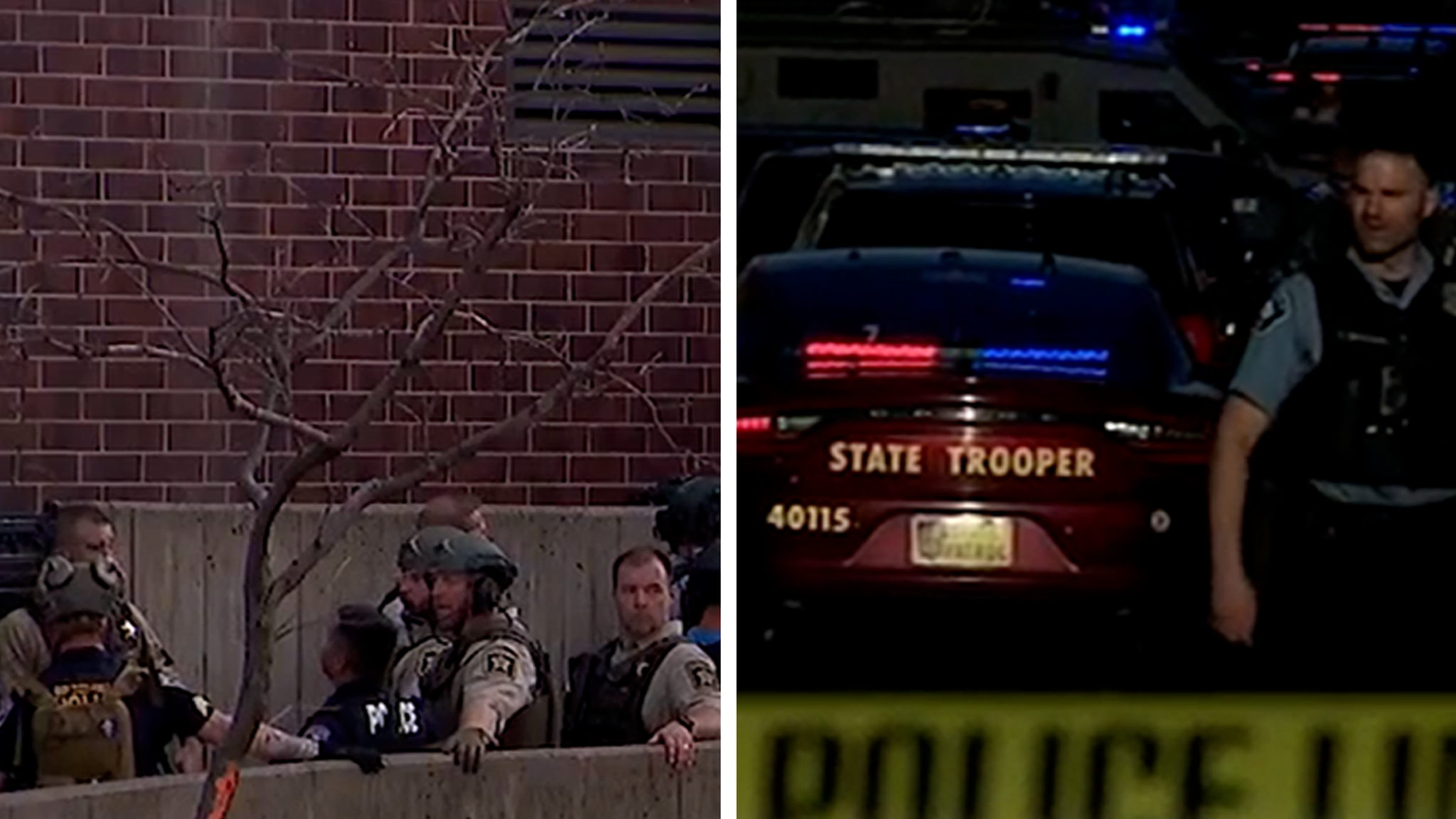
Downtown Minneapolis was plunged into chaos Wednesday evening, September 2, 2026, when a mass shooting erupted, leaving two police officers critically wounded and an undisclosed number of civilians injured. Authorities confirmed that the suspected gunman was "down" following the incident, though details regarding the suspect’s condition or whether they were apprehended, wounded, or killed remain unconfirmed. The violent outbreak prompted a massive law enforcement response, with federal, state, and local agencies converging on the scene and prominent political figures swiftly issuing statements of concern and support.
The Immediate Aftermath and Emergency Response
The tranquility of a bustling Wednesday afternoon in downtown Minneapolis shattered around 5:00 PM PDT (7:00 PM local time), as initial reports of gunfire quickly escalated into a full-scale emergency. Witnesses described a scene of sudden terror, with multiple shots ringing out, sending pedestrians scrambling for cover and businesses into immediate lockdown. Emergency dispatch channels became saturated with calls reporting an active shooter and multiple casualties in the heart of the city’s commercial and entertainment district.
Minneapolis Police Department (MPD) officers were among the first to arrive on the scene, confronting the unfolding violence directly. In the ensuing exchange, two officers sustained gunshot wounds. Sources close to the investigation, as reported by Fox News, indicated one officer was shot in the shin, while the other suffered an injury to the abdomen. The severity of their conditions has not been publicly released, but the nature of the wounds suggests potentially life-threatening injuries for at least one of the officers. These officers were quickly transported to Hennepin Healthcare, the city’s primary trauma center, where medical teams were on high alert.
The area immediately surrounding the incident was swiftly cordoned off, creating a wide perimeter that brought traffic to a standstill and diverted commuters. Sirens wailed incessantly as dozens of police cruisers, ambulances, and fire trucks converged, transforming the normally vibrant downtown into an emergency zone. Tactical units, including SWAT teams, were deployed to systematically clear buildings and ensure no further threats existed, while paramedics attended to the wounded amidst the confusion. Eyewitness accounts, though still fragmented, painted a harrowing picture of a rapid and violent assault, leaving many traumatized.
First Responders and Victim Care
The response from emergency services was immediate and overwhelming, reflecting established protocols for mass casualty incidents. Within minutes of the first shots, law enforcement officers from various jurisdictions, including the Hennepin County Sheriff’s Office and the Minnesota State Patrol, were on scene, augmenting the Minneapolis Police Department’s efforts. Their primary objectives were to neutralize the threat, secure the area, and facilitate the rapid evacuation and treatment of the injured.
While the focus was initially on the two wounded police officers, emergency medical personnel also worked diligently to assess and transport an unspecified number of civilian victims. The precise count and conditions of these individuals have not yet been released, but the phrase "multiple victims" suggests a significant impact beyond the uniformed personnel. Trauma teams at local hospitals were activated, preparing for a potential influx of patients with various degrees of injury. The logistical challenge of managing such an event, from on-scene triage to hospital bed allocation, underscored the gravity of the situation. Medical professionals worked tirelessly under immense pressure, a testament to the community’s resilience in the face of tragedy.
The swift action of first responders, who placed themselves directly in harm’s way, was widely lauded by officials. Their immediate intervention likely prevented further casualties and ensured that the wounded received critical medical attention as quickly as possible. This rapid response is a cornerstone of modern urban emergency management, honed through years of training and experience in handling complex, high-stress scenarios.
Investigation Underway: Unraveling the Motive
With the immediate threat neutralized and the scene secured, the focus shifted to a meticulous investigation aimed at understanding the full scope of the incident and the motives behind it. The confirmation that the "suspected gunman was down" is a crucial development, but its ambiguity — whether the individual was killed, wounded and apprehended, or incapacitated — leaves many questions unanswered. Law enforcement protocols dictate that such an incident triggers a multi-agency investigation, often led by the Minnesota Bureau of Criminal Apprehension (BCA) when officer-involved shootings occur, alongside federal partners like the FBI.
Investigators immediately began the arduous task of evidence collection, meticulously documenting the crime scene, recovering spent shell casings, and examining surveillance footage from surrounding businesses. Witnesses who remained at the scene were interviewed, and calls were put out for anyone with information or video evidence to come forward. The goal is to construct a precise timeline of events, identify any accomplices, and determine the assailant’s background, intentions, and any potential connections to extremist groups or prior criminal activity.
The lack of immediate information regarding the suspect’s identity or motive fueled public speculation, but authorities maintained a tight lid on details to preserve the integrity of the investigation. In incidents of this nature, understanding the "why" is often as critical as understanding the "how," providing insights that can inform future prevention strategies. Whether this was a targeted attack against law enforcement, a random act of violence, or linked to broader societal issues remains a central question for investigators to answer in the coming days and weeks.
Political and Official Reactions
The shooting quickly drew condemnation and expressions of solidarity from across the political spectrum, both at the state and federal levels. Minnesota Governor Tim Walz was among the first to react, announcing that his public safety team was actively responding and that state officials were assisting local law enforcement. In a statement released shortly after the incident, Governor Walz conveyed the collective sentiment of the state, writing, "Grateful to law enforcement actively working to ensure the safety of our neighbors in Downtown Minneapolis this afternoon. Minnesota is praying for our first responders." His remarks underscored the gravity of the situation and the state’s commitment to supporting its emergency personnel.
FBI Director Kash Patel also weighed in, confirming his awareness of the shooting and assuring that the bureau stood ready to provide any necessary resources. The involvement of federal agencies like the FBI is standard practice in mass casualty events, offering expertise in forensics, intelligence analysis, and inter-state coordination. This swift federal offer of assistance highlighted the national concern surrounding such acts of violence.
Minnesota’s political landscape, already active with upcoming gubernatorial elections, saw prominent candidates offering their condolences and support. Senator Amy Klobuchar, a key figure in national politics, expressed her shock and concern, stating, "I just spoke with the Mayor about the horrific shootings with multiple victims in downtown Minneapolis. Please avoid the area as law enforcement works to secure the scene. My prayers are with the victims and their loved ones. Thank you to our courageous law enforcement." Her statement emphasized both the immediate public safety warning and a message of gratitude to those on the front lines. Similarly, Lisa Demuth, also a gubernatorial candidate, released a statement echoing Klobuchar’s sentiments, offering prayers for the victims and praising the rapid and courageous response of law enforcement.
These unified responses from political leaders served to reassure a shaken public and reinforce the importance of community support for those affected and those who serve to protect. The collective tone was one of solemn concern, focusing on the immediate crisis and the welfare of the victims and first responders.
A City Grapples with Violence: Context and Community Impact
The mass shooting in downtown Minneapolis occurred against a backdrop of complex and evolving public safety discussions within the city. Minneapolis has, in recent years, been at the forefront of national conversations regarding policing, racial justice, and urban violence, particularly in the aftermath of the 2020 civil unrest. This incident inevitably reignites those debates, adding a layer of urgency to the ongoing efforts to balance public safety with police reform. The targeting of law enforcement officers, in particular, carries significant weight in a city that has been navigating strained relationships between some community segments and its police force.
The impact on downtown Minneapolis extends beyond the immediate casualties. The heart of the city, a vibrant hub of commerce, culture, and residential living, was effectively shut down for hours. Businesses closed their doors, commuters faced significant disruptions, and the sense of security for residents and visitors was profoundly shaken. Such events often leave a lasting psychological imprint, fostering anxiety and a heightened sense of vulnerability among those who live and work in the affected area. Community leaders and mental health professionals will likely need to mobilize resources to help residents process the trauma and grief associated with this sudden outbreak of violence.
Moreover, the incident places immense pressure on city leadership and law enforcement to not only solve the crime but also to articulate a clear strategy for preventing future occurrences and rebuilding trust. The immediate aftermath will likely see increased police presence, but long-term solutions will require deeper engagement with community stakeholders to address root causes of violence, whether they are related to mental health crises, socio-economic disparities, or other factors.
Broader Implications for Public Safety and Law Enforcement
This tragic event in Minneapolis contributes to a national trend of increasing violence, particularly incidents involving mass shootings and attacks on law enforcement officers. Statistics from recent years have shown a concerning rise in assaults against police, highlighting the dangerous realities faced by those sworn to protect. This incident will undoubtedly become another data point in the ongoing national discourse surrounding police safety, gun violence, and the role of mental health in public security.
The shooting also prompts a re-evaluation of security protocols in urban centers. Downtown areas, by their nature, are open and accessible, making them challenging to fully secure against determined attackers. City planners, law enforcement agencies, and private businesses will likely review existing security measures, considering enhancements such as increased surveillance, improved emergency communication systems, and training for civilians on active shooter response.
Furthermore, the political ramifications could be significant. With gubernatorial candidates already weighing in, public safety is likely to become an even more prominent issue in the upcoming election cycle. Debates around police funding, staffing levels, officer training, and the availability of mental health services will intensify. The incident may also fuel calls for stricter gun control measures, a perennial point of contention in American politics, as communities grapple with the pervasive nature of gun violence.
The Road Ahead: Healing and Accountability
As the immediate crisis subsides, Minneapolis embarks on the long and arduous journey of healing and accountability. The investigation into the shooting will continue for weeks, if not months, aiming to bring clarity to the chaos and justice for the victims. Should the suspect be apprehended and survive, a lengthy legal process will ensue, seeking to uncover motives and hold those responsible accountable.
For the wounded officers and other victims, the path to recovery will be challenging, involving extensive medical care, physical rehabilitation, and psychological support. The city will undoubtedly rally around them, offering support and solidarity. Beyond the individual recoveries, the community itself will need to heal. This involves open dialogues, reinforcing community bonds, and working collaboratively to prevent such tragedies from recurring.
The Minneapolis mass shooting serves as a stark reminder of the fragility of peace in urban environments and the profound courage of those who respond to such crises. As the city moves forward, it will confront difficult questions about public safety, community resilience, and the enduring challenge of violence in contemporary society, all while remembering those who were impacted by the horrific events of Wednesday evening.


 Joko Widodo
 Lina Irawan
 Jia Lissa
 Yuyun Lusiyani
 Pevita Pearce