
 Lina Irawan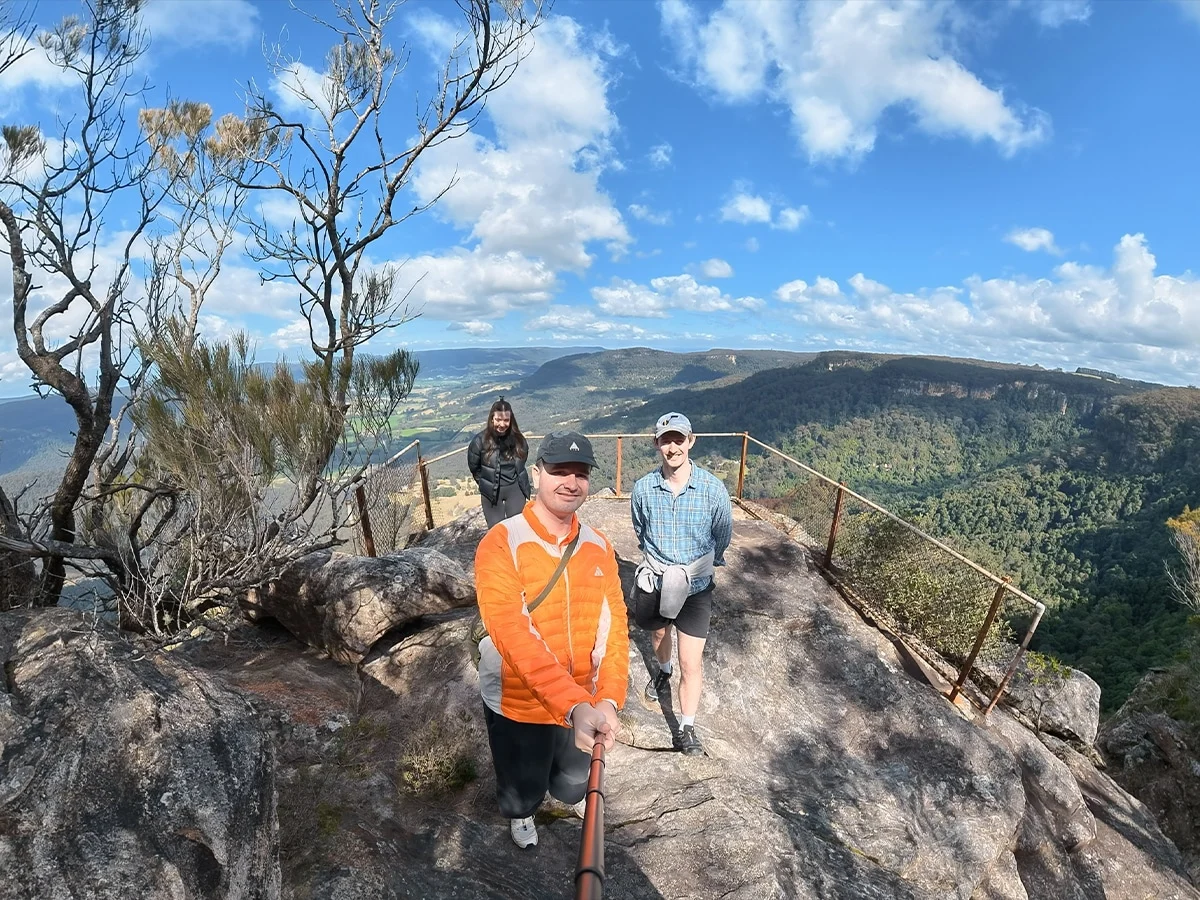
The release of the DJI Osmo 360 II marks a significant pivot in the action camera market, signaling a shift from traditional fixed-frame recording toward a "capture everything, decide later" philosophy. As solo content creation and high-adventure filmmaking continue to dominate social media platforms like YouTube and Instagram, the demand for hardware that eliminates the risk of missing a shot has reached an all-time high. DJI, a company that built its reputation on gimbal stabilization and drone technology, has refined its 360-degree offering to address the primary pain points of the format: image quality, durability, and the friction of the post-production workflow.
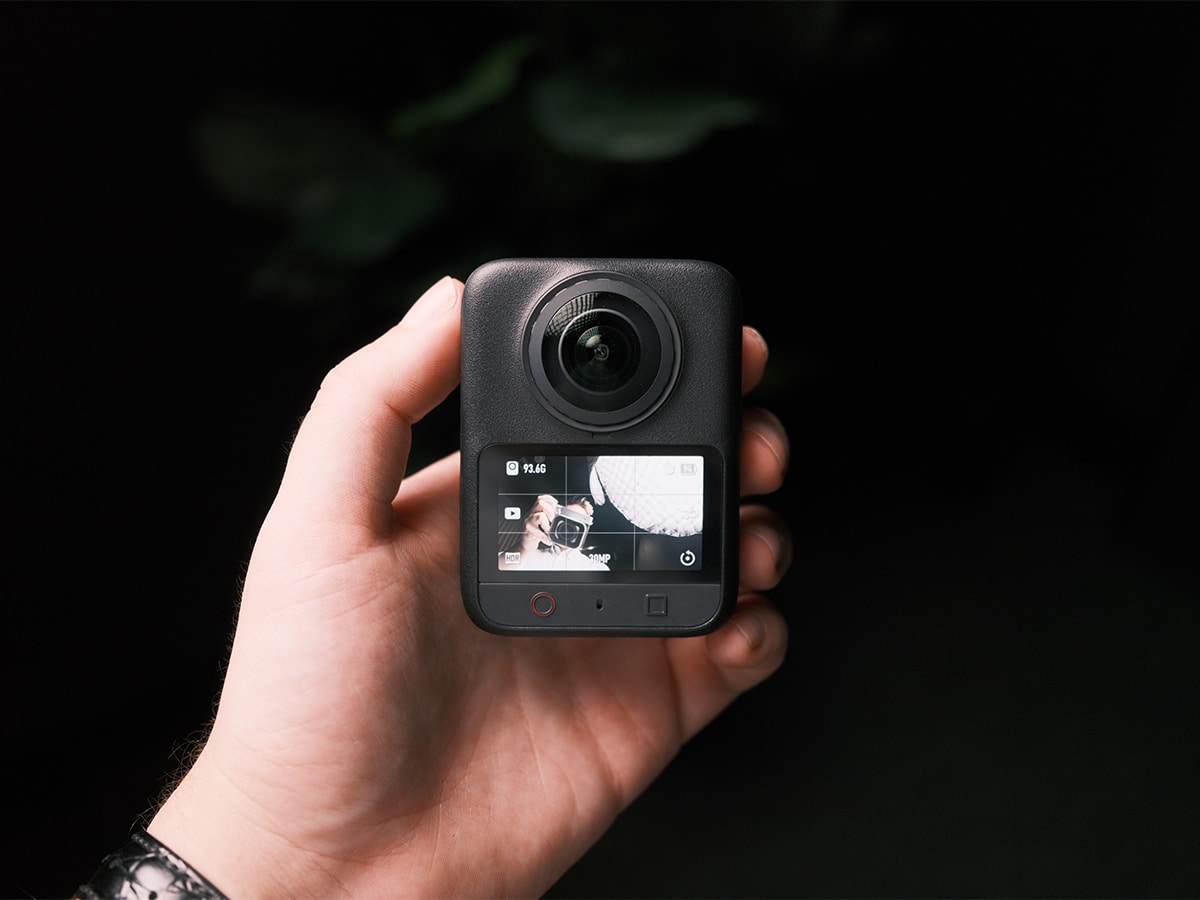
By integrating a custom 1/1.1-inch square CMOS sensor and introducing a first-of-its-kind user-replaceable lens system, the Osmo 360 II attempts to bridge the gap between amateur convenience and professional-grade output. The device enters a competitive landscape currently occupied by the Insta360 X series and GoPro’s aging Max, positioning itself as a high-fidelity alternative for creators who require 14.5 stops of dynamic range and native 8K spherical resolution.
Technical Evolution and the Square Sensor Advantage
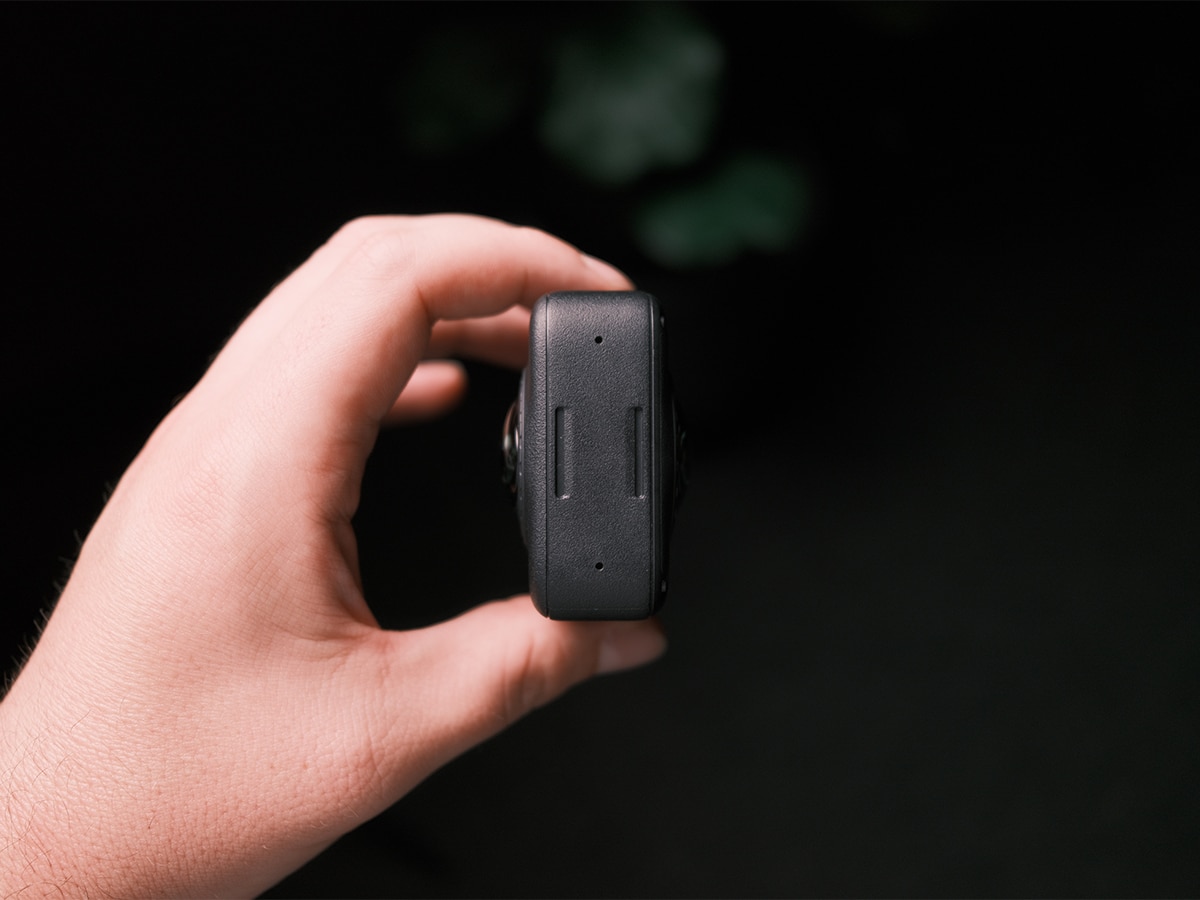
At the core of the DJI Osmo 360 II is a sophisticated imaging pipeline centered on dual 1/1.1-inch square CMOS sensors. Unlike traditional rectangular sensors used in smartphones and standard action cameras, the square format is optimized specifically for the spherical optics of a 360-degree device. According to technical specifications provided by DJI, this square design increases sensor utilization by approximately 25 percent compared to previous iterations. This efficiency directly translates to reduced power consumption and improved thermal management, allowing for longer recording sessions in high-bitrate modes.

The sensor features 2.4 μm pixels and an f/1.9 aperture, a combination designed to excel in high-contrast environments. In real-world testing across varied terrain—ranging from dense forest canopies with deep shadows to exposed mountain ridges under harsh direct sunlight—the device demonstrated a remarkable ability to maintain highlight retention. With 14.5 stops of dynamic range, the Osmo 360 II is the first consumer-grade 360 camera to offer such latitude, ensuring that both the bright sky and dark foreground elements remain correctly exposed within the same spherical frame.
Durability and Field Serviceability
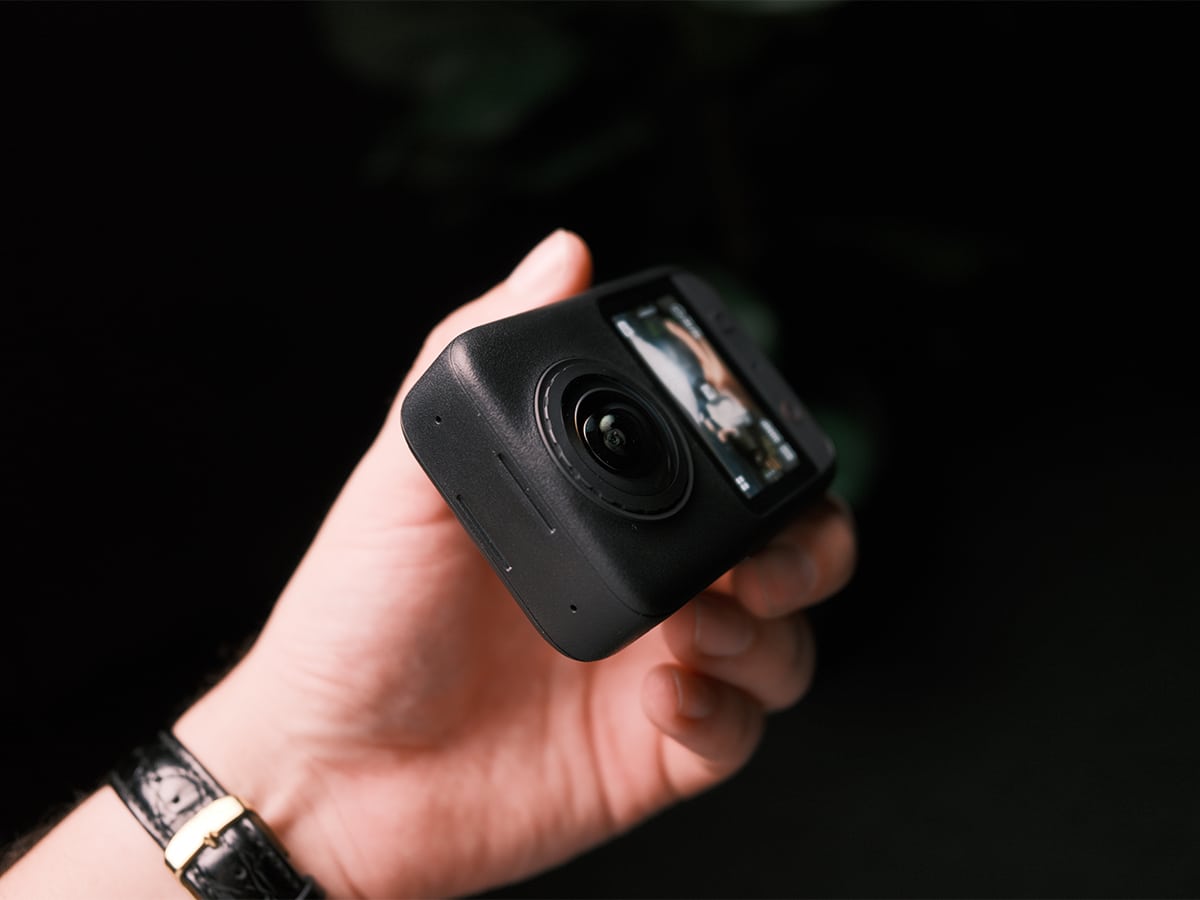
One of the most persistent criticisms of 360-degree cameras has been their inherent fragility. Because the dual fisheye lenses must protrude from the camera body to capture a full sphere, they are highly susceptible to scratches and impact damage. DJI has addressed this through a two-pronged approach involving material science and modular design.
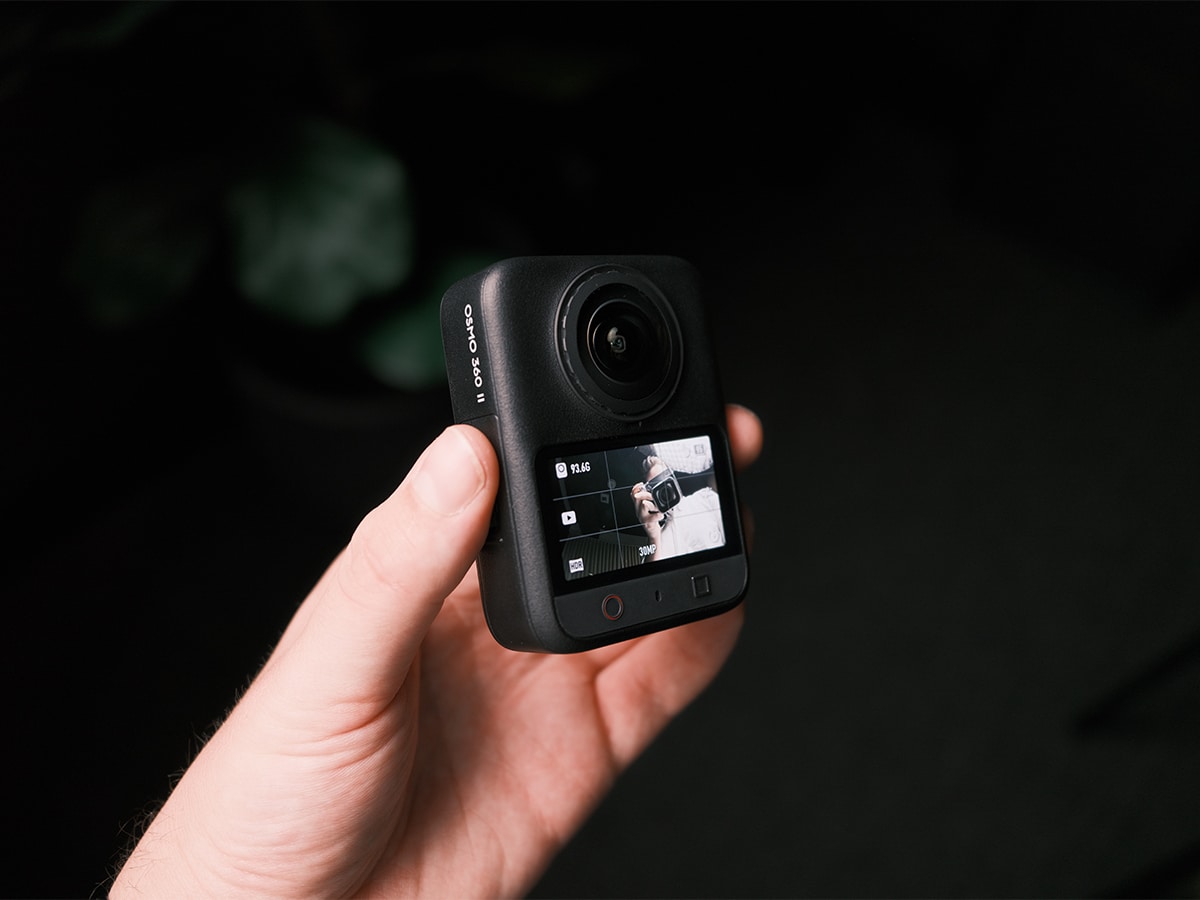
The optical elements are treated with a second-generation ultra-hard optical coating via an ion sputtering process. Laboratory data indicates a 150 percent increase in surface strength over the original Osmo 360, with the glass surviving up to 2,000 abrasive cycles with steel wool. Furthermore, the lenses maintain a water contact angle above 100 degrees, facilitating superior water-beading performance for use in rain or near waterfalls.
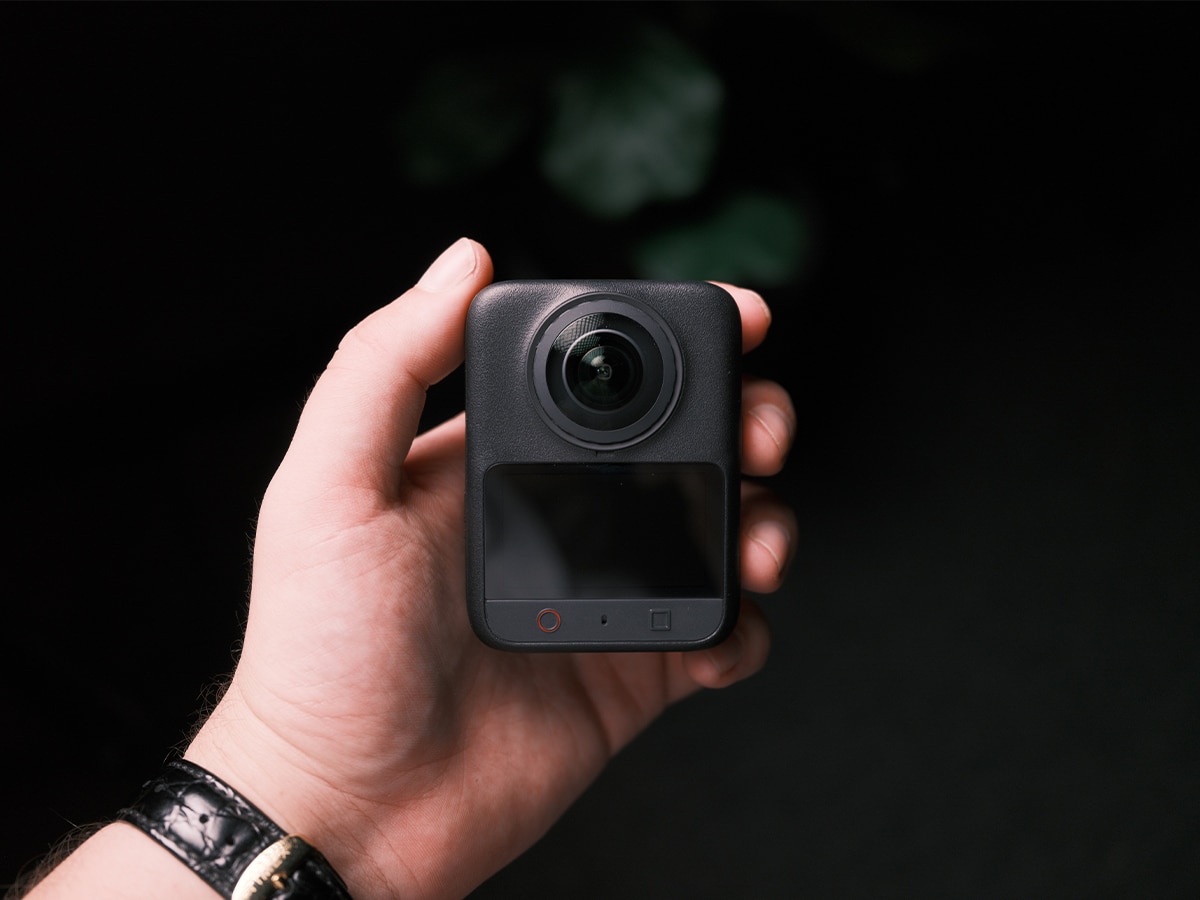
Most significantly, DJI has introduced a user-replaceable outer lens design. Historically, a scratched 360-degree lens necessitated a full unit replacement or an expensive trip to a professional service center. The Osmo 360 II allows users to unscrew the damaged lens module in the field and replace it with a fresh element from the official AUD$49 Replacement Lens Kit. An automated self-calibration routine, accessible via the 2.0-inch high-brightness touchscreen, ensures that the stitching algorithms remain precise after a lens swap.
The Reality of 8K Resolution and Reframing
While the "8K" branding is a primary marketing pillar for the Osmo 360 II, it is essential to understand how those pixels are distributed in a panoramic context. The camera captures a spherical image measuring 7680 by 3840 pixels. However, because these pixels are wrapped around a 360-degree horizontal and 180-degree vertical field, the pixel density is approximately 21.3 pixels per degree.
When a creator reframes this footage into a standard 16:9 flat video for social media—typically using a 90-degree field of view—they are effectively cropping into a portion of the sphere. Mathematically, a 90-degree crop of an 8K sphere results in an image with roughly 1920 horizontal pixels. Therefore, the "true" optical detail of a reframed shot is closer to 1080p (Full HD) than native 4K. To mitigate this, DJI’s software employs sophisticated upscaling and AI-driven sharpening during the export process, making the final 4K files suitable for high-quality social media reels and YouTube vlogs.
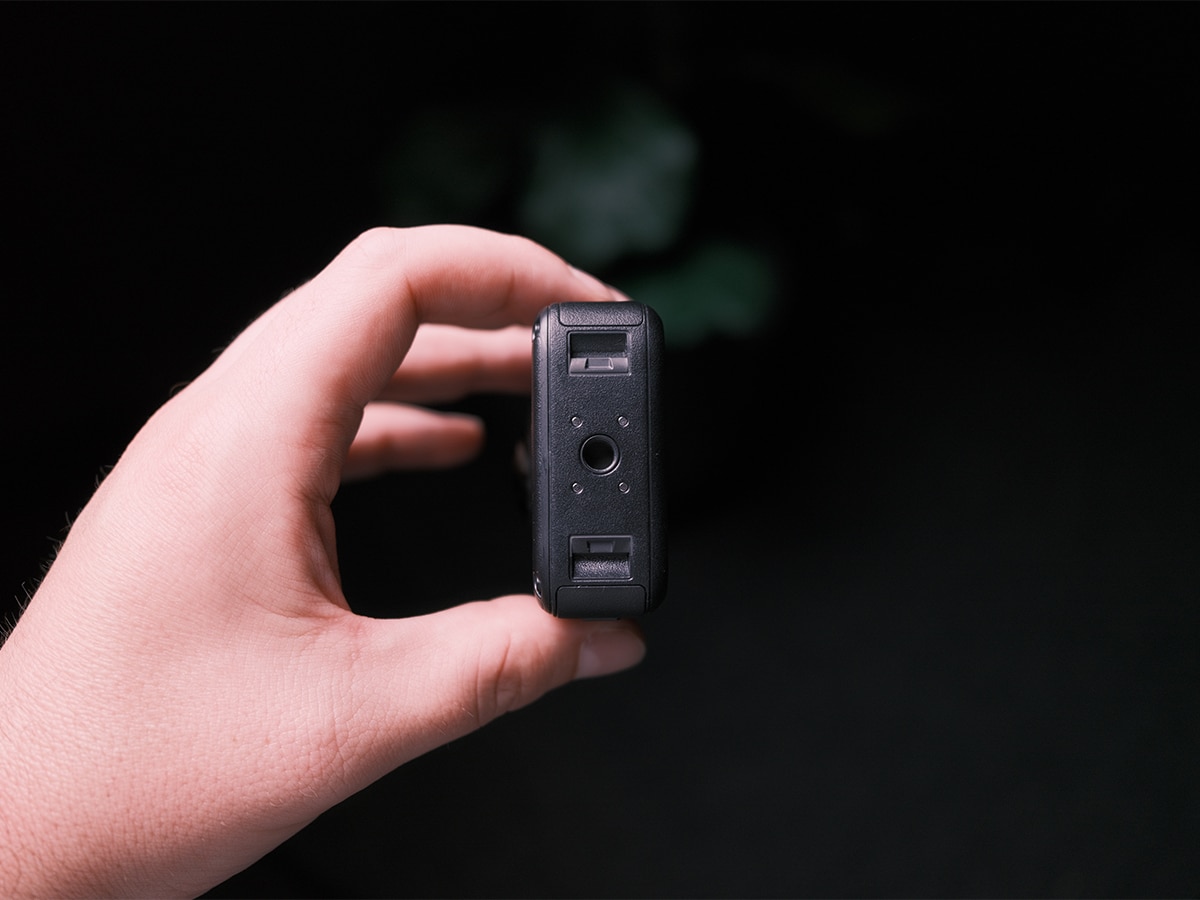
For scenarios requiring maximum clarity without the need for 360-degree reframing, the device includes a Single-Lens Action Mode. In this configuration, the camera deactivates one sensor and dedicates the full processing power and surface area of the primary 1/1.1-inch sensor to a standard 4K/60fps wide-angle recording.
Advanced AI Features and Workflow Integration
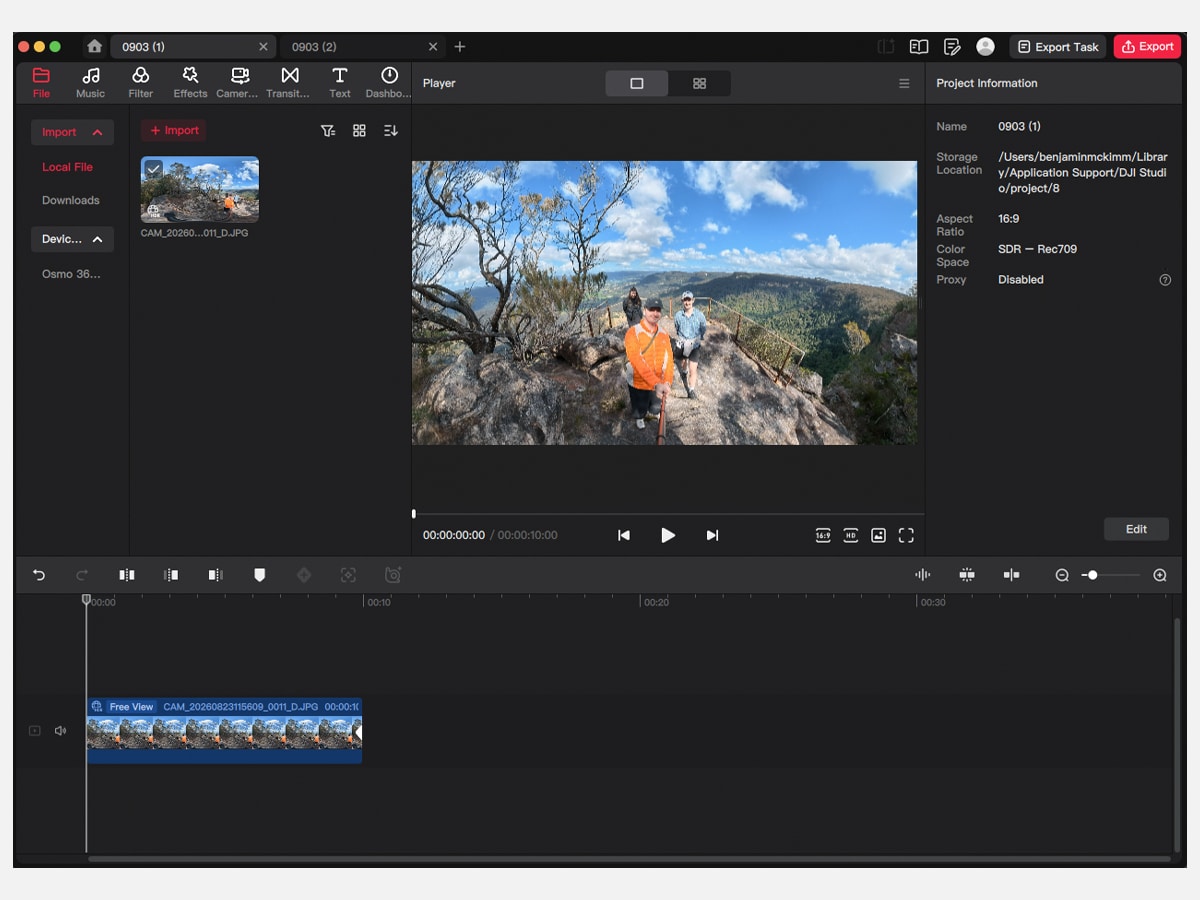
To streamline the often-cumbersome process of editing 360-degree footage, DJI has introduced 360 Editing 2.0. This suite of tools uses AI to analyze spherical data and automatically identify the most compelling subjects or movements, suggesting "punch-in" angles for the user. The Spotlight Follow feature further automates this by allowing the user to select themselves as a subject; the software then uses its 360-degree data to keep the subject centered in the frame regardless of how the camera moves or rotates on an extension pole.
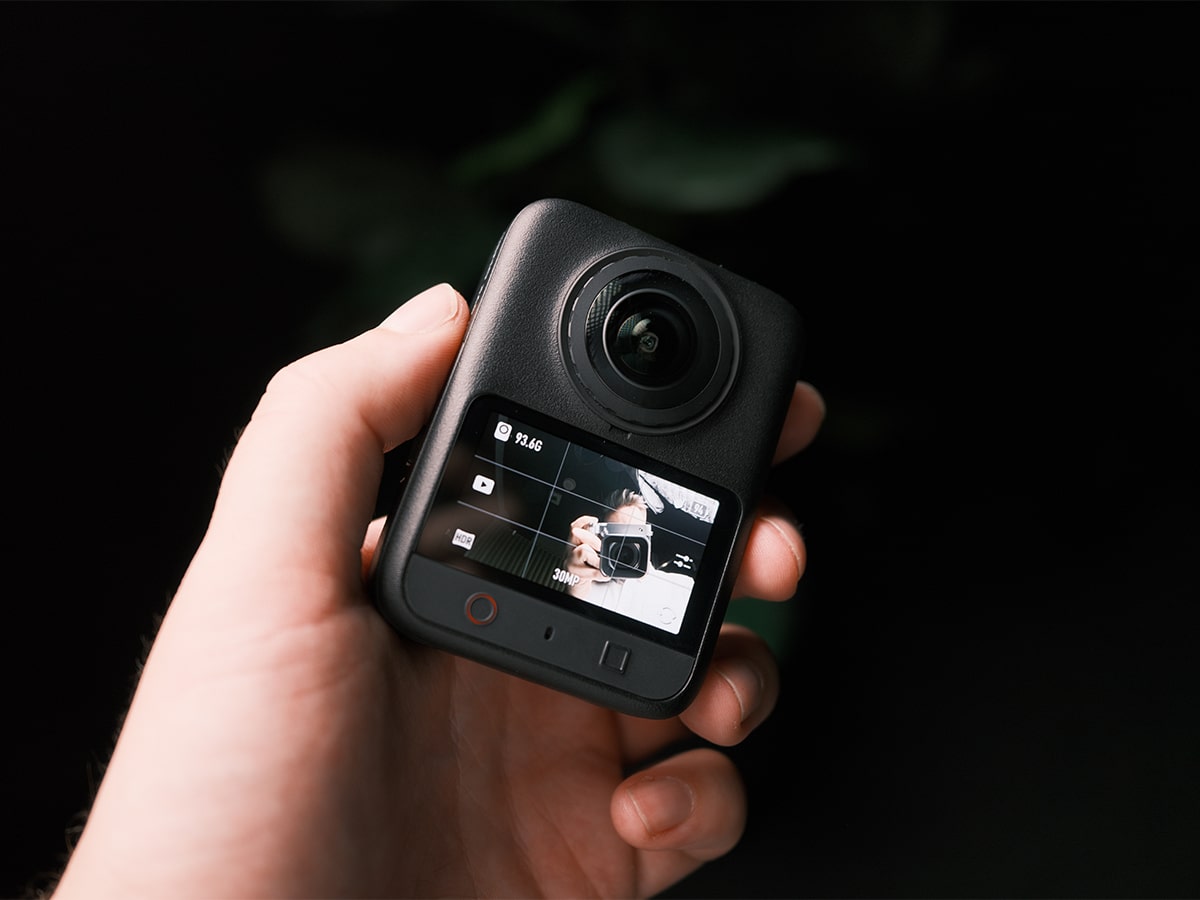
Low-light performance has seen a substantial upgrade via AI SuperNight 2.0. This new noise-reduction algorithm processes images in real-time to clean up grain in the shadows, a traditional weak point for small-sensor action cameras. Additionally, the camera supports 16K 360-degree timelapses and a 4K spherical slow-motion mode at 240fps. Using DJI Studio’s AI frame interpolation, this can be pushed to an equivalent of 64x panoramic slow motion.
For professional editors, DJI has launched a direct plugin for DaVinci Resolve. This allows for the seamless import of 360 files into professional timelines. The inclusion of a 10-bit D-Log M color profile—capable of capturing over one billion colors—provides colorists with the necessary latitude for professional-grade grading and matching with footage from higher-end cinema cameras.
Audio, Storage, and Power Management
The Osmo 360 II features an integrated four-microphone array designed with wind-noise reduction. While the internal audio is sufficient for ambient sound and basic vlogging, the device is fully compatible with the DJI OsmoAudio ecosystem. This allows for a direct, receiver-free wireless connection to the DJI Mic 3, Mic 2, and Mic Mini series, enabling dual-channel professional audio recording.
In a move praised by industry analysts, DJI has equipped the camera with 105GB of built-in high-speed storage. Given the high bitrates of 8K video (up to 220 Mbps), this internal memory serves as both a high-performance primary drive and a critical safety net for users who may forget or fill their microSD cards. Data offloading is handled via USB 3.1 or Wi-Fi 6, ensuring fast transfer speeds to mobile devices or desktops.
Power is supplied by a 2,150mAh battery, which is cross-compatible with other devices in the Osmo Action series. The battery provides approximately 100 minutes of continuous recording at 8K/30fps and supports fast-charging capabilities, reaching 80 percent capacity in 22 minutes.
Market Positioning and Pricing
The DJI Osmo 360 II is available in two primary configurations. The Standard Combo is priced at AUD$899, while the Adventure Combo, which includes additional batteries and an extension rod, retails for AUD$1,079.
Industry comparisons suggest that while the Osmo 360 II offers the most advanced 360-degree hardware currently available, it faces internal competition from DJI’s own product lineup. The DJI Pocket 4 and Pocket 4P offer superior "true" 4K image quality and mechanical gimbal stabilization for creators who do not strictly require a 360-degree field of view. However, for solo adventurers, hikers, and action sports enthusiasts who cannot manually frame shots while in motion, the Osmo 360 II represents a unique tool that combines the versatility of a drone with the portability of a pocket camera.
Impact on Solo Content Creation
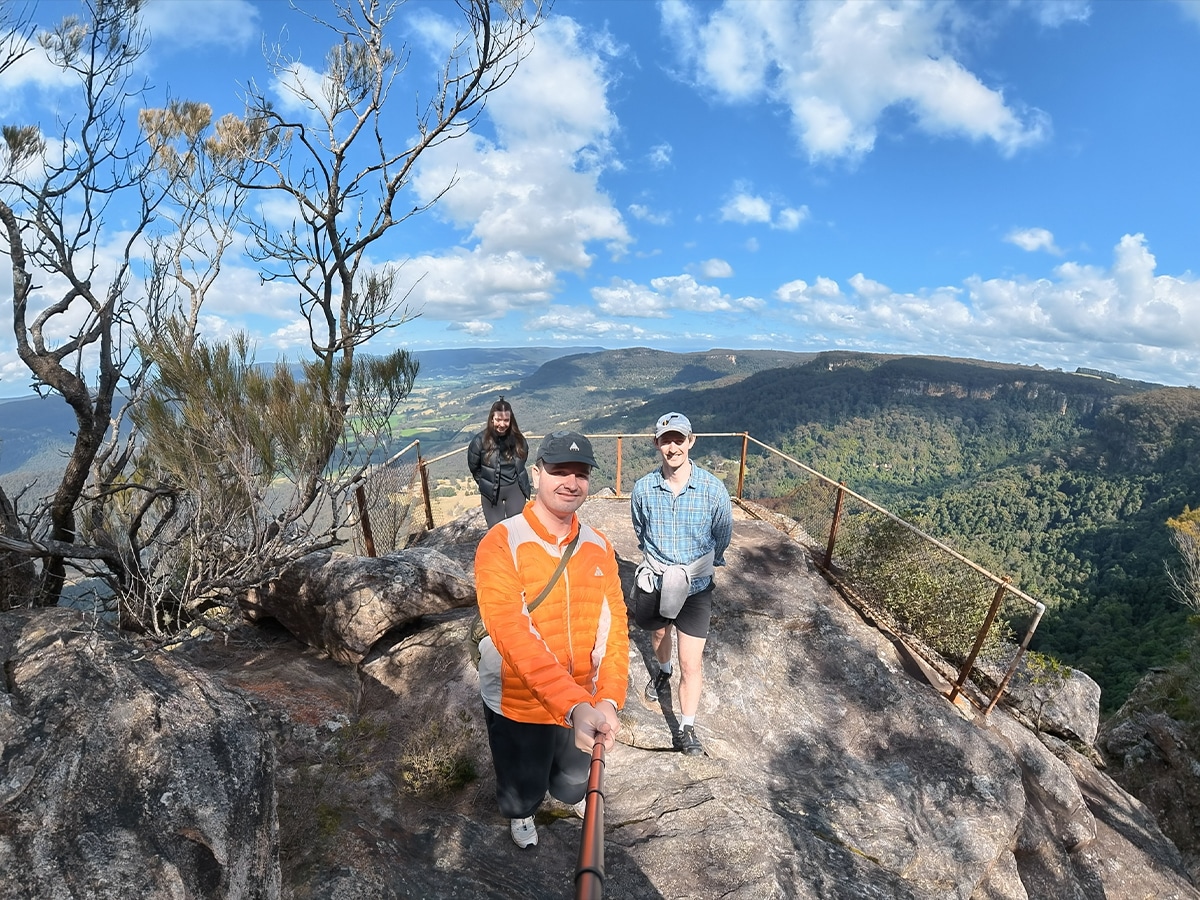
The broader implication of the Osmo 360 II lies in its democratization of complex cinematography. Techniques that previously required a dedicated camera operator or a low-flying drone—such as third-person tracking shots or dynamic orbital pans—can now be achieved by a single individual using an invisible selfie stick and AI-reframing software.
As the hardware continues to mature, the friction between capturing a moment and sharing it is rapidly diminishing. The Osmo 360 II effectively removes the "technical overhead" of panoramic video, allowing the creator to focus on the experience rather than the equipment. While the high-end hardware requirements for desktop editing remain a barrier for some, the shift toward mobile-first AI editing suggests that the 360-degree format is moving away from its niche "novelty" status and becoming a foundational tool in the modern filmmaker’s kit.



 Joko Widodo
 admin
admin
 Jia Lissa
 Yuyun Lusiyani
 Pevita Pearce