
 admin
admin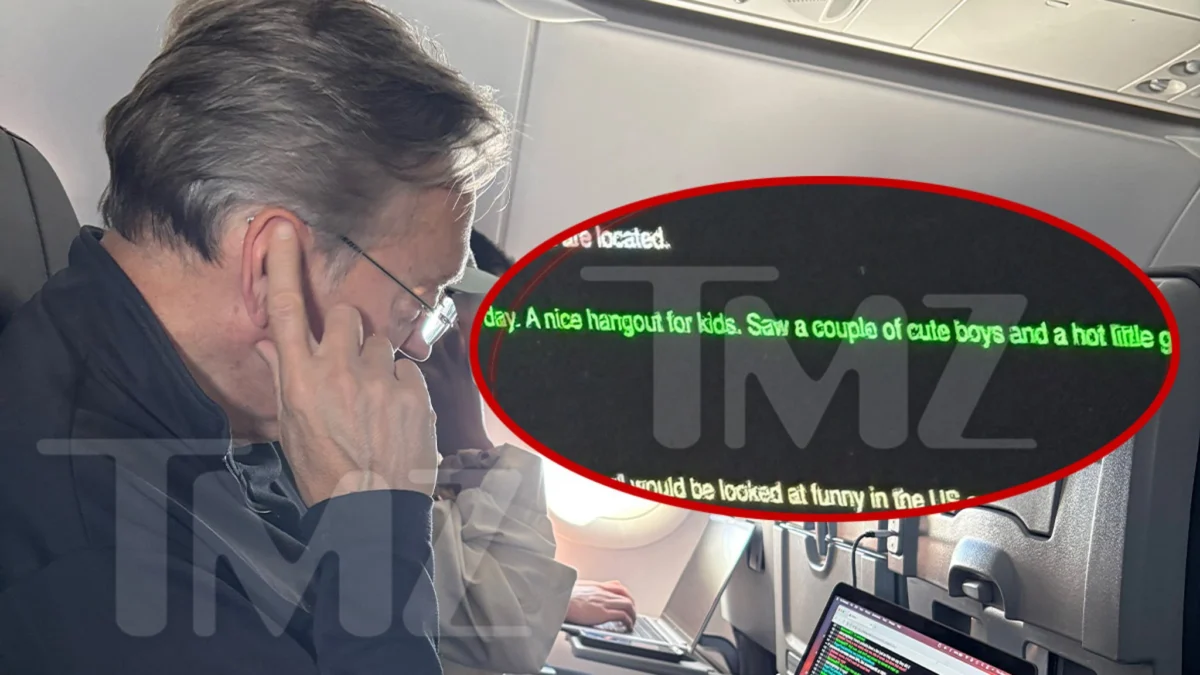
The public persona of Jim Thornton, the familiar voice of the long-running television game show "Wheel of Fortune," has been thrust into controversy following his suspension from the program. This development stems from an incident in May where a fellow passenger on an American Airlines flight reported seeing Thornton engaged in what appeared to be a disturbing chatroom on his laptop. The passenger’s observations, which included specific messages and images, prompted an on-board alert and a subsequent law enforcement investigation upon landing.
The incident has sparked widespread discussion, not only due to Thornton’s prominence but also because of the highly sensitive nature of the allegations. His legal representative has since offered an alternative explanation, framing Thornton’s online activity within the context of suicide prevention advocacy and claiming an inadvertent entry into a problematic online forum. The unfolding narrative presents a complex interplay of public accusation, personal defense, and the intricate challenges of online conduct and digital surveillance.
Chronology of the Mid-Air Incident
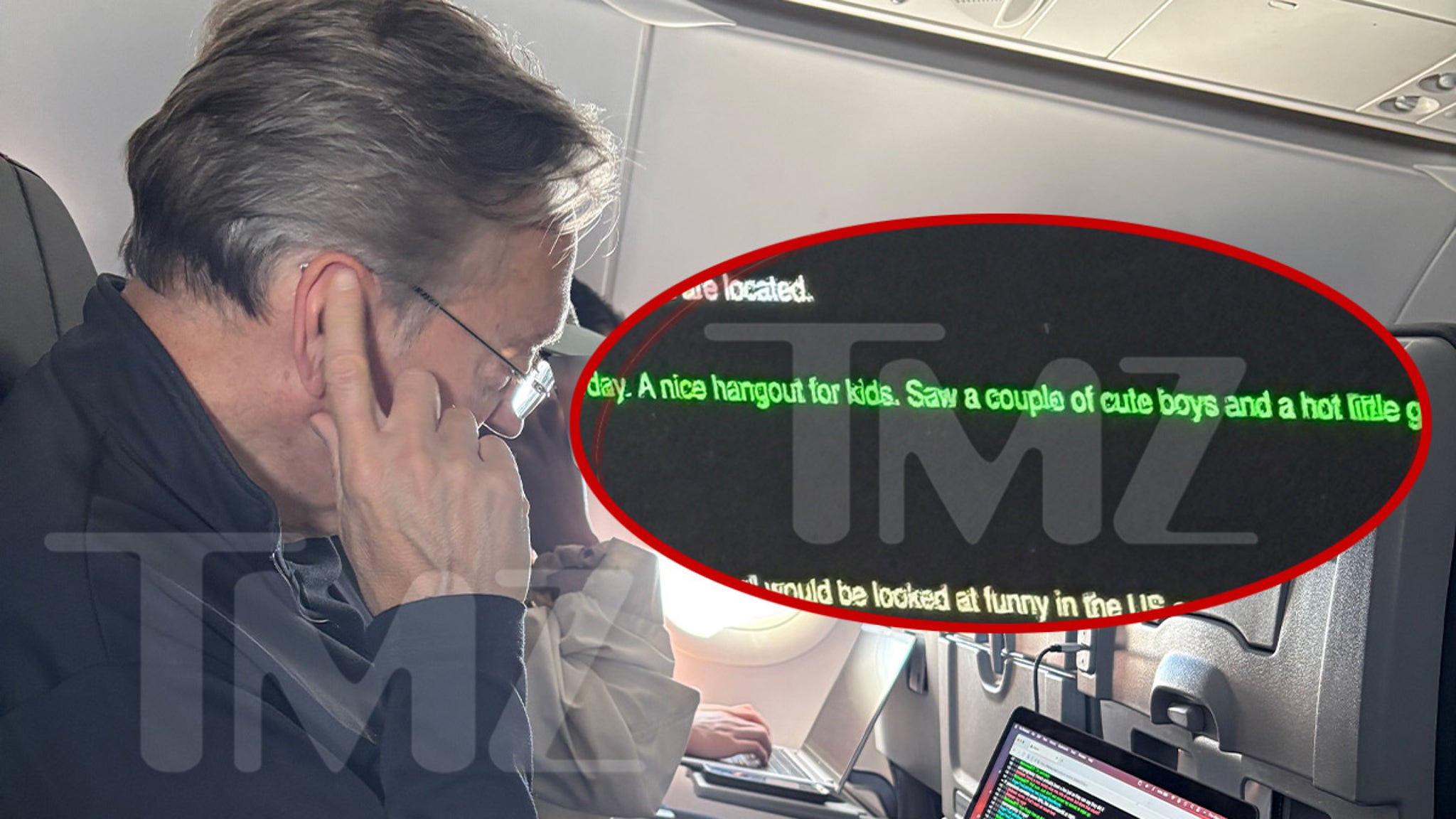
The events that led to Jim Thornton’s suspension began on a domestic American Airlines flight traveling from Charlotte, North Carolina, to Los Angeles, California, in May. According to a passenger who spoke to TMZ, she observed Thornton on his laptop and became increasingly disturbed by what she saw on his screen. The passenger reported that the images and text messages visible on Thornton’s device suggested he was participating in a chatroom she believed was intended for pedophiles.
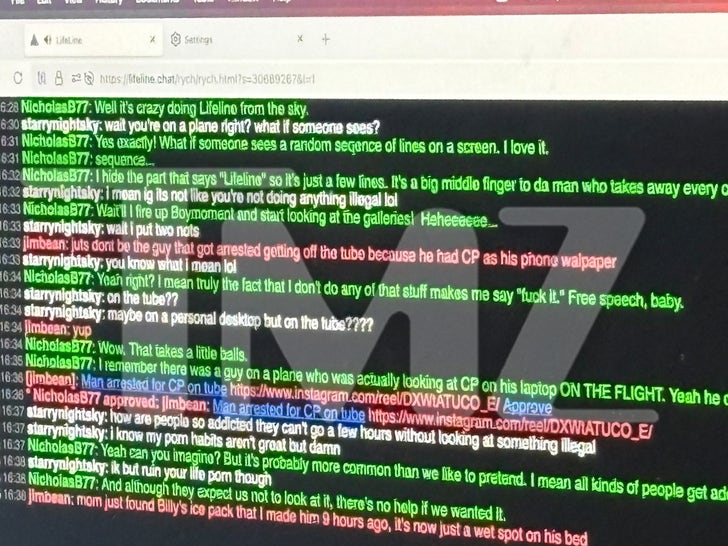
Her account included specific, alarming excerpts from the chat. She recalled seeing messages such as, "Couple of cute boys and a hot little girl," and another chilling phrase, "All-you-can-eat Boyfett," which she interpreted as a reference to a restaurant where underage individuals could be found. Furthermore, the passenger noted a message containing the acronym "CP," which she understood to stand for child pornography. These observations compelled her to take action, capturing photographs of the screen as evidence.
Following her distressing discovery, the vigilant passenger promptly alerted a flight attendant, sharing the photographic evidence and her concerns with the crew. The airline’s standard protocols for addressing potential illicit activity were then initiated. The flight captain was informed of the situation and, recognizing the gravity of the allegations, made the decision to notify law enforcement authorities on the ground. This meant that upon the flight’s arrival at Los Angeles International Airport (LAX), a contingent of law enforcement officials was prepared to meet the aircraft.
Upon landing, authorities boarded the plane and proceeded to question Jim Thornton regarding the allegations. This interaction was part of an initial investigation to ascertain the facts of the situation. Following their questioning, Thornton was reportedly released, and as his attorney later confirmed, he was neither arrested nor formally charged with any crime at that time. The immediate legal outcome indicated that law enforcement, after their preliminary inquiry, did not find sufficient grounds to press charges, concluding that no crime had occurred based on the information available to them.
Jim Thornton’s Background and Role on "Wheel of Fortune"
Jim Thornton has been a recognizable voice to millions of television viewers for over a decade as the announcer for "Wheel of Fortune," one of America’s most beloved and enduring game shows. He took over the iconic role in 2011, succeeding the legendary Charlie O’Donnell. Thornton’s distinctive voice and affable demeanor have become an integral part of the show’s identity, guiding contestants and audiences through the fast-paced gameplay and adding to the program’s familiar charm.
Before joining "Wheel of Fortune," Thornton built a robust career in broadcasting, with experience in radio and television. His work primarily involved voiceovers, commercial narration, and hosting duties, honing the skills that made him a natural fit for the demanding role of a game show announcer. His public image has consistently been one of professionalism and family-friendly entertainment, making the recent allegations particularly shocking to fans and industry observers alike.
The role of an announcer, while often behind the scenes, is crucial to the rhythm and branding of a show like "Wheel of Fortune." Thornton’s consistent presence has contributed to the show’s stability and continued popularity, making his sudden suspension a significant event for the production and its audience. His long tenure underscores the trust and reliability associated with his public persona, which now faces intense scrutiny in the wake of these accusations.
The Defense: Suicide Prevention and Inadvertent Entry
In response to the serious allegations, Jim Thornton’s attorney, Allison Hart, issued a statement providing an alternative narrative to explain his online activity. According to Hart, Thornton has been deeply involved in suicide prevention advocacy for the past two years, a commitment that stemmed from the personal tragedy of losing a close family member to suicide. This personal experience, his lawyer stated, led him to spend time visiting chat rooms dedicated to offering support to individuals grappling with suicidal ideation.
Hart specified that Thornton frequently visited a legitimate suicide prevention website, 988lifeline.org, and its associated chat forum, chat.988lifeline.org. The 988 Suicide & Crisis Lifeline is a national service in the United States, providing 24/7 free and confidential support for people in distress, prevention and crisis resources for you or your loved ones, and best practices for professionals in the U.S. It offers a vital resource for mental health support and intervention.
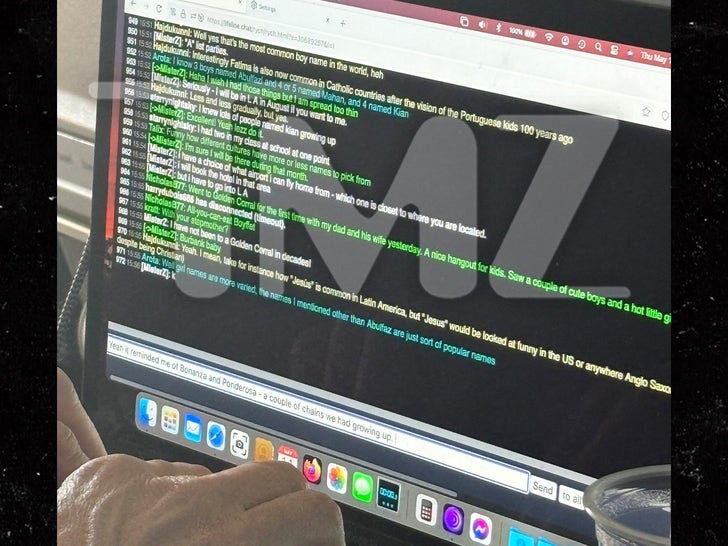
Thornton’s defense hinges on the claim that he was inadvertently directed to a different, problematic chatroom. His lawyer stated that he received a link to "lifeline.chat" from an acquaintance he met through his suicide prevention group. This website, lifeline.chat, is described by his attorney as a forum "for people with pedophilic thoughts." Thornton claims that he exited this chatroom as soon as he realized its true nature and purpose.
However, this claim is complicated by information regarding the duration of his presence in the chatroom. While Thornton asserts a swift departure, timestamps associated with the observed activity reportedly indicate that he was present in the room for at least 57 minutes. This discrepancy raises questions about the immediacy of his realization and departure, a point that is likely to be a focus of any further inquiry.
Attorney Hart emphatically stated that "lifeline.chat" itself is "not unlawful," and critically, that "there is no unlawful child pornography or other pedophilic content" on the site. She further asserted that her client "never viewed, downloaded or consumed any child pornography whether on that commercial flight in May or at any other time." This distinction between a forum for thoughts or discussions and one containing illegal content is central to Thornton’s defense. The lawyer reiterated that law enforcement, after speaking with Thornton upon landing, determined that no crime had occurred, concluding her statement by asserting, "In short, my client did nothing wrong."
Legal Context and Implications of Online Chatrooms
The incident involving Jim Thornton highlights the complex legal landscape surrounding online chatrooms and the fine line between protected speech and illegal activity. The allegations, and Thornton’s defense, bring into focus the distinction between platforms that facilitate discussions of "pedophilic thoughts" and those that host or promote unlawful child pornography (CP).
In many jurisdictions, including the United States, merely having or discussing "pedophilic thoughts" is not a crime, provided these thoughts do not manifest into illegal actions or the creation, possession, or distribution of child pornography. Websites or forums that serve as support groups or discussion platforms for individuals grappling with such thoughts, if they strictly adhere to rules prohibiting illegal content and the planning of criminal acts, might operate within legal boundaries, albeit in a highly controversial and ethically fraught space. The existence of such forums is often debated, with arguments ranging from the necessity of safe spaces for individuals to discuss harmful thoughts without acting on them, to concerns about their potential to normalize or facilitate illegal activities.
Conversely, the possession, creation, distribution, or viewing of child pornography is unequivocally illegal and carries severe penalties under both federal and state laws. The reference to "CP" by the passenger in her report immediately raises a red flag, as this acronym is widely understood to refer to child pornography. Thornton’s attorney’s insistence that no unlawful child pornography was viewed or downloaded by her client, and that the specific site is "not unlawful," is therefore a critical component of his defense. Law enforcement’s decision to release Thornton without charges suggests that their initial assessment did not uncover direct evidence of criminal activity, such as the viewing or possession of illegal content.
The legal process involved in such cases typically includes initial questioning, forensic examination of electronic devices (if seized), and thorough investigation of any alleged content. The absence of an arrest or charges, as stated by Thornton’s lawyer, indicates that the authorities, at least in the immediate aftermath, found insufficient evidence to proceed with criminal prosecution. This does not necessarily absolve an individual of professional or ethical scrutiny, but it underscores the legal requirement for concrete evidence of a crime.
Public Reaction and Media Scrutiny
The news of Jim Thornton’s suspension and the accompanying allegations have predictably elicited a strong public reaction. As a figure associated with a family-friendly program, any hint of involvement in activities related to pedophilia, even indirectly or inadvertently, garners immediate and intense condemnation. Social media platforms have been ablaze with discussions, expressing shock, anger, and concern. The nature of the allegations ensures that public opinion is highly charged, often without the benefit of a full understanding of the legal nuances or the details of the defense.
Media scrutiny has also been swift and pervasive. Mainstream news outlets and entertainment publications have covered the story extensively, dissecting the passenger’s claims, Thornton’s lawyer’s statements, and the implications for "Wheel of Fortune." The incident serves as a stark reminder of the heightened scrutiny public figures face in the digital age, where personal conduct, even in private settings, can quickly become public knowledge and lead to significant professional repercussions.
The "cancel culture" phenomenon, where public figures face severe social and professional backlash for perceived transgressions, often plays a role in such controversies. While the legal process is distinct, the court of public opinion can be swift and unforgiving. For individuals in the public eye, managing such a crisis involves not only navigating legal challenges but also contending with significant reputational damage that can persist long after any official investigations conclude.
Corporate Response and Future Implications
Sony Pictures Television, the production company behind "Wheel of Fortune," has maintained a relatively reserved stance, with the primary public action being Thornton’s suspension. A suspension is a standard corporate response in situations involving serious allegations against an employee, particularly one with a prominent public role. It allows the company to distance itself from the controversy while an internal or external investigation can be conducted, protecting the brand’s image and assessing the situation without immediate judgment.
The implications for "Wheel of Fortune" and its parent company are significant. The show prides itself on its wholesome, family-oriented image. Any association, however indirect, with such disturbing allegations can be detrimental to its brand. The company will need to carefully consider the ongoing legal and public relations aspects of the situation as it determines Thornton’s future with the program.

The duration and terms of Thornton’s suspension have not been publicly disclosed, which is typical for ongoing personnel matters. The ultimate decision regarding his employment will likely hinge on the outcome of any further investigations, both by law enforcement and potentially by Sony Pictures Television itself, as well as the company’s assessment of the reputational risk. Even if Thornton is definitively cleared of all legal wrongdoing, the public perception and potential impact on viewership could influence corporate decisions.
This incident also underscores the broader challenges faced by employers in navigating employee conduct outside of the workplace, especially when it becomes public and involves highly sensitive issues. Companies often have "morality clauses" or codes of conduct that employees, particularly public-facing ones, are expected to uphold. The balance between an individual’s private life and their professional responsibilities becomes critically important in such high-stakes scenarios.
Lessons in Online Vigilance and Reporting Suspicious Activity
The passenger’s actions on the American Airlines flight serve as a crucial example of online vigilance and the importance of reporting suspicious activity. In an era where digital interactions are pervasive, the risk of encountering illicit content or activity online is ever-present. The decision to observe, document, and report what appeared to be a serious offense demonstrates a responsible approach to digital citizenship.
Airlines and law enforcement agencies increasingly train their personnel and encourage passengers to report any unusual or potentially illegal activities observed during travel. The quick notification by the passenger to the flight attendant, and the subsequent action by the captain to alert ground authorities, highlights the established protocols designed to address such situations effectively. This coordinated response ensures that potential threats or crimes are immediately brought to the attention of those equipped to investigate.
The incident also brings to light the complexities of investigating online activity. While the passenger’s observations and photographic evidence were crucial, determining the full context and legality of online interactions often requires sophisticated forensic analysis of devices and network data. Law enforcement’s ability to act on such reports, especially in a contained environment like an aircraft, depends heavily on the clarity of the observations and the immediate availability of evidence.
Ultimately, the case of Jim Thornton remains a developing story, with significant questions still lingering about the exact nature of his online activity and its implications. The clash between public perception, legal defense, and corporate responsibility will continue to unfold, providing a poignant case study in the challenges of celebrity, digital conduct, and accountability in the modern age.



 Lina Irawan
 Jia Lissa
 Yuyun Lusiyani
 Pevita Pearce
 Eva Lovia