
 admin
admin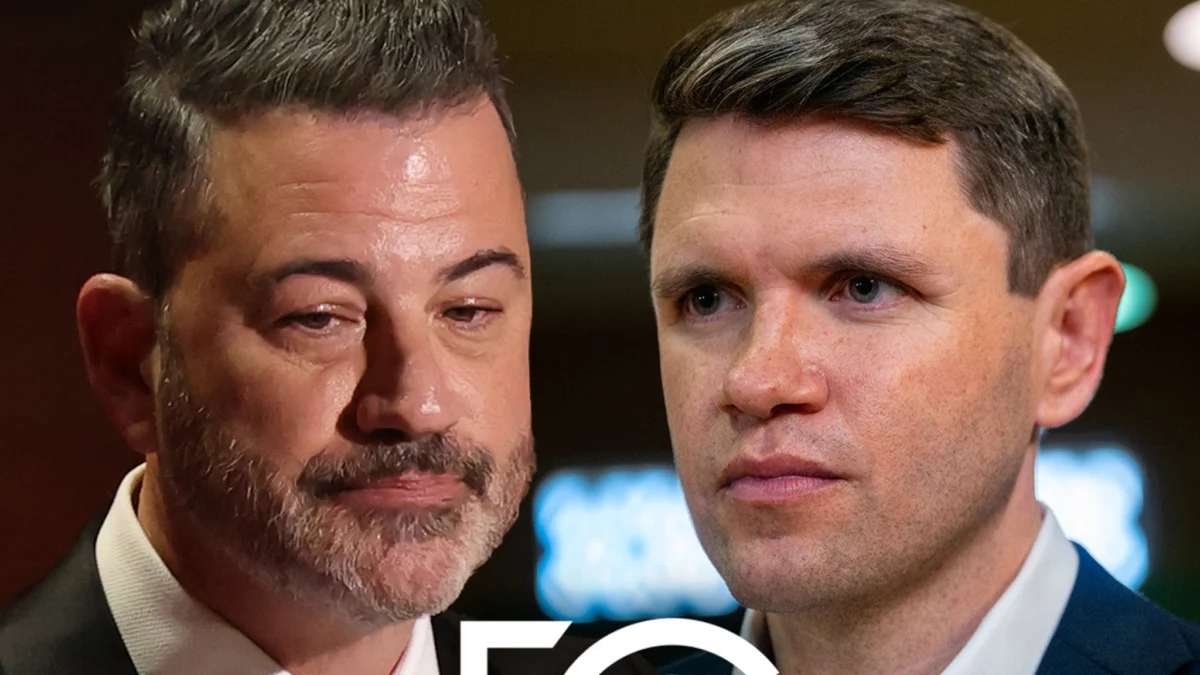
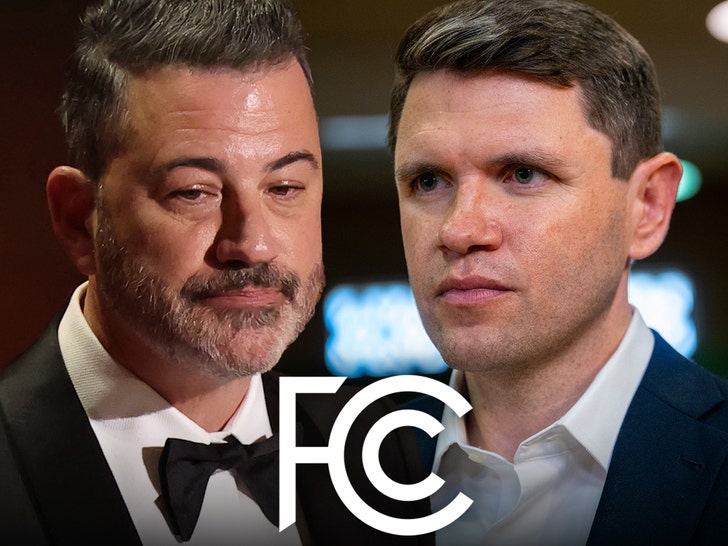
Late-night host Jimmy Kimmel has ignited a firestorm of controversy, publicly accusing President Donald Trump of leveraging the Federal Communications Commission (FCC) to prevent a scheduled television interview with Texas Senate candidate James Talarico from airing. The explosive claim, made during Kimmel’s Wednesday monologue, points to an alleged pattern of presidential interference in broadcast media and raises significant questions about journalistic independence and regulatory pressures in the lead-up to the 2026 midterm elections. The interview, intended for Thursday’s broadcast of "Jimmy Kimmel Live!," was ultimately relegated to a YouTube-only release, a move Kimmel attributed directly to threats from the Trump administration.
The Allegation and Its Immediate Fallout
During his monologue on Wednesday, September 9, 2026, Kimmel recounted the abrupt cancellation of his planned interview with James Talarico, a Democratic candidate vying for a pivotal Senate seat in Texas. Kimmel stated unequivocally that the decision to pull the segment from broadcast television was a direct result of alleged pressure exerted by President Trump, specifically through the FCC. According to Kimmel, network executives at ABC were informed of potential regulatory repercussions should the interview proceed as scheduled.
"I was supposed to interview James Talarico – a Democrat running for a Senate seat in Texas – on my Thursday broadcast," Kimmel informed his audience, his tone a mix of frustration and defiance. "But it won’t air on TV because of alleged threats from Trump’s FCC." The comedian, known for his sharp political commentary, did not elaborate on the specific nature of these alleged threats or the precise regulatory mechanisms cited. However, the implication was clear: the White House, through a federal agency, was attempting to dictate content on a major broadcast network.
The immediate consequence of this alleged pressure was a strategic shift: the Talarico interview, while barred from ABC’s linear television schedule, was made available exclusively on the "Jimmy Kimmel Live!" YouTube channel. This digital pivot, while preserving the conversation for public consumption, underscored the unprecedented nature of the alleged interference and highlighted the evolving landscape of media distribution in the face of perceived censorship. The incident quickly became a talking point across social media and news outlets, drawing immediate comparisons to past instances of political figures attempting to influence media narratives.
A History of Antagonism: Kimmel, Trump, and Late-Night Politics
The alleged squashing of the Talarico interview is not an isolated incident but rather the latest chapter in a long-standing, often acrimonious, feud between Jimmy Kimmel and Donald Trump. Their relationship, initially characterized by cordial, if sometimes pointed, interactions, has devolved into open hostility, particularly since Trump’s entry into presidential politics.
Kimmel highlighted this historical context during his monologue, noting his extensive track record of interviewing political figures from across the spectrum. "For the 20-plus years I’ve been doing my show," he remarked, "I have interviewed many politicians, including Hillary Clinton and Trump, with no problem at all." He specifically recalled interviewing Trump in 2015 during his first presidential campaign, emphasizing that Trump then had "no problem with the idea of talk show hosts interviewing candidates." In fact, Kimmel suggested, Trump was "even eager to come back to the show before he was tapped as the 2016 Republican nominee." This stark contrast between Trump’s past receptiveness and his current alleged actions served as a central pillar of Kimmel’s critique.
The dynamic between the two men shifted dramatically following Trump’s election and subsequent presidency. Kimmel, like many late-night hosts, became increasingly critical of the Trump administration, often using his platform for satirical commentary and direct challenges to the President’s policies and rhetoric. This criticism intensified after Trump’s return to the presidency. Kimmel claimed that since Trump’s second inauguration, the President has "threatened him, his show, and ABC over ‘simple editorial decisions’ and guest bookings."
A particularly salient point in their contentious history occurred in 2025. Kimmel was briefly suspended by ABC after making controversial remarks related to the assassination of right-wing activist Charlie Kirk. Upon Kimmel’s return to the air, Trump publicly "blasted ABC" for reinstating him, demonstrating his persistent scrutiny and willingness to openly criticize the network’s programming decisions. This prior incident established a precedent for Trump’s direct engagement with ABC’s management and his expressed disapproval of Kimmel’s continued presence on air, laying the groundwork for the current allegations of FCC interference. The ongoing personal animosity has undoubtedly colored the broader interactions between the White House and the network, transforming routine editorial decisions into potential political battlegrounds.
The FCC’s Role and Regulatory Scrutiny
At the heart of Kimmel’s accusation lies the Federal Communications Commission (FCC), an independent agency of the United States government responsible for regulating interstate and international communications by radio, television, wire, satellite, and cable. Established by the Communications Act of 1934, the FCC’s primary mandate is to ensure that communications services are available to all Americans "without discrimination on the basis of race, color, religion, national origin, or sex." It oversees various aspects of broadcast media, including licensing, technical standards, and content regulations, although its authority over content has historically been limited, particularly concerning political speech.
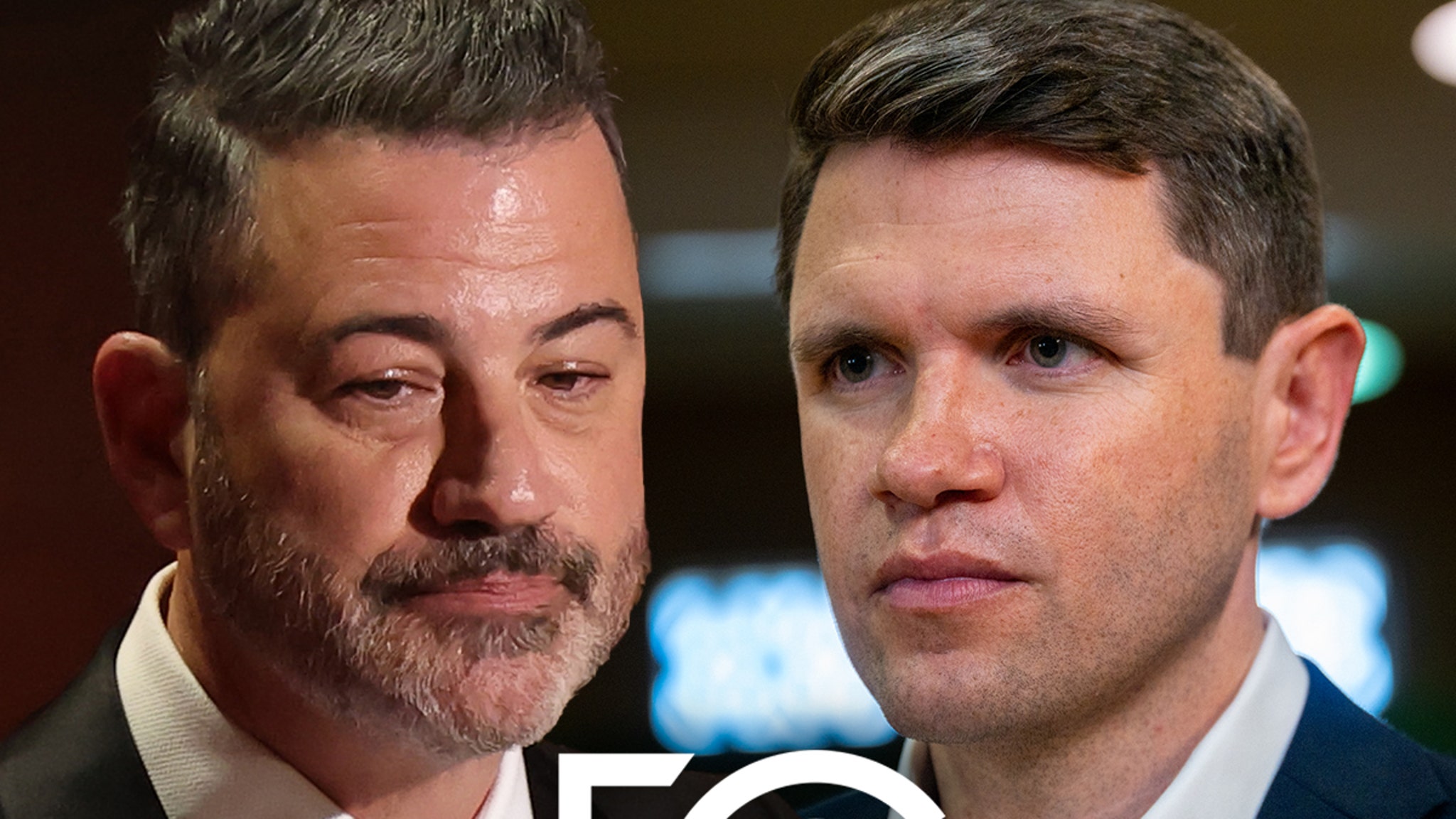
One of the most frequently cited regulations in the context of political broadcasting is the "equal time rule" (Section 315 of the Communications Act). This rule generally requires broadcasters to provide equivalent opportunities for all legally qualified political candidates seeking the same office if they allow one candidate to use their station. However, the equal time rule has specific exemptions, notably for bona fide news interviews, news documentaries, on-the-spot news coverage, and regularly scheduled news programs. Late-night talk shows, while featuring interviews, often operate in a grey area, but direct candidate interviews are typically considered "news events" or "bona fide news interviews" that fall under these exemptions, thus not triggering equal time obligations for every other candidate.
Historically, the FCC has maintained a degree of independence from direct presidential influence, operating as a quasi-judicial regulatory body. However, presidential appointments to the commission can significantly shift its ideological leanings and enforcement priorities. Allegations of political pressure on the FCC are not entirely new, with various administrations facing scrutiny over their perceived attempts to influence media content or regulatory decisions. In recent years, concerns have mounted about the increasing politicization of independent agencies, with critics arguing that such bodies are being weaponized to serve partisan agendas rather than upholding their non-partisan mandates.
The specific nature of the alleged "threats" against ABC remains unclear. Without explicit details from Kimmel or ABC, speculation centers on whether these threats invoked obscure regulations, implied a broader review of ABC’s broadcast license, or simply leveraged the intimidating power of a presidential administration to instill caution. The Communications Act grants the FCC powers ranging from issuing fines to revoking broadcast licenses, though license revocation is an extreme measure typically reserved for egregious and repeated violations. The mere suggestion of FCC scrutiny, however, can be sufficient to induce self-censorship within risk-averse media organizations, particularly those holding valuable broadcast licenses. This incident, therefore, thrusts the FCC into the spotlight, challenging its perceived independence and raising questions about its vulnerability to executive branch pressure.
James Talarico: The Politician at the Center
At the nexus of this media controversy is James Talarico, a Democratic rising star seeking to represent Texas in the U.S. Senate. Talarico, known for his progressive stance and energetic campaign, currently serves in the Texas House of Representatives. His candidacy in the 2026 midterm elections is particularly significant, as Texas remains a crucial battleground state, and a Senate seat victory for Democrats would have profound implications for the balance of power in Washington.
Talarico’s campaign has focused on issues such as healthcare access, education reform, and climate change, resonating with a younger, more diverse electorate. His potential appearance on "Jimmy Kimmel Live!" would have provided a national platform, reaching millions of viewers beyond Texas and offering a significant boost to his visibility and fundraising efforts. Late-night television interviews have become an increasingly important venue for political candidates to connect with voters in a less formal, more personality-driven setting, often allowing them to showcase their charisma and policy positions in a way that traditional news interviews might not.
The alleged cancellation of the broadcast interview, therefore, represents a tangible setback for Talarico’s campaign in terms of national exposure. While the YouTube release offers an alternative, the reach and immediate impact of prime-time network television remain unparalleled, especially among demographics that may not actively seek out political content online. The incident, however, has also generated an unforeseen wave of publicity for Talarico, turning him into a symbol of perceived political censorship and potentially galvanizing support among voters concerned about media freedom and governmental overreach. His campaign has yet to issue a formal statement directly addressing Kimmel’s claims, but the additional media attention, regardless of its origin, is undeniably a double-edged sword for a candidate striving to break through a crowded political landscape.
Network Response and Media Landscape
The response from ABC and its parent company, Disney, has been largely characterized by silence, a common approach for media conglomerates facing sensitive political pressure. While Kimmel explicitly stated that his bosses were swayed by the alleged FCC threats, neither ABC nor Disney has issued an official statement confirming or denying the specific claims of governmental interference. This silence, while strategically cautious, also raises concerns among media watchdogs about the chilling effect such pressures might have on other broadcasters and their willingness to host dissenting voices or critical political interviews.
The decision to move the interview to YouTube rather than cancel it entirely reflects a calculated compromise. It allows "Jimmy Kimmel Live!" to circumvent direct broadcast restrictions while still providing a platform for Talarico, albeit one with a different reach and immediate impact. This incident underscores the growing importance of digital platforms as alternative distribution channels for content that might face censorship or restrictions on traditional media. For many, YouTube, podcasts, and other online venues represent a bastion of free expression, unencumbered by the same regulatory frameworks and political pressures that govern traditional television and radio.
However, relying solely on digital platforms for politically sensitive content also presents challenges. While online content can go viral, it lacks the guaranteed mass audience of a network broadcast. Furthermore, the digital space itself is not immune to forms of pressure, albeit often from different sources (e.g., platform policies, advertiser pressure, or coordinated disinformation campaigns). This incident serves as a stark reminder of the power dynamics at play in the contemporary media landscape, where content creators and broadcasters must navigate a complex web of governmental oversight, corporate interests, and audience expectations. The willingness of a major network to seemingly buckle under alleged external pressure from the White House, regardless of the precise legal justification, sends a concerning signal about the fragility of editorial independence in the face of powerful political actors.
Broader Implications: Free Speech and Regulatory Pressure
The allegations made by Jimmy Kimmel carry significant broader implications for fundamental principles of free speech, journalistic independence, and the integrity of regulatory bodies in the United States. If proven true, President Trump’s alleged actions represent a direct attempt to interfere with the editorial decisions of a private media organization, using the power of a federal agency to silence a political voice. This raises serious questions about the separation of powers and the potential for executive overreach to stifle open political discourse.
The incident could have a chilling effect across the broadcast industry. Networks and producers, fearing regulatory retribution, might become more hesitant to book guests or produce content that is perceived as critical of the administration or supportive of its political opponents. Such self-censorship, driven by fear rather than journalistic principles, undermines the media’s crucial role in informing the public and facilitating robust democratic debate. In a highly polarized political environment, the ability of citizens to access diverse perspectives through traditional media channels is more vital than ever.
Moreover, the alleged weaponization of the FCC for political purposes erodes public trust in regulatory institutions. The FCC is mandated to serve the public interest, not the political interests of any particular administration. If the public perceives the agency as a tool for political suppression, its legitimacy and effectiveness in its broader regulatory functions could be severely compromised. This concern is particularly acute given the historical importance of the FCC in upholding standards of fairness and access in broadcasting.
The incident also highlights the evolving role of late-night television in political discourse. Once primarily entertainment-focused, these shows have increasingly become platforms for serious political commentary and candidate engagement. The attempt to influence such programming underscores the administration’s recognition of their impact and its desire to control narratives, even within what might traditionally be considered entertainment.
Looking ahead, this event could set a precedent for future interactions between political power and media organizations. It reinforces the notion that in an era of heightened political tension, even seemingly routine media bookings can become flashpoints. Media watchdog groups and civil liberties organizations are likely to scrutinize the situation closely, demanding transparency from both the FCC and ABC. The ongoing saga between Kimmel and Trump, now escalating to include allegations of direct governmental interference, represents a critical test for the boundaries of free press and governmental authority in a democratic society.
Reactions and Future Outlook
While immediate official reactions beyond Kimmel’s monologue have been limited, the incident has already sparked a torrent of commentary from political analysts, media experts, and the public. Critics of the Trump administration are likely to seize upon these allegations as further evidence of an authoritarian tendency to control information and suppress dissent. Supporters, conversely, may dismiss Kimmel’s claims as partisan rhetoric or argue that the FCC was merely upholding existing regulations, albeit without specifying which ones.
Media freedom organizations are expected to issue statements condemning any attempts at governmental interference in editorial decisions. Organizations like the Committee to Protect Journalists and the Reporters Committee for Freedom of the Press will undoubtedly emphasize the importance of an independent press free from political intimidation.
For James Talarico, the controversy, while perhaps limiting his immediate television reach, has amplified his national profile. The narrative of a candidate being "silenced" by the administration could resonate powerfully with voters who are wary of governmental overreach and value freedom of expression. This unexpected boost in visibility, however, comes with the caveat that the focus has shifted from his policy positions to the circumstances surrounding his interview.
The future outlook for broadcast media in the face of such alleged pressures remains uncertain. This incident could embolden other networks to resist similar overtures, or it could lead to increased caution and self-censorship. The shift towards digital platforms as a refuge for content deemed too controversial for traditional broadcast will likely continue, further fragmenting the media landscape and challenging the long-held dominance of network television. As the 2026 election cycle intensifies, the dynamic between political power and media independence will undoubtedly remain a central and contentious issue, with the Jimmy Kimmel-James Talarico incident serving as a stark illustration of the ongoing battle for control over public discourse.




 Yuyun Lusiyani
 Joko Widodo
 Jia Lissa
 Pevita Pearce

