
 admin
admin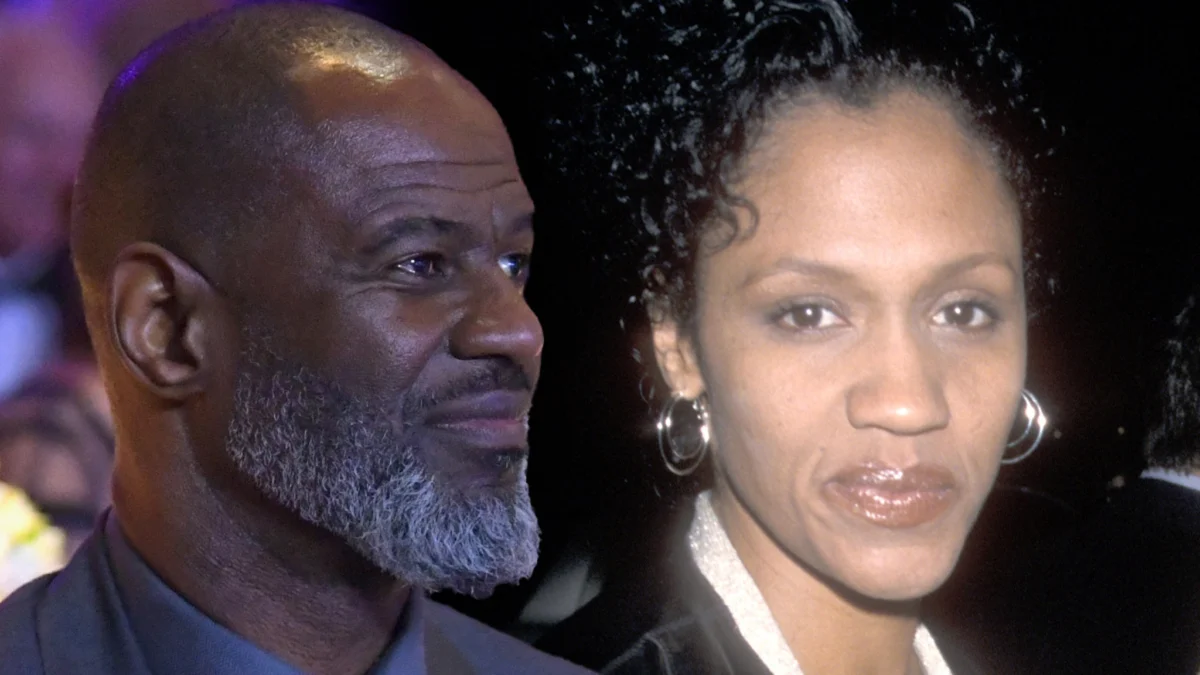
In a significant development within the ongoing legal battle surrounding Grammy-nominated R&B singer Brian McKnight, his ex-wife, Julie McKnight, has filed a robust response to his defamation lawsuit, asserting that his public image was already significantly tarnished by his own actions long before her alleged statements. This legal maneuver, filed earlier this month, not only seeks to dismiss McKnight’s claims but also includes a countersuit against the artist for allegedly breaching a confidentiality agreement stemming from their 2014 divorce settlement. The unfolding drama casts a stark light on the complexities of family disputes, public perception, and the intricate landscape of defamation law within the celebrity sphere.
The Genesis of the Dispute: McKnight’s Defamation Claim
The current legal imbroglio began in April 2026 when Brian McKnight initiated a lawsuit against Julie McKnight, one of his sons, Brian Jr., and several unnamed bloggers. McKnight’s legal filing contended that he was the victim of a "shockingly dishonest" and "sensational but false narrative" that had been meticulously crafted and disseminated across various platforms. Central to this narrative, according to McKnight, were grave allegations that he had abandoned his biological children and, more poignantly, refused to express love or provide support to his son Niko during a terminal illness. The singer maintained that these accusations were baseless fabrications designed to damage his professional standing and personal reputation, seeking legal redress for the perceived harm. He argued that these claims painted him as an uncaring and irresponsible father, a portrayal he vehemently denied.
Julie McKnight’s Defense: Reputational Damage as a Shield
In her comprehensive legal response, Julie McKnight has presented a series of affirmative defenses, with the cornerstone being the argument of "pre-existing self-inflicted reputational damage." This defense posits that Brian McKnight’s public image concerning his paternal relationships was already severely compromised through his own public statements and actions, long predating any comments she may have made. Consequently, she argues that her remarks, even if they were to be considered critical, could not have caused any further, actionable damage to a reputation that was, in her view, already in disrepute regarding his role as a father.
This legal strategy is rooted in the principle that for a defamation claim to succeed, the plaintiff must demonstrate that the defendant’s statements directly caused harm to their reputation. If the plaintiff’s reputation is already significantly damaged in the specific area being discussed, it becomes challenging to prove that the defendant’s statements were the direct cause of new, substantial harm. Julie McKnight’s defense intends to leverage this aspect of defamation law, asserting that McKnight himself laid the groundwork for public skepticism regarding his familial relationships.
A History of Public Discord: Prior Incidents and Allegations
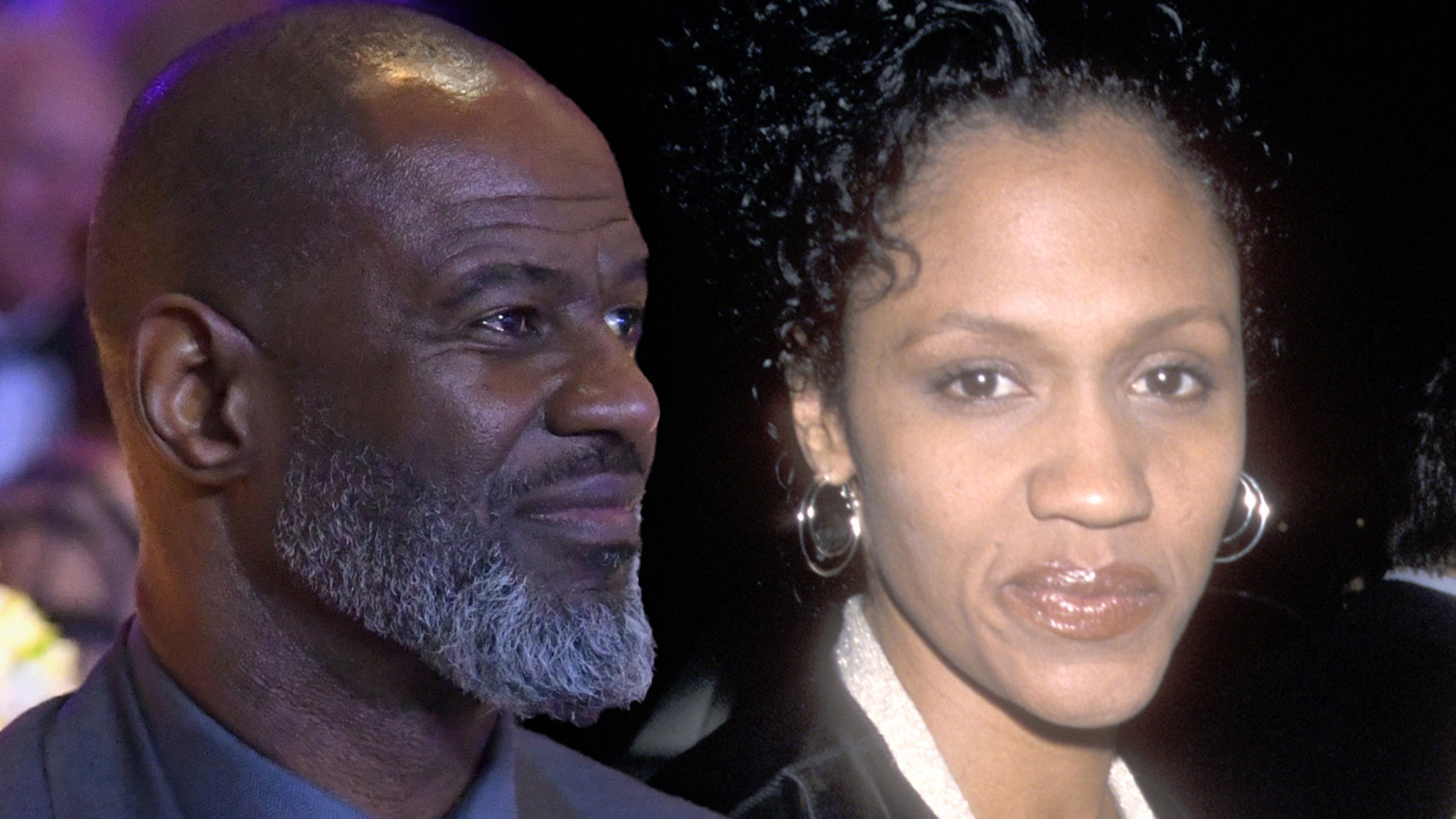
To substantiate her claim of pre-existing reputational damage, Julie McKnight’s filing references specific instances and public statements attributed to Brian McKnight. Notably, she points to comments allegedly made by the singer in 2023, where he reportedly referred to his biological children as "products of sin" and even "evil." These alleged statements, if proven in court, would indeed suggest a strained relationship and a public acknowledgment of discord from McKnight himself. Such terminology, particularly when applied to one’s own offspring, is widely perceived as controversial and could reasonably contribute to a negative public perception of a parent’s character and commitment.
Furthermore, Julie McKnight’s defense highlights an alleged defamation action filed against Brian McKnight by his daughter in 2020. While the specifics of that prior lawsuit are not detailed in the current filing, its existence, if confirmed, would serve as additional evidence of long-standing and public familial strife. A pattern of such legal disputes within a family, particularly those involving allegations of defamation, could contribute significantly to a public narrative of troubled relationships, thereby bolstering the argument that McKnight’s reputation as a father was already compromised. The filing implies that these events created a widespread public awareness of the fractured relationship between McKnight and his children, making it difficult for Julie’s subsequent comments to inflict novel damage.
The Confidentiality Agreement: A Counter-Claim
Beyond her defense against the defamation suit, Julie McKnight has escalated the legal confrontation by filing a countersuit against Brian McKnight. Her countersuit alleges that McKnight himself has violated a confidentiality agreement that was a key component of their 2014 marriage settlement. Divorce agreements often include clauses designed to protect the privacy of both parties, particularly concerning financial matters, personal lives, and the upbringing of children, to prevent future disputes and maintain a semblance of decorum post-separation.
While the specifics of how Brian McKnight allegedly breached this agreement are not yet publicly detailed, such a countersuit introduces another layer of complexity to the legal proceedings. If Julie McKnight can successfully demonstrate a breach of the confidentiality agreement, it could result in financial penalties or other legal remedies against Brian McKnight, further entangling the former couple in protracted litigation. This move signals Julie McKnight’s intent to not only defend herself but also to actively pursue claims against her ex-husband, suggesting a deep-seated dispute that extends beyond the current defamation allegations.
Legal Framework: Defamation and Prior Reputation
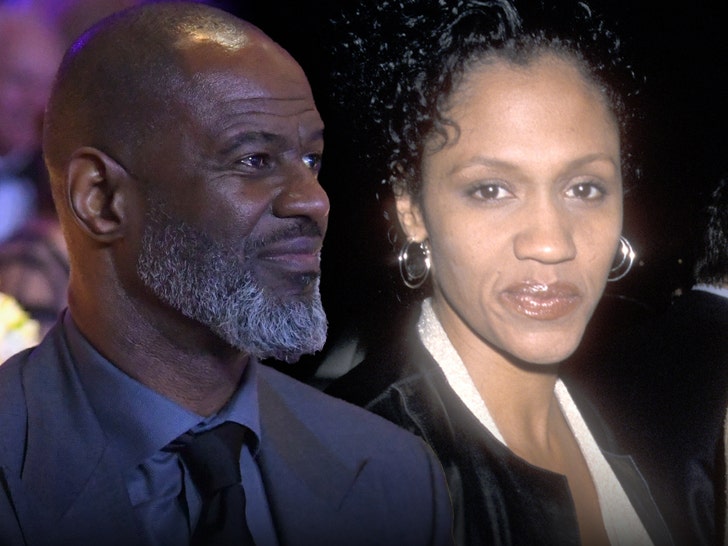
In legal terms, defamation requires the plaintiff to prove several key elements: (1) a false statement of fact was made about them, (2) the statement was published to a third party, (3) the defendant acted with a certain degree of fault (negligence or actual malice, depending on the plaintiff’s status), and (4) the statement caused damage to the plaintiff’s reputation. Julie McKnight’s defense directly challenges the fourth element, arguing that any reputational damage was not caused by her statements but rather pre-existed due to Brian McKnight’s own conduct and public pronouncements.
Courts often consider a plaintiff’s prior reputation when evaluating defamation claims. If a person’s reputation is already widely known to be poor in a particular area, it becomes harder for them to prove that a new, specific statement caused additional or different damage. This is sometimes referred to as the "libel-proof plaintiff" doctrine, though it’s typically applied in extreme cases where a person’s reputation is so utterly bad that no false statement could possibly make it worse. Julie McKnight’s defense, while not necessarily arguing for a "libel-proof" status, is certainly leaning into the idea that Brian McKnight’s public image as a father was already significantly compromised by his own accord, thus weakening his claim that her statements caused the damage.
The Broader Context: Family Dynamics in the Public Eye
This ongoing legal battle is more than just a dispute between former spouses; it is a public airing of deeply personal family dynamics, amplified by the celebrity status of Brian McKnight. The accusations and counter-accusations highlight the immense pressure and scrutiny faced by public figures when their private lives become subjects of public discourse and legal contention. The very nature of the dispute—allegations of abandonment, refusal to acknowledge a dying child, and public disparagement of offspring—touches upon highly sensitive and emotionally charged aspects of human relationships.
For Brian McKnight, who has built a career on romantic ballads and a smooth public persona, these allegations, regardless of their veracity, pose a significant challenge to his carefully cultivated image. The public’s perception of artists is often intertwined with their perceived moral character, and disputes involving family, particularly children, can be especially damaging. Conversely, Julie McKnight and Brian Jr. are also drawn into the harsh glare of public and legal scrutiny, facing the potential consequences of a high-profile legal battle.
Implications for All Parties
The outcome of this lawsuit carries substantial implications for all involved. For Brian McKnight, a successful defense by his ex-wife, or a favorable ruling on her countersuit, could not only diminish his legal claims but also further entrench a negative public narrative surrounding his family life. It could also lead to financial liabilities if he is found to have breached the confidentiality agreement.
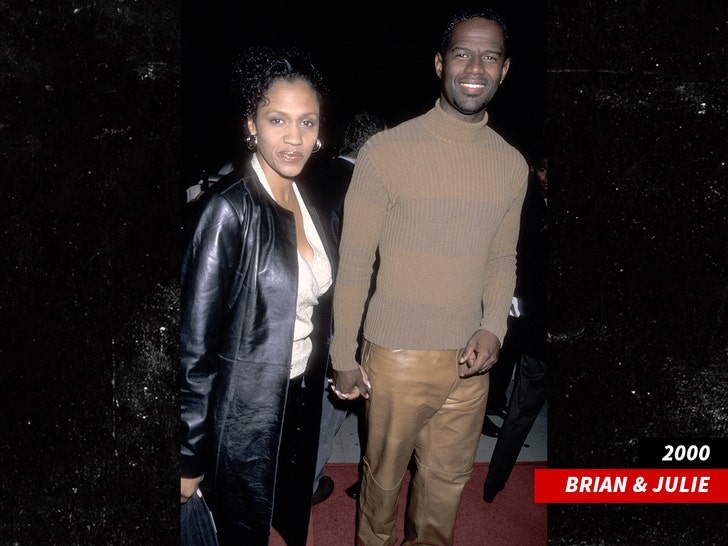
For Julie McKnight, a successful defense would validate her claims about his prior conduct and shield her from defamation liability. A victory in her countersuit could also provide her with financial compensation or other remedies. However, engaging in such high-stakes litigation is inherently costly, emotionally taxing, and publicly exposes deeply personal matters.
For the children involved, including Brian Jr. and the late Niko, the public nature of these disputes means their personal histories and family tragedies become fodder for legal arguments and media attention, undoubtedly adding to their distress.
What’s Next in the Proceedings
As of September 2026, the legal proceedings are in their early stages, with Julie McKnight’s response and countersuit marking a critical turn. The court will now likely move through discovery phases, where both sides will exchange evidence, conduct depositions, and gather information to support their respective claims and defenses. This could involve subpoenaing past interviews, social media posts, and documents related to the 2014 divorce settlement and the alleged 2020 defamation suit by his daughter.
Following discovery, there may be attempts at mediation or settlement discussions, given the sensitive nature of the case and the public figures involved. If no settlement is reached, the case would eventually proceed to trial, where a judge or jury would weigh the evidence and arguments presented by both Brian and Julie McKnight. The resolution of this complex legal and familial dispute is anticipated to be a protracted process, with each step meticulously watched by those interested in the intersections of celebrity, family, and the law.




 Yuyun Lusiyani
 Joko Widodo
 Jia Lissa
 Pevita Pearce

