
 Jia Lissa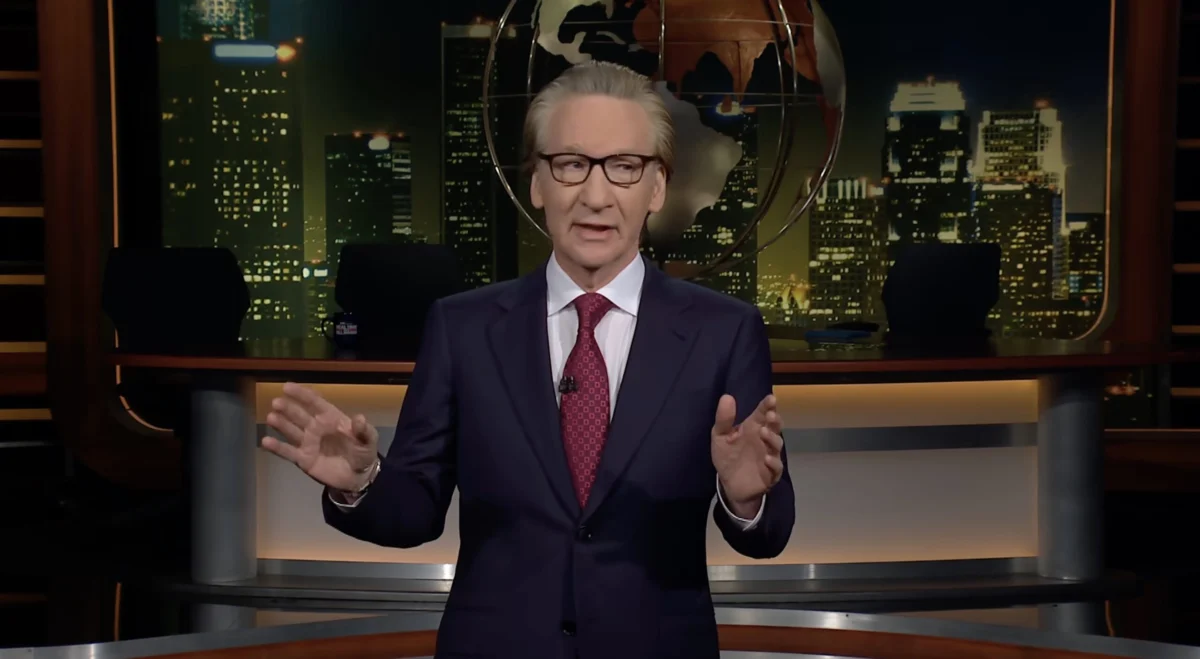
In a moment that has ignited a firestorm of political debate and media scrutiny, former President Donald Trump concluded a controversial appearance at the Republican midterm convention in Dallas by leading his supporters in a pledge that many observers have described as unprecedented in American political history. The event, which took place as the nation approaches the 2026 midterm elections, reached a crescendo when Trump requested the audience raise their right hands and repeat a vow to "cheat like hell" to ensure a Republican victory. The rhetoric has prompted sharp rebukes from across the political spectrum and left seasoned political commentators, including HBO’s Bill Maher, questioning the current state of the American democratic process.
The Dallas Convention and the Controversial Vow
The Republican midterm convention, held in Dallas, Texas, was intended to serve as a rallying point for a party seeking to reclaim legislative majorities. However, the three-day event was frequently overshadowed by logistical challenges and the former president’s unorthodox rhetoric. On the second night of the convention, Trump took the stage following a day of speeches that had already been criticized for their aggressive tone.
Despite promising to be "brief" following a lengthy address the previous evening, Trump engaged in a sustained monologue that culminated in the now-viral pledge. Standing before a crowd of several thousand supporters, Trump instructed the venue to raise their hands in a gesture reminiscent of a formal oath of office or a military swearing-in. The text of the pledge, which Trump delivered line-by-line for the audience to repeat, explicitly mentioned bypassing standard voter registration protocols and "cheating" to match what he claimed were the tactics of his political opponents.
The specific language used—"I’m going to try and cheat like hell like they do"—has been interpreted by critics as a direct assault on the integrity of the electoral system. While supporters argued the comments were hyperbolic or intended to be metaphorical, the visual of a packed arena taking such a vow has generated significant concern among election integrity advocates and constitutional scholars.
Bill Maher’s Reaction and the Satirical Breaking Point
The incident served as the centerpiece for the opening monologue of Real Time with Bill Maher on HBO. Maher, who has spent decades satirizing the American political landscape, appeared uncharacteristically somber when addressing the Dallas convention. Reading the pledge verbatim from a notecard, Maher expressed a sense of exhaustion with the escalating absurdity of the political cycle.
"This really happened this week in America, which used to be a real country," Maher remarked to his audience. He highlighted the "cult-like" nature of the pledge, noting that the former president’s demand for personal loyalty—rather than loyalty to the Constitution or the country—marked a significant departure from traditional political norms. Maher’s conclusion, "I got nothing anymore," suggested that the reality of the political climate had begun to outpace the capacity for satire.
Maher’s commentary reflects a broader sentiment among media analysts who argue that the normalization of such rhetoric poses a challenge to traditional political discourse. By reading the pledge "word for word," Maher sought to emphasize that the event was not a fabrication of the media but a documented occurrence involving the leader of a major American political party.
Chronology of the Dallas "Trump-a-Palooza"
The convention, colloquially dubbed "Trump-a-palooza" by both critics and some attendees, was marked by a series of unconventional events and organizational mishaps.
- Day One: The Opening Salvo: The convention opened with a marathon speech by Trump that lasted nearly two hours. Attendees reported long lines and significant delays entering the venue. During this initial address, a major podium malfunction occurred, briefly silencing the former president and causing a stir on social media.
- Day Two: The Pledge: Seeking to correct the "rocky start" of the first day, Trump returned to the stage on the second night. It was during this session that he introduced the pledge. Despite Trump’s claims that the arena was "full to capacity," various news outlets and independent observers published photographs showing significant blocks of empty seats in the upper tiers of the Dallas venue.
- Day Three: The Aftermath: The final day of the convention was dominated by the fallout from the "cheat like hell" remarks. While some GOP candidates distanced themselves from the specific wording, others doubled down, framing the pledge as a commitment to "aggressive" poll watching and election legal challenges.
Statistical Context: Approval Ratings and the Midterm Landscape
The rhetoric in Dallas comes at a time when the Republican party faces significant headwinds in the polls. According to recent data, the former president’s approval rating has hit a new low, with support beginning to slip even among his historically loyal base. A "shock poll" released shortly before the convention indicated that independent voters are increasingly wary of the party’s direction, particularly regarding the focus on 2020 election grievances rather than 2026 economic issues.
The 2026 midterm elections are currently 52 days away. Historical trends suggest that the party out of power typically makes gains during midterms; however, current projections show a more volatile environment. Democrats have seized on the "cheat like hell" pledge to frame the upcoming elections as a choice between "stability and chaos."
Internal GOP polling reportedly shows that while the base remains energized by Trump’s presence, moderate suburban voters—crucial for winning battleground districts—are alienated by the "cult-like" imagery of the Dallas convention. The contrast between the former president’s claims of a "full house" and the documented empty seats has further fueled concerns about the party’s ability to project strength and unity heading into the final stretch of the campaign.
Official Responses and Media Analysis
The response from the Democratic National Committee (DNC) was swift. In a formal statement, the DNC characterized the pledge as "a dangerous invitation to lawlessness" and called on Republican leadership to condemn the remarks. "A former president of the United States openly encouraging his followers to ‘cheat like hell’ is a direct threat to our democracy," the statement read.
Within the Republican Party, the reaction was more fragmented. Some staunch allies of the former president defended the remarks as "Trump being Trump," suggesting that the "cheat like hell" comment was a sarcastic reference to perceived Democratic tactics rather than a literal instruction. However, several high-profile Republicans who are up for re-election in swing states have notably avoided commenting on the pledge, focusing instead on inflation and border security in their public appearances.
Media analysts have noted that the Dallas event represents a shift in Trump’s campaign strategy. By shifting from a "Save America" theme to a more explicit "pledge of allegiance" to himself, the former president is consolidating his hold on the party’s infrastructure, even as he faces legal and political challenges.
Broader Implications for Election Integrity
The invitation to "cheat like hell" has raised alarms among non-partisan election watchdogs. Legal experts point out that such rhetoric, even if intended as hyperbole, can have real-world consequences for the safety of election workers and the public’s trust in the voting process.
"The language used at the Dallas convention is not just a matter of political theater," said one constitutional law professor. "When a major political figure tells his followers to ignore registration laws and ‘cheat,’ it creates a permissive environment for actual voter fraud or, more likely, for the harassment of those responsible for maintaining the integrity of the ballot box."
Furthermore, the "cult of personality" surrounding the pledge has been compared by some sociologists to historical movements that prioritized leader loyalty over institutional stability. The visual of thousands of people raising their hands in unison to a personal vow has become a potent symbol for those arguing that the Republican Party has undergone a fundamental transformation.
Conclusion: The Path to the Midterms
As the 52-day countdown to the 2026 midterms begins, the fallout from the Dallas convention continues to ripple through the political landscape. Bill Maher’s admission that he is "stumped" reflects a broader cultural exhaustion with a political cycle that seems to have abandoned traditional boundaries.
The "cheat like hell" pledge will likely remain a central theme in the closing weeks of the campaign. For the GOP, the challenge will be to translate the energy of the Dallas arena into actual votes without further alienating the moderate electorate. For the Democrats, the task is to leverage the controversy as evidence that the opposition is unfit for governance.
Regardless of the electoral outcome, the events in Dallas have marked a new chapter in American political history—one where the line between political rallying and the subversion of democratic norms has become increasingly blurred. The nation now looks toward the midterms to see how these developments will manifest at the ballot box, and whether the "bizarre" pledge will serve as a catalyst for turnout or a cautionary tale for the ages.




 Yuyun Lusiyani
 Joko Widodo
 Eva Lovia
 Pevita Pearce
 admin
admin
 Lina Irawan