
 Eva Lovia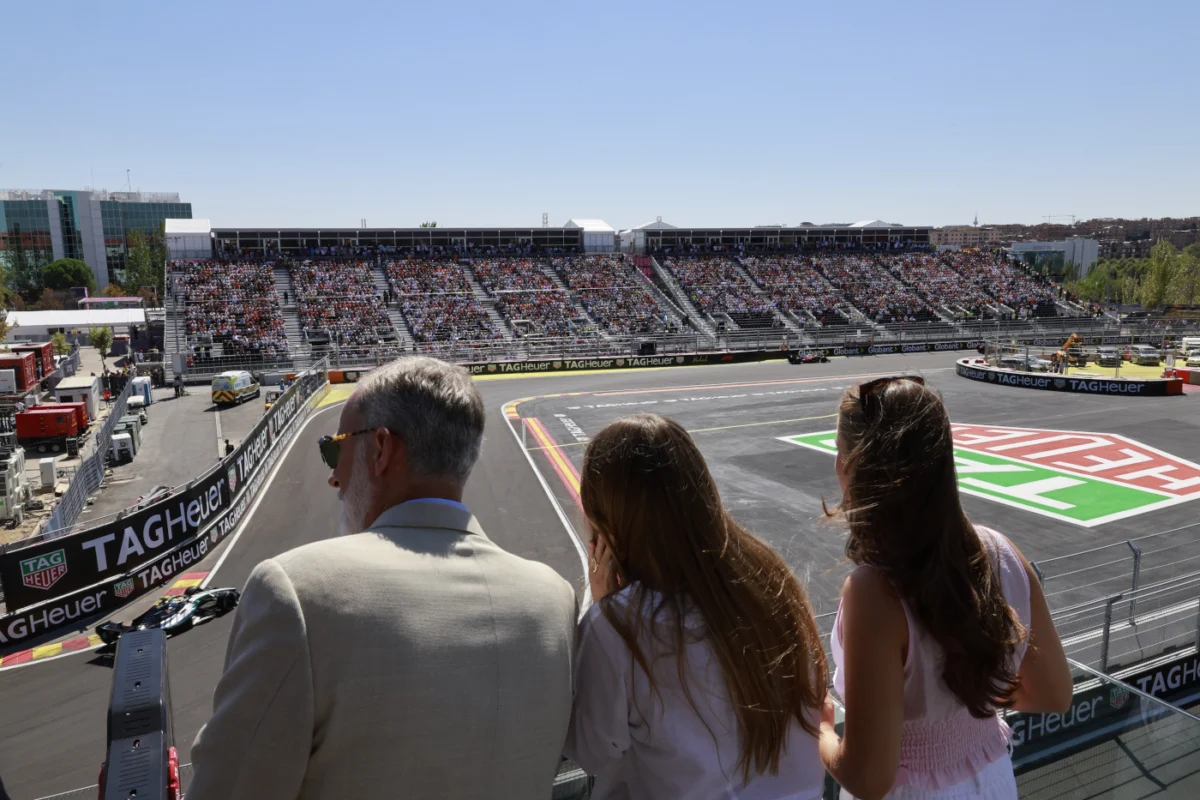
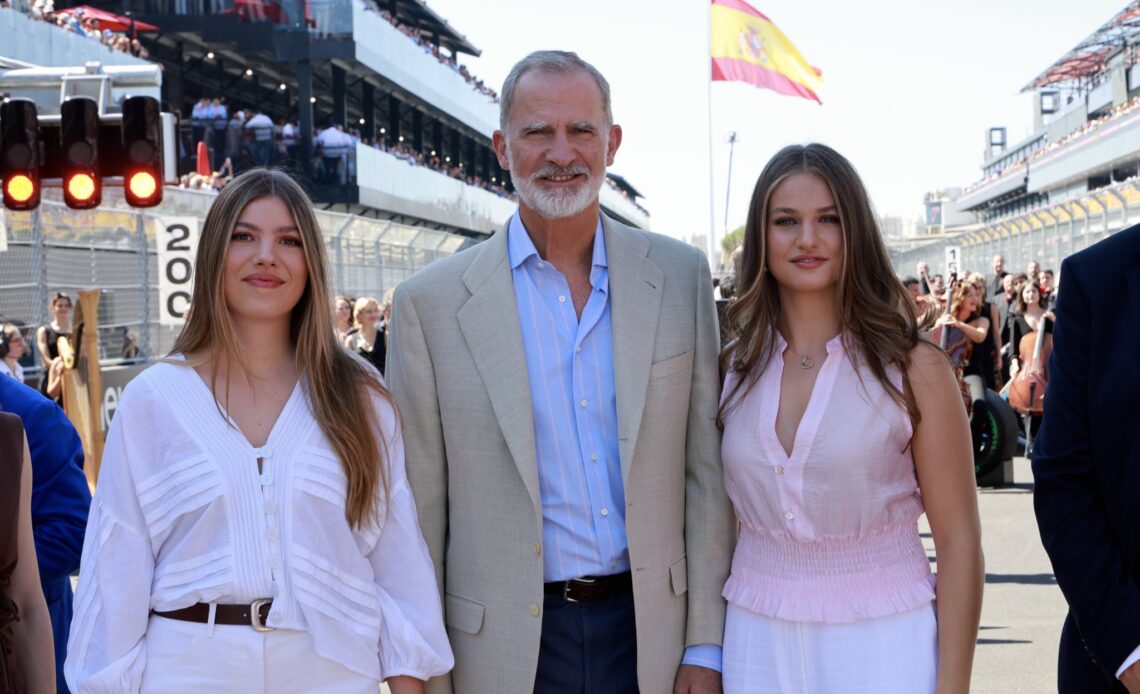
Princess Leonor and Infanta Sofia of Spain, alongside their father King Felipe VI, marked a significant moment in Spanish sporting history by attending the inaugural Spanish Grand Prix at the newly constructed Madring circuit in the nation’s capital. This relocation signifies a major shift for one of Spain’s most prominent international sporting events, which had been a staple at the Circuit de Barcelona-Catalunya since 1991. The return of the Formula 1 Grand Prix to Madrid, after a hiatus dating back to the same year, underscores the capital’s ambition to host world-class events and provides a prominent platform for the young royals to engage with national traditions and international spectacles.
A New Era for Spanish Formula 1
The move of the Spanish Grand Prix from Barcelona to Madrid represents a considerable undertaking, both logistically and symbolically. The Madring circuit, designed as a state-of-the-art street circuit, integrates public roads with specially constructed sections, aiming to offer a unique racing experience and enhanced spectator accessibility. Situated in the northeast of Madrid, adjacent to the IFEMA Exhibition Centre, the venue boasts a capacity to host over 100,000 spectators, indicating its scale and potential to draw significant crowds and tourism revenue to the region.
The anticipation surrounding the first race at Madring was palpable. The circuit’s design, a blend of urban infrastructure and purpose-built racing lines, promised a dynamic spectacle. Street circuits, known for their tight confines and high-speed straights, often lead to unpredictable racing and intense competition. The strategic location within Madrid also offers unparalleled accessibility for a vast segment of the Spanish population, potentially broadening the sport’s appeal.
Royal Presence and Engagement
King Felipe VI, accompanied by his elder daughter, Princess Leonor, the heir to the throne, and her younger sister, Infanta Sofia, demonstrated the Spanish monarchy’s support for this significant sporting event. Their attendance was not merely ceremonial; the young royals actively engaged with the proceedings. While King Felipe VI fulfilled the traditional role of presenting the winner’s trophy, Princess Leonor and Infanta Sofia dedicated a substantial portion of their time to meeting key figures involved in the organization and execution of the Grand Prix.
This engagement provided the princesses with a firsthand understanding of the complex operations behind such a large-scale international event. Their interactions with drivers such as Spanish motorsport stars Fernando Alonso and Carlos Sainz offered a glimpse into the human element of the sport, connecting them with national heroes and international competitors. Following these introductions, the royal family received an in-depth tour of the new circuit, utilizing one of the vehicles integral to the race operations. This immersive experience allowed them to appreciate the intricacies of the track layout and the technological advancements employed in modern motorsport.
The royal procession culminated at the start line, where the playing of the national anthem set a solemn and patriotic tone just moments before the engines roared to life. The King and his daughters then observed the race from a prime VIP vantage point, underscoring the event’s national importance.
Race Dynamics and Driver Feedback
The inaugural race at Madring, ultimately won by Kimi Antonelli, was not without its challenges, particularly concerning the track’s design and its impact on the racing spectacle. Several drivers voiced their concerns post-race, citing difficulties in overtaking due to the circuit’s characteristics. These comments suggest that while the new track offers a visually impressive setting, its configuration may need adjustments to facilitate more dynamic on-track battles, a key element of Formula 1’s appeal.
The perception among some fans was that the race evolved into a procession, lacking the intense competition and strategic duels that define top-tier motorsport. This feedback from both participants and spectators highlights a critical aspect of circuit design: the balance between aesthetics, safety, and the fundamental requirements of competitive racing. The historical context of Formula 1 Grand Prix often involves a period of adaptation for both drivers and circuits, and the Madring track is likely to undergo scrutiny and potential modifications in the coming seasons to address these concerns.
Educational and Personal Milestones for the Princesses
Princess Leonor and Infanta Sofia, both at the cusp of new academic chapters, demonstrated a keen interest in the event, seemingly unfazed by any controversies surrounding the race itself. Princess Leonor has recently commenced her university studies at Carlos III University in Madrid, following the completion of her rigorous military training. This marks a significant step in her preparation for future responsibilities as the head of state.
Infanta Sofia, meanwhile, is pursuing her higher education at a university in Paris, having previously completed a year of study in Lisbon. Both princesses, known for their engagement with various disciplines, including sports, appear to be embracing their individual paths while maintaining a connection to national events and public life. Their presence at the Grand Prix serves as a visible representation of their evolving roles and their commitment to supporting national initiatives.
Broader Implications and Future Prospects
The successful staging of the Spanish Grand Prix in Madrid signifies more than just a sporting event; it represents a strategic investment in the city’s profile as a global destination for major sporting and cultural happenings. The move from Barcelona, a city with a long-standing relationship with Formula 1, raises questions about the future of motorsport venues and the dynamics of hosting such high-profile events.
Economic and Tourism Impact
The Madring circuit’s capacity and modern facilities are poised to generate substantial economic benefits for Madrid. Increased tourism, job creation in hospitality and related sectors, and a boost to the local economy are anticipated outcomes. The event also offers a significant opportunity to showcase Madrid’s infrastructure and its ability to host world-class events, potentially attracting further international investment and major events in the future. The long-term contract for the Spanish Grand Prix in Madrid, reportedly spanning several years, indicates a commitment to establishing the circuit as a permanent fixture on the Formula 1 calendar.
Sporting Legacy and Development
The introduction of a new street circuit into the Formula 1 ecosystem presents a unique challenge and opportunity for the sport. While driver feedback regarding overtaking is a valid concern, the novelty of the Madring circuit could, over time, lead to innovative racing strategies and driver adaptations. Furthermore, the presence of a prominent Grand Prix in the capital could inspire a new generation of Spanish motorsport enthusiasts and aspiring drivers, potentially revitalizing Spain’s presence in the sport. The success of Spanish drivers like Alonso and Sainz has historically fueled national interest, and the Madring event could provide a fresh impetus for this engagement.
The Role of the Monarchy in National Events
The visible support of the Spanish royal family for events like the Grand Prix underscores their role in national unity and the promotion of Spanish culture and achievements on the international stage. By attending and actively participating in such events, the monarchy reinforces its connection with the populace and highlights the importance of these occasions for national pride. Princess Leonor’s growing public profile, coupled with her royal duties, positions her as a key figure in the future of Spain, and her engagement with diverse national events is an integral part of her developmental journey.
Conclusion
The inaugural Spanish Grand Prix at Madrid’s Madring circuit has undeniably been a landmark event, characterized by royal attendance, a significant geographical shift for the race, and critical discussions surrounding track design. As Formula 1 continues its evolution, the Madring circuit faces the challenge of balancing its innovative urban setting with the fundamental demands of competitive racing. The long-term success of the venue will hinge on its ability to adapt, innovate, and deliver the thrilling spectacles that fans expect, while the presence of the Spanish royal family continues to lend a significant air of prestige and national importance to this exciting new chapter in Spanish motorsport.




 Yuyun Lusiyani
 Joko Widodo
 Pevita Pearce
 admin
admin
 Lina Irawan