
 admin
admin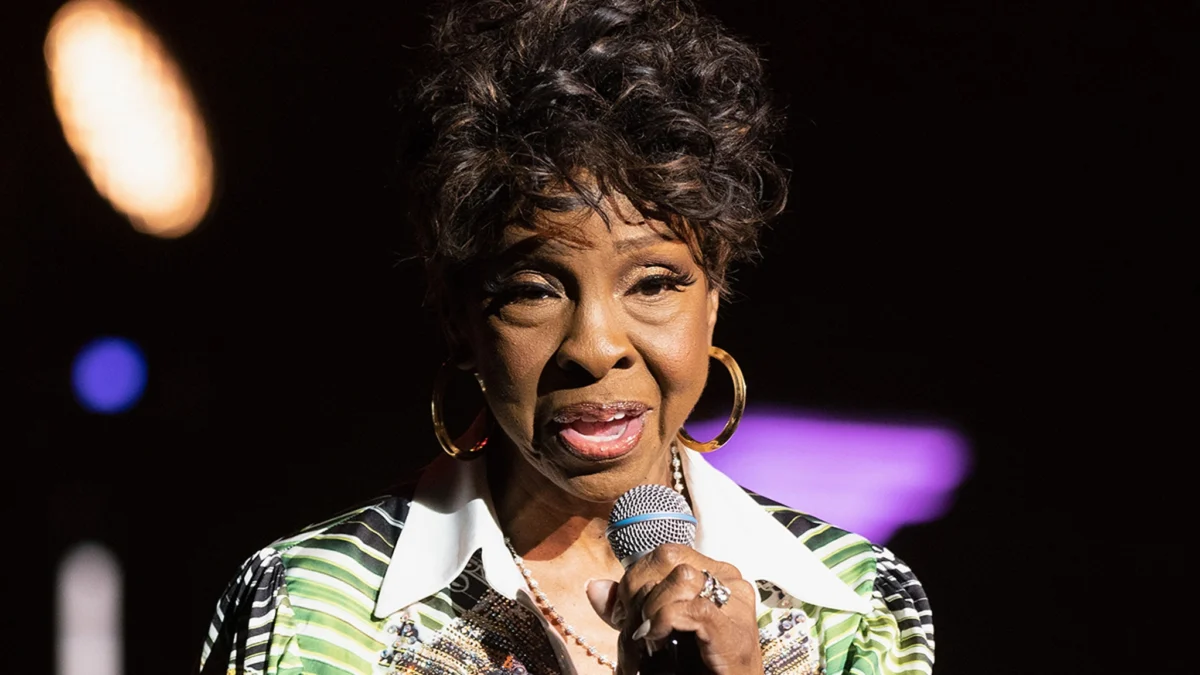
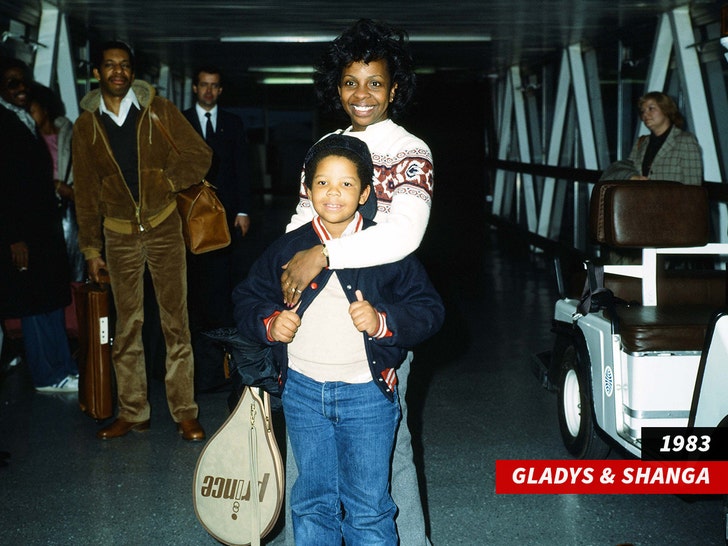
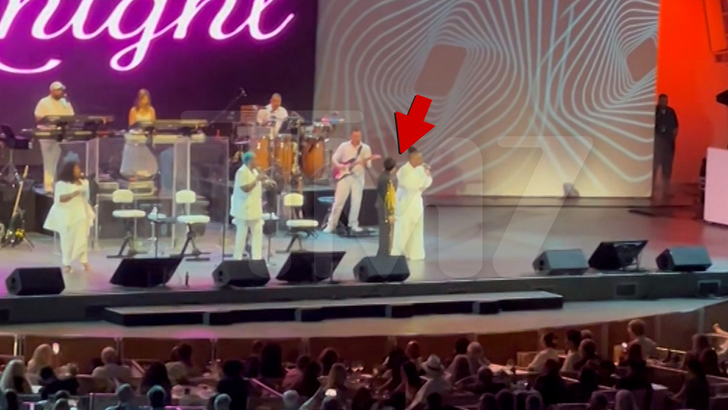
In a startling development that has sent ripples through the entertainment world and among fans of the legendary "Empress of Soul," Gladys Knight’s son, Shanga Hankerson, has voiced grave concerns that his mother’s husband and manager, William McDowell, is pushing the 82-year-old artist to perform beyond her capacity, potentially endangering her life. Hankerson’s explicit accusation, first reported by The Detroit News on September 14, 2026, suggests a deep rift within the family and casts a shadow over the icon’s ongoing tour.
Allegations of Exploitation and Elder Abuse Emerge
Shanga Hankerson did not mince words when discussing his mother’s demanding performance schedule. He told The Detroit News, "My belief and fear is that he intends to literally try to work her until she passes away. And you can quote me on that." This direct and highly inflammatory statement marks a significant escalation of what had previously been circulating as quiet concerns among fans and those close to the production. Hankerson explicitly characterized his octogenarian mother as a victim of elder abuse and exploitation, pointing an accusatory finger directly at McDowell, who has been married to Knight since 2001 and also manages her illustrious career.
The gravity of Hankerson’s claims resonates deeply, touching upon sensitive issues of artist welfare, familial dynamics, and the responsibilities of management, especially when an artist is of advanced age. His statements suggest that despite public announcements hinting at a reduced workload, the reality on the ground indicates a relentless touring schedule that he believes is detrimental to his mother’s health and well-being.
The Illustrious Legacy of Gladys Knight: A Career Spanning Decades
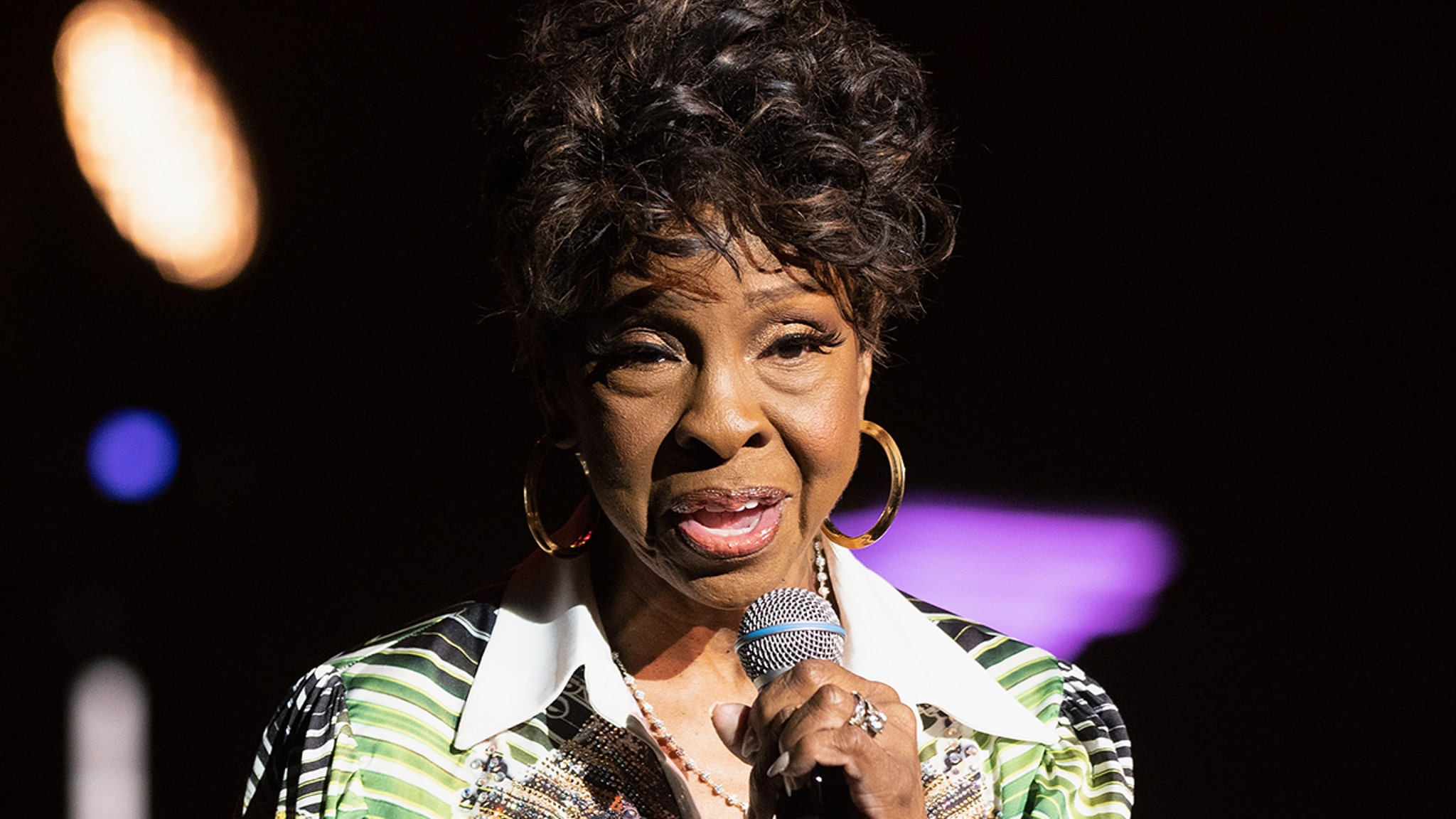
Gladys Knight stands as one of the most revered figures in American music history. Born May 28, 1944, the "Empress of Soul" began her career in the 1950s, rising to international fame with her group, Gladys Knight & the Pips. Their hits, including "Midnight Train to Georgia," "I Heard It Through the Grapevine," and "Neither One of Us (Wants to Be the First to Say Goodbye)," became anthems for generations. Knight’s powerful vocals, emotive delivery, and enduring stage presence have earned her numerous accolades, including multiple Grammy Awards, induction into the Rock and Roll Hall of Fame, and a National Medal of Arts.
At 82 years old in 2026, Knight continues to command respect and adoration worldwide. However, the physical demands of extensive touring for an artist of her age are undeniable. The constant travel, rigorous rehearsal schedules, late-night performances, and high-energy stage presence required to deliver a show worthy of her legacy can take a significant toll. It is this context of her age and the inherent physical strain of live performance that gives Shanga Hankerson’s concerns a potent and urgent resonance, transforming them from mere family squabbles into a potential public health and welfare issue for a beloved national treasure.
A Chronology of Mounting Concerns and Conflicting Narratives
The current public dispute did not erupt without prior warning. Over the past several months, a pattern of observations and announcements has painted a complex picture:
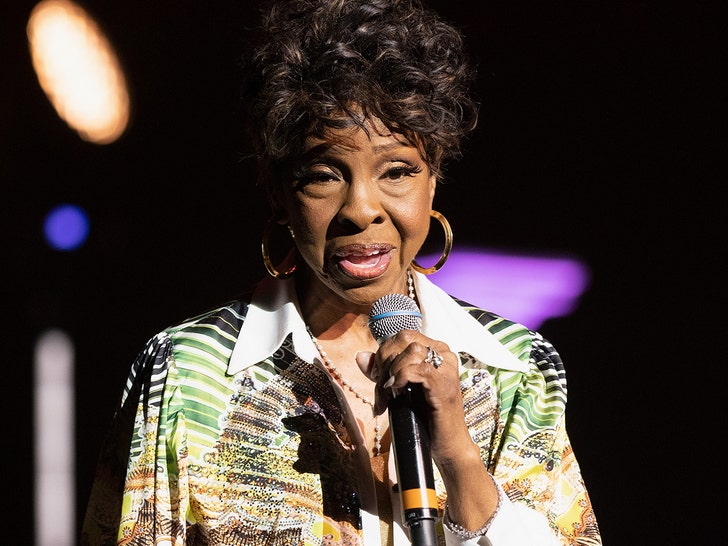
- August 2026: Reports began circulating from fans and individuals involved with her touring operations, expressing worry over Knight’s appearance and energy levels during several shows. These concerns prompted an official announcement from Knight’s camp that she would be "cutting back on her live performances." This initial statement was widely interpreted as a necessary step to safeguard her health.
- Early September 2026: In response to inquiries regarding the future of her tour, William McDowell reportedly told TMZ that a scheduled September 5 show in Tulsa, Oklahoma, would be crucial in determining whether further performances would be cancelled or scaled back. He also emphasized that Knight herself was keen on continuing to perform, suggesting her personal desire was a driving force behind the ongoing schedule.
- Post-September 5 Performances: Despite the earlier announcement and McDowell’s statement about evaluating the Tulsa show, Knight has since performed in multiple cities, including Terre Haute, Indiana; Cincinnati, Ohio; and Shipshewana, Indiana. This continuation of performances, rather than a significant reduction, directly contradicts the initial promise to "cut back" and fuels Hankerson’s skepticism. The Detroit News cited a concertgoer’s social media post claiming the Tulsa show ended early, though this remains an unconfirmed anecdotal report.
- September 14, 2026: Shanga Hankerson’s explosive interview with The Detroit News is published, directly accusing McDowell of exploitation and stating his fear that his mother is being worked to death. He pointed to the continued touring as evidence that McDowell "never intended to stop any tour dates."
- Prior to September 14, 2026 (likely September 12 or 13, a Monday): Gladys Knight herself released a statement attempting to address the growing public discourse. It read, "After heartfelt discussions with my team, I recognize that no matter how much I love lifting spirits in song, it’s time for the midnight train to make just a few more stops. I’m finishing the year strong with my remaining performances. Looking forward to new ventures next year." This statement acknowledges a need to scale back but reaffirms her commitment to completing the current year’s schedule.
This timeline reveals a discernible disconnect between public statements and the perceived reality, intensifying the family feud and prompting wider public scrutiny.
The Demands of Touring and the Unique Challenges of Age
The life of a touring musician, even for established legends, is notoriously arduous. It involves constant travel, often across different time zones, irregular sleep patterns, demanding soundchecks, and the immense physical and vocal exertion of performing for hours. For an artist like Gladys Knight, renowned for her powerful voice and engaging stage presence, each performance requires peak physical and mental conditioning.
For an individual in their eighties, these challenges are significantly amplified. The body’s natural aging process leads to decreased stamina, slower recovery times, and increased susceptibility to illness and injury. Vocal cords, like any other muscle, can experience fatigue and require more rest. The psychological pressure to maintain a certain standard of performance, especially for an artist with Knight’s legacy, can also be immense. Critics and fans alike have noted instances where Knight appeared visibly fatigued or "out of it," prompting the initial wave of concern. Hankerson’s assertion that "blatant visual evidence the public is now seeing" should be sufficient reason to cease performances underscores the visible impact of the demanding schedule.
The Complexities of a Manager-Spouse Relationship in Entertainment
The dynamic between an artist and their manager is inherently complex, often involving significant financial stakes and career-defining decisions. When the manager is also the artist’s spouse, these complexities are interwoven with personal relationships, creating a potential minefield for conflicts of interest. William McDowell, as both husband and manager to Gladys Knight, holds a dual role that blurs the lines between professional guidance and marital intimacy.
In such arrangements, decisions about touring schedules, financial agreements, and career longevity can become deeply personal. While a spouse-manager might argue they have the artist’s best interests at heart, external observers, particularly family members like Shanga Hankerson, might perceive financial incentives overriding health concerns. There is an inherent difficulty in objectively assessing an artist’s capacity or the financial viability of a tour when one’s personal life and income are directly tied to those decisions. Hankerson’s allegations of "exploitation" and his claim that McDowell’s "motives" are questionable highlight this precise ethical dilemma, suggesting that financial gain might be prioritized over the well-being of his wife.
Gladys Knight’s Official Statement: A Balancing Act?
Gladys Knight’s recent statement, acknowledging that "it’s time for the midnight train to make just a few more stops" and that she is "finishing the year strong with my remaining performances," can be interpreted in several ways. On one hand, it validates the concerns about her demanding schedule and suggests a future scaling back. The phrase "heartfelt discussions with my team" implies a collaborative decision-making process, perhaps to counter the narrative of her being solely pressured by her husband.
However, the commitment to "finish the year strong" and complete her "remaining performances" could be seen as a direct refutation of her son’s more urgent plea for an immediate cessation of touring. It maintains a public image of an artist gracefully transitioning, rather than one being forced to continue against her will or best interest. The mention of "new ventures next year" might hint at less physically demanding projects, such as studio work, residencies, or appearances, rather than extensive road tours. This nuanced statement reflects the challenging position Knight finds herself in, caught between her passion for performing, her manager-husband’s professional agenda, and her concerned family’s pleas.
Broader Implications: Artist Welfare, Elder Care, and Family Disputes
The public dispute surrounding Gladys Knight’s health and touring schedule raises broader questions pertinent to the entertainment industry and society at large:
- Artist Welfare: How does the industry balance an artist’s desire to perform with their physical and mental well-being, especially as they age? Are there adequate safeguards or ethical guidelines for managers, particularly when they are also family members, to ensure an artist’s health is paramount?
- Elder Abuse and Exploitation: Shanga Hankerson’s direct accusation of elder abuse brings a serious societal issue into the celebrity spotlight. While not a legal finding, such claims underscore the vulnerability of older individuals, even those with significant public profiles, to potential exploitation by those in positions of trust. This includes financial exploitation, where an older person’s assets or income are misused, or neglect of their health needs for financial gain.
- Family Dynamics and Public Disputes: The situation highlights the painful reality of family disagreements playing out in the public eye, especially when involving a beloved public figure. Such disputes can be incredibly damaging to personal relationships and an artist’s public image.
- The Power of Fan Advocacy: The initial concerns from fans and concertgoers played a role in bringing this issue to the forefront, demonstrating the collective power of an audience to advocate for their idols’ well-being.
Looking Ahead: Unresolved Tensions and Remaining Performances
As of September 14, 2026, Gladys Knight is still scheduled to perform three more shows next month before wrapping her current tour in California in November. These upcoming dates will undoubtedly be viewed through the lens of Shanga Hankerson’s stark allegations and the ongoing public debate. The family dispute appears far from resolved, with the son’s strong statements indicating a deep-seated conviction that his mother is in peril.
Whether these public accusations will lead to formal investigations, legal action, or a definitive change in Knight’s touring schedule remains to be seen. The situation serves as a poignant reminder of the complex interplay between artistic passion, professional obligations, personal relationships, and the inevitable realities of aging, all magnified under the intense scrutiny of the public eye. For now, the "Empress of Soul" continues her journey, while her son’s chilling warning echoes across the stage.




 Yuyun Lusiyani
 Joko Widodo
 Jia Lissa
 Pevita Pearce

