
 admin
admin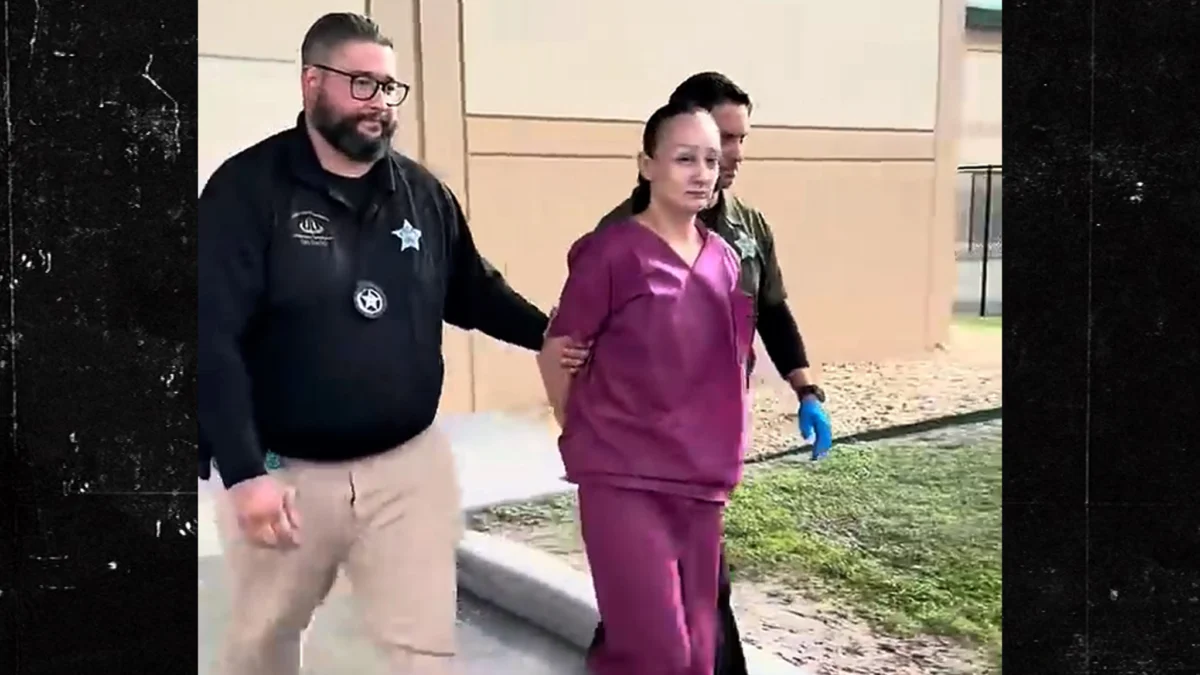
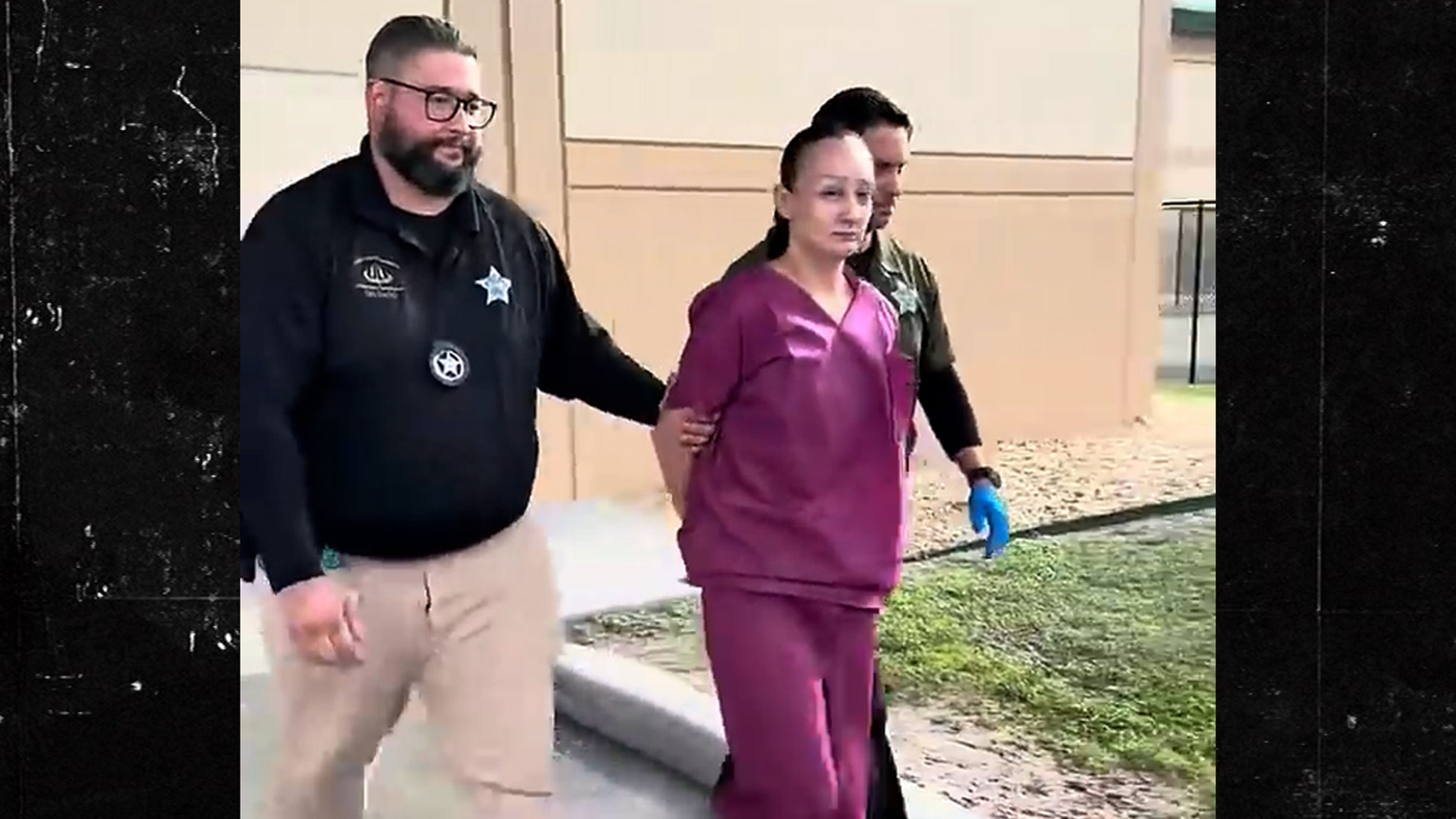
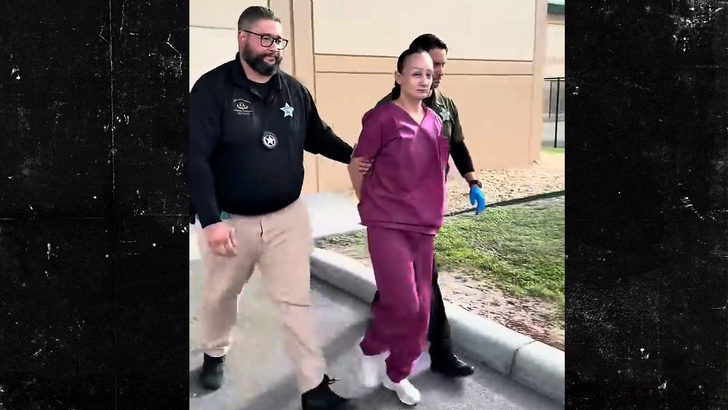
A chilling investigation in Florida has culminated in the arrest of Jessica Vlasac, a mother accused of the brutal killing of her 3-month-old son. Authorities allege that a distinctive piece of jewelry – a large, square-shaped ring worn by Vlasac – served as a critical forensic link, matching the severe head wounds sustained by the infant. The tragic case, which unfolded over several days and involved conflicting accounts, has brought to light the devastating consequences of alleged child abuse and the meticulous work of law enforcement and medical examiners in uncovering the truth.
The Tragic Discovery and Initial Account
The events leading to Vlasac’s arrest on a Thursday, September 14, 2026, began with the heartbreaking discovery of her unresponsive infant son. According to initial reports, Vlasac provided authorities with an account suggesting a tragic accident. She claimed she had fallen asleep with her son and woke to find him face down and unresponsive. This narrative, often associated with accidental co-sleeping deaths, initially framed the incident as a devastating, albeit unintentional, tragedy.
However, the mother’s own words soon began to contradict her story. She allegedly confessed to the child’s father, stating, "I think I killed our son." This admission immediately raised red flags for investigators, hinting at a darker reality than a mere accident. The discrepancy between her public statement and her private confession to the father became a crucial point of interest for the Polk County Sheriff’s Office detectives who were leading the investigation into the infant’s untimely death. The father’s subsequent cooperation with law enforcement proved instrumental in piecing together the timeline and events leading up to the child’s demise.
Forensic Investigation Unravels the Truth
The pivotal turn in the investigation came with the medical examiner’s autopsy report. What Vlasac had described as an accidental death was starkly refuted by the forensic findings. The autopsy revealed a gruesome reality: the 3-month-old infant had suffered multiple severe blows to the head. Specifically, the medical examiner documented bleeding around the skull and no fewer than three distinct impact injuries. One particular wound was described as "L-shaped," a detail that would prove profoundly significant. This pattern of injuries, characteristic of blunt force trauma, was entirely inconsistent with a child merely found face down after co-sleeping. The findings strongly suggested a deliberate act of violence rather than an unfortunate accident, shifting the investigation from accidental death to suspected homicide.
Forensic pathology plays an indispensable role in such cases, providing objective scientific evidence that can either corroborate or debunk witness testimonies. In this instance, the medical examiner’s detailed analysis became the cornerstone of the prosecution’s case, transforming the investigation from a complex puzzle into a clear path towards identifying the alleged perpetrator. The nature and severity of the injuries indicated a level of force far beyond what could be attributed to an accidental fall or gentle contact, pointing towards an intentional assault on a highly vulnerable infant.
The Critical Piece of Evidence: The Ring
As detectives delved deeper, a seemingly innocuous detail emerged as a critical piece of forensic evidence. During their interaction with Jessica Vlasac, investigators observed her wearing a prominent, large, square-shaped ring, described as "diamond-like." This observation immediately resonated with the medical examiner’s description of an "L-shaped wound consistent with a square-like object" found on the infant’s head. The visual correlation was too striking to ignore.
Acting on this crucial lead, detectives promptly seized the ring for forensic analysis. The subsequent examination confirmed their suspicions. The medical examiner, presented with the ring, affirmed that the injuries found on the baby were indeed consistent with being struck by such an object. This direct physical link between the alleged perpetrator and the victim’s injuries provided a powerful, undeniable piece of evidence. The ring, once a personal adornment, became a silent, damning witness to the alleged crime.
The precision of forensic science in matching wound patterns to specific objects is a testament to its advancements. In cases of suspected child abuse, where victims cannot speak for themselves, such evidence is paramount. It allows investigators to reconstruct the events of the crime, providing clarity where there might otherwise be ambiguity or conflicting accounts. Vlasac herself, reportedly aware of the incriminating nature of the evidence, allegedly inquired whether "the ring killed the baby," further underscoring her potential knowledge of its role in the infant’s death.
Father’s Testimony and Disturbing Allegations
The father of the deceased infant provided critical testimony that painted a disturbing picture of the domestic environment and Vlasac’s alleged behavior. He disclosed to investigators that Vlasac had purchased alcoholic shots earlier on the day the baby died. More alarmingly, he revealed a pattern of behavior where Vlasac allegedly became violent when she consumed alcohol. This information introduced a potential motive and context for the alleged abuse, suggesting that alcohol intoxication may have played a role in escalating an already volatile situation.
Furthermore, the father stated that Vlasac had explicitly asked him not to show these messages about alcohol purchases to detectives. This alleged attempt to conceal evidence further implicated Vlasac and suggested an awareness of wrongdoing, adding another layer to the prosecution’s case. Such efforts to obstruct justice are often viewed by courts as indicative of guilt. The father’s courageous decision to come forward with this information, despite Vlasac’s alleged request, was crucial for the integrity of the investigation. It provided not only direct evidence of her state of mind and actions leading up to the incident but also shed light on potential underlying issues within the household. The presence of alcohol and a history of violence in a home with an infant underscore the severe risks to child safety.
The Legal Framework and Charges
Jessica Vlasac has been booked on charges of aggravated child abuse resulting in death. In Florida, this is a severe felony, reflecting the state’s commitment to protecting its most vulnerable citizens. Aggravated child abuse, as defined by Florida Statutes, involves intentional infliction of physical or mental injury upon a child, or an intentional act that could reasonably be expected to result in physical or mental injury, or active neglect of a child. When such abuse directly leads to the death of a child, the legal ramifications are among the most serious crimes prosecuted in the state, potentially carrying penalties ranging from lengthy prison sentences, including life imprisonment, to significant fines, depending on the specific circumstances and judicial discretion.
The charge underscores that the authorities have deemed the child’s death not as an accident, but as a direct consequence of intentional harm. The legal process will now involve presenting the gathered evidence – the autopsy report, the forensic analysis of the ring, the father’s testimony, and Vlasac’s own statements – to a grand jury, which will determine if there is sufficient evidence to proceed to trial. Should the case go to trial, prosecutors will bear the burden of proving Vlasac’s guilt beyond a reasonable doubt, relying heavily on the robust forensic evidence and witness accounts.

Broader Context: Infant Homicide and Child Abuse
The tragic death of Vlasac’s 3-month-old son casts a harsh light on the persistent issue of infant homicide and child abuse. Infants, particularly those under one year of age, are the most vulnerable demographic for homicide. Statistics from national agencies, such as the Centers for Disease Control and Prevention (CDC) and the U.S. Department of Health and Human Services, consistently show that parents or other caregivers are the most frequent perpetrators in cases of infant fatalities due to abuse. Factors contributing to such horrific acts often include parental stress, substance abuse, mental health issues, domestic violence, and a lack of support systems.
The specific nature of the injuries – blunt force trauma to the head – aligns with common patterns seen in child abuse fatalities, distinct from conditions like Shaken Baby Syndrome (now often referred to as Abusive Head Trauma), which typically involves diffuse brain injury without external impact marks. The L-shaped wound, precisely matched to an object, speaks to a direct, localized assault. This case serves as a stark reminder of the hidden dangers many children face within their own homes, often at the hands of those entrusted with their care.
The Role of Forensic Science in Justice
This case powerfully illustrates the critical and evolving role of forensic science in modern criminal investigations. When initial accounts are misleading or false, it is the meticulous work of medical examiners, forensic pathologists, and crime scene investigators that often uncovers the truth. The ability to match a specific wound pattern to a unique object, like Vlasac’s ring, is a cornerstone of forensic evidence. This objective data transcends emotional narratives and provides irrefutable facts that can guide the legal process.
In instances of non-accidental trauma, particularly with infants who cannot communicate their experiences, forensic evidence becomes their voice. The autopsy report, detailing internal and external injuries, their age, and consistency, forms the bedrock of the prosecution’s argument. Without such detailed forensic work, perpetrators might evade justice, and the cycle of abuse could continue unchecked. This case highlights how advancements in forensic techniques allow investigators to piece together events with increasing accuracy, providing justice for victims and holding accountable those responsible for unspeakable acts.
Community Impact and Prevention
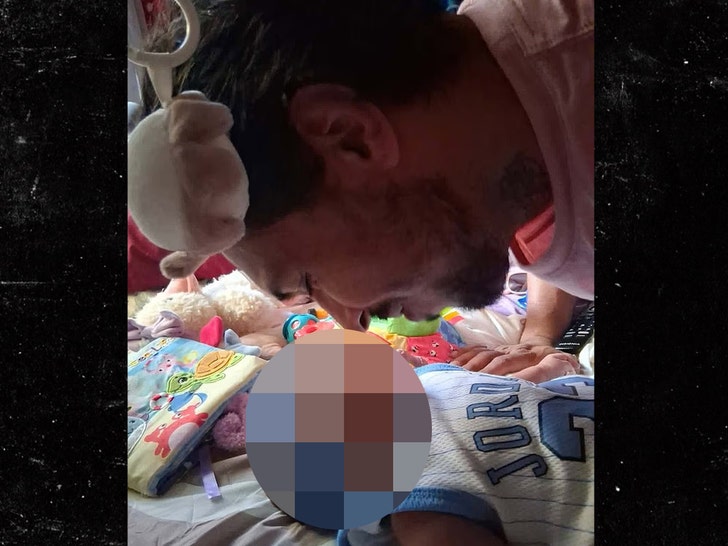
Cases involving the death of an infant due to alleged abuse inevitably send shockwaves through communities. They prompt public discourse on child safety, parental responsibilities, and the efficacy of support systems for new parents. The tragic loss of a young life under such circumstances underscores the urgent need for heightened awareness and vigilance. Communities are often urged to be proactive, reporting any suspicious activities or signs of child abuse to authorities. Child Protective Services and local law enforcement agencies rely heavily on community cooperation to intervene in potentially dangerous situations before they escalate to tragic outcomes.
Furthermore, this incident may catalyze discussions around access to mental health services, substance abuse treatment, and parenting support programs, especially for at-risk families. Preventing child abuse requires a multi-faceted approach, including education, early intervention, and robust social safety nets. The memory of this 3-month-old child, whose life was cut short, serves as a solemn reminder of the collective responsibility to protect the most vulnerable members of society.
Ongoing Proceedings
Jessica Vlasac remains in custody, facing grave charges that carry significant legal consequences. As the legal proceedings unfold, further details regarding the investigation, potential motives, and Vlasac’s defense will likely emerge. The case will proceed through the Florida judicial system, where prosecutors will aim to present a comprehensive body of evidence to secure a conviction for aggravated child abuse resulting in death. The community, along with legal observers, will closely follow the developments in this harrowing case, seeking justice for a life tragically lost and a definitive answer to the circumstances surrounding the death of a defenseless infant.




 Yuyun Lusiyani
 Joko Widodo
 Jia Lissa
 Pevita Pearce

