
 admin
admin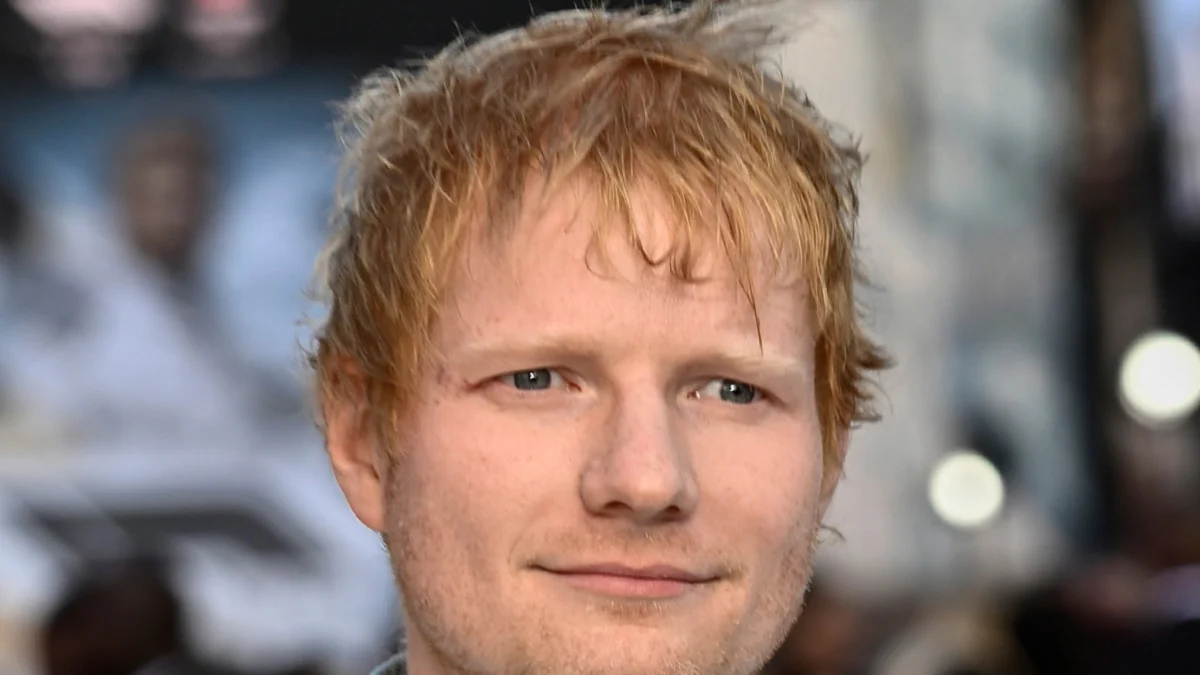
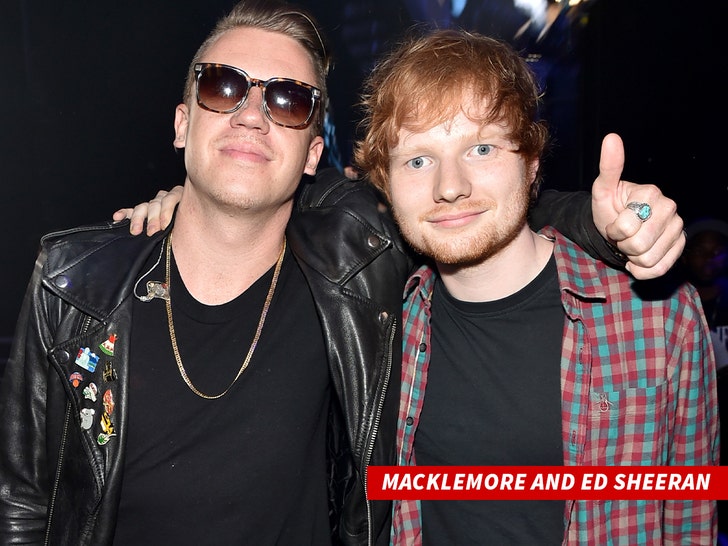
Philadelphia, PA – A significant controversy has erupted in the music world, culminating in a planned protest against global superstar Ed Sheeran in Philadelphia this weekend. The backlash stems from the recent removal of rapper Macklemore from Sheeran’s ongoing North American tour, a decision widely attributed to Macklemore’s outspoken pro-Palestine remarks made during his opening sets. The Philly Palestine Coalition and Shut Down D&Z, two prominent advocacy groups, have announced a demonstration set for September 19 outside the Lincoln Financial Center, where Sheeran is scheduled to perform, demanding accountability and condemning what they perceive as censorship.
The protest, emblazoned with the slogan "Billionaires, Zionists & Warmongers out of Philly," targets not only Sheeran but also the broader network of powerful figures and corporate interests perceived to be influencing artistic expression. The groups assert that Macklemore’s removal represents a chilling precedent for artists wishing to speak on pressing global issues, particularly the protracted Israeli-Palestinian conflict. This incident has reignited debates about artistic freedom, corporate influence in entertainment, and the increasingly volatile intersection of music and geopolitics.
Chronology of Controversy: From Stage to Sidelines
The sequence of events leading to the Philadelphia protest began earlier this month during the initial legs of Ed Sheeran’s highly anticipated stadium tour. Macklemore, known for his politically conscious lyrics and activism, was slated as a supporting act for several dates. During his opening performances, specifically at the first two shows held in New Jersey – believed to be at MetLife Stadium and another major venue – Macklemore reportedly used his platform to deliver impassioned remarks concerning the humanitarian situation in Palestine. While specific quotes from these initial addresses were not widely circulated, sources indicate he called for a ceasefire and expressed solidarity with the Palestinian people, aligning with his public statements and recent musical releases on the subject.
Following these performances, reports began to surface that Macklemore’s tenure on the tour was in jeopardy. On September 15, 2026, news broke that Macklemore had been abruptly dropped from the remaining dates of Sheeran’s tour. The swiftness of the decision sent shockwaves through the music industry and among fans, many of whom immediately speculated about the political motivations behind the move.
Ed Sheeran himself addressed the growing controversy on September 15, releasing a statement denying direct involvement in the decision to remove Macklemore. He clarified that the decision was made by the tour promoter, citing pressure from external entities. Sheeran’s statement indicated that several NFL team owners, including influential New England Patriots owner Robert Kraft, had refused to allow Macklemore to perform at their respective stadiums. Kraft, a prominent figure in sports and business, later confirmed his stance, stating that he did not want Macklemore at his stadium due to the rapper’s "recent actions" and "past actions that were deeply offensive" to the Jewish community. This revelation shifted the focus of the backlash, highlighting the significant power wielded by venue owners and sponsors over touring artists.
By September 16, 2026, the Philly Palestine Coalition and Shut Down D&Z had officially announced their protest, scheduled for September 19, demonstrating the rapid mobilization of advocacy groups in response to perceived injustices. The location, Lincoln Financial Center, home to the Philadelphia Eagles and owned by the City of Philadelphia but operated by the Eagles, became the symbolic ground for the planned demonstration, underscoring the local connection to the broader national and international debate.
The Genesis of Dissent: Macklemore’s Stance and Public Reaction
Macklemore, whose real name is Ben Haggerty, has a well-documented history of engaging with social and political issues through his music and public platform. His 2024 track, "Hind’s Hall," became a viral anthem for pro-Palestine activism, directly referencing the student protests at Columbia University and criticizing U.S. foreign policy. In the song, he explicitly calls for a ceasefire and criticizes the Israeli government’s actions, stating, "The blood is on your hands, Biden, we can see it all." This song, released independently, cemented his position as one of the most vocal mainstream artists on the issue.
His on-stage remarks during the Ed Sheeran tour were consistent with this established stance. While the precise words spoken during the New Jersey shows were not immediately transcribed or widely broadcast, reports suggested he reiterated calls for peace and justice for Palestinians, likely echoing themes from "Hind’s Hall." These statements, while celebrated by his activist fanbase, immediately drew criticism from pro-Israel groups and those who felt such political commentary was inappropriate for a concert setting.
The public reaction to Macklemore’s removal has been deeply polarized. Supporters of Macklemore and the Palestinian cause have condemned the decision as an egregious act of censorship, arguing that artists should be free to express their political views. Many have pointed to a perceived double standard, suggesting that other political statements might not face similar repercussions. Conversely, those who opposed Macklemore’s remarks, particularly pro-Israel advocates, have largely supported the decision, viewing his statements as divisive, antisemitic, or simply out of place in an entertainment venue. The controversy quickly became a flashpoint in the ongoing cultural debate surrounding the Israeli-Palestinian conflict, drawing in fans, media commentators, and political observers alike.
Behind the Scenes: Corporate Influence and Tour Logistics
The incident has cast a harsh spotlight on the intricate web of corporate interests that underpin major music tours. Tour promoters, such as Live Nation or AEG Presents (though the specific promoter for Sheeran’s tour was not named in initial reports), operate as the central orchestrators of these massive undertakings. Their responsibilities include booking venues, managing logistics, negotiating artist contracts, and ensuring the smooth operation and profitability of the tour. These companies often have deep financial ties to venue owners, sponsors, and even political figures.
Robert Kraft’s involvement underscores the immense power wielded by individual stadium owners and their associated organizations. Kraft, through his ownership of the New England Patriots and the vast Kraft Group, controls Gillette Stadium, a major touring venue. His refusal to host Macklemore due to the rapper’s "actions" highlights how a single powerful entity can exert significant influence over an entire tour’s lineup and itinerary. This influence extends beyond direct venue ownership, as NFL teams and their owners are often major players in local economies and can leverage their status to pressure promoters and artists.
Artist contracts for major tours typically include clauses pertaining to "moral conduct" or "public statements" that could bring the tour, promoter, or sponsors into disrepute. While the specifics of Macklemore’s contract with the tour promoter are not public, it is plausible that such clauses were invoked, or at least used as leverage by venue owners. The economic pressures on a global tour of Ed Sheeran’s scale are immense; disruptions, boycotts, or negative publicity can lead to significant financial losses. Promoters, therefore, often prioritize maintaining a neutral or uncontroversial environment to ensure maximum attendance and revenue. This dynamic creates a delicate balancing act for artists who wish to use their platform for advocacy.
The Protest’s Demands: "Billionaires, Zionists & Warmongers Out of Philly"
The Philly Palestine Coalition and Shut Down D&Z represent a segment of civil society deeply committed to advocating for Palestinian rights. The Philly Palestine Coalition is a broad alliance of local organizations and activists dedicated to raising awareness about the Palestinian cause and mobilizing support for political action. Shut Down D&Z is another local group that often targets corporations and individuals perceived to be profiting from or complicit in actions detrimental to human rights, often focusing on those with ties to Israel.
Their chosen slogan, "Billionaires, Zionists & Warmongers out of Philly," reflects a multifaceted critique. "Billionaires" likely refers to figures like Robert Kraft, whose immense wealth and influence are seen as dictating cultural events and suppressing dissent. "Zionists" targets those who support the political ideology of Zionism, which the groups view as intertwined with the ongoing conflict and occupation. "Warmongers" broadly condemns those perceived to be perpetuating conflict and benefiting from it. By linking these terms, the groups aim to draw a direct line between financial power, political ideology, and perceived oppression.
The decision to protest at the Lincoln Financial Center on September 19 is strategic. It targets Ed Sheeran directly at one of his most prominent tour stops, ensuring maximum visibility and media attention. The protest aims to pressure Sheeran to publicly support Macklemore and to reconsider his tour’s stance on artistic freedom. More broadly, it serves as a powerful demonstration of solidarity with Macklemore and a condemnation of what they see as the silencing of pro-Palestine voices in mainstream cultural spaces. Organizers are calling on supporters from across the region to attend, hoping to create a significant presence and amplify their message.
A History of Activism and Censorship in Music
The controversy surrounding Macklemore’s removal is not an isolated incident but rather fits into a long and often contentious history of artists using their platforms for political expression and facing consequences for it. From the folk singers of the civil rights movement and the anti-Vietnam War protests to punk rock’s critiques of Thatcherism and artists speaking out against apartheid in South Africa, music has frequently served as a powerful medium for social and political commentary.
However, such activism has consistently met resistance from corporate interests, governments, and segments of the public. Artists like Nina Simone, Pete Seeger, and John Lennon faced blacklisting, surveillance, or professional setbacks due to their outspoken political views. More recently, artists have faced boycotts, tour cancellations, and de-platforming for their stances on various issues, including racial justice, LGBTQ+ rights, and international conflicts. The Israeli-Palestinian conflict, in particular, has been a highly sensitive topic for artists, with some facing immense pressure to either perform or boycott Israel, leading to significant career repercussions regardless of their choice.
In the digital age, celebrity activism is amplified, reaching vast audiences instantly, but it also invites immediate and intense scrutiny. The Macklemore incident highlights the increasing tension between an artist’s desire for authentic expression and the commercial realities of a global music industry heavily reliant on corporate sponsorships, diverse fan bases, and access to major venues.
Implications for Artistic Freedom and Industry Practice
The Ed Sheeran-Macklemore incident carries significant implications for artistic freedom and industry practices. It sends a clear message that politically charged statements, especially on highly sensitive international issues, can lead to severe professional consequences, even for established artists. This could potentially chill the willingness of other musicians to use their stage as a platform for activism, leading to a more homogenized and less politically engaged mainstream music landscape.
Moreover, the episode underscores the disproportionate power of venue owners and sponsors in shaping cultural discourse. When influential figures like Robert Kraft can effectively veto an artist’s performance, it raises questions about who truly controls the public stage and whose voices are allowed to be heard. This dynamic risks transforming concert venues into spaces where only commercially palatable or politically neutral messages are tolerated, potentially stifling artistic integrity and genuine public debate.
For tour promoters, the incident presents a challenging precedent. They are often caught between an artist’s contractual obligations for free expression and the demands of powerful stakeholders who prioritize financial stability and public image. This may lead to stricter "morality clauses" in future artist contracts or increased vetting of supporting acts to avoid similar controversies.
From the perspective of fans, the incident forces a reconsideration of the role of politics in entertainment. While some appreciate artists using their platforms for social commentary, others prefer to keep concerts free from political messaging. The polarized reactions demonstrate the difficulty for artists and the industry to navigate these diverse expectations.
Looking Ahead: The Philadelphia Concert and Beyond
As September 19 approaches, all eyes will be on the Lincoln Financial Center. The protest is expected to draw a significant crowd, creating a visible counter-narrative to the celebratory atmosphere of Ed Sheeran’s concert. The organizers hope that the demonstration will not only garner attention for the Palestinian cause but also force a broader conversation within the music industry about accountability and artistic integrity.
The fallout from this incident is likely to be long-lasting. Macklemore, despite being removed from the tour, has seen his profile as an activist artist further elevated among his supporters. Ed Sheeran, while attempting to distance himself from the decision, faces the challenge of navigating the public perception that he or his tour is complicit in censorship. Robert Kraft and other NFL owners may face increased scrutiny regarding their influence over cultural events.
Ultimately, the controversy surrounding Macklemore’s removal from the Ed Sheeran tour is more than just a dispute between musicians and promoters. It is a microcosm of larger societal tensions regarding free speech, corporate power, and the deeply entrenched political divisions that permeate modern life. The Philadelphia protest serves as a powerful reminder that even in the realm of global entertainment, political realities continue to shape the stage.




 Yuyun Lusiyani
 Joko Widodo
 Eva Lovia
 Pevita Pearce

 Lina Irawan