
 Eva Lovia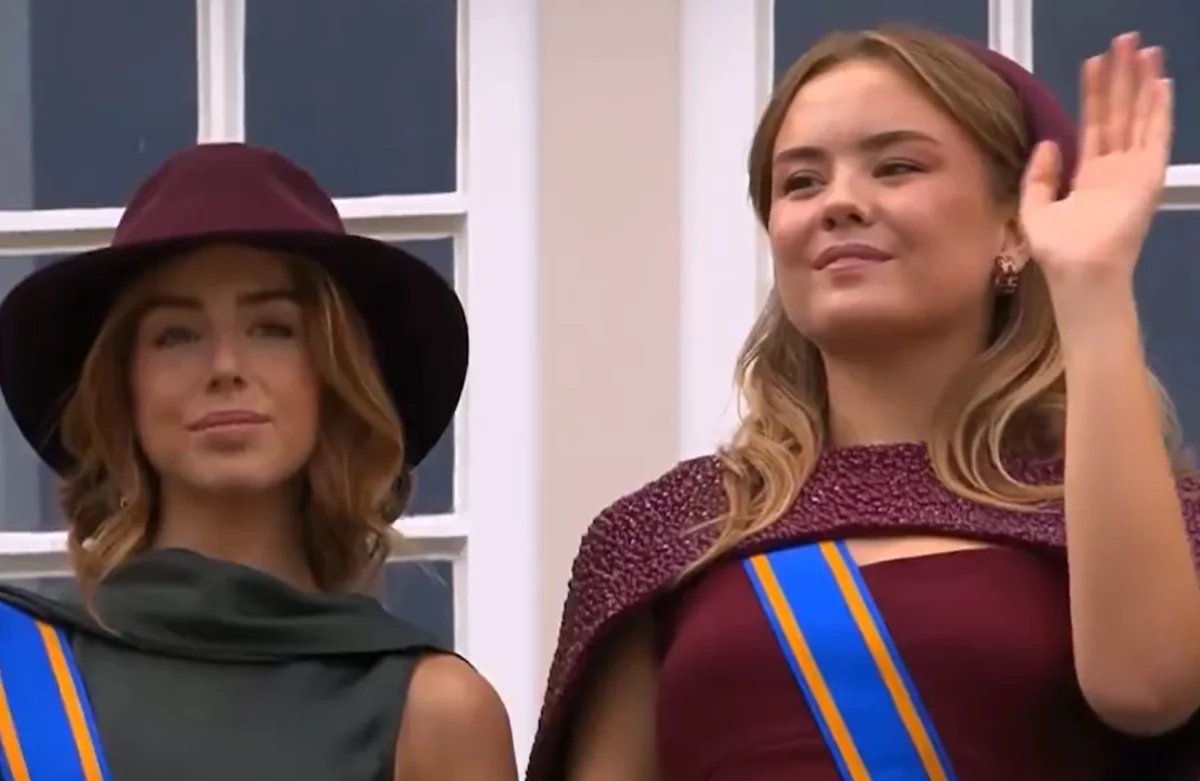
The Netherlands’ annual celebration of Prinsjesdag, a pivotal day in the nation’s political and royal calendar, witnessed a striking sartorial statement from Queen Máxima, who eschewed her signature vibrant hues for an elegant monochrome ensemble. This year’s proceedings, marked by King Willem-Alexander’s formal opening of the parliamentary session and his delivery of the budget speech, also became a moment to celebrate the evolving style influence within the royal family, as two of his daughters mirrored their mother’s fashion choices, effectively reviving cherished looks from Queen Máxima’s extensive wardrobe.
A Bold Departure for Prinsjesdag
Prinsjesdag, traditionally held on the third Tuesday of September, is a deeply symbolic event in the Dutch constitutional monarchy. It signifies the formal commencement of the parliamentary year, where the monarch addresses both chambers of parliament, outlining the government’s policy plans and budget for the upcoming twelve months. This year, as King Willem-Alexander ascended the throne in the Ridderzaal (Knight’s Hall) to deliver his crucial budget speech, the nation’s attention was also captivated by the fashion choices gracing the procession and subsequent balcony appearance.
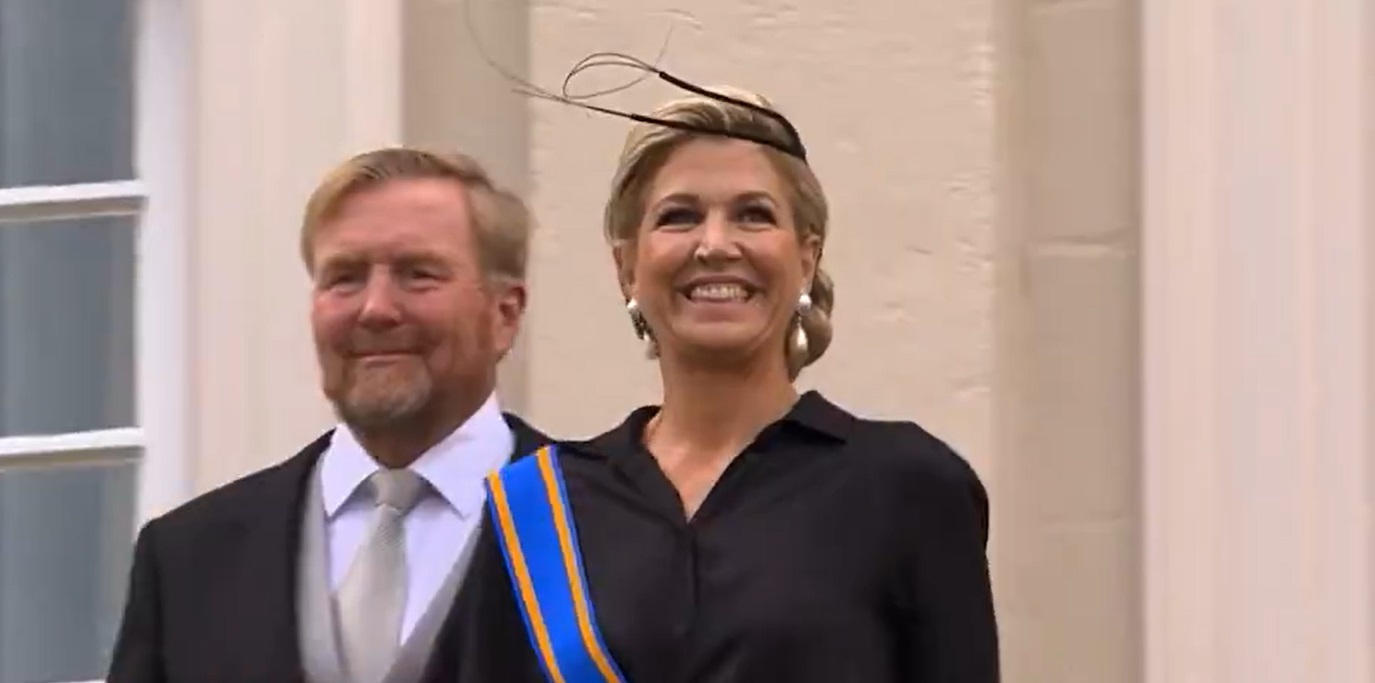
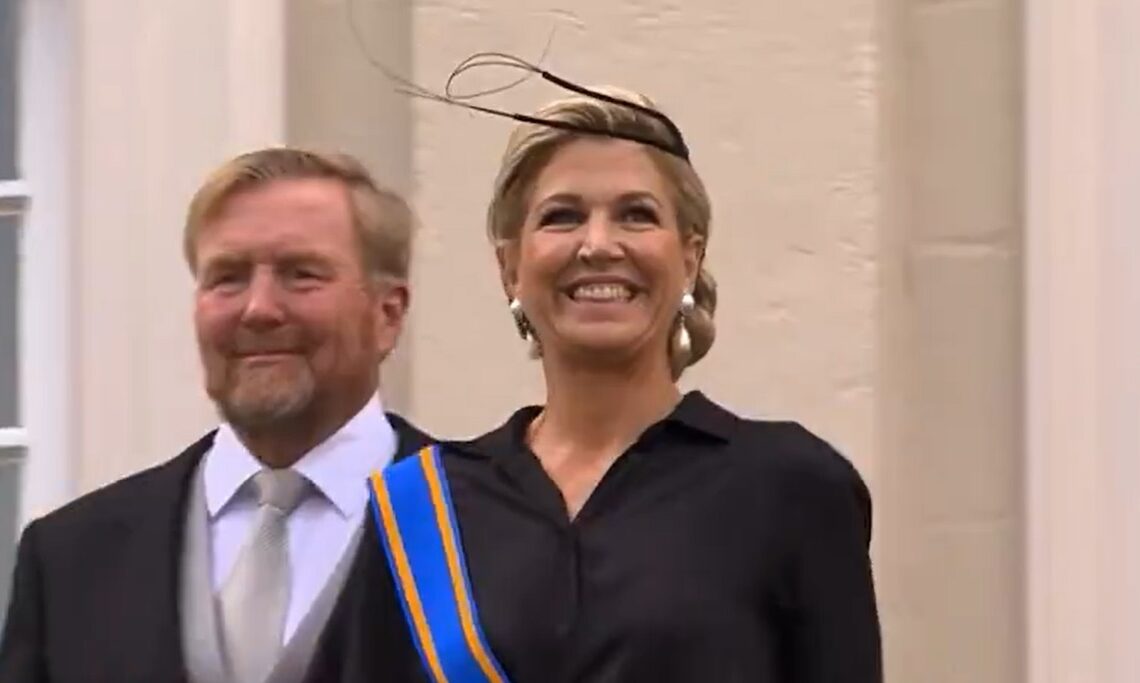
Queen Máxima, renowned for her penchant for bold colors and sophisticated silhouettes, presented a surprising yet undeniably chic departure from her established style. For this significant occasion, she opted for a refined black blouse paired with a flowing, full-length cream skirt. The ensemble was accentuated by an avant-garde fascinator, a sculptural piece that swirled to a sharp point, adding a dramatic flair to her otherwise understated yet impactful look. Her jewelry selection was equally minimalist, consisting of a pair of classic pearl earrings, underscoring the elegance of her chosen palette. This deliberate choice for monochrome—a stark contrast to her often vibrant ensembles—demonstrated a sophisticated understanding of occasion dressing and a subtle yet powerful statement of regal poise.
A Legacy of Style Passed Down
The influence of Queen Máxima’s fashion sense extended beyond her own presentation, creating a poignant intergenerational moment. Princess Alexia, her second daughter, paid homage to her mother by adorning a burgundy hat that had previously been a part of Queen Máxima’s collection. This thoughtful gesture not only showcased a shared appreciation for style but also highlighted the continuity of royal tradition.
Even more striking was the choice of Queen Máxima’s youngest daughter, Princess Ariane. The 19-year-old princess donned a striking burgundy gown, a piece that her mother had previously worn for Prinsjesdag on an earlier occasion. This act of re-wearing and reviving a significant royal garment speaks volumes about sustainability within the royal household and the enduring relevance of well-crafted couture. It also signifies a growing confidence and personal style assertion from the younger princesses, who are increasingly stepping into the public eye.
The Royal Procession and Parliamentary Address
The day commenced with the traditional carriage procession from the Royal Palace of Amsterdam to the parliament buildings in The Hague. The Dutch royal family, including the heir to the throne, Princess Catharina-Amalia, made a grand entrance, drawing the admiration of the assembled crowds. King Willem-Alexander, leading his family, was accompanied by his brother, Prince Constantijn, and his wife, Princess Laurentien, underscoring the familial support for this important constitutional duty.
Inside the historic Ridderzaal, King Willem-Alexander delivered his State of the Union-style address. The speech, meticulously crafted by the government, detailed the economic outlook, proposed legislation, and budgetary allocations for the forthcoming parliamentary year. It served as a roadmap for the nation’s governance and a crucial communication tool between the executive and legislative branches. Following the parliamentary address, the royal family embarked on their return carriage journey, culminating in the customary balcony appearance at the Royal Palace.
Balcony Appearance and Public Engagement
The balcony appearance is a cherished tradition, offering the public a glimpse of the royal family and serving as a moment of connection. As has become customary, Queen Máxima’s mother-in-law and former monarch, Princess Beatrix, also made an appearance at a window to acknowledge the enthusiastic crowds. This continuity of presence from past and present monarchs reinforces the enduring legacy of the Dutch monarchy.
On this particular Prinsjesdag, Queen Máxima was once again a central figure during the balcony presentation. The palace band provided a musical backdrop as a sizeable crowd gathered, waving Dutch flags and cheering for their royal family. This public display of unity and support is a vital element of the monarchy’s role in national life.
The Significance of Prinsjesdag
Prinsjesdag is more than just a ceremonial opening of parliament; it is a cornerstone of Dutch democracy and a visible representation of the constitutional monarchy’s enduring presence. Established in the early 19th century, the tradition has evolved, yet its core purpose remains: to facilitate a direct dialogue between the Crown and the elected representatives of the people. The event underscores the separation of powers, with the monarch acting as a symbol of national unity and continuity, while the government, accountable to parliament, steers the nation’s policy agenda.
The fashion choices of the royal family on Prinsjesdag have, in recent years, garnered significant attention, evolving from mere historical footnotes to subjects of considerable public interest and analysis. These sartorial decisions are often interpreted as reflecting personal style, national sentiment, and even subtle political or social messages. Queen Máxima, in particular, has cultivated a reputation as a style icon, her choices frequently dissected and admired by fashion enthusiasts and the general public alike. Her consistent ability to balance regal elegance with contemporary flair has made her a global fashion figure.
Analyzing the Fashion Impact
Queen Máxima’s choice of monochrome for Prinsjesdag this year can be analyzed as a sophisticated move towards understated power. In a world often characterized by visual noise, a deliberate return to classic, muted tones can convey a sense of gravitas and unwavering confidence. It allows the individual to command attention through presence and demeanor rather than through overt visual stimulation. This approach can be seen as particularly fitting for a day that focuses on the serious business of governance and national planning.
Furthermore, the revival of her daughters’ outfits speaks to several important themes. Firstly, it highlights a conscious effort towards sustainable fashion practices within the royal family. The re-wearing of garments, particularly those with historical significance, sends a powerful message about valuing longevity and reducing waste, aligning with contemporary global concerns about environmental responsibility. Secondly, it demonstrates a nurturing and inclusive approach to fashion within the family, where younger members are encouraged to engage with and draw inspiration from the style legacy of their elders. This intergenerational sharing of sartorial history can foster a deeper understanding of tradition and personal identity.
The choice of Princess Ariane to wear a gown previously worn by her mother for the same event on Prinsjesdag is a particularly potent symbol. It signifies a direct lineage of style and, by extension, a potential future role within the monarchy. It suggests that the traditions and the responsibilities associated with them are being thoughtfully passed down, not just in principle, but also in tangible, symbolic gestures.
Broader Implications and Future Trends
The Dutch royal family’s engagement with fashion, particularly during significant national events, continues to shape public perception and influence style trends. Queen Máxima’s ability to consistently deliver impactful yet appropriate looks solidifies her position as a key figure in royal diplomacy and public relations. Her fashion choices are often a subtle form of soft power, projecting an image of sophistication, modernity, and approachability.
The trend of royal family members embracing sustainable fashion and re-wearing garments is likely to gain further traction. As global awareness of environmental issues grows, royal households, with their significant public platform, are well-positioned to lead by example. This shift towards mindful consumption in fashion resonates with younger generations and can foster a more responsible approach to consumption across society.
In conclusion, Prinsjesdag 2026 was a day of dual significance for the Dutch monarchy. While King Willem-Alexander fulfilled his constitutional duties, Queen Máxima and her daughters captivated the public with a masterful display of regal style and intergenerational connection. The Queen’s bold monochrome choice, complemented by her daughters’ thoughtful embrace of her fashion legacy, not only underscored their individual elegance but also subtly highlighted the enduring values of tradition, sustainability, and familial continuity within the House of Orange-Nassau. This event serves as a reminder that even in the most formal of settings, personal style can convey profound messages and inspire a nation.




 Yuyun Lusiyani
 Joko Widodo
 Pevita Pearce
 admin
admin
 Lina Irawan