
 admin
admin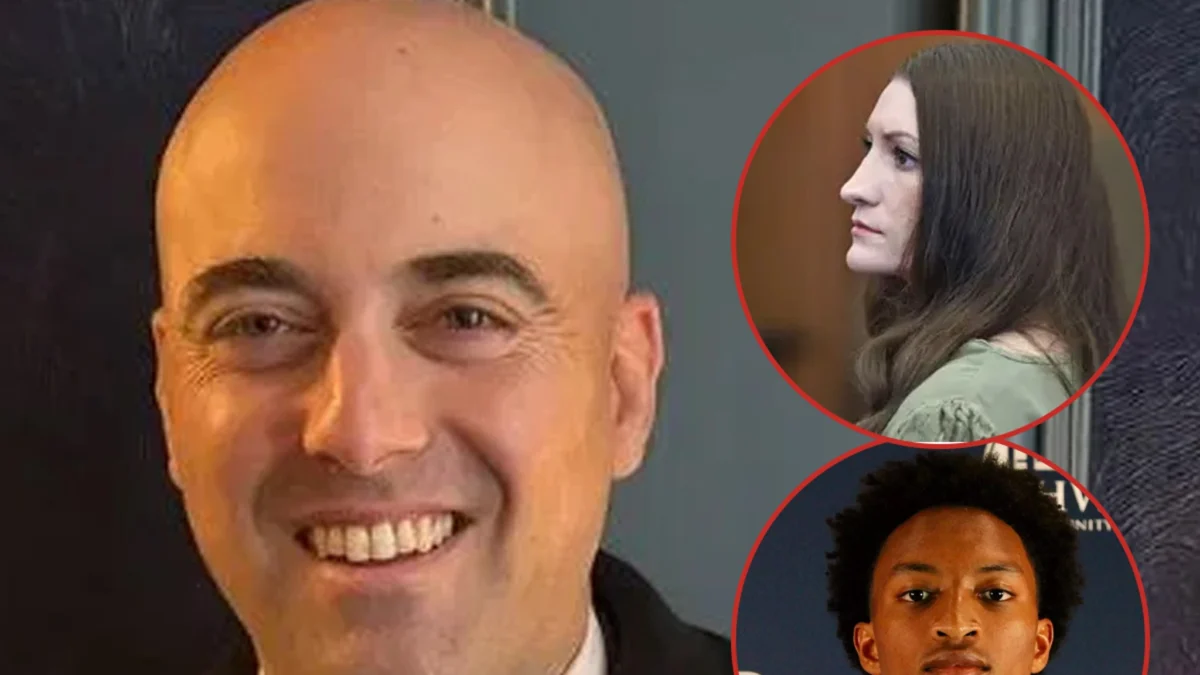
The lone holdout juror in the high-profile Lindsay Clancy murder trial, whose identity remains under court seal following an intense public backlash, has secured legal representation, appointing prominent attorney Edward Andrew Paltzik. This development, announced on September 17, 2026, marks a significant escalation in the aftermath of the mistrial, placing further scrutiny on the juror, the judicial process, and the broader societal implications of such a deeply emotional case. Notably, Paltzik already represents individuals connected to Nolan Wells, adding another layer of complexity to his involvement.
The Juror’s Legal Representation and Public Stance
Edward Andrew Paltzik, a lawyer who has gained recent attention for representing a friend of Nolan Wells, publicly confirmed his new client, the anonymous juror, via social media. Paltzik’s announcement was unequivocal, describing his client as a "courageous and heroic" American and a "champion of justice." This strong defense comes amidst widespread criticism and public pressure directed at the juror, who prevented a unanimous verdict in the Clancy trial. Paltzik has vowed to protect his client from what he characterizes as public attacks and has confirmed that the juror is currently in a secure, undisclosed location in rural Northern New England. The attorney emphasized that his immediate focus is on ensuring his client’s health, safety, and overall well-being. This move to secure legal counsel underscores the extraordinary pressures faced by jurors in cases that capture intense public interest, particularly when their decisions lead to outcomes that diverge sharply from public expectation or the consensus of their peers. The sealing of the juror’s identity by the court itself speaks volumes about the perceived threat to their privacy and safety.
Unpacking the Lindsay Clancy Case: A Brief Overview
To fully grasp the significance of these developments, it is crucial to revisit the context of the Lindsay Clancy trial. Lindsay Clancy, a former labor and delivery nurse from Duxbury, Massachusetts, was accused of the unthinkable: the murders of her three young children – 5-year-old Cora, 3-year-old Dawson, and 8-month-old Callan – in January 2023. The prosecution presented a case arguing for premeditated murder, portraying Clancy as fully aware of her actions despite alleged mental health struggles. They sought to prove that she deliberately planned and carried out the killings.
Conversely, the defense hinged its case on a powerful and emotionally charged argument: that Clancy was suffering from severe postpartum psychosis at the time of the incident, a debilitating mental illness that rendered her incapable of understanding the wrongfulness of her actions. This defense sought to establish a lack of criminal responsibility, arguing for a verdict that would lead to mental health treatment rather than traditional incarceration. The trial, which lasted several weeks, involved extensive testimony from medical experts, law enforcement, and family members, painting a harrowing picture of a family tragedy and a mother grappling with profound mental health challenges. The stark contrast between the prosecution’s and defense’s narratives, coupled with the tragic loss of three innocent lives, made the case a focal point of national media attention and public debate, eliciting strong emotional responses from all corners.
Inside the Deliberation Room: Juror Criticisms and Mistrial Dynamics
The trial culminated in a mistrial, a direct result of the lone holdout juror’s steadfast refusal to align with the other eleven jurors. According to reports, the majority of the jury had coalesced around a verdict finding Lindsay Clancy "not criminally responsible" for the deaths of her children, largely accepting the defense’s argument regarding postpartum psychosis. However, the single juror remained unconvinced, leading to a hung jury and the subsequent declaration of a mistrial by the presiding judge.
Following the mistrial, several of the other jurors spoke out, albeit anonymously, expressing their frustration and offering criticisms of the holdout juror’s conduct during deliberations. These accounts painted a picture of a juror who was "difficult to engage," suggesting a reluctance or inability to participate fully in the collective discussion and analysis of evidence. More critically, some jurors alleged that the holdout did not adequately apply the "reasonable doubt" standard, a cornerstone of the American legal system that requires jurors to be convinced beyond a reasonable doubt of a defendant’s guilt for a conviction. These criticisms, while coming from within the confidential confines of the jury room, quickly fueled public debate about the responsibilities of jurors, the complexities of deliberation, and the potential for a single individual to derail a lengthy and costly legal process. The public, heavily invested in the emotional outcome of the Clancy case, struggled to reconcile the apparent consensus of eleven jurors with the intransigence of one, leading to an outpouring of strong opinions.
The Juror’s Background Under Scrutiny: Domestic Violence Allegations
Adding another layer of controversy to the unfolding drama, the holdout juror’s personal background has come under intense scrutiny since the mistrial. A report by NBCBoston revealed that the juror had been accused of domestic violence in 2021. While the specific charge was reportedly dismissed, the investigation further disclosed that an active restraining order involving a family member was still in place at the time the individual was selected for the Clancy jury.
This revelation has sparked significant questions regarding the jury selection process, known as voir dire. The purpose of voir dire is to identify and exclude potential jurors who may harbor biases or possess backgrounds that could compromise their impartiality or ability to serve. The existence of an active restraining order, particularly in a case involving domestic issues (even if not directly related to the defendant’s alleged crime), raises concerns about how thoroughly the background checks were conducted or what information was disclosed or considered during the selection phase. Legal experts and civil rights advocates are now discussing whether such information should have been sufficient grounds for disqualification, or if the process itself needs re-evaluation to prevent similar situations in future high-stakes trials. This incident highlights the delicate balance between a defendant’s right to a jury of their peers and the imperative to ensure that all jurors are truly impartial and capable of fulfilling their duties without undue personal biases influencing their judgment.
A Web of Connections: Attorney Paltzik’s Diverse Clientele
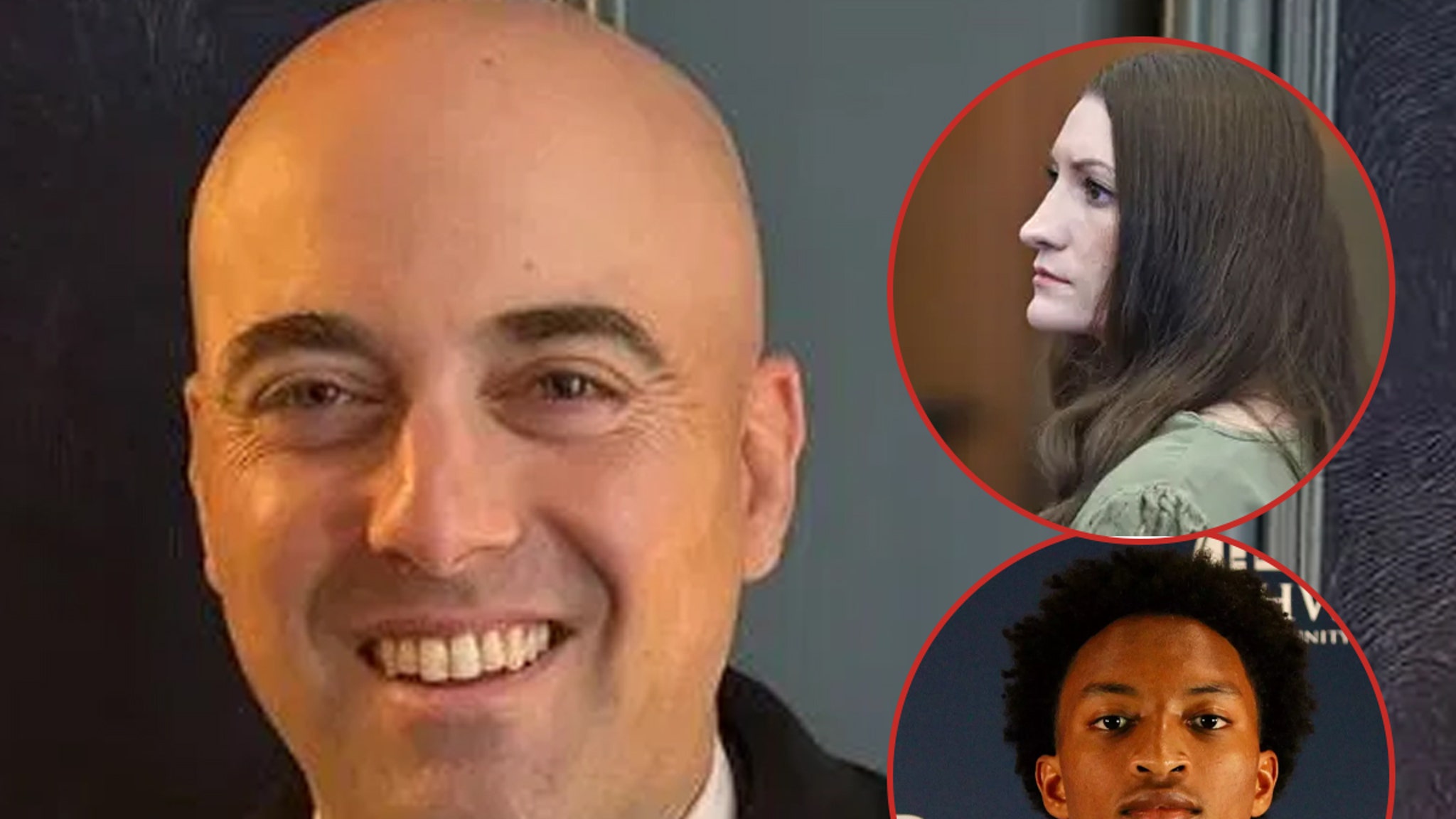
Edward Andrew Paltzik’s decision to represent the holdout juror gains additional significance when viewed in the context of his existing clientele. Paltzik currently represents Warren Hudson, Jax Pitalo, and Morgan Seymour – three individuals who are friends of Nolan Wells. Nolan Wells’ death has also been a subject of public interest, and Paltzik previously issued a joint statement to TMZ asserting that these three young men were "completely innocent" and had no involvement in Wells’ passing.
The fact that the holdout juror has now retained the same attorney representing friends of Nolan Wells, as explicitly stated in the original report, suggests a potential, albeit currently unclear, nexus of legal interests or a strategic alignment in the broader legal landscape. While the specific nature of this connection remains undisclosed, it raises questions about how the juror came to engage Paltzik and whether there are any underlying factors that link these seemingly disparate cases. It also positions Paltzik as a lawyer willing to take on controversial clients who are facing significant public and legal pressure, potentially signaling a particular approach to public relations and legal defense in the digital age. This intertwining of cases, though indirect, adds an intriguing dimension to the ongoing legal sagas and further amplifies public curiosity.
Protecting the "American Hero": Security and Financial Warnings
Paltzik’s characterization of his client as an "American Hero" and "Champion of Justice" is a bold statement, clearly intended to reframe the public narrative surrounding the holdout juror from that of an obstructionist to a principled individual. This rhetorical strategy aims to garner public sympathy and support for a person currently facing intense scrutiny and potential threats. The decision to move the juror to a secure, undisclosed location underscores the severity of the public backlash and the perceived need for protection. In an era where online harassment and doxxing are prevalent, the safety of individuals involved in high-profile legal cases has become a tangible concern for legal teams.
Furthermore, Paltzik has taken proactive steps to manage the public’s financial response, issuing a clear warning against unauthorized fundraising efforts. He explicitly stated that there are no legitimate GoFundMe or GiveSendGo accounts established for the juror, cautioning the public that any such pages are "fake, unauthorized or scams." This warning is crucial, as high-profile cases often attract opportunists seeking to exploit public sentiment for personal gain, and it indicates Paltzik’s intent to control all aspects of his client’s public representation, including potential financial support. This move helps protect the juror from potential fraud and ensures that any future, legitimate support channels, if established, would be properly vetted and authorized.
Broader Implications for Justice and Jury Service
The Lindsay Clancy mistrial and the subsequent events surrounding the holdout juror carry significant implications for the American justice system. Firstly, it highlights the immense psychological and social pressure placed upon jurors in high-profile cases, especially when the outcome is deeply polarizing. The expectation of impartiality often clashes with the reality of intense public and media scrutiny, which can spill over into threats and harassment, thereby compromising the integrity of future jury pools.
Secondly, the controversy surrounding the juror’s background and the voir dire process underscores the need for continuous evaluation and potential refinement of how juries are selected. Ensuring that individuals with potential biases or conflicts of interest are identified and excluded is paramount to upholding the principle of a fair trial. The fact that a restraining order was active during jury selection raises questions about the thoroughness of checks and the criteria applied by the courts.
Thirdly, the case rekindles debates about the future of a retrial for Lindsay Clancy. With a hung jury, the prosecution has the option to pursue a new trial. However, the emotional toll, the financial cost, and the challenge of seating an impartial jury for a second time in such a heavily publicized case are considerable. Alternatively, the defense might explore a plea bargain, though the specifics of such a negotiation would be complex given the initial charges. The legal maneuvering in the coming months will be closely watched.
Finally, this incident serves as a stark reminder of the power of a single juror and the fundamental role of the jury system in a democracy. While the outcome was a mistrial, the holdout juror, by adhering to their convictions (whether those convictions are justified or not in the eyes of others), demonstrated the profound responsibility entrusted to each individual juror. Paltzik’s defense of his client as a "champion of justice" seeks to frame this individual act of dissent within the broader narrative of defending fundamental legal principles, even when it leads to an unpopular outcome. The legal and societal fallout from this case is far from over, and its reverberations will likely influence discussions on jury duty, mental health defenses, and media ethics for years to come.




 Yuyun Lusiyani
 Joko Widodo
 Eva Lovia
 Pevita Pearce

 Lina Irawan