
 Pevita Pearce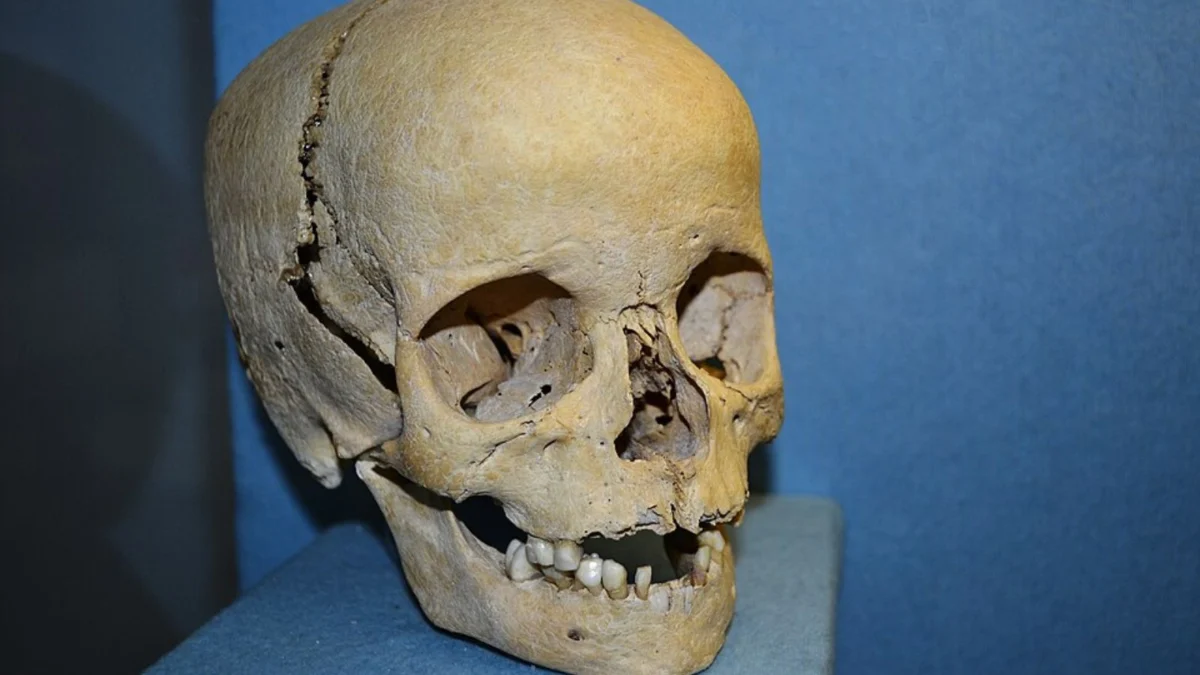
The landscape of influencer merchandise has traditionally been dominated by apparel, accessories, and digital products designed to foster a sense of community among followers. However, the content creator known as Horses has recently pushed the boundaries of traditional merchandising into a controversial and ethically complex territory. The creator, primarily known for deep-dive video essays exploring philosophical, historical, and often morbid themes, has listed a "real human skull" for sale on his official webstore. Priced at $3,000, the item is marketed as "ethically sourced," yet the listing provides no verifiable documentation, provenance, or specific details regarding the origin of the remains, sparking a significant debate regarding the legality and morality of the trade in human body parts within the creator economy.
The product listing, which appears alongside standard items such as t-shirts and hoodies, describes the skull as a unique specimen, noting that "each skull is different" and that buyers should expect variations in color, size, and shape from the promotional photographs. Despite the high price point, the item is currently listed as "out of stock," suggesting either a very limited inventory that sold out rapidly or a strategic use of the "sold out" status to manage demand or controversy. The listing further specifies a three-week estimated shipping window and includes a list of stringent geographical restrictions.
Legal Restrictions and Geographical Limitations
One of the most telling aspects of the listing is the explicit list of jurisdictions where the skull cannot be shipped. The store page notes that the item is unavailable for international shipping and cannot be sent to five specific U.S. states: Tennessee, Georgia, Louisiana, Minnesota, and Florida. These restrictions are not arbitrary; they reflect a complex patchwork of state-level legislation governing the sale and transport of human remains.
While there is no federal law in the United States that outright prohibits the private sale of human remains—provided they are not Native American remains protected under the Native American Graves Protection and Repatration Act (NAGPRA)—individual states have enacted their own statutes. Louisiana, for example, has some of the strictest laws in the country regarding the commercialization of human body parts. Under Louisiana Revised Statute 8:655, the sale of human remains is heavily regulated and generally prohibited outside of specific medical or scientific contexts. Similarly, Georgia and Florida have statutes that criminalize the "dealing in" or "trafficking of" human bodies, often classified as a felony or a high-level misdemeanor depending on the intent and the nature of the remains.
The exclusion of these states suggests that the seller, or the platform hosting the store, is aware of the legal volatility surrounding the bone trade. However, the legality of the sale in the remaining 45 states does not necessarily equate to ethical clarity, a point that has become the focal point of the burgeoning controversy surrounding Horses’ merchandise.
The Murky Origins of "Ethically Sourced" Remains
The term "ethically sourced" is frequently used in the trade of human remains, yet it lacks a standardized legal definition. In the context of the "bone trade," sellers often use this label to imply that the remains were obtained from former medical collections, retired anatomical specimens, or through documented donation programs. However, investigative reports, most notably a comprehensive multi-part series by Reuters titled "The Body Brokers," have highlighted the systemic lack of oversight in the "non-transplant tissue bank" industry.
Historically, the global supply of human skeletal remains was largely fueled by exports from India and China. For decades, India was the primary source of medical-grade skeletons, often harvested from marginalized populations without clear consent. Following a ban on the export of human remains by India in 1985 and a similar ban by China in 2008, the market shifted toward "vintage" specimens—bones that were already in circulation within the West, often dating back to the early-to-mid 20th century.
The primary ethical concern raised by observers and bioethicists is the "consent gap." Many of the human remains currently sold as "ethically sourced" curiosities originated as medical teaching tools from an era where informed consent was not a standard practice. In many cases, these individuals were from impoverished backgrounds, unclaimed from state institutions, or victims of colonial-era exploitation. When a modern creator lists such an item for $3,000, they are commodifying a person who may never have intended for their body to become a luxury decor item or a piece of "merch" for a digital audience.
Community Reaction and Digital Discourse
The discovery of the skull listing quickly transitioned from the Horses’ webstore to social media platforms, most notably Reddit. In the subreddit r/youtubedrama, users expressed a mixture of fascination, confusion, and discomfort. Unlike many influencer controversies that spark immediate and widespread outrage, the reaction to the Horses skull listing was characterized by a profound sense of bafflement.

Commenters on the platform pointed out the dissonance between the creator’s intellectual, often somber content and the high-priced sale of human remains. One user noted, "I know it says they’re ethically sourced on the page but there wasn’t any details about how and where from. I guess this is probably legal where he’s from but I won’t lie, it’s very off-putting." Another user highlighted the impossibility of verifying the "ethical" nature of the product, stating, "You basically never know now where these bones are coming from. A seller’s word is often the only assurance a buyer gets."
This skepticism is grounded in the reality of the private bone market. Unlike the art world, which has developed rigorous provenance tracking for high-value items, the private trade in human remains often relies on "gentleman’s agreements" and anecdotal history. Without a clear chain of custody—such as original medical school acquisition papers or donation records—the claim of ethical sourcing remains an unverified marketing assertion.
The Broader Context of Creator Merchandising
The decision by Horses to sell a human skull represents an extreme example of a broader trend in the creator economy: the move toward "niche" or "shock" merchandise to stand out in a saturated market. As traditional merchandise like t-shirts becomes less profitable due to high competition and low margins, creators are looking for unique products that align with their specific "brand identity."
For a creator like Horses, whose videos often touch on the "sublime," the "uncanny," and the "memento mori" (the medieval theory and practice of reflection on mortality), a human skull is, in a strictly thematic sense, "on brand." However, this alignment between content and commerce raises questions about the limits of brand-building.
This incident follows other recent controversies in the YouTuber merchandise space. For example, the creator Mighty Mike Plays recently faced significant backlash for selling AI-generated t-shirts following a highly publicized financial mishap involving accidental advertising spend. While the two situations are different in nature—one involves intellectual property and the other involves human remains—they both point to a growing disconnect between creators and their audiences regarding the perceived value and ethics of the products being sold.
Lack of Official Response and Future Implications
As of the time of writing, Horses has not released a formal statement or a video explaining the sourcing process or the motivation behind the listing. The "out of stock" status has left many wondering if the item was a limited-run experiment or if the creator is reconsidering the listing in light of the public discussion.
The lack of transparency is a significant hurdle for the creator. In the digital age, audiences increasingly demand "radical transparency," especially when it comes to products that carry heavy ethical weight. For a creator who built a reputation on deep research and intellectual rigor, the absence of a detailed explanation for such a provocative item is seen by some as a lapse in the very standards that made the channel popular.
The implications of this sale extend beyond a single YouTube channel. It highlights a regulatory gray area in e-commerce. While platforms like eBay and Instagram have implemented policies to restrict or ban the sale of human remains, independent webstores (often hosted on platforms like Shopify) provide creators with more autonomy. If more creators follow suit by selling "oddities" or biological specimens, it may trigger a more robust legislative response or a crackdown from payment processors and hosting services.
Conclusion: The Intersection of Morbidity and Commerce
The sale of a real human skull by YouTuber Horses serves as a case study in the complexities of the modern creator economy. It sits at the intersection of legal ambiguity, historical exploitation, and the relentless drive for unique brand monetization. While the trade in human remains remains legal in much of the United States, the ethical dimensions of such a trade—particularly when divorced from medical or scientific utility—remain highly contentious.
For the followers of Horses, the listing is a reminder of the thin line between exploring morbid themes as an intellectual exercise and participating in the commodification of those themes for profit. As the digital community continues to debate the merits of "ethically sourced" remains, the burden of proof remains on the seller to demonstrate that their "merchandise" respects the dignity of the deceased and the sensitivities of the living. Without such proof, the $3,000 skull remains not just a high-priced curiosity, but a symbol of the ethical challenges inherent in the unregulated frontiers of influencer commerce.




 Yuyun Lusiyani
 Joko Widodo
 Eva Lovia
 admin
admin
 Lina Irawan