
 Lina Irawan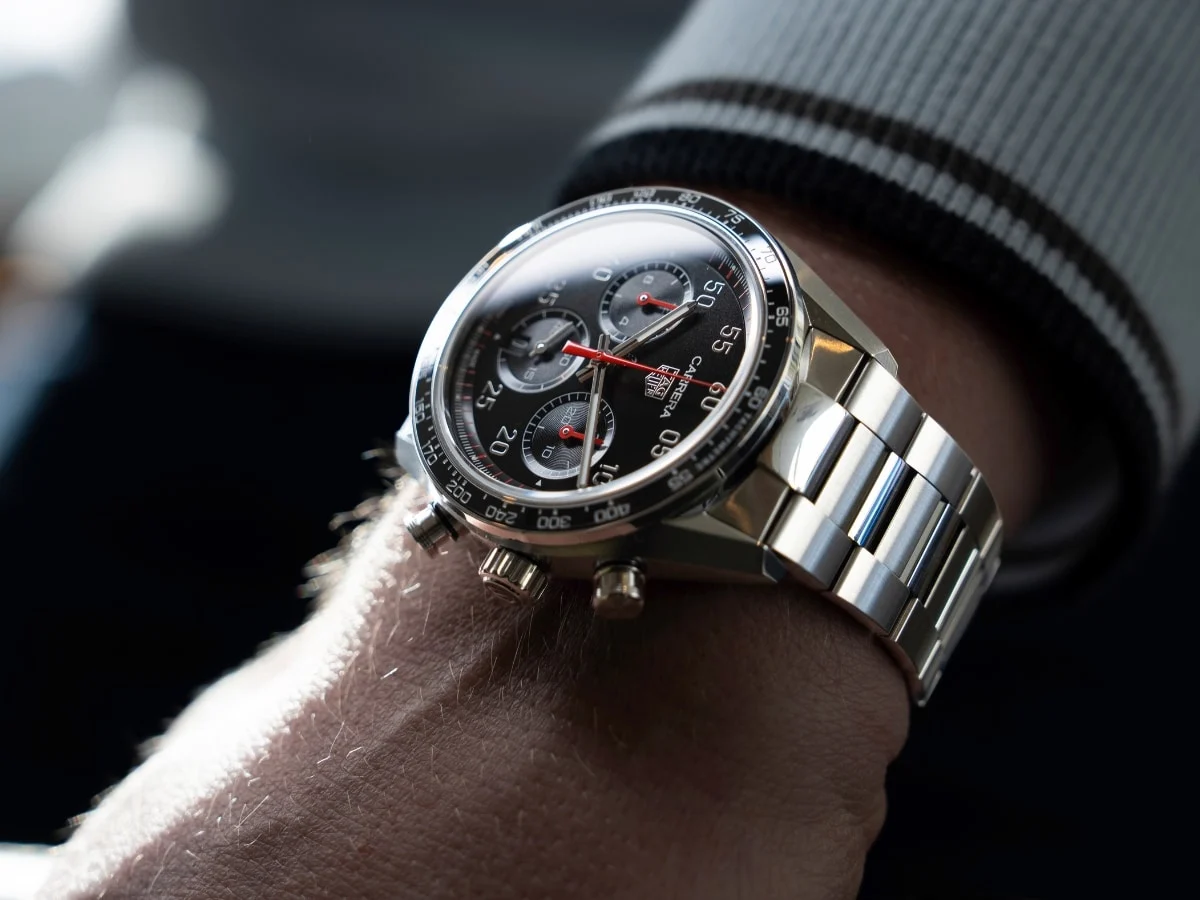
The global horological landscape has witnessed a significant convergence of heritage revival and avant-garde artistic collaboration this week, marked by major releases from TAG Heuer, Rolex, Hublot, and Ressence. Leading the announcements is TAG Heuer’s comprehensive overhaul of the Carrera Chronograph Sport collection, which signals a strategic shift toward more ergonomic case dimensions and refined technical aesthetics. This move is mirrored by Rolex’s unexpected revival of the "Padellone" calendar complication, a reference deeply rooted in 1950s collector culture, and Hublot’s latest foray into the fine arts through a partnership with Jeff Koons. Together, these developments highlight a broader industry trend where brands are balancing archival reverence with contemporary engineering and celebrity-driven high-complication showcases, such as Alexander Zverev’s recent Grand Slam victory while wearing a six-figure Jacob & Co. tourbillon.
The Evolution of the TAG Heuer Carrera Chronograph Sport
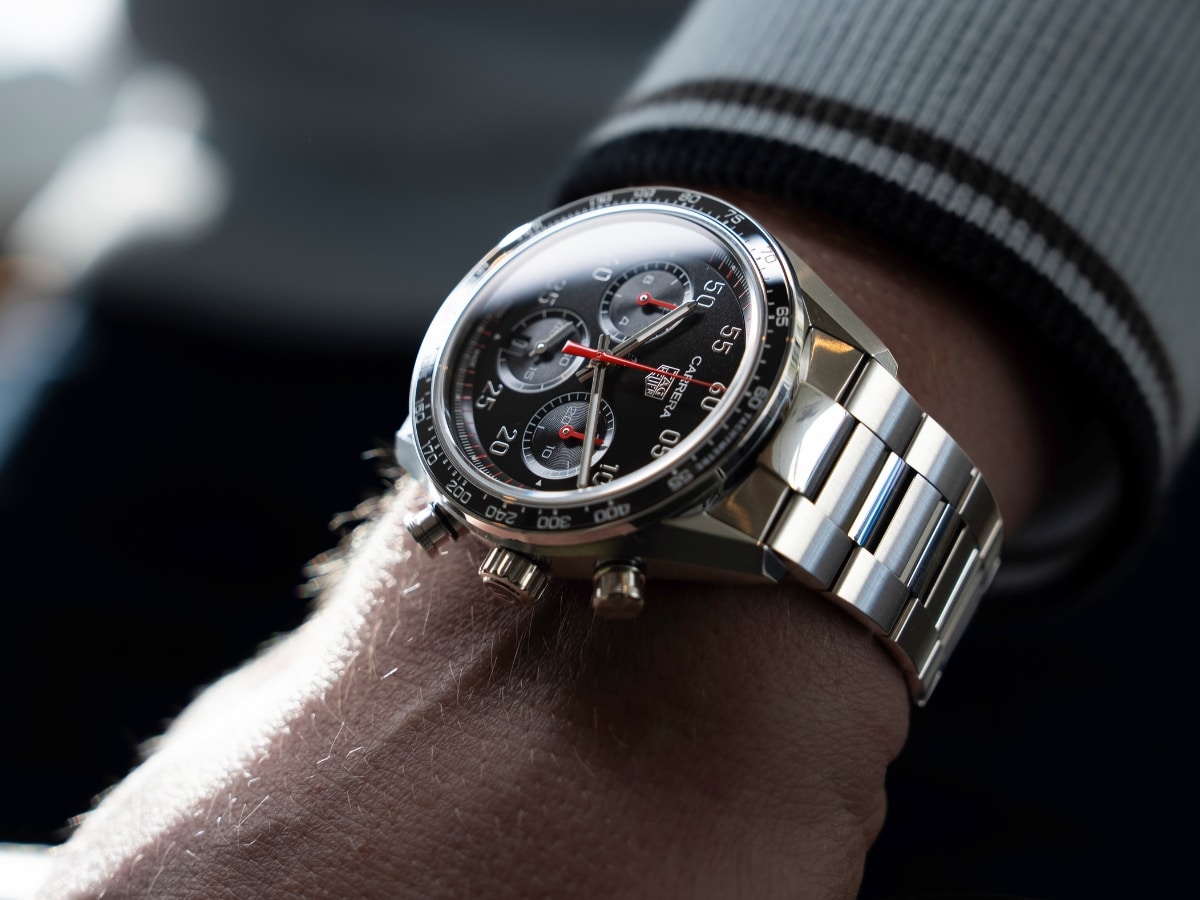
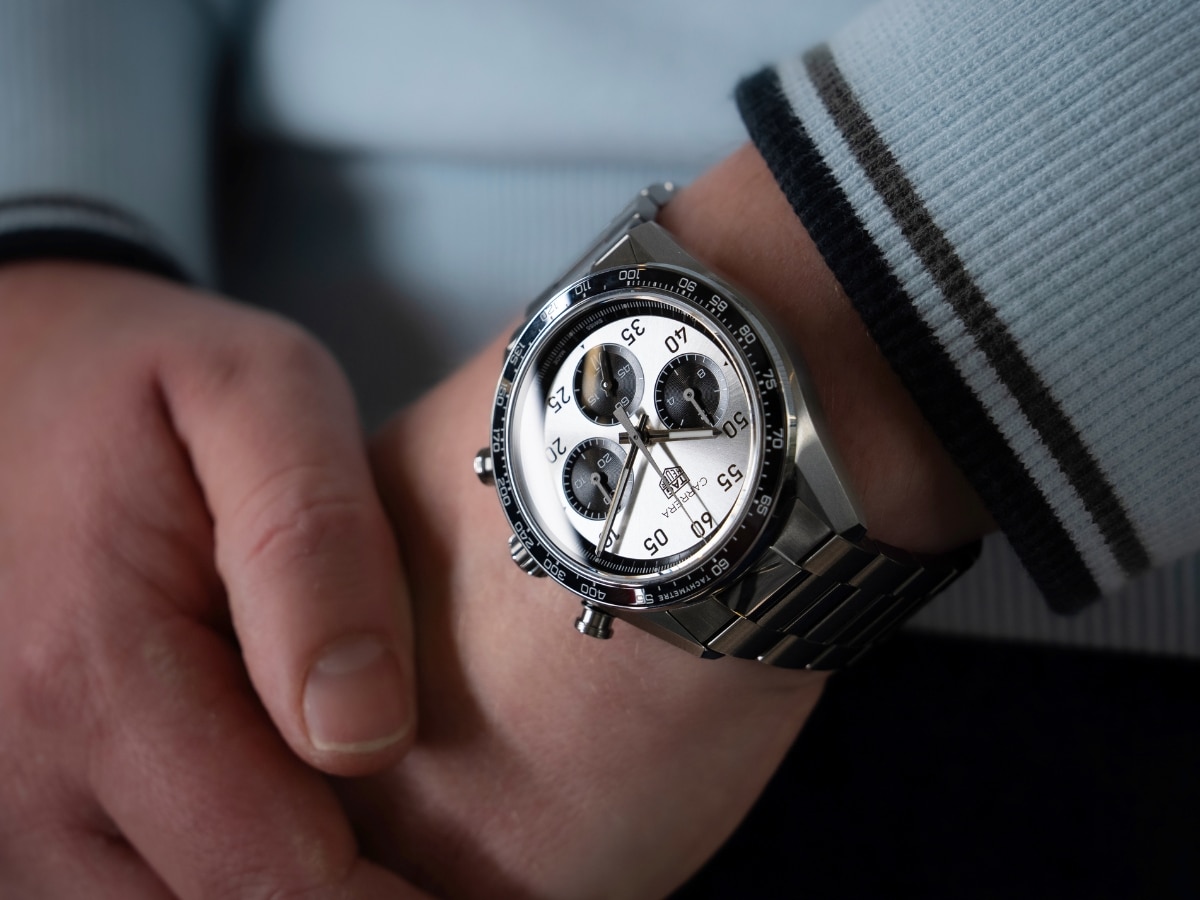
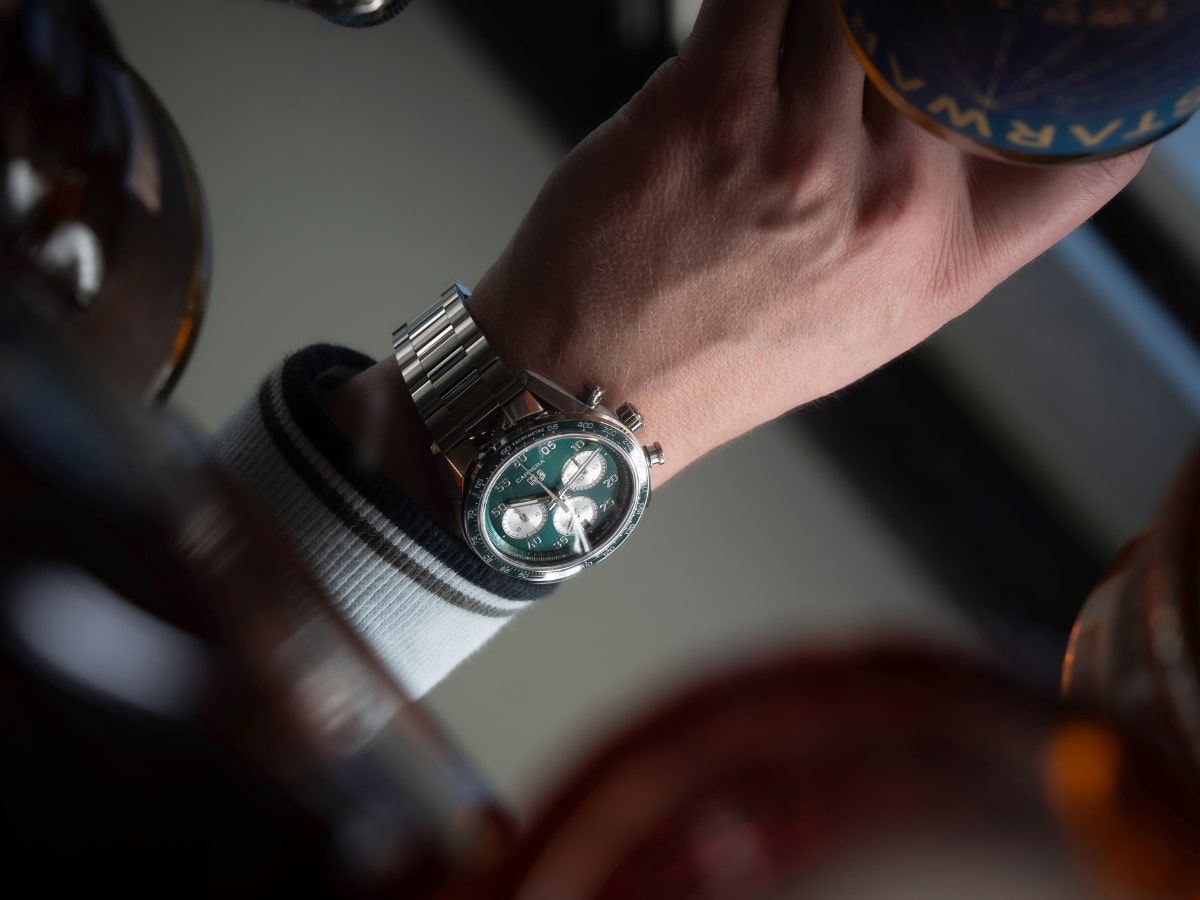
TAG Heuer has officially introduced a new generation of the Carrera Chronograph Sport, a collection that serves as the technical bridge between the brand’s entry-level Formula 1 line and the high-concept "Glassbox" designs of recent years. The most significant update involves a fundamental change in geometry; the previous 44mm case diameter has been reduced to 42mm. This reduction is accompanied by a shortened lug-to-lug distance of 48.6mm (down from 49.8mm) and a thickness reduction of 1.31mm.
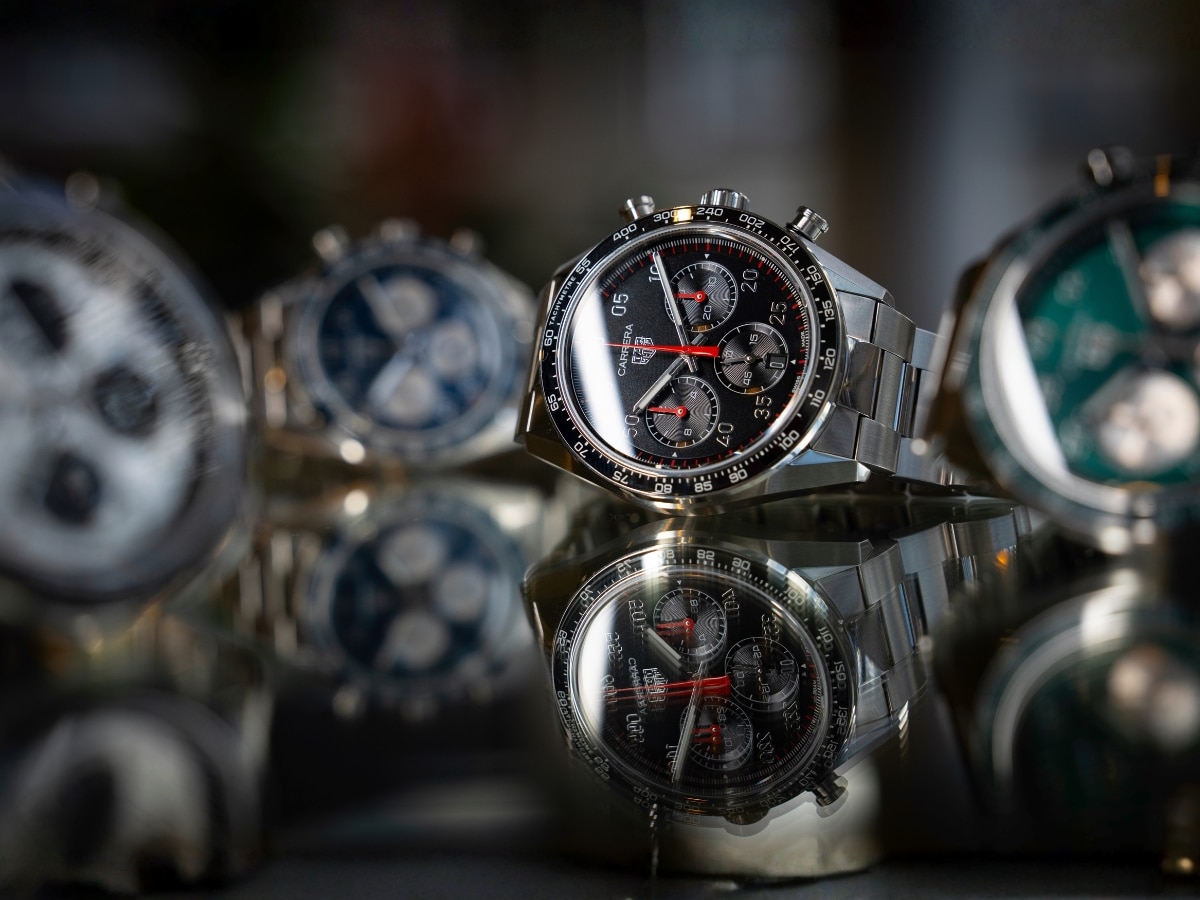
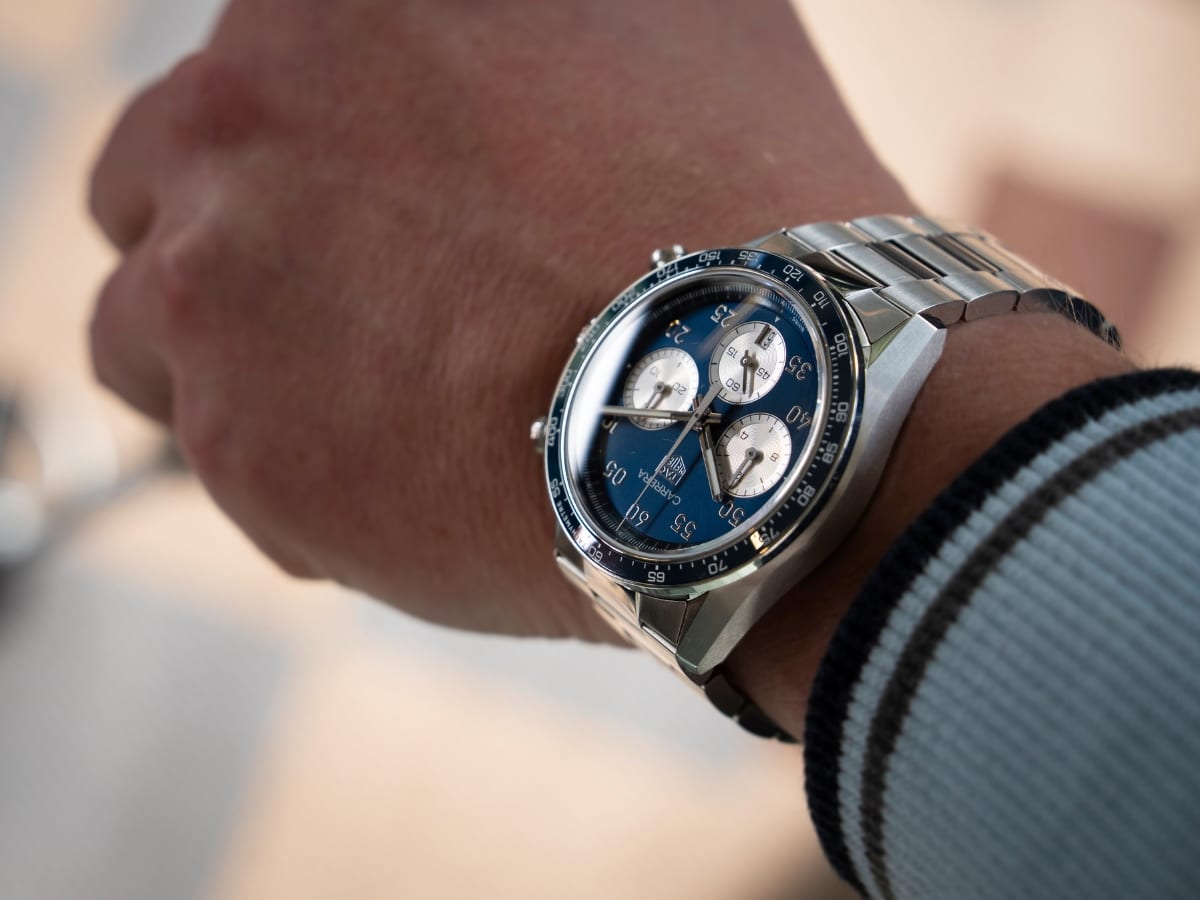
These adjustments reflect a growing consumer preference for mid-sized chronographs that offer professional-grade utility without the bulk traditionally associated with motorsport timepieces. The new collection comprises four distinct colorways: a sunray-brushed blue dial with matching ceramic bezel, a classic "Panda" silver dial with black sub-dials, a teal green finish, and a black opalin dial featuring red accents reminiscent of vintage dashboard instrumentation.

Internally, the collection is powered by the in-house Calibre TH20-00. An evolution of the Heuer 02 movement, the TH20-00 features a bidirectional winding system and a substantial 80-hour power reserve. The movement’s architecture, including its signature shield-shaped rotor, is visible through a sapphire crystal caseback. This release solidifies TAG Heuer’s commitment to the Carrera’s 60-year legacy while modernizing the platform for a contemporary audience.
Hublot and Jeff Koons: The Art of Fusion Meets Pop Culture
Hublot has expanded its "Art of Fusion" portfolio through a new collaboration with American artist Jeff Koons. The Classic Fusion Balloon Dog by Jeff Koons translates one of the most recognizable sculptures of the 20th century into a trio of timepieces. Unlike traditional collaborations that merely print an artist’s signature on a dial, Hublot’s engineers have reinterpreted the "air-sculpted" aesthetic across the bezel, dial, and bracelet elements.
The design features a unique seconds hand shaped in the motif of Koons’ balloon dog, while the movement’s rotor has been redesigned to reflect the sculpture’s rounded, reflective surfaces. This partnership follows Hublot’s established pattern of working with world-class artists such as Takashi Murakami and Richard Orlinski. By integrating Koons’ high-gloss, neo-pop style into the Classic Fusion framework, Hublot continues to position itself at the intersection of luxury watchmaking and contemporary art investment.
Chronology of the Rolex Padellone Revival
In a move that has surprised vintage enthusiasts, Rolex has reintroduced the "Padellone" designation within its Perpetual collection. The original Ref. 8171, produced between 1949 and 1952, earned the nickname "Padellone" (Italian for "large frying pan") due to its then-unprecedented 38mm case size and complex triple-calendar moonphase display.
The 2026 iteration of the Perpetual Padellone retains the vintage aesthetic but introduces a modern annual calendar mechanism. This complication automatically distinguishes between 30-day and 31-day months, requiring only one manual adjustment per year at the end of February. The watch is offered in platinum and Everose gold configurations, with a retail price positioned at approximately AUD$83,000.
Technical Comparison: Padellone Ref. 8171 vs. 2026 Perpetual Padellone
| Feature | Vintage Ref. 8171 (1950s) | New Perpetual Padellone (2026) |
|---|---|---|
| Case Diameter | 38mm | 40mm |
| Complication | Complete Calendar (Manual) | Annual Calendar (Automatic) |
| Case Material | Steel, Yellow Gold, Pink Gold | Platinum, Everose Gold |
| Moonphase | 29.5-day cycle | High-precision (122-year accuracy) |
| Market Position | Rare Vintage Auction Piece | Modern High-End Dress Complication |
Ressence Type 9: A Hidden Message in Horological Design
The Belgian brand Ressence, known for its patented Ressence Orbital Convex System (ROCS), has announced a collaboration with artist Jules Wittock. The Type 9 JWE (Emerald Green) and Type 9 JWB (Black) are limited to 30 pieces each and feature a hand-drawn maze on the dial surface.
The collaboration utilizes the rotating nature of the Ressence dial to create a "temporal easter egg." The maze, drawn freehand by Wittock, only aligns to reveal a hidden word at a specific time: midnight. This design philosophy emphasizes the brand’s focus on the emotional and interactive relationship between the wearer and the passage of time. By incorporating Wittock’s childhood-inspired ritual of "making wishes" at specific times, the Type 9 serves as a piece of kinetic art that rewards the wearer’s patience.
Alexander Zverev and the US Open High-Complication Showcase
The intersection of professional sports and high horology was prominently displayed at the 146th US Open. Following his second career Grand Slam victory, Alexander Zverev was observed wearing the Jacob & Co. "The World Is Yours" Dual Time Zone Tourbillon. Valued at approximately USD$280,000 (AUD$391,000), the timepiece is a technical tour de force in the realm of travel watches.
The watch utilizes the Manufacture Calibre JCAA45, which features two independent sub-dials for different time zones. Uniquely, the movement is centered around a high-speed 30-second tourbillon. Unlike standard tourbillons that rotate once per minute, this accelerated rate provides greater visual dynamism and theoretically offers better compensation against gravity-induced rate errors. The rose-gold case features a highly detailed engraving of the Earth, reinforcing the global nature of the dual-time complication and Zverev’s international career.
Market Analysis: Trends in Downsizing and Complication Accessibility
The recent wave of releases suggests several key shifts in the luxury watch market for the mid-2020s:
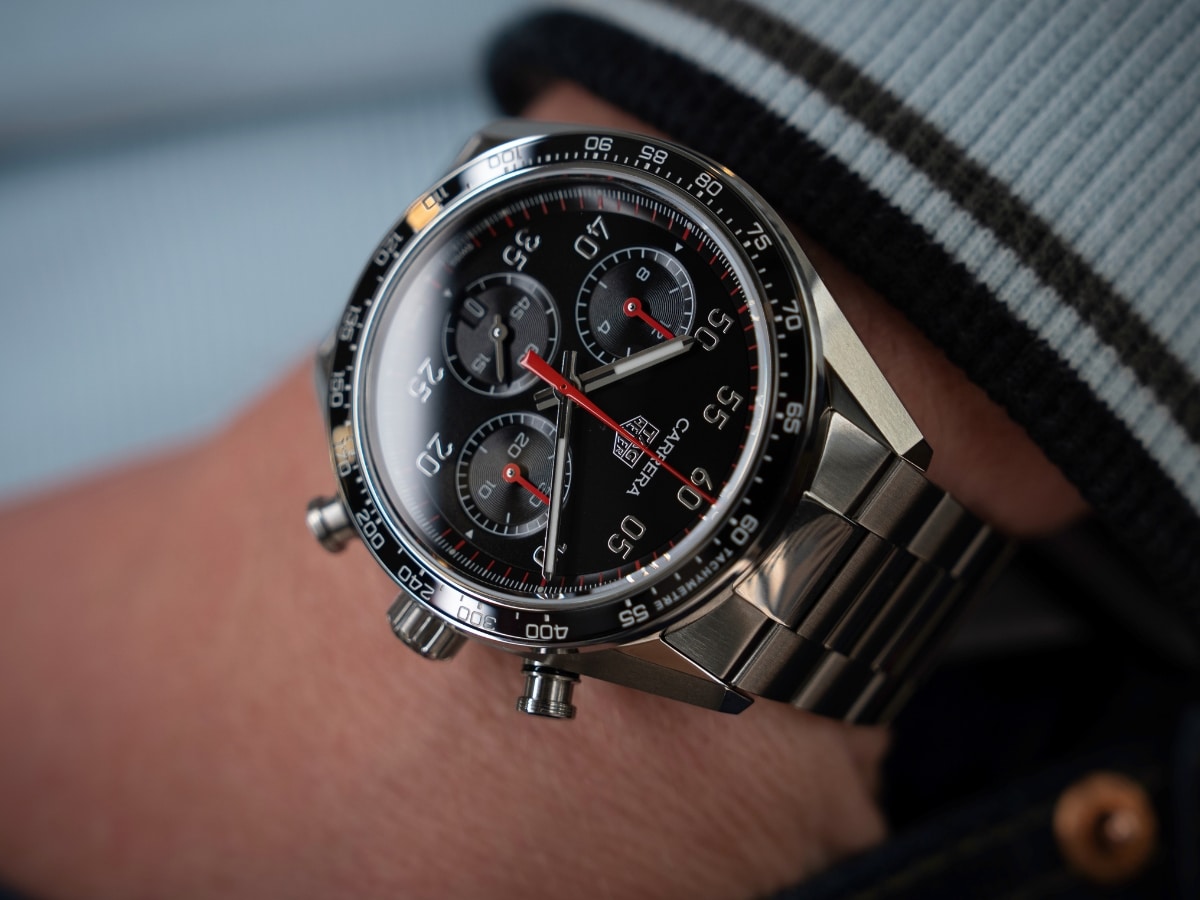
- Ergonomic Refinement: The downsizing of the TAG Heuer Carrera Sport from 44mm to 42mm aligns with a broader industry move away from the "oversized" trend of the 2010s. Brands are finding that wearable dimensions increase a model’s longevity and secondary market appeal.
- Mechanical Ambition in Dress Watches: Rolex’s decision to implement an annual calendar in the Padellone, rather than a simpler complete calendar, indicates a desire to compete more directly with brands like Patek Philippe and Vacheron Constantin in the high-complication dress watch sector.
- The Art-Watch Economy: The success of collaborations like Hublot x Koons and Ressence x Wittock demonstrates that collectors are increasingly looking for "conversation pieces" that bridge the gap between traditional craftsmanship and contemporary cultural relevance.
- Sporting Ambassadorships as R&D: High-profile placements, such as Zverev’s Jacob & Co., serve as real-world testing grounds for high-complication durability. The trend of athletes wearing tourbillons during or immediately after high-intensity matches continues to redefine the "sports watch" category.
Broader Implications and Future Outlook
The diversification of these releases indicates a healthy and competitive horological ecosystem. For TAG Heuer, the refined Carrera Sport is a necessary step in elevating the brand’s perceived value and technical prowess. For Rolex, the Padellone revival suggests a willingness to explore more niche, enthusiast-driven corners of its history.
As 2026 progresses, the industry is likely to see further integration of advanced materials and artistic partnerships. The movement toward "meaningful complications"—those that offer a unique visual or emotional experience, such as the Ressence maze—is expected to grow as younger collectors prioritize storytelling alongside mechanical specifications. In the luxury sector, the successful blend of historical DNA with forward-thinking engineering remains the primary driver of both brand prestige and commercial success.




 Yuyun Lusiyani
 Joko Widodo
 Jia Lissa
 Pevita Pearce
 admin
admin
