
 admin
admin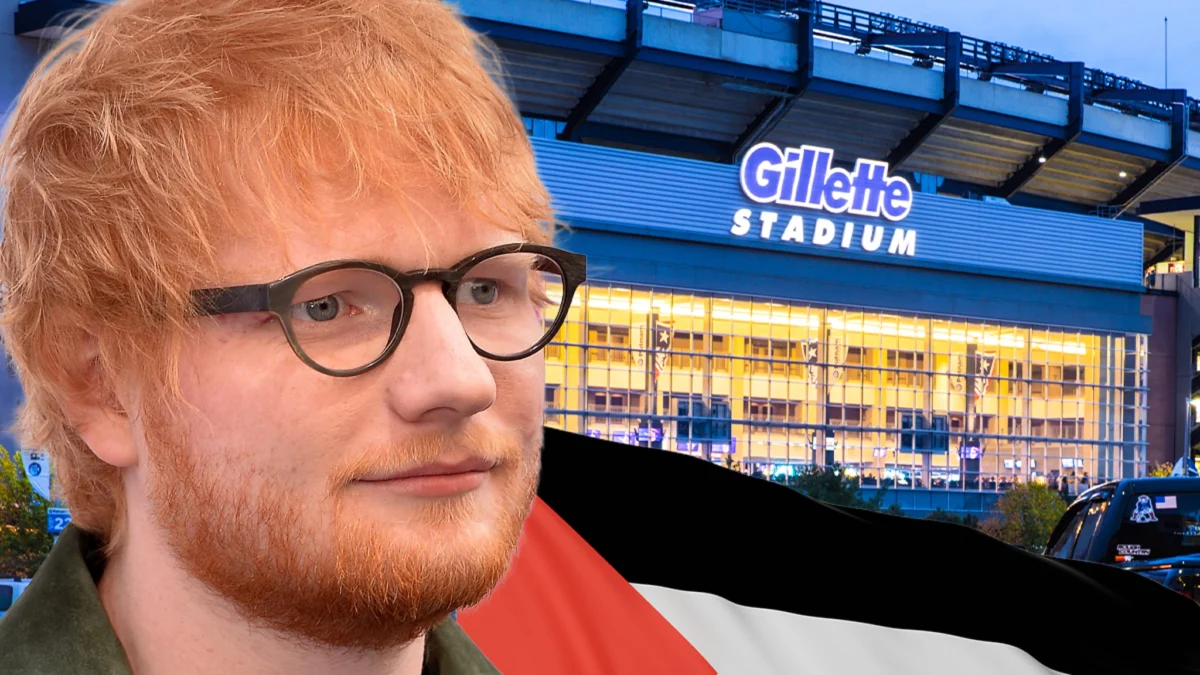
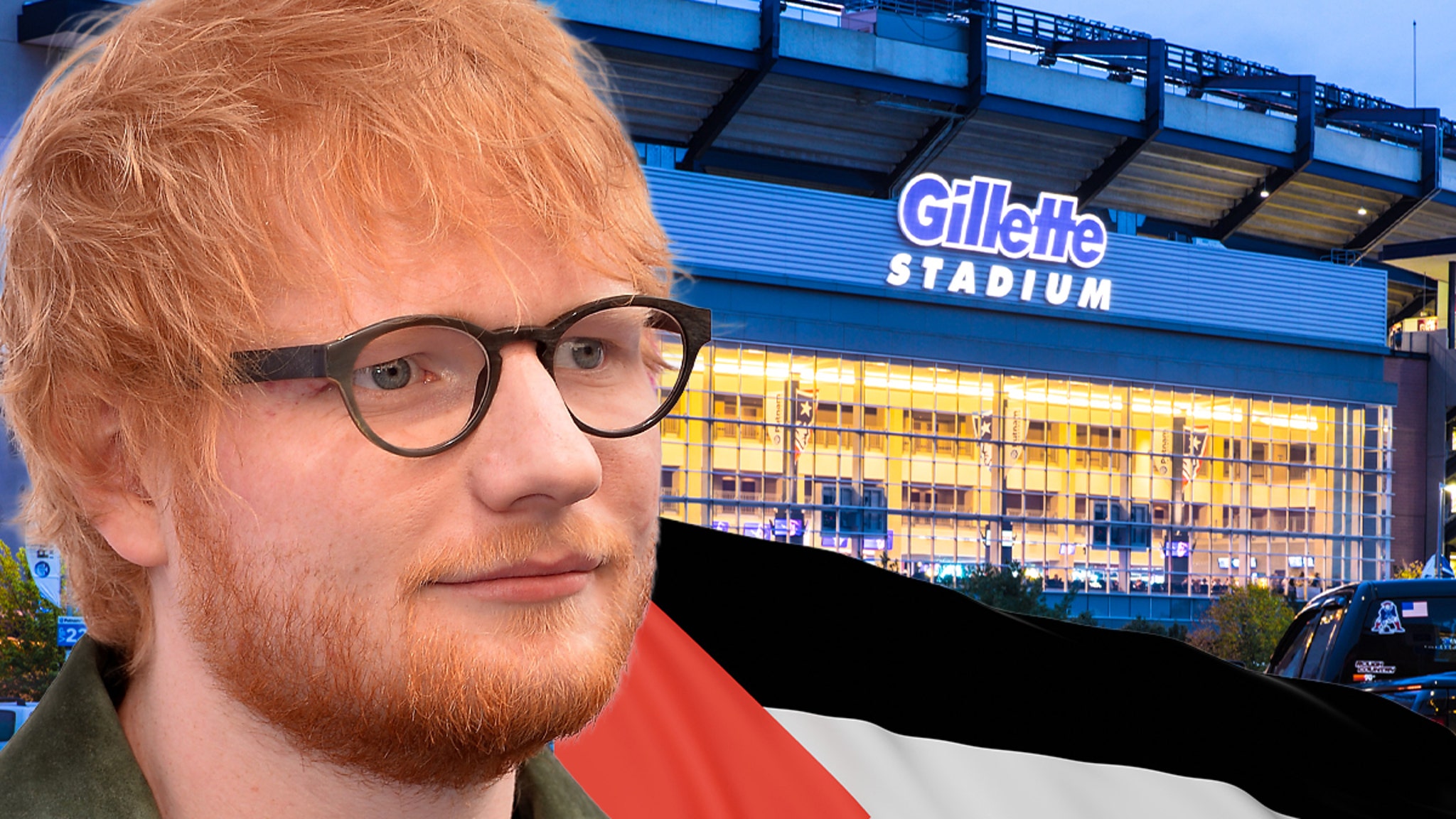
A significant demonstration organized by Massachusetts Peace Action (MAPA), a prominent advocacy group, is scheduled to take place this Saturday, September 26, 2026, outside Gillette Stadium in Foxborough, Massachusetts. The protest targets the second of two Ed Sheeran concerts at the venue and is deeply rooted in the escalating controversy surrounding the alleged removal of rapper Macklemore from Sheeran’s ongoing tour. This contentious situation reportedly stems from Macklemore’s outspoken pro-Palestine views and accusations of antisemitic imagery, with New England Patriots owner Robert Kraft, who owns Gillette Stadium, implicated as a key figure in the decision to oust the rapper. The impending demonstration highlights the volatile intersection of celebrity, corporate power, and geopolitics, bringing the Israel-Palestine conflict directly to the gates of a major entertainment venue.
The Genesis of the Controversy: Macklemore, Palestine, and Accusations
The focal point of the current unrest traces back to rapper Macklemore’s involvement with Ed Sheeran’s tour. Macklemore, known for his politically charged lyrics and activism, has been an vocal supporter of the Palestinian cause, frequently using his platform to express solidarity and criticize Israeli policies. This stance, particularly in the current heightened global climate surrounding the Israel-Palestine conflict, quickly drew both fervent support and strong condemnation. The controversy intensified with allegations that Macklemore had utilized antisemitic imagery during his performances on the tour. While specific details of these alleged instances remain debated, the accusations fueled outrage among pro-Israel groups and those concerned about rising antisemitism. Macklemore’s supporters, however, vehemently deny these claims, asserting that his imagery and statements are critical of government actions, not of Jewish people, and that labeling his advocacy as antisemitic is an attempt to silence legitimate criticism. This division in interpretation underscores the profound sensitivity and complexity of discussions surrounding the conflict.
Robert Kraft’s Alleged Role and Philanthropic Context
At the heart of the tour reshuffle is billionaire Robert Kraft, owner of the New England Patriots and Gillette Stadium. Kraft is widely recognized not only for his extensive business empire and sports franchises but also for his significant philanthropic endeavors, particularly in combating antisemitism and supporting Jewish causes. Through his Foundation to Combat Antisemitism (FCAS), Kraft has launched high-profile campaigns, such as "Stand Up to Jewish Hate," aimed at raising awareness and fostering unity against hate speech and prejudice directed at Jewish communities. Given this background, reports that Kraft allegedly spearheaded an effort among stadium owners to remove Macklemore from the tour are seen by many as consistent with his broader mission. While Kraft himself has not issued a direct public statement regarding his alleged involvement in Macklemore’s removal, the perception that he leveraged his considerable influence to address what he or his associates viewed as offensive content has become a central point of contention for activists like MAPA. For his critics, however, this action represents an exertion of corporate power to silence dissenting political speech.
Ed Sheeran’s Position and Public Scrutiny
British singer-songwriter Ed Sheeran finds himself caught in the crossfire of this highly charged debate. Sheeran’s tour, intended as a platform for his music, has inadvertently become a stage for political activism. Following Macklemore’s alleged removal, Sheeran became the subject of intense scrutiny and criticism. At a recent concert in Philadelphia, Sheeran reportedly became visibly emotional, breaking down in tears while addressing his fans from the stage. He has publicly insisted that the decision to remove Macklemore was not his own, implying it was an external force or decision beyond his control. Despite his attempts to distance himself from the controversy, many critics and fans have "raked him over the coals," arguing that he has not done enough to support his fellow artist or to challenge what they perceive as censorship. The expectation from some segments of the public is that artists with Sheeran’s stature should use their influence to advocate for free expression, particularly when political stances are at stake. His emotional response, while perhaps genuine, has done little to quell the dissatisfaction among those who believe he should have taken a stronger stand.
Massachusetts Peace Action: A Call Against Censorship and "Genocide"
Massachusetts Peace Action (MAPA) has taken the lead in organizing the Foxborough demonstration. This advocacy group has a long-standing commitment to peace, human rights, and addressing global conflicts, including the Israel-Palestine issue. MAPA explicitly states that the protest is an integral part of their broader "Stop the Madness in Washington" mobilization, indicating a larger national effort to influence U.S. foreign policy. The group’s primary grievances for this specific protest are twofold: "billionaire censorship" and "genocide in Palestine." By framing the issue this way, MAPA connects the alleged blacklisting of Macklemore to a larger narrative about powerful individuals and institutions suppressing public discourse, particularly on sensitive geopolitical topics.
In their official statements, MAPA articulates that the Sheeran-Macklemore controversy serves as a stark illustration of "the growing power of billionaires and powerful institutions to shape both our politics and the boundaries of public debate." This highlights their concern that financial and corporate influence is increasingly dictating what art and political views are permissible in mainstream venues. Their use of the term "genocide in Palestine" underscores the severity with which they view the ongoing conflict and their belief that Macklemore’s expressions were legitimate criticisms of human rights violations, not antisemitism. The protest, therefore, is not merely about supporting one artist but about challenging what they perceive as a systemic attempt to silence pro-Palestinian voices and broader progressive activism.
Broader Implications: Free Speech, Corporate Power, and Artistic Expression
The Ed Sheeran-Macklemore controversy has ignited a fervent debate across various sectors of society, touching upon fundamental questions of free speech, corporate influence, and artistic integrity. One side, often represented by figures like Colin Kaepernick, argues that the alleged actions of Robert Kraft and other stadium owners represent a dangerous precedent. Kaepernick, known for his own activism and experiences with professional sports organizations, has publicly stated his belief that this incident "proves stadium owners are willing to band together to silence speech they don’t want heard." This perspective emphasizes the potential for powerful entities to exert control over artistic content and political expression, thereby limiting the public’s exposure to diverse viewpoints. Advocates for this view contend that venues, especially those that host public events, should not be used as instruments to suppress political dissent, even if that dissent is controversial. They argue that censoring artists based on their political beliefs undermines the very principles of free expression that are vital for a healthy democracy.
Conversely, others contend that venue owners, as private business entities, have the right to curate the content presented on their property. This viewpoint often aligns with the argument that if an artist’s message is perceived as promoting hate speech, antisemitism, or other divisive content, the owner has a moral and even legal right to disassociate their venue from such expressions. For those who believe Macklemore’s imagery or rhetoric crossed a line into antisemitism, Kraft’s alleged actions are seen as a responsible measure to protect his brand and his community from offensive material. The debate becomes particularly complex because the definition of "antisemitic imagery" versus "criticism of Israeli policy" is often highly subjective and fiercely contested. This incident thus serves as a microcosm of the larger, often irreconcilable, ideological clashes surrounding the Israel-Palestine conflict in Western societies. The controversy also raises questions about the responsibility of headliners like Ed Sheeran. While he stated the decision was not his, the expectation from some is that artists should exercise their contractual power or moral authority to protect supporting acts, especially when issues of free speech are involved.
Chronology of Events Leading to the Foxborough Protest
The series of events culminating in the Foxborough protest unfolded rapidly:
- Initial Tour Announcement: Macklemore was announced as a supporting act for Ed Sheeran’s tour, promising a high-profile platform for his music.
- Macklemore’s Activism: During early legs of the tour, Macklemore continued to express his pro-Palestine views, both through his lyrics and stage presence, which drew significant attention and began to stir controversy.
- Accusations of Antisemitism: Reports and social media discussions emerged, accusing Macklemore of using antisemitic imagery or rhetoric in his performances, sparking outrage from various Jewish advocacy groups and individuals.
- Robert Kraft’s Alleged Intervention (September 14, 2026, as per original article’s referenced TMZ article): News broke alleging that Robert Kraft spearheaded an effort among stadium owners to remove Macklemore from the tour, citing concerns over his controversial content.
- Macklemore’s Removal: Following the alleged intervention, Macklemore was reportedly removed from subsequent dates on the Ed Sheeran tour.
- Ed Sheeran’s Emotional Response (September 19, 2026): Ed Sheeran became emotional during his Philadelphia concert, addressing the situation and stating it was not his decision to remove Macklemore, yet receiving criticism for his perceived inaction.
- Colin Kaepernick’s Statement (September 16, 2026): Former NFL player Colin Kaepernick publicly criticized Robert Kraft and other NFL owners, suggesting the incident proved their willingness to silence unwanted speech.
- MAPA’s Protest Announcement (September 21, 2026): Massachusetts Peace Action announced their plans for a demonstration outside Gillette Stadium, linking it directly to the Macklemore controversy, "billionaire censorship," and the "genocide in Palestine."
- Foxborough Concerts: Ed Sheeran is scheduled to perform at Gillette Stadium on Friday, September 25, and Saturday, September 26, 2026.
- Scheduled Protest (September 26, 2026): The MAPA demonstration is set to commence at 2:30 PM ET on Saturday, approximately an hour before concert gates open for Sheeran’s second Foxborough show.
Logistics of the Foxborough Protest
The Massachusetts Peace Action demonstration is meticulously planned to maximize visibility and impact without directly disrupting concert access. The protest is scheduled to begin at 2:30 PM ET on Saturday, September 26, 2026, strategically timed to coincide with the influx of concertgoers for Ed Sheeran’s second performance at Gillette Stadium. The location is specified as "around the corner from Gillette," indicating a strategic position to be seen and heard by attendees while adhering to local regulations for public assembly. This timing, an hour before the concert gates open, aims to ensure that the protest’s message reaches a significant portion of the audience before they enter the venue, fostering discussion and awareness. Organizers anticipate a diverse turnout of activists, community members, and concerned citizens eager to voice their support for Macklemore, condemn what they perceive as censorship, and advocate for Palestinian rights. Local law enforcement will likely be present to ensure public safety and manage traffic flow, maintaining order amidst the expected convergence of concert patrons and demonstrators.
Future Outlook and Broader Implications
The Foxborough protest marks a significant moment in the ongoing cultural and political discourse surrounding the Israel-Palestine conflict. It underscores how global geopolitical tensions can manifest in unexpected arenas, drawing celebrities, sports moguls, and entertainment venues into highly charged debates. The incident is likely to have lasting implications for how artists navigate political expression, how venue owners exercise their authority, and how fans engage with their idols.
For artists, the controversy serves as a stark reminder of the potential consequences of taking political stances, particularly on issues as sensitive as the Israel-Palestine conflict. It may prompt some to be more cautious, while others may be emboldened to use their platforms more assertively, challenging what they perceive as corporate attempts to stifle dissent. For venue owners and event organizers, the incident highlights the complex balance between business interests, public relations, and freedom of expression. The decisions made in such situations can either bolster their image as champions of free speech or tarnish it as enablers of censorship, depending on public perception.
Ultimately, the demonstration at Gillette Stadium is more than just a protest against a concert; it is a manifestation of deeper societal conflicts over power, speech, and human rights. It signals a continuing trend where the worlds of entertainment, business, and activism are increasingly intertwined, ensuring that the dialogue around these critical issues remains vibrant and often contentious. The aftermath of this protest and the broader controversy will undoubtedly contribute to ongoing discussions about the boundaries of artistic freedom and the responsibilities of those who control the platforms where such freedom is expressed.




 Jia Lissa
 Yuyun Lusiyani
 Joko Widodo
 Eva Lovia

 Pevita Pearce