
 Lina Irawan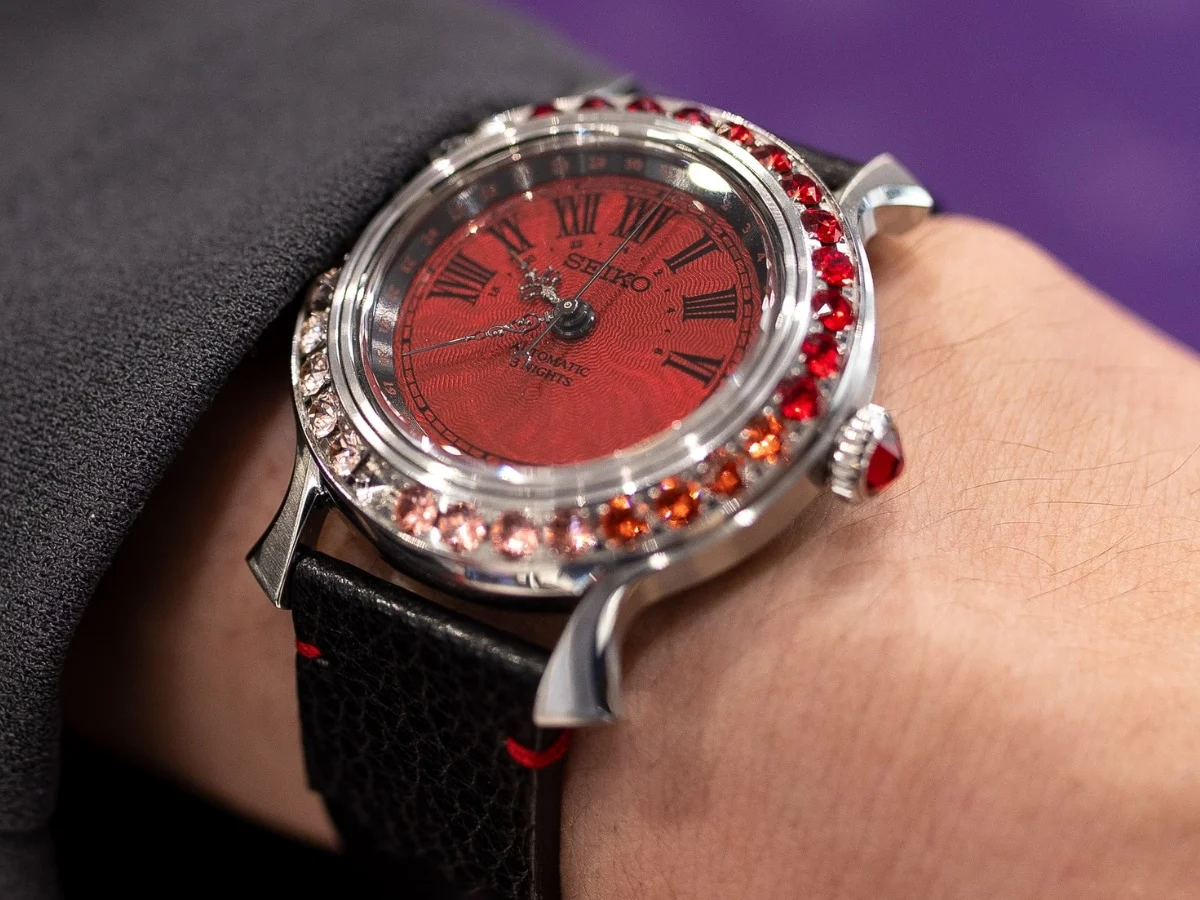
The Seiko Power Design Project has officially arrived in Australia, transforming the brand’s flagship boutique at 197 Pitt Street, Sydney, into a gallery of high-concept horological experimentation. Running until Tuesday, September 24, the Incredibly Specialised Watch Exhibition 2 presents a collection of six unique timepieces created by Seiko’s leading in-house designers. These prototypes, which range from the whimsical to the hyper-functional, represent a departure from commercial constraints, allowing the brand’s creative teams to explore the limits of material science, legibility, and thematic storytelling. This exhibition follows the success of previous Power Design Project iterations in Tokyo and serves as a testament to Seiko’s commitment to design-led innovation within the global watchmaking industry.
The Evolution of the Seiko Power Design Project
The Power Design Project is an internal initiative established by Seiko to foster creativity among its design staff. Originally launched in 2001, the project was conceived as a way to challenge designers to look beyond the immediate requirements of the mass market. After a hiatus, the project was revived in recent years to coincide with major milestones in the company’s history, including the 110th anniversary of the Laurel, Seiko’s first wristwatch.
The current theme, "Incredibly Specialised," tasks designers with creating watches for highly specific, often niche or fictional, personas and tasks. By narrowing the focus to a singular, extreme use case, designers are forced to rethink traditional watch architecture, including case shapes, dial layouts, and strap materials. The resulting pieces are not intended for mass production but serve as "concept cars" for the horological world, showcasing technologies and design languages that may eventually influence the brand’s commercial collections, such as the Prospex or Presage lines.
Detailed Analysis of the Exhibition Prototypes
The Sydney exhibition features six distinct timepieces, each accompanied by detailed design briefs that explain the rationale behind their unique configurations. These watches represent a cross-section of modern design challenges, from low-light legibility to the use of sustainable bio-composites.
The Ninja Stealth Watch: Tactile Engineering and Concealment
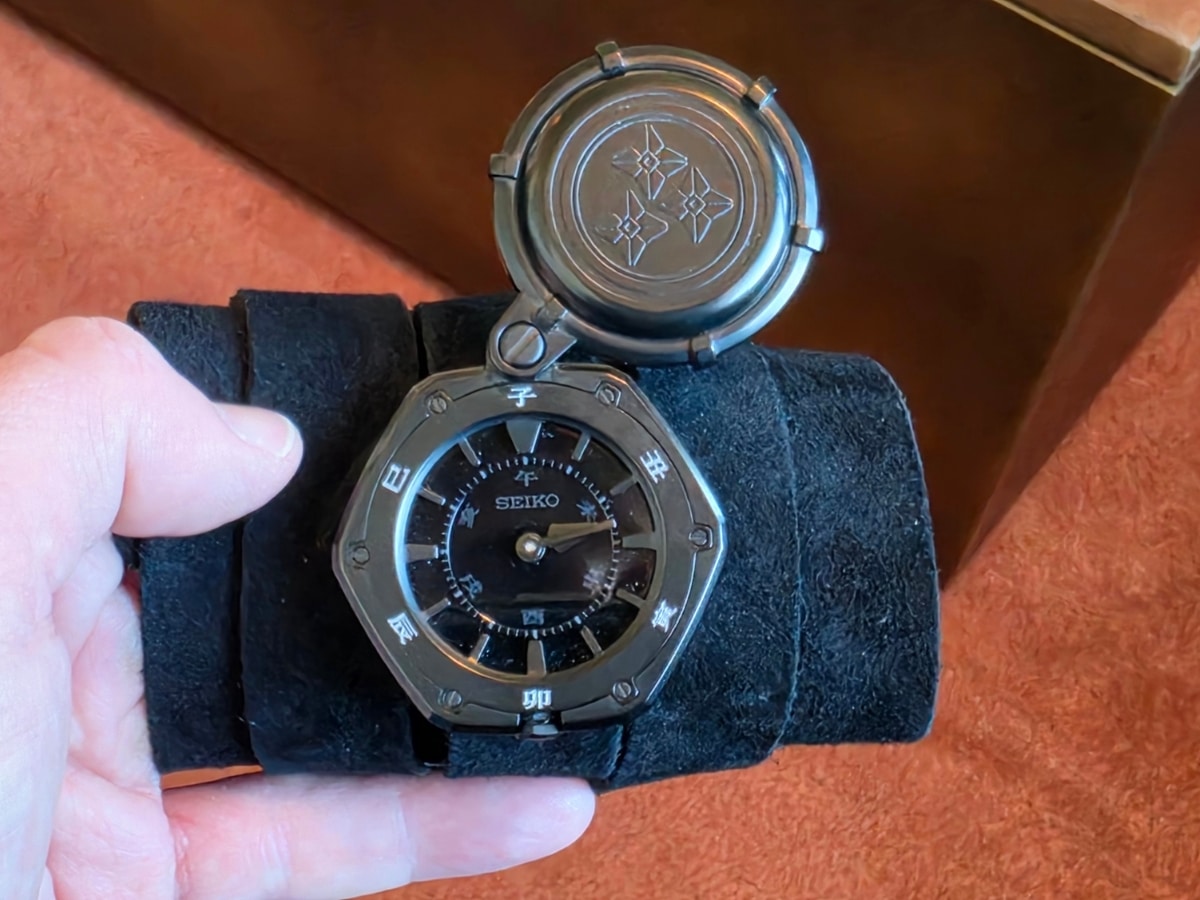
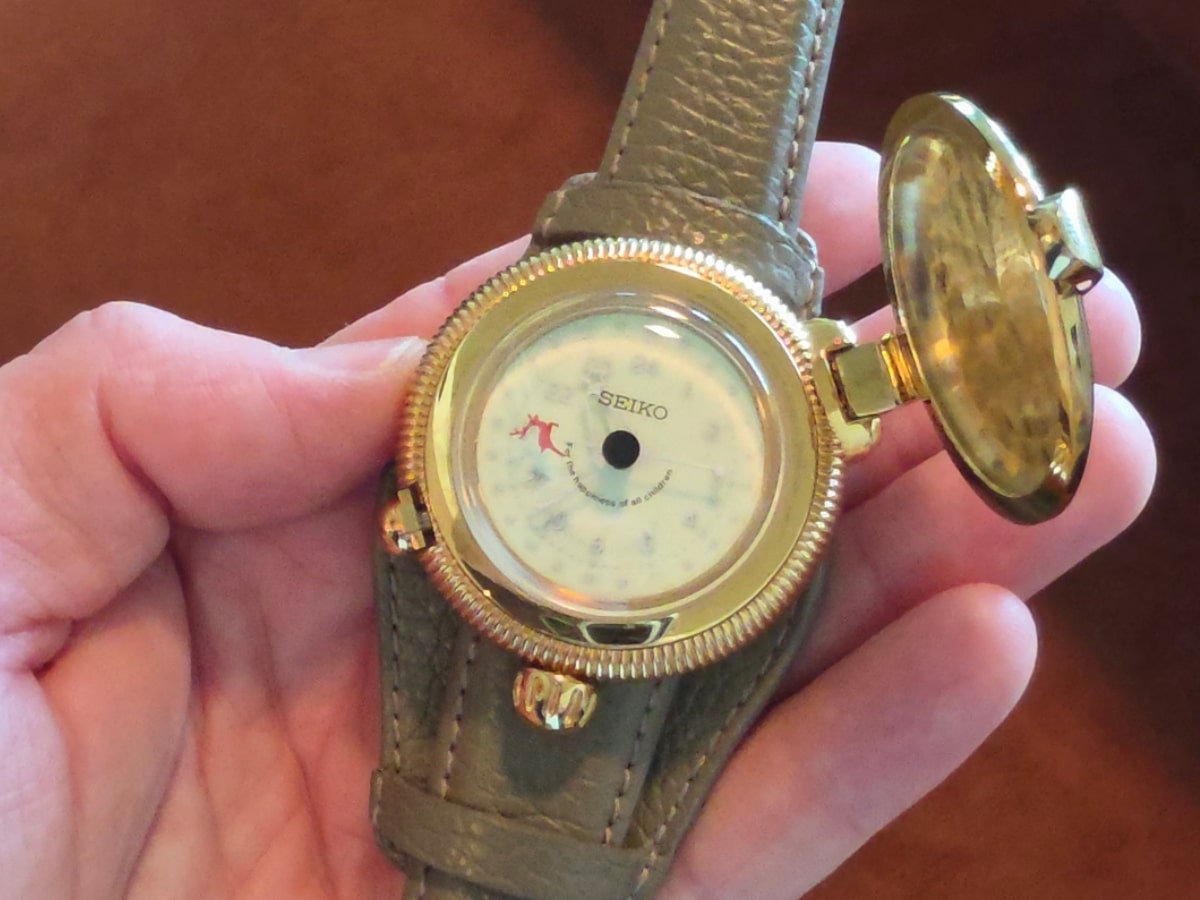
The Ninja Stealth Watch is perhaps the most utilitarian in its design philosophy, focusing on the concept of "tactile time-telling." In scenarios where visual confirmation of time is impossible or inadvisable, the watch relies on a textured dial with exaggerated, raised markers. This allows the wearer to determine the time through touch alone.

The watch features a modular protective system consisting of two interchangeable covers. A solid metal lid provides maximum protection against impact, while a secondary glass-windowed cover allows for traditional viewing. The aesthetic is strictly monochromatic, utilizing matte black finishes to minimize light reflection. From a technical standpoint, this piece explores the intersection of tool-watch durability and accessibility features, echoing designs used in watches for the visually impaired while framing them within a high-stakes "stealth" narrative.
The Specialised Watch for Club DJs: Optical Illusions and Lume Innovation
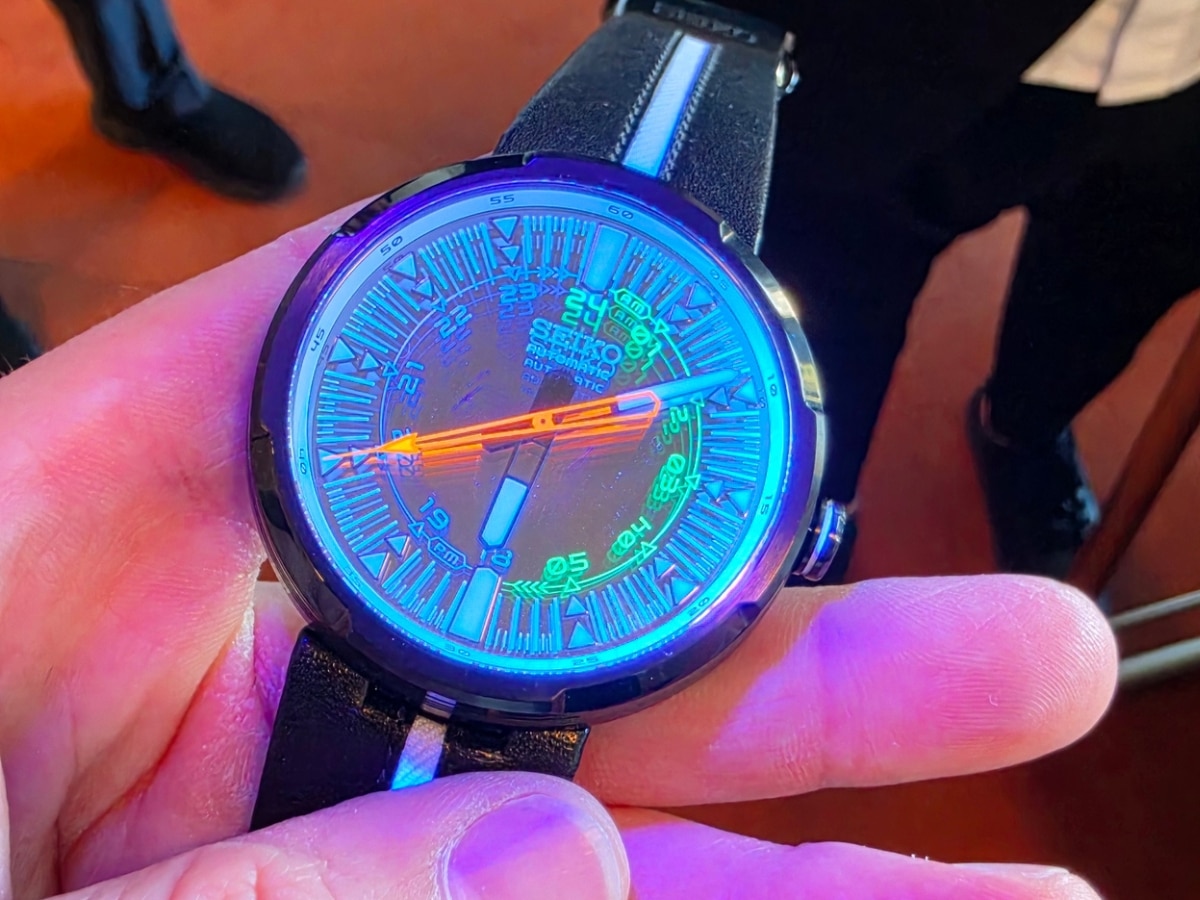
Addressing the vibrant, low-light environment of electronic music venues, the Specialised Watch for Club DJs utilizes an "infinity mirror" dial. This effect is achieved through the placement of parallel mirrors that create a perception of infinite depth. The watch is further distinguished by its use of high-intensity Lumibrite, Seiko’s proprietary luminous paint.
The color palette is inspired by club laser systems, featuring neon hues that interact with the mirrored surfaces to create a three-dimensional light show on the wrist. This prototype serves as a study in "atmospheric horology," where the watch is designed to blend into a specific social and environmental subculture rather than remaining a neutral accessory.
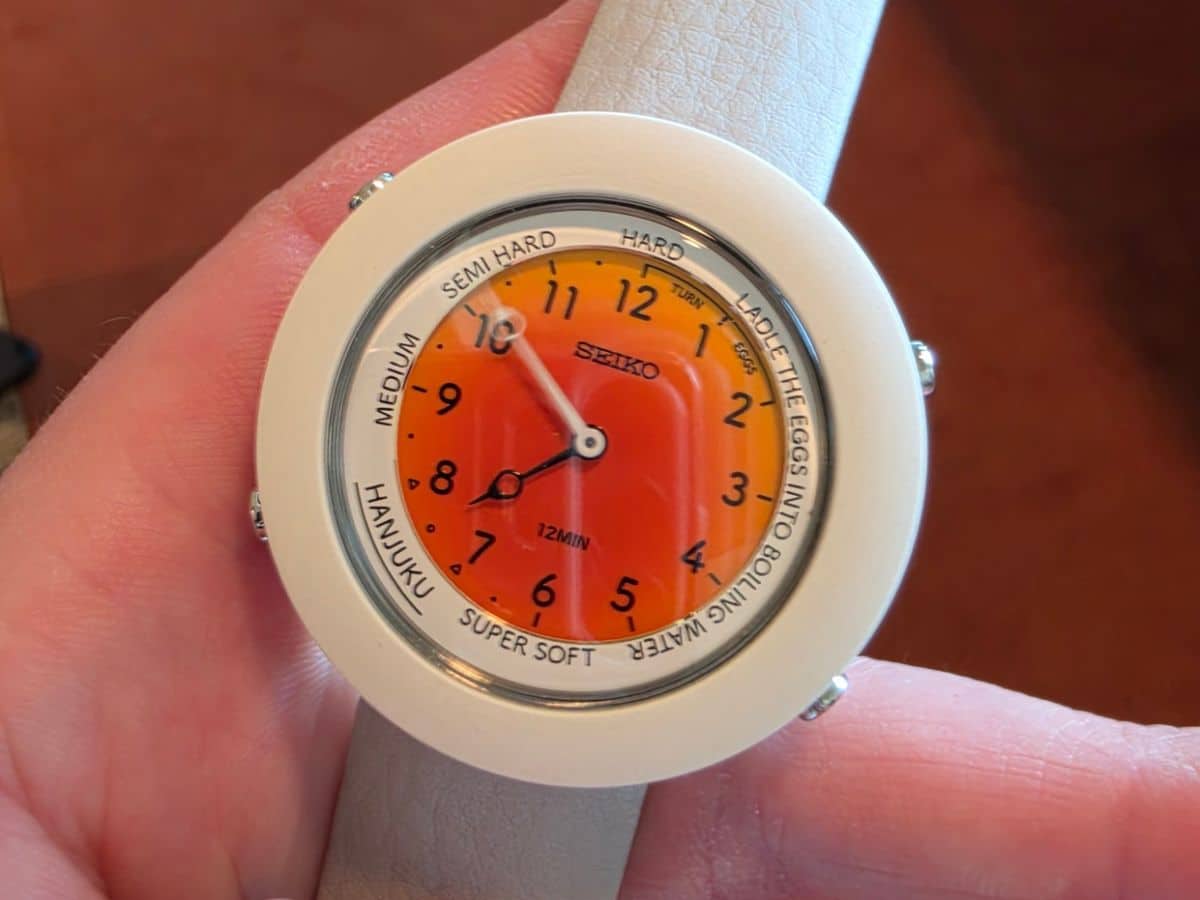
The Egg-Boiling Watch: A Case Study in Sustainable Materials
The Egg-Boiling Watch for Boiled Egg Lovers is the most overtly playful entry in the collection, yet it contains significant technical innovations regarding material sustainability. The watch features a specialized bezel and dial gauge calibrated to time the perfect egg, ranging from "super-soft" to "hard-boiled."
More importantly, the case and strap represent a breakthrough in circular manufacturing. The case is constructed from a unique plastic composite that incorporates 10 percent recycled eggshells, while the strap is made from an eco-friendly material derived from egg-based byproducts. This highlights Seiko’s ongoing research into bioplastics and alternative materials, suggesting a future where traditional petroleum-based plastics are replaced by organic waste composites.
The Santa Claus’ Specialised Watch: GMT Functionality and Global Logistics
Designed for the ultimate global traveler, the Santa Claus’ Specialised Watch focuses on time-zone management and extreme night-time legibility. The dial is almost entirely coated in Lumibrite, ensuring that the time remains visible in total darkness. A star-shaped GMT hand allows for the tracking of a second time zone, a critical feature for a persona tasked with navigating every meridian on the planet within a 24-hour window.
The watch also incorporates a flip-down cover, a recurring theme in this year’s exhibition. This allows the wearer to hide the glowing dial when necessary, preventing detection during sensitive "delivery" operations. The design demonstrates how traditional complications, like the GMT, can be recontextualized through imaginative storytelling.
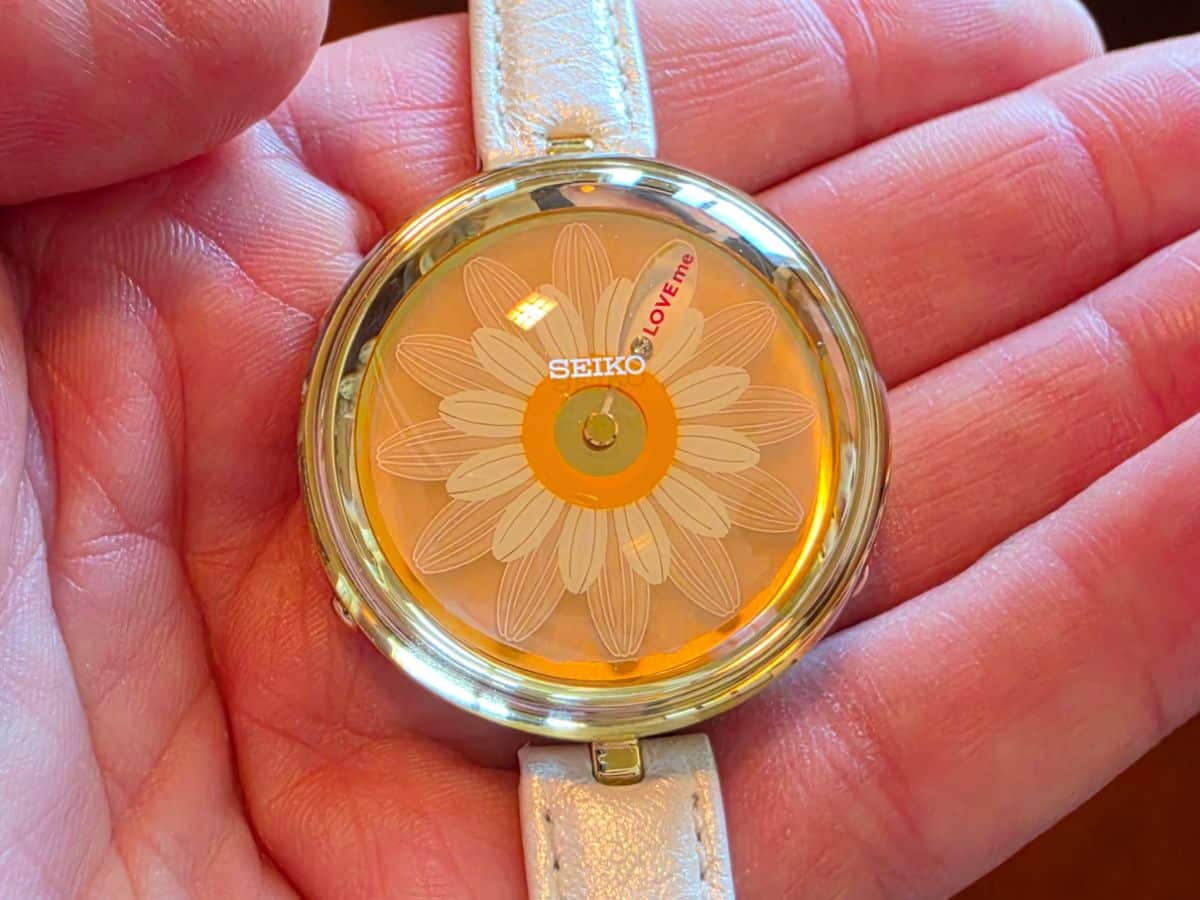
A Watch for Girls in Love: Refractive Optics and Privacy
This timepiece explores the emotional and private nature of time. Named "A Watch for Girls in Love," the design features a rotating disc hand that toggles between "LOVE me" and "LOVE me NOT" messages, reminiscent of the traditional "he loves me, he loves me not" petal-pulling game.
The technical highlight of this piece is its high-domed refractive glass. The lens is engineered to distort the dial when viewed from an angle, ensuring that only the wearer, looking directly at the face, can see the result. This "privacy glass" concept has potential applications in more serious horological contexts where sensitive data—such as heart rate or personal notifications on a smartwatch—needs to be shielded from prying eyes.
The Vampire-Exclusive Watch: Circadian Rhythm Management
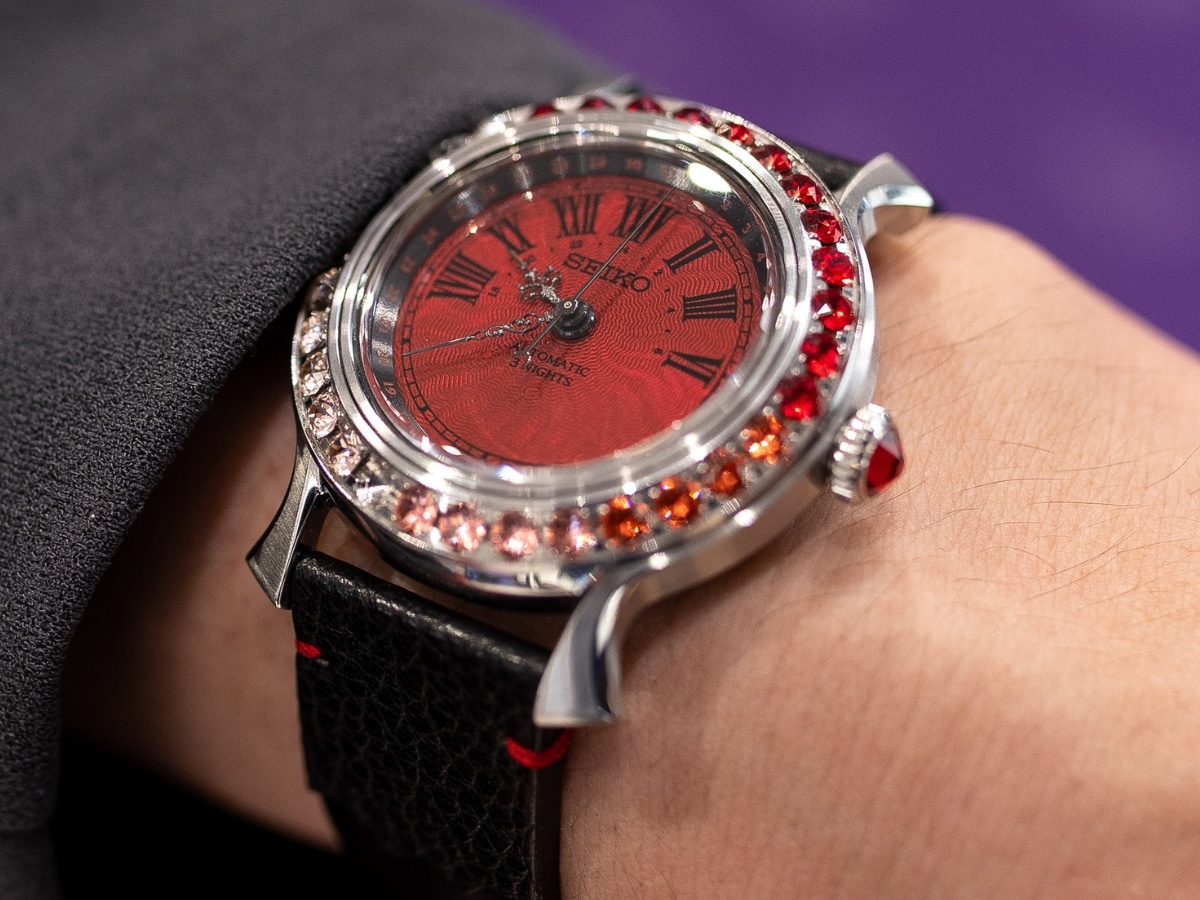
The Vampire-Exclusive Watch is a sophisticated 24-hour timepiece that prioritizes the "nocturnal half" of the day. The dial is split horizontally; the top half represents the night hours with bold, legible Roman numerals, while the bottom half (the day hours) features translucent markers that fade into the red background.
The bezel is set with a gradient of jewels transitioning from deep crimson to clear, functioning as a countdown timer for the wearer’s next "active" period. The strap is crafted from leather textured to resemble a bat’s wing. Beyond its Gothic aesthetic, the watch is a successful experiment in non-traditional 24-hour layouts, challenging the standard 12-hour convention of modern timekeeping.
Chronology of the Sydney Exhibition and Global Context
The arrival of the Incredibly Specialised Watch Exhibition 2 in Sydney marks a significant moment for the Australian watch community. Historically, such high-level concept exhibitions were reserved for major hubs like Tokyo, Geneva, or New York. The decision to bring these prototypes to Pitt Street reflects the growing importance of the Australian market in the luxury and enthusiast segments.
- January 2024: The collection was first unveiled at the Seiko House Ginza in Tokyo, drawing international acclaim for its creativity.
- Mid-2024: Selected pieces toured major Asian markets, including Hong Kong and Singapore.
- September 2024: The exhibition opened its limited run in Sydney, providing local collectors with a rare hands-on opportunity with non-commercial prototypes.
- September 24, 2024: The exhibition is scheduled to conclude, with the watches returning to the Seiko design archives in Japan.
Technical Analysis: Concept as R&D
While these watches are presented as "specialized" for fictional or niche characters, they function as a vital part of Seiko’s Research and Development (R&D) ecosystem. For example, the use of eggshell-reinforced plastic in the Egg-Boiling Watch provides data on the durability and finish of bio-composites. Similarly, the "infinity mirror" and refractive glass experiments allow designers to test how different light conditions affect legibility and aesthetics.
Seiko’s history is defined by such leaps. The brand’s development of the world’s first quartz watch (the Astron in 1969) and the Spring Drive movement began as experimental projects that challenged the status quo. By encouraging its designers to engage in the Power Design Project, Seiko ensures that its team remains at the forefront of creative thinking, preventing the "design stagnation" that can occur in large-scale manufacturing.
Impact on the Australian Horological Landscape
The presence of the exhibition in Sydney’s CBD has garnered significant attention from local horology enthusiasts and design students. Industry analysts suggest that exhibitions of this nature serve to strengthen brand loyalty by showcasing the "human element" behind the corporate entity. Seeing the individual names of designers associated with these avant-garde projects humanizes the manufacturing process.
The Sydney boutique at 197 Pitt Street has become a focal point for this engagement. As the luxury watch market in Australia continues to mature, consumers are looking for more than just retail transactions; they are seeking cultural experiences and deeper insights into the craft of watchmaking. The Power Design Project satisfies this demand by offering a museum-quality experience within a retail environment.
Conclusion and Future Implications
The Seiko Power Design Project: Incredibly Specialised Watch Exhibition 2 is a reminder that horology is as much an art form as it is a science. By stripping away the need for commercial viability, Seiko’s designers have produced a collection that is equal parts humorous, beautiful, and technically intriguing.
As the exhibition draws to a close on September 24, the impact of these designs will likely linger in the minds of the Seiko design team. Whether it is the adoption of sustainable materials from the Egg-Boiling Watch or the refined GMT concealment systems from the Santa Claus prototype, the lessons learned in the creation of these "incredibly specialized" pieces will undoubtedly inform the next generation of Seiko timepieces. For the Sydney public, the exhibition remains a fleeting but essential glimpse into the future of watch design, where the only limit is the imagination of the maker.




 Yuyun Lusiyani
 Joko Widodo
 Eva Lovia
 Pevita Pearce
 admin
admin