
 admin
admin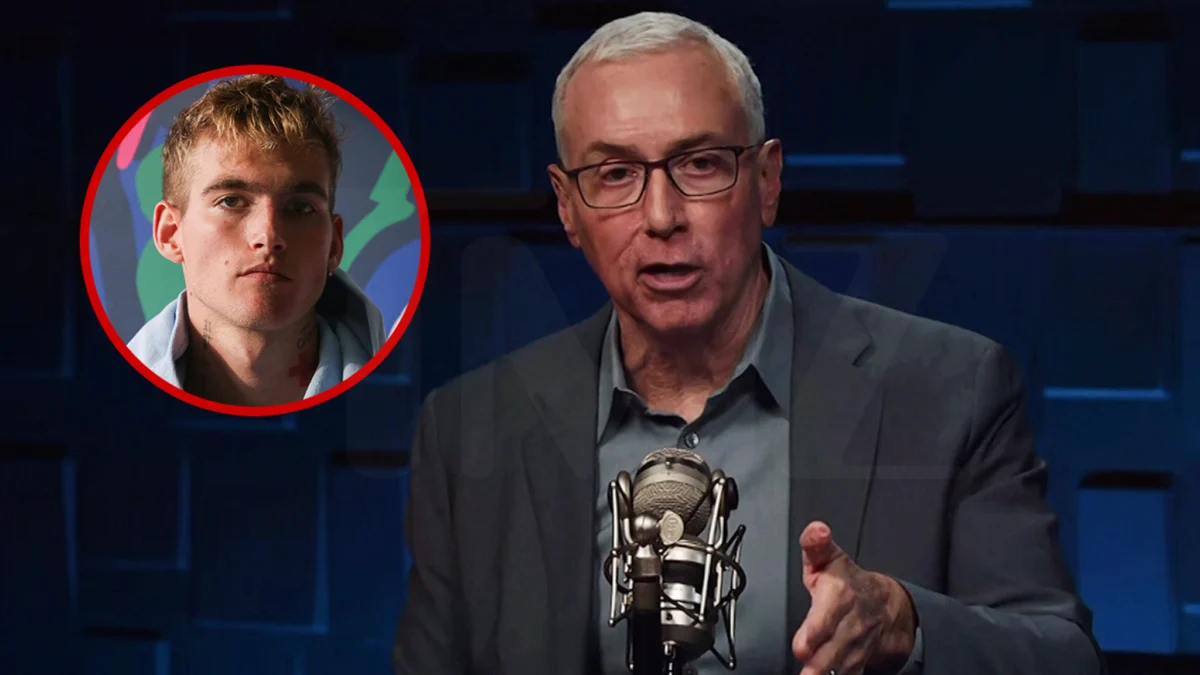
Psychiatrist and addiction specialist Dr. Drew Pinsky has ignited a critical conversation within the mental health and celebrity treatment landscape, asserting that model Presley Gerber, son of supermodel Cindy Crawford and businessman Rande Gerber, required psychiatric hospitalization rather than placement in a luxury rehabilitation facility. Pinsky, known for his long-standing work in addiction medicine and his media presence, articulated his concerns during an appearance on "The TMZ Podcast" on September 22, 2026, suggesting that Gerber was managing a complex and potentially perilous medication regimen that a standard rehab environment was ill-equipped to handle. His remarks cast a stark light on the often-misunderstood nuances of addiction treatment, particularly when co-occurring mental health disorders are present, and challenge the efficacy of high-end, amenity-rich facilities over clinically appropriate medical settings.
The Core of Dr. Drew’s Contention: A "Deadly Combination"
Dr. Pinsky’s primary concern revolved around the reported medication profile Presley Gerber was taking. According to Pinsky, Gerber was allegedly consuming a combination of Suboxone, a medication primarily used to treat opioid dependence, and benzodiazepines (benzos), a class of psychoactive drugs often prescribed for anxiety, insomnia, and seizures. This specific combination, Pinsky emphasized, is widely considered by medical professionals to be a "deadly combination" due to the significant risk of respiratory depression, overdose, and even death. Gerber himself had reportedly admitted to this regimen in a since-deleted Instagram video from 2025, adding a layer of public awareness to his struggles.
Suboxone, a brand name for a buprenorphine/naloxone combination, is an opioid partial agonist that helps reduce cravings and withdrawal symptoms without producing the same euphoric effects as full opioids. Benzodiazepines, on the other hand, are central nervous system depressants. When taken together, their depressant effects are amplified, leading to a synergistic potentiation of risk. The National Institute on Drug Abuse (NIDA) consistently warns against the co-administration of opioids and benzodiazepines due to the elevated danger of overdose. A 2023 study published in the Journal of Addiction Medicine highlighted that concurrent prescribing of these two drug classes was associated with a five-fold increase in overdose risk compared to individuals prescribed opioids alone. Pinsky’s argument posits that managing such a high-risk pharmaceutical regimen necessitates the constant medical oversight and specialized psychiatric care available in a hospital setting, which is typically beyond the scope of even well-appointed residential rehabilitation centers.
Presley Gerber’s Public Struggle: A Timeline of Concerns
Presley Gerber’s journey into the public eye, initially as a burgeoning model following in his mother’s footsteps, has increasingly been marked by highly visible struggles with mental health and substance use. The first significant public indication of distress emerged around early 2020 when Gerber unveiled a prominent "MISUNDERSTOOD" tattoo on his face, sparking widespread concern and speculation about his emotional state. This period was characterized by a series of erratic social media posts, where he often expressed feelings of isolation, misunderstanding, and frustration with public scrutiny.
Throughout 2020 and 2021, reports occasionally surfaced regarding Gerber’s well-being, sometimes hinting at periods of withdrawal from public life or family interventions. The deleted 2025 Instagram video, where he reportedly discussed his medication use, served as a more direct, albeit transient, admission of his challenges. These public displays, coupled with his high-profile family background, placed him squarely in the public’s gaze, creating additional pressure that Dr. Pinsky suggests exacerbates the underlying issues for many celebrities. The chronology of these events paints a picture of a young man navigating intense personal difficulties under the unrelenting glare of celebrity, a context Dr. Pinsky believes further complicated his path to appropriate care.
The Systemic Flaws: Why Resources Don’t Guarantee Proper Care
A central tenet of Dr. Drew’s critique is the profound systemic failure within the addiction treatment landscape, even for individuals with seemingly unlimited resources. Presley Gerber, as the son of one of the world’s most iconic supermodels and a successful entrepreneur, theoretically has access to the best medical care available. Yet, Pinsky argues that even this immense privilege did not guarantee proper, clinically appropriate treatment.
"The problem was all in the system," Dr. Drew stated on the podcast, lamenting that "even people with unlimited resources, like Presley… still can’t navigate how to get proper care." This observation highlights a critical disconnect: wealth can buy luxury and comfort, but it doesn’t automatically purchase the correct medical diagnosis or the most effective treatment modality. Addiction and co-occurring mental health disorders are complex neurobiological conditions that require precise clinical assessment, individualized treatment plans, and often, a multidisciplinary team approach. The system, Pinsky implies, is often structured in a way that prioritizes appearance or convenience over rigorous clinical necessity, particularly in the high-demand, high-profit sector of celebrity rehabilitation.
Deconstructing Luxury Rehab: Environment vs. Efficacy
Dr. Pinsky did not mince words when criticizing luxury rehab facilities, accusing them of prioritizing "environment" and amenities over "actual patient care." This is a longstanding debate within the addiction treatment community. Many high-end rehabs offer resort-like settings, gourmet meals, spa treatments, and a high staff-to-patient ratio, which can create a comfortable and appealing atmosphere. However, critics like Dr. Drew argue that these external comforts often overshadow the intensive, evidence-based medical and psychological interventions that are truly necessary for recovery.
While a serene environment can be conducive to healing, it does not substitute for psychiatric evaluations, medication management by qualified physicians, round-the-clock medical monitoring for high-risk patients, or robust therapeutic programming rooted in cognitive behavioral therapy (CBT), dialectical behavior therapy (DBT), or other proven methodologies. For a patient like Gerber, reportedly on a dangerous combination of medications, the immediate priority should have been medical stabilization and psychiatric assessment in a secure, medically equipped environment, not necessarily a tranquil, albeit unequipped, retreat. The implication is that these facilities, while catering to a specific demographic, may inadvertently contribute to suboptimal outcomes by misdirecting resources away from critical medical and psychiatric services.
The Unique Pressures of Celebrity and Addiction
Dr. Pinsky further elaborated on the unique challenges faced by celebrities, asserting that public figures like Presley Gerber and actress Hayden Panettiere often grapple with addiction due to "increased shame and trauma that often comes with being a celebrity." This perspective resonates with broader psychological research on the impact of fame. Celebrities often face:
- Intense Public Scrutiny: Every misstep is magnified, every struggle publicized, leading to profound feelings of shame, embarrassment, and a desire to self-medicate to escape the constant judgment.
- Loss of Privacy: The inability to live a private life can erode a sense of self and personal boundaries, contributing to anxiety and depression.
- Pressure to Maintain an Image: Celebrities are often expected to project an idealized image, making it difficult to admit vulnerability or seek help for struggles that might tarnish their public persona.
- Isolation: Despite being constantly surrounded by people, true, trusting relationships can be hard to form, leading to deep loneliness.
- Access and Enablement: The resources available to celebrities can sometimes facilitate substance use, with enablers or easily accessible illicit substances being a persistent challenge.
- Early Exposure: Many celebrity children are exposed to the pressures of fame from a young age, disrupting normal developmental processes and increasing susceptibility to mental health issues.
These factors can create a vicious cycle where mental health issues lead to substance use as a coping mechanism, which in turn exacerbates mental health problems and the associated shame. For Presley Gerber, growing up as the child of two globally recognized figures, the weight of expectation and the lack of a typical upbringing likely contributed to a complex psychological profile that required highly specialized care.
Broader Implications for Mental Health and Addiction Treatment

Dr. Drew’s comments transcend the individual case of Presley Gerber, serving as a powerful indictment of broader systemic issues in mental health and addiction treatment. His critique raises several crucial questions for the healthcare industry and society at large:
- Diagnosis and Assessment: Is there sufficient emphasis on comprehensive psychiatric and medical assessment before placement in a treatment facility? Misdiagnosis or incomplete assessment can lead to inappropriate treatment settings and ineffective interventions.
- Dual Diagnosis Care: The prevalence of co-occurring mental health disorders (dual diagnosis) alongside substance use disorder is incredibly high. A 2024 report by the Substance Abuse and Mental Health Services Administration (SAMHSA) indicated that nearly half of individuals with a substance use disorder also have a mental illness. Many rehabs are not adequately equipped to treat both concurrently, especially complex psychiatric conditions requiring acute medical management.
- Regulation and Oversight: Are luxury rehab facilities adequately regulated to ensure that the clinical care provided matches the promises made and the fees charged? There’s often a significant disparity between the marketing of these facilities and the actual medical expertise on staff.
- Accessibility vs. Appropriateness: While accessibility to treatment is a major hurdle for many, Dr. Drew highlights that even when resources make treatment accessible, the appropriateness of that treatment remains a critical, often unmet, need.
- Stigma and Education: The ongoing stigma surrounding mental illness and addiction, even in an increasingly open society, continues to impede individuals from seeking the right kind of help. Public education campaigns are crucial to demystify these conditions and guide individuals and families toward evidence-based care.
The Path Forward: Reforming the Treatment Paradigm
Dr. Drew Pinsky’s call for a reevaluation of Presley Gerber’s treatment pathway underscores an urgent need for reforms in how addiction and mental health are addressed, particularly within the celebrity sphere but with implications for everyone.
- Prioritizing Clinical Necessity: Treatment decisions must be driven by clinical necessity, determined by thorough medical and psychiatric evaluations, rather than by comfort, convenience, or social status.
- Integrated Care Models: Emphasizing integrated care models that simultaneously address substance use disorders and co-occurring mental health conditions is paramount. This often requires a team of psychiatrists, addictionologists, therapists, and medical specialists working collaboratively.
- Enhanced Oversight of Treatment Facilities: Stricter regulatory oversight for all addiction treatment centers, including luxury rehabs, could ensure that clinical standards are met and that facilities are equipped to handle complex cases. This would involve regular audits of staff qualifications, medical protocols, and patient outcomes.
- Destigmatization and Education: Continued efforts to destigmatize mental illness and addiction are vital. Educating the public, families, and even celebrities themselves about the various levels of care available—from outpatient therapy to residential rehab to acute psychiatric hospitalization—can help guide them toward appropriate interventions.
- Advocacy for Systemic Change: Advocacy groups and medical professionals must continue to push for systemic changes that ensure quality, evidence-based care is accessible and appropriately delivered across all socioeconomic strata.
Dr. Drew Pinsky’s candid remarks regarding Presley Gerber serve as a crucial reminder that addiction is a complex medical disease, often intertwined with severe mental health conditions. It demands expert, individualized, and medically supervised care, irrespective of a person’s fame or financial resources. The conversation initiated by Pinsky should compel a deeper examination of current treatment paradigms, urging a shift towards greater clinical rigor and a more nuanced understanding of patient needs, especially when dealing with high-risk medication combinations and co-occurring disorders in high-profile individuals. The ultimate goal must be to ensure that every individual, regardless of their background, receives the precise care required for sustainable recovery and well-being.




 Jia Lissa
 Yuyun Lusiyani
 Joko Widodo
 Eva Lovia

 Pevita Pearce