
 Pevita Pearce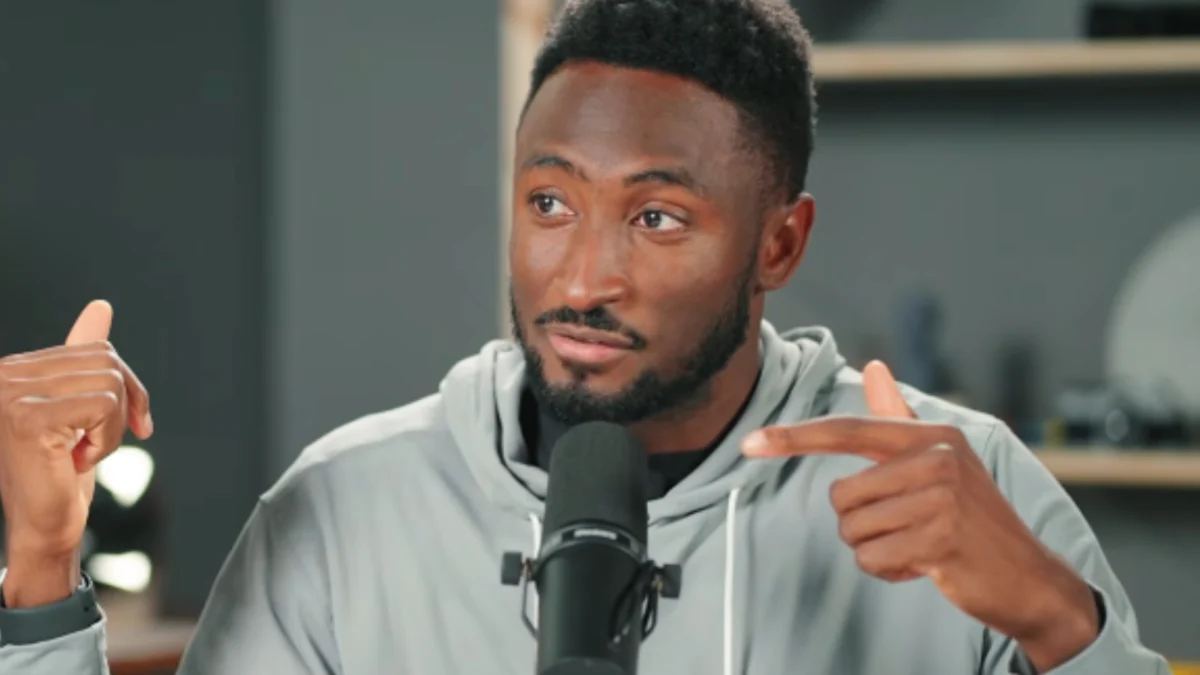
YouTube has officially announced a significant expansion of its creator toolkit, introducing a feature that allows for the A/B testing of actual video content. While the platform has previously offered tools to experiment with metadata such as titles and thumbnails, this latest development represents a fundamental shift in how digital content is distributed and optimized. By allowing creators to upload multiple versions of a single video to see which performs better in terms of viewer retention and engagement, YouTube is doubling down on its commitment to data-driven content strategy. However, the move has sparked a wave of concern from the creator community, most notably from Marques Brownlee, the influential tech reviewer known as MKBHD. Brownlee has raised critical questions regarding the technical implementation of the feature and its potential impact on the integrity of the viewer experience, suggesting that the move may be "one step further" than what the platform’s ecosystem can comfortably support.
The Evolution of YouTube Optimization: From Thumbnails to Video Edits
For years, YouTube creators have relied on third-party tools and manual experimentation to optimize their videos for the platform’s algorithm. The primary focus has traditionally been the "click-through rate" (CTR), which is heavily influenced by the video’s thumbnail and title. Recognizing the demand for native tools, YouTube recently rolled out its "Test & Compare" feature, which allows creators to upload up to three different thumbnails for a single video. The system then distributes these variations to different segments of the audience and eventually selects a "winner" based on which image generated the most watch time.
The new announcement takes this logic to its ultimate conclusion: testing the video itself. Under this system, a creator could upload two or more versions of the same video—perhaps one with a shorter introduction, different background music, or a varied editing style. YouTube’s algorithm would then serve these different "cuts" to viewers, gathering data on which version keeps people watching longer. For YouTube, the goal is clear: maximize "Average View Duration" (AVD) and overall platform retention. In an era where TikTok and Instagram Reels have shortened attention spans, YouTube is providing its long-form creators with the surgical tools necessary to trim "dead air" and keep viewers glued to the screen.
Marques Brownlee Outlines Technical and Social Concerns
Despite the potential for increased performance, Marques Brownlee has emerged as a prominent skeptic of the new feature. In a series of public statements, Brownlee expressed that while he generally supports platform innovation, the nuances of A/B testing video content introduce a level of complexity that could fragment the community experience. His primary concern centers on the "unanswered questions" regarding how a viewer interacts with a video that is essentially a moving target.
"If I’m watching a video, do I know if it’s part of an A/B test?" Brownlee asked. This question touches on the core issue of transparency. In traditional media, a film or a television episode is a static, shared experience. If two viewers watch the same title, they are seeing the same frames. YouTube’s new feature threatens this uniformity. If one viewer sees a 10-minute cut and another sees a 12-minute cut of the same upload, they are effectively consuming different pieces of media under the same URL.
Brownlee further highlighted the potential for "broken" comment sections. On YouTube, comments are often tethered to specific moments in a video through timestamps. "If someone’s comment has timestamps, do they break if I’m seeing the other version of the video?" he posited. If "Version A" has a joke at the 4:00 mark, but "Version B" removes that scene to improve pacing, a timestamped comment referring to that joke becomes nonsensical or leads to a different part of the video for the viewer watching Version B. This creates a disjointed user experience where the conversation surrounding the content no longer aligns with the content itself.
Chronology of YouTube’s A/B Testing Rollout
The path to video-level A/B testing has been a multi-year journey for YouTube’s engineering team.
- Late 2023: YouTube began limited beta testing of the "Test & Compare" thumbnail tool with a small group of a few thousand creators. The feedback was overwhelmingly positive, as it removed the guesswork from visual branding.
- Early 2024: The platform expanded thumbnail testing to hundreds of thousands of creators, integrating the feature directly into the YouTube Studio dashboard.
- August 2024: Marques Brownlee publicly criticized the existing thumbnail testing system, noting that it could "gaslight" viewers. He argued that if a viewer sees a video in their feed with one thumbnail, scrolls past it, and later sees it with a different thumbnail, they might not realize it is the same video, leading to confusion and a sense of platform instability.
- September 2026 (Current Period): YouTube announces the expansion into video content A/B testing. This move signals that the platform is satisfied with the data from thumbnail testing and is ready to apply the same algorithmic logic to the video files themselves.
Data and the Drive for Retention
The impetus for this feature is rooted in the "Creator Economy" data. According to industry benchmarks, a 5% increase in average view duration can significantly boost a video’s likelihood of being recommended by the YouTube algorithm. For large-scale creators, this can translate into millions of additional views and tens of thousands of dollars in incremental ad revenue.
YouTube currently hosts over 2.7 billion monthly active users. The sheer volume of data generated by these users allows YouTube’s neural networks to determine "statistical significance" for an A/B test much faster than a creator could manually. By automating this process, YouTube is attempting to lower the barrier to "viral" success, providing creators with a scientific method to refine their storytelling. However, critics argue that this turns content creation into a clinical exercise in data optimization rather than an artistic endeavor.
Potential Implications for Media Integrity and "The Definitive Cut"
The introduction of video A/B testing raises philosophical questions about the nature of digital media. Traditionally, the "Director’s Cut" was a secondary version of a film released after the original. In the YouTube model, there may never be a "definitive" version of a video during its most critical first 48 hours of life.
If a news organization uses this tool to test different headlines or different framings of a story within the video, it could lead to accusations of bias or manipulation. For example, if "Version A" of a news report emphasizes one set of facts and "Version B" emphasizes another, the "truth" of the video becomes dependent on which version the algorithm decides to show a specific user. While YouTube’s current focus is on entertainment and education creators, the tools are platform-wide, and their application in sensitive niches could be problematic.
Furthermore, the "Identity" of a video is at stake. Brownlee’s point about being an "old school" creator reflects a sentiment that a video should be a finished product when it is published. The "publish" button has traditionally represented the end of the creative process. With A/B testing, the creative process continues long after the video is live, with the audience serving as unwitting participants in a laboratory experiment.
Technical Hurdles and Platform Stability
From a technical standpoint, serving multiple versions of a high-resolution video file is a massive undertaking. YouTube utilizes a complex Content Delivery Network (CDN) to cache videos globally. Implementing A/B testing requires the CDN to manage multiple "flavors" of a single Video ID and ensure that the metadata (comments, likes, view counts) remains synchronized across all versions.
There is also the question of "Watch History." If a viewer watches 50% of Version A and then returns later to finish the video, but the creator has since ended the test and selected Version B as the winner, does the viewer’s progress transfer seamlessly? If the cuts are significantly different, the viewer might find themselves at a point in the video they have already seen or, conversely, skip over a vital piece of information.
Stakeholder Reactions and Industry Outlook
While Brownlee has been the most vocal critic, other segments of the creator community have expressed cautious optimism. "Retention-style" editors—those who specialize in fast-paced, MrBeast-style content—view the tool as a revolutionary way to prove the value of their work. For them, the ability to show a client that "Edit B" resulted in a 20% higher retention rate is a powerful metric.
However, the "Commentary" and "Video Essay" communities share many of Brownlee’s concerns. These creators rely on a deep, shared dialogue with their audience. If the audience is not all seeing the same thing, the depth of that dialogue is compromised.
YouTube has not yet provided a detailed FAQ addressing Brownlee’s specific points regarding timestamps and comment synchronization. As the feature rolls out to a wider audience, the platform will likely need to implement new UI elements—perhaps a "Version Identifier" or a notification that a video is part of an ongoing experiment—to maintain trust with its user base.
Conclusion: The Future of Algorithmic Creativity
YouTube’s move toward video A/B testing represents the next frontier in the platform’s evolution. It is a transition from a repository of static files to a dynamic, living ecosystem where content adapts in real-time to the preferences of the crowd. While the potential for growth and optimization is immense, the concerns raised by Marques Brownlee highlight a fundamental tension in the digital age: the balance between data-driven efficiency and the human element of shared experience. As YouTube continues to refine these tools, the platform must decide if it wants to be a place where creators "tell a story" or a place where algorithms "optimize an output." The success or failure of video A/B testing will likely depend on how well YouTube can answer the technical questions of its most prominent creators while preserving the cultural cohesion of its audience.




 Yuyun Lusiyani
 Joko Widodo
 Eva Lovia
 admin
admin
 Lina Irawan